 Предпросмотр
 Поделиться
 Поделиться
 Детали произведения

 Скачать
 Похожие работы
 Рентгенография
 Слайд-шоу
 Статистика
Untitled (D2X63M)
 701
701 18.0cm x 40.0cm
 Читать далее
Масляная репродукция ручной работы
Картина маслом на холсте в выбранном вами размере и раме, написанная на заказ нашими художниками. ( Перейти к печати Перейти к цифровым изображениям)




































Выберите один из наших стандартных размеров, соответствующих оригинальным пропорциям произведения искусства.

Вы можете указать собственные размеры, чтобы картина идеально вписалась в выбранную раму или пространство. Если выбранный вами размер не соответствует пропорциям оригинала, мы либо обрежем полотно, либо расширим его за счет дополнительных элементов, написанных вручную. Цифровой макет будет отправлен вам на утверждение перед началом производства.
Обратите внимание, что предварительный просмотр на экране не отражает фактическую обрезку или расширение. Только макет точно покажет окончательную композицию.
Хотя доступны индивидуальные размеры, мы рекомендуем выбирать вариант из предопределенного списка, чтобы сохранить исходные пропорции.
После оформления заказа команда ArtsDot.com свяжется с клиентом по электронной почте для уточнения деталей и предоставит предварительный макет
Доставка по всему миру () за 3–4 недели вместо стандартных 5 недель. (11 Сентябрь). Без компромиссов в качестве.

Бесплатная экспресс-доставка по всему миру

Высококачественный льняной холст

Полное страхование доставки

Гарантия возмещения таможенных пошлин

Гарантия точного соответствия цветов

100-дневная политика возврата (только при обнаружении дефектов)

Гарантия возврата 100% средств

Предложение оптовых скидок
 Вариант со стеклом доступен только для размеров менее 110 см

Untitled (D2X63M)
Техника репродукции
Размер репродукции
-


Итоговая стоимость
$ 263
Похожие произведения









Биография художника
The Enigmatic World of Ike Gyokuran: A Modern Master of Japanese Ink Painting
Ike Gyokuran, a contemporary figure in the world of *sumi-e* (ink painting), stands as a compelling testament to the enduring power and evolving nature of traditional Japanese art. Born in Japan in 1938, Gyokuran has dedicated his life to mastering and subtly reimagining the techniques passed down through centuries, yet remains an elusive figure, preferring to let his artwork speak for itself rather than engage extensively with public biography. This very reticence adds a layer of mystique to his creations, inviting viewers into a deeply personal and contemplative space. While biographical details remain sparse, the impact of his work is anything but understated; Gyokuran has become recognized as one of Japan’s foremost ink painters, bridging the gap between historical precedent and contemporary artistic expression.A Legacy Rooted in Tradition
Gyokuran's artistic journey began with a rigorous grounding in classical Japanese painting styles. He studied under several prominent masters, absorbing not only technical proficiency but also the philosophical underpinnings of *sumi-e*. This tradition emphasizes capturing the essence of nature – its spirit, rather than merely its appearance – through minimalist brushstrokes and carefully considered compositions. The influence of Sesshū Tōyō, a 15th-century Zen Buddhist monk and painter renowned for his dramatic landscapes and expressive use of ink washes, is particularly evident in Gyokuran’s early works. He also draws inspiration from the literati painting tradition (*bunjinga*), which valued intellectual pursuits alongside artistic skill, often incorporating poetry and calligraphy into paintings. However, Gyokuran isn't simply a replicator of past styles; he uses these foundations as a springboard for his own unique vision.The Language of Ink: Technique and Symbolism
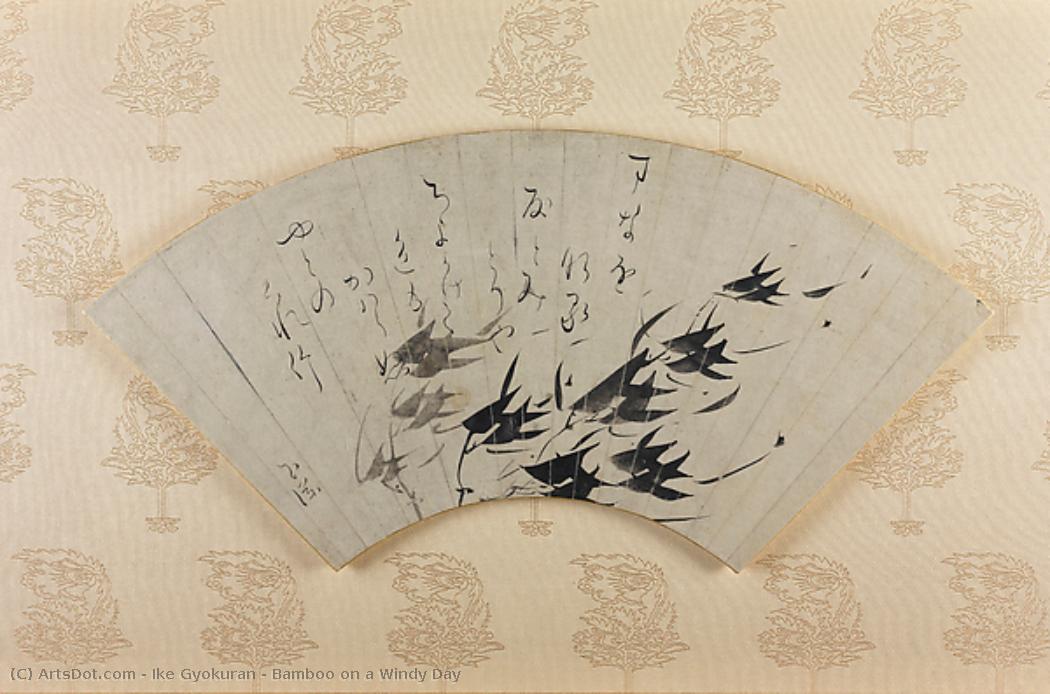
Gyokuran’s mastery lies in his profound understanding of ink – its varying densities, textures, and the subtle nuances achievable through brush control. He employs a range of techniques, from bold, sweeping strokes to delicate washes, often within the same composition. This creates a dynamic interplay between light and shadow, suggesting depth and atmosphere with remarkable economy. His subjects are typically drawn from nature: bamboo groves, plum blossoms, birds in flight, and landscapes shrouded in mist. These aren’t merely depictions of natural forms; they function as symbolic representations of deeper philosophical concepts.- Bamboo, for instance, often embodies resilience, integrity, and perseverance.
- Plum blossoms, blooming in the winter cold, symbolize courage and hope amidst adversity.
- Birds frequently represent freedom, spiritual aspiration, or the fleeting nature of existence.