

 Предпросмотр
 Поделиться
 Поделиться
 Детали произведения

 Скачать
 Похожие работы
 Рентгенография
 Слайд-шоу
 Статистика
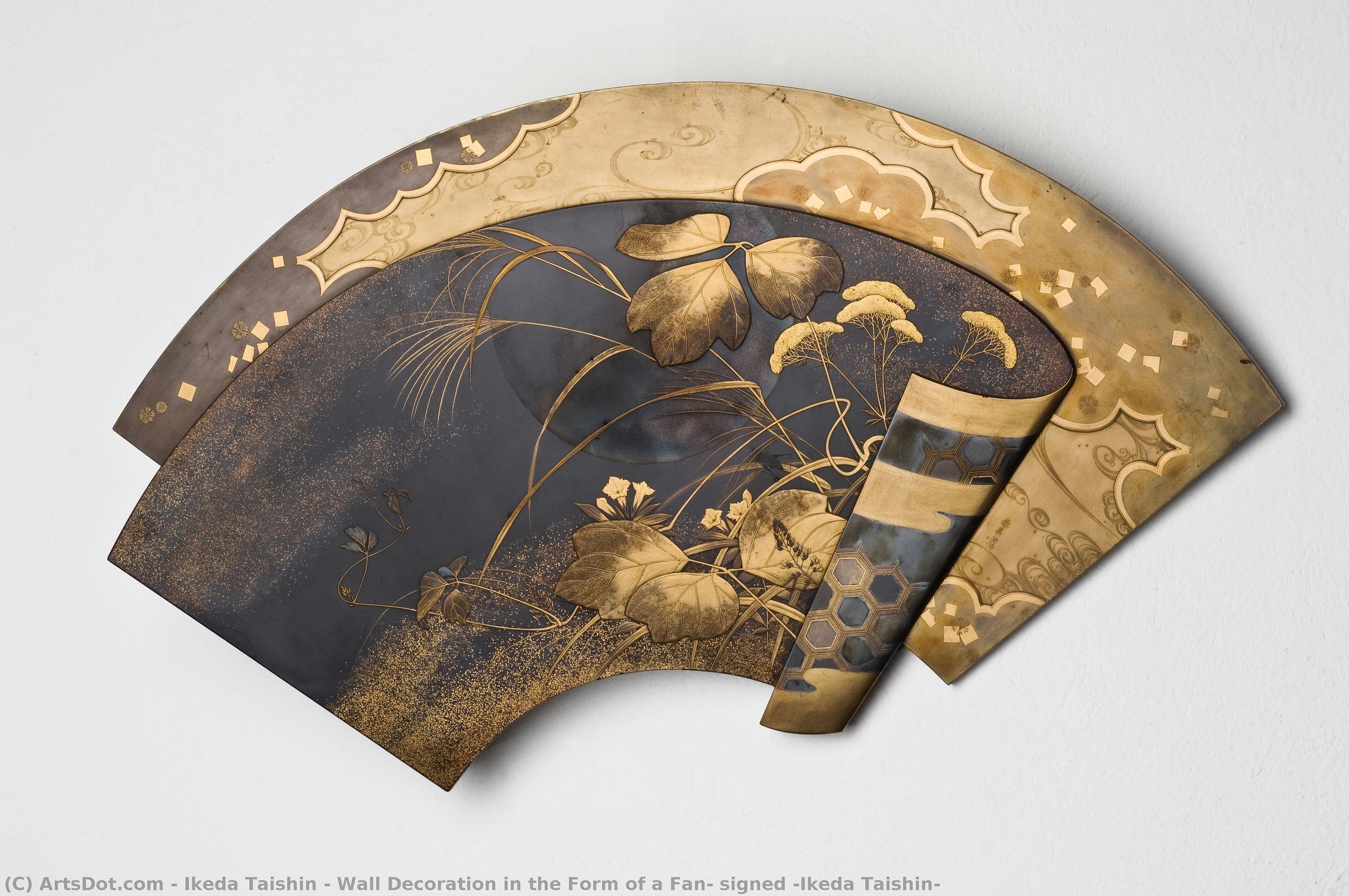
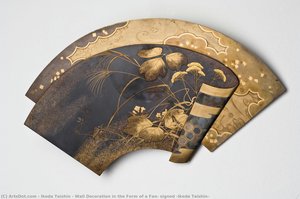
Wall Decoration in the Form of a Fan, signed “Ikeda Taishin”


 Читать далее
Жикле / Арт-принт
Печать (жикле) или холст музейного качества с быстрыми сроками изготовления и широким выбором вариантов отделки. ( Купить картину ручной работы Перейти к цифровым изображениям)




































Выберите один из наших стандартных размеров, соответствующих оригинальным пропорциям произведения искусства.

Вы можете указать свои собственные размеры, чтобы репродукция идеально подошла под конкретную раму или пространство. Если выбранный вами размер не будет соответствовать пропорциям оригинала, мы либо обрежем произведение, либо дополним изображение зеркальным отражением краев или однотонной заливкой. Перед началом производства вам будет отправлен цифровой макет для утверждения.
Пожалуйста, обратите внимание, что предварительный просмотр на экране не отображает фактическую обрезку или расширение изображения. Только макет точно покажет финальную композицию.
Несмотря на возможность заказа индивидуальных размеров, мы рекомендуем выбирать размер из предопределенного списка, чтобы сохранить оригинальные пропорции.
Доставка по всему миру () за 2 недели вместо стандартных 4/5 недель. (13 Сентябрь)

Бесплатная экспресс-доставка по всему миру

Высококачественный льняной холст

Полное страхование доставки

Гарантия возмещения таможенных пошлин

Гарантия точного соответствия цветов

100-дневная политика возврата (только при обнаружении дефектов)

Гарантия возврата 100% средств

Предложение оптовых скидок
 Вариант со стеклом доступен только для размеров менее 110 см

Wall Decoration in the Form of a Fan, signed “Ikeda Taishin”
Жикле / Арт-принт
Размер репродукции
-


Итоговая стоимость
$ 62
Похожие произведения
Биография художника
A Fleeting Beauty: The Enigmatic World of Ikeda Taishin
The name Ikeda Taishin resonates softly within the annals of Japanese decorative arts, a whisper of elegance and innovation from the early 20th century. While biographical details remain elusive – a common fate for artisans whose work was often prized above their personal narratives – his surviving masterpiece, a stunning fan-shaped wall decoration completed in 1912, speaks volumes about his skill and artistic sensibility. Taishin’s story is not one of grand pronouncements or extensive documentation, but rather a compelling example of the enduring power of traditional techniques refined with a modern eye. He represents a bridge between the fading grandeur of the Edo period and the burgeoning aesthetic currents of the Meiji era and beyond.The Art of Maki-e: A Foundation in Tradition
To understand Ikeda Taishin, one must first appreciate the art of maki-e, the Japanese lacquerware technique that undoubtedly formed the core of his practice. Maki-e, literally translating to “sprinkled picture,” is a painstaking process involving layers upon layers of lacquer applied to a wooden base, interspersed with gold or silver powder. This isn’t merely surface decoration; it's an alchemical transformation where the wood itself disappears beneath a lustrous sheen. The technique demands not only exceptional manual dexterity but also a deep understanding of materials and patience bordering on reverence. Artists like Taishin would have undergone rigorous apprenticeships, mastering the intricacies of preparing lacquer, applying gold leaf, and creating subtle gradations of color and texture. The fan decoration is testament to this mastery; its intricate floral motifs shimmer with an inner light, achieved through countless hours of meticulous application. The use of maki-e wasn’t simply a stylistic choice for Taishin—it was a connection to centuries of artistic heritage, a lineage stretching back to the Heian period and beyond.A Fan as a Canvas: Innovation in Form and Motif
Ikeda Taishin's most celebrated work is his large-scale fan decoration created for an interior setting in 1912. This piece isn’t a portable accessory, but rather a fixed architectural element—a bold departure from the traditional function of a folding fan (sensu). The choice to enlarge and transform this familiar object into a wall ornament suggests a desire to elevate everyday forms into the realm of high art. The composition itself is remarkable for its dynamic energy, despite the delicate nature of the floral subject matter. Blossoms and leaves seem to unfurl across the surface, creating a sense of movement and vitality. While specific symbolic meanings attached to the flowers remain open to interpretation, it’s likely they evoke themes of transience, renewal, and the beauty inherent in the natural world—common motifs within Japanese art. The artist's skill lies not only in the flawless execution of maki-e, but also in his ability to imbue a traditional form with a fresh sense of artistic expression.Historical Context: A Time of Transformation
The year 1912 places Ikeda Taishin within a pivotal moment in Japanese history—the Meiji period had ended, and the country was navigating rapid modernization while simultaneously grappling with its cultural identity. This era witnessed a fascinating interplay between Western influences and deeply rooted traditions. While many artists embraced new materials and techniques, others sought to preserve and refine existing forms. Taishin’s work appears to fall into the latter category, demonstrating a commitment to maki-e while subtly incorporating elements that reflect the changing aesthetic sensibilities of the time. The scale of his fan decoration, for example, could be seen as a response to Western trends in interior design, which often favored large-scale decorative elements. His work is therefore not simply a relic of the past but a product of its moment—a testament to the enduring power of Japanese artistry in an age of unprecedented change.Legacy and Rediscovery
Despite the limited biographical information available, Ikeda Taishin’s legacy endures through his exquisite fan decoration. His work serves as a reminder that artistic excellence often transcends personal fame, leaving behind a tangible beauty that continues to inspire awe and admiration. The rediscovery of artists like Taishin—those whose contributions were once overshadowed by more prominent figures—is crucial for a complete understanding of Japanese art history.- Preservation of Traditional Techniques: His dedication to maki-e highlights the importance of preserving and passing on traditional crafts.
- Innovative Application of Form: The transformation of a fan into a wall decoration demonstrates his creative vision and willingness to experiment.
- A Bridge Between Eras: Taishin’s work embodies the complex interplay between tradition and modernity in early 20th-century Japan.
ikeda taishin
Japan
Основные сведения
- Artistic Movement Or Style: Maki-e lacquerware
- Date Of Death: Living
- Full Name: Ikeda Taishin
- Nationality: Japanese
- Notable Artworks: ['Fan decoration (1912)']
- Place Of Birth: Japan
Похожие статьи
Serenity on Canvas: A Guide to the Timeless Beauty of Japanese Landscape Painting
Discover the serene beauty of Japanese landscape painting. From Hokusai's iconic woodblock prints to meditative sumi-e ink washes, explore a visual journey through the 'floating world' and learn how to bring this timeless Zen aesthetic into your modern home decor.

Золото в Искусстве: 10 Шедевров с Позолотой для Вашего Интерьера
Погрузитесь в мир золота и искусства! 10 знаменитых картин с позолотой – от Климта до византийских шедевров. Узнайте истории, техники и вдохновитесь для создания роскошного интерьера. Репродукции высокого качества на ArtsDot.com
The Allure of Gold in Art History: Symbolism, Technique & Cultural Significance
Explore the rich history of gold in art! Discover symbolism, techniques & cultural significance from ancient civilizations to Klimt's masterpieces. Expert insights for collectors at ArtsDot.

25 Шедевров Густава Климта: Искусство, Декор и Золотой Век Австрийского Модерна
Погрузитесь в мир Густава Климта! 25 шедевров австрийского модерна, символизма и золотой живописи. Узнайте истории создания знаменитых картин Климта и вдохновитесь для декора интерьера. Репродукции музейного качества на ArtsDot.com.

Golden Glow: How to Use Metallic Gold Artworks to Elevate Your Home Decor with Timeless Luxury
Discover how to elevate your home with the timeless elegance of metallic gold artworks. From sculptural metal pieces to gilded oil paintings, learn expert interior design tips for integrating luxurious gold accents into your space with sophistication and grace.