

 Предпросмотр
 Поделиться
 Поделиться
 Детали произведения

 Скачать
 Похожие работы
 Рентгенография
 Слайд-шоу
 Статистика
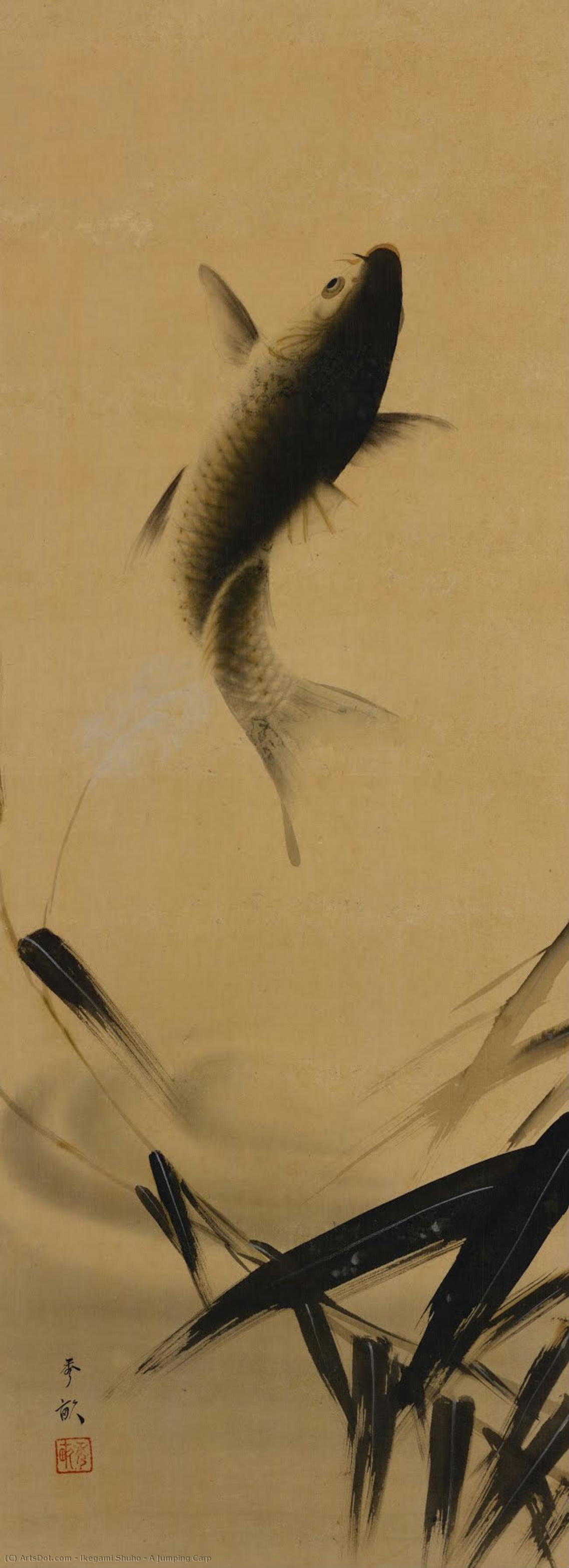
A Jumping Carp
 1930
1930 112.0 x 41.0 cm
 Национальный музей изящных искусств Тайваня
 Читать далее
Приобретите цифровое изображение высокого разрешения в улучшенном качестве, которое значительно превосходит онлайн-превью.
Каждый файл тщательно подготавливается нашими специалистами с использованием передовых инструментов и экспертной ручной ретуши. Мы гарантируем исключительную четкость, точную цветопередачу и детальную проработку каждого изображения.
Финальный файл доставляется по электронной почте в течение 72 часов и оптимизирован для немедленного использования в профессиональной среде, при верстке и печати. Это тот же уровень качества, которому доверяют ведущие дизайнерские студии, издательства и галереи.
Цифровое изображение
Скачайте файл высокого разрешения для личного использования, печати и творческих проектов. ( Перейти к печати Купить картину ручной работы)
Включено в каждый заказ цифровых изображений
Гарантия экспертной цифровой доставки
Выбирая ArtsDot.com, вы получаете не просто изображение — вы приобретаете профессионально обработанное цифровое произведение искусства, созданное с безупречной точностью и под защитой гарантии качества. Вот всё, что автоматически входит в ваш заказ:

Мгновенная доставка по e-mail
Ваш цифровой файл в высоком разрешении будет отправлен вам по электронной почте в течение 72 часов после оформления заказа — и сразу станет доступен для использования.

Цифровой файл с ИИ-улучшением
Ваше произведение искусства проходит профессиональную оптимизацию с использованием передовых инструментов ИИ и ручной обработки, что гарантирует максимальную детализацию, четкость и точность цветопередачи.

Бессрочная бесплатная повторная доставка
Случайно удалили или потеряли файл? Не беспокойтесь — мы отправим его вам повторно в любое время и совершенно бесплатно.

Без импортных пошлин — навсегда
Наслаждайтесь вашим произведением искусства мгновенно без таможенных пошлин, сборов или затрат на доставку — цифровые загрузки всегда не облагаются налогом.

Гарантия точности цветопередачи
Мы гарантируем, что ваше цифровое изображение максимально точно передает оригинальные цвета благодаря использованию профессиональных инструментов и систем управления цветом.

Гарантия удовлетворенности 100 дней
Если вы не будете удовлетворены своим цифровым изображением, мы внесем правки или вернем 100% стоимости в течение 100 дней — без лишних вопросов.

100% Гарантия возврата средств
Не удовлетворены покупкой? Получите полный возврат средств в течение 100 дней после получения цифрового файла — без лишних вопросов.

Скидки на оптовые заказы
Купите 3 изображения, сэкономьте 10% — Купите 5, сэкономьте 15% — Купите 10+, сэкономьте 20%. Отличное решение для творческих проектов, галерей и агентств.
Похожие произведения

Биография художника
Ikegami Shuho: A Master of Quiet Observation
Ikegami Shuho (1874-1944) stands as a compelling figure in the later development of Japanese painting, a testament to the enduring power of tradition within a rapidly changing artistic landscape. Born in Nagano Prefecture, his early life was steeped in the cultural practices of his family – a lineage involved in paper trading and deeply appreciative of art, poetry, and tea ceremony. This environment fostered an appreciation for meticulous observation and refined aesthetics that would profoundly shape his artistic journey. Shuho’s formative years were spent studying under Araki Kanpo, a pivotal figure in the burgeoning *Nihonga* (Japanese-style painting) movement, and he also immersed himself in the traditions of literati *nanga*, a style characterized by its understated elegance, emphasis on ink wash techniques, and focus on capturing the essence of nature. This dual influence – the direct guidance of a master and the absorption of a venerable artistic lineage – provided him with a unique foundation for his distinctive approach to painting.The Literati Influence and Early Career
Shuho’s artistic philosophy was deeply rooted in the principles of literati *nanga*, an aesthetic tradition that valued simplicity, spontaneity, and a profound connection with nature. Unlike the more overtly decorative tendencies prevalent in some contemporary Japanese art, Shuho sought to capture not just the appearance of his subjects but also their underlying spirit and atmosphere. This pursuit is evident in his masterful use of ink wash techniques – *sumi-e* – which allowed him to create subtle gradations of tone and texture, conveying a sense of depth and luminosity. He was particularly renowned for his exquisite depictions of birds and flowers, often rendered with remarkable detail and sensitivity. Shuho’s early career was marked by consistent success in prestigious exhibitions, including the Ministry of Education Art Exhibition (Bunten) where he secured three consecutive Tokusen prizes – the highest honor awarded at the time. These accolades reflected not only his technical skill but also the growing recognition of his artistic vision within the Japanese art world.A Conservative Voice Amidst Change
Despite his success, Shuho’s work is often categorized as belonging to the “old school” or conservative faction of *Nihonga* painting. This designation arose in contrast to the more experimental and innovative approaches championed by artists like Hishida Shunsō, who was born in the same year and represented a radically different artistic trajectory. While some critics dismissed Shuho’s work as outdated, a closer examination reveals a sophisticated understanding of composition, color theory, and brushwork—elements that were integral to his unique style. He wasn't simply replicating traditional motifs; he was reinterpreting them through a lens of personal observation and refined technique. His dedication to meticulous drawing from life and the study of old paintings formed the bedrock of his unparalleled world of bird-and-flower paintings, demonstrating a commitment to fundamental artistic principles.Exhibitions, Recognition, and Legacy
Throughout his career, Shuho’s work was exhibited extensively in Japan, solidifying his reputation as a leading figure in *Nihonga*. He served on the jury at the Imperial Art Academy Exhibition (Teiten), an institution that played a crucial role in shaping the direction of Japanese art. His exemption from the standard vetting process underscored his standing within the artistic community. A significant milestone in his career was the 2024 exhibition, “IKEGAMI SHŪHO: The Last Master of the Old School of Japanese Painting,” at the Nagano Prefectural Art Museum, which provided a comprehensive overview of his life and work, shedding new light on an artist who had previously been overshadowed by more contemporary movements. This retrospective highlighted Shuho’s enduring contributions to Japanese painting and prompted renewed interest in his art among scholars and collectors alike.The Enduring Appeal of Quiet Mastery
Ikegami Shuho's legacy lies not in revolutionary innovation but in the quiet mastery of traditional techniques and a profound appreciation for the beauty of the natural world. His paintings, characterized by their understated elegance, meticulous detail, and evocative atmosphere, continue to resonate with viewers today. He represents a vital link between Japan’s rich artistic past and its vibrant present, demonstrating that tradition can be both deeply rooted and remarkably adaptable. His work serves as a reminder of the value of observation, discipline, and a commitment to excellence—qualities that remain essential to any artist seeking to create works of lasting significance.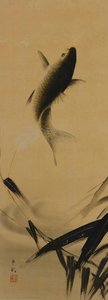
ikegami shuho
1944 , Japan
Основные сведения
- Artistic Movement Or Style: Literati nanga, Traditional Japanese art
- Artists Or Movements Influenced By This Artist: ['Early 20th-century Japan']
- Artists Who Influenced This Artist: ['Araki Kanpo']
- Date Of Birth: 1874, Nagano, Japan
- Date Of Death: 1944
- Full Name: Ikegami Shuho
- Nationality: Japanese
- Notable Artworks: ['A Jumping Carp']
- Place Of Birth: Nagano, Japan