

 Поделиться
 Поделиться
 Детали произведения

 Скачать
 Похожие работы
 Слайд-шоу
 Статистика
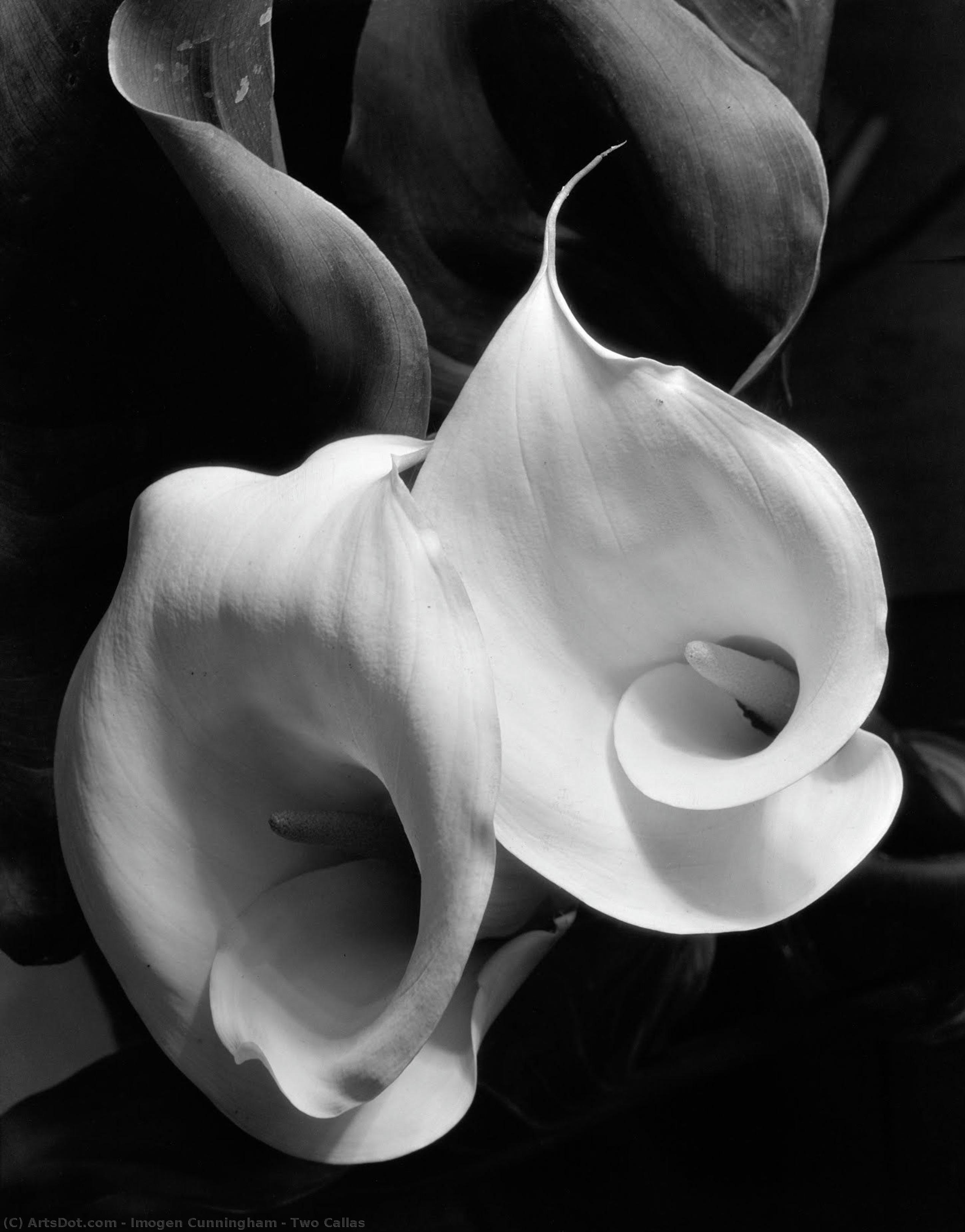
Two Callas
 Gelatin Silver Print
- Photo
- Modernism
 1925
1925- Modern
 50.0 x 40.0 cm
 Dulwich Picture Gallery
 Читать далее
Приобретите цифровое изображение высокого разрешения в улучшенном качестве, которое значительно превосходит онлайн-превью.
Каждый файл тщательно подготавливается нашими специалистами с использованием передовых инструментов и экспертной ручной ретуши. Мы гарантируем исключительную четкость, точную цветопередачу и детальную проработку каждого изображения.
Финальный файл доставляется по электронной почте в течение 72 часов и оптимизирован для немедленного использования в профессиональной среде, при верстке и печати. Это тот же уровень качества, которому доверяют ведущие дизайнерские студии, издательства и галереи.
Цифровое изображение
Скачайте файл высокого разрешения для личного использования, печати и творческих проектов. ( Перейти к печати Купить картину ручной работы)
Включено в каждый заказ цифровых изображений
Гарантия экспертной цифровой доставки
Выбирая ArtsDot.com, вы получаете не просто изображение — вы приобретаете профессионально обработанное цифровое произведение искусства, созданное с безупречной точностью и под защитой гарантии качества. Вот всё, что автоматически входит в ваш заказ:

Мгновенная доставка по e-mail
Ваш цифровой файл в высоком разрешении будет отправлен вам по электронной почте в течение 72 часов после оформления заказа — и сразу станет доступен для использования.

Цифровой файл с ИИ-улучшением
Ваше произведение искусства проходит профессиональную оптимизацию с использованием передовых инструментов ИИ и ручной обработки, что гарантирует максимальную детализацию, четкость и точность цветопередачи.

Бессрочная бесплатная повторная доставка
Случайно удалили или потеряли файл? Не беспокойтесь — мы отправим его вам повторно в любое время и совершенно бесплатно.

Без импортных пошлин — навсегда
Наслаждайтесь вашим произведением искусства мгновенно без таможенных пошлин, сборов или затрат на доставку — цифровые загрузки всегда не облагаются налогом.

Гарантия точности цветопередачи
Мы гарантируем, что ваше цифровое изображение максимально точно передает оригинальные цвета благодаря использованию профессиональных инструментов и систем управления цветом.

Гарантия удовлетворенности 100 дней
Если вы не будете удовлетворены своим цифровым изображением, мы внесем правки или вернем 100% стоимости в течение 100 дней — без лишних вопросов.

100% Гарантия возврата средств
Не удовлетворены покупкой? Получите полный возврат средств в течение 100 дней после получения цифрового файла — без лишних вопросов.

Скидки на оптовые заказы
Купите 3 изображения, сэкономьте 10% — Купите 5, сэкономьте 15% — Купите 10+, сэкономьте 20%. Отличное решение для творческих проектов, галерей и агентств.
The Elegance of Form: A Study in Light and Shadow
In the quiet, monochromatic world of Imogen Cunningham’s Two Callas, time seems to suspend itself. Created around 1925, this striking silver gelatin print transcends simple botanical documentation to become a profound meditation on shape and texture. The photograph captures two calla lilies in a moment of sculptural perfection, their pristine white petals emerging from an abyss of deep, velvety black. There is an undeniable intimacy in the way the lens approaches the subject; by tightly cropping the frame, Cunningham strips away the distractions of the natural world, leaving the viewer to confront the pure, organic geometry of the flowers themselves. The interplay of light and shadow is nothing short of dramatic, casting brilliant highlights along the curved edges of the petals while plunging the background into a mysterious, infinite void.
The composition is masterfully asymmetrical, creating a sense of rhythmic movement that guides the eye across the frame. One lily stands as a central protagonist, while its companion leans slightly away, their stems providing subtle linear contrasts to the soft, sweeping curves of the blooms. This tension between the fluid lines of the petals and the more rigid, structural elements of the leaves creates a dynamic visual energy. For the discerning collector or interior designer, this piece offers a sophisticated balance of organic grace and modernistic strength, making it an ideal focal point for spaces that value minimalist elegance and high-contrast drama.
A Legacy of Modernist Vision
To understand the brilliance of Two Callas, one must look to the pioneering spirit of Imogen Cunningham herself. A central figure in the American West Coast photography movement and a member of the legendary Group f/64, Cunningham was instrumental in shifting the photographic aesthetic away from the soft-focus, painterly style of Pictorialism toward a new, sharp-focus Modernism. Her technical mastery, rooted in her deep understanding of photographic chemistry, allowed her to manipulate light with surgical precision. In this work, we see the transition of photography from a medium of mere recording to one of high art, where the subject matter—though humble botanical specimens—is elevated through rigorous composition and tonal control.
Beyond its technical prowess, the photograph carries a profound emotional resonance. Calla lilies have long been symbols of purity, rebirth, and innocence, yet in Cunningham’s hands, they take on a more complex, perhaps even melancholic, character. The starkness of the black and white palette evokes a sense of timelessness and quietude, inviting a contemplative state of mind. Whether displayed in a contemporary gallery setting or as a centerpiece in a curated residential collection, Two Callas serves as a testament to the enduring power of simplicity. It is an exquisite example of how light, when captured with intention, can transform the ephemeral beauty of nature into a permanent, sculptural masterpiece.
Похожие произведения
Биография художника
Early Life and Artistic Awakening
Imogen Cunningham, a pioneering force in American photography, was born on April 12, 1883, in Portland, Oregon, into a large family of ten children. Her early life, marked by a move to Seattle in 1889, fostered an independent spirit and a keen observational eye. Though formal art education wasn’t prioritized within her upbringing, Cunningham pursued lessons independently, demonstrating an innate artistic inclination from a young age. A pivotal moment arrived in 1901 when, at the age of eighteen, she acquired her first camera – a 4x5 inch view camera purchased through mail order. This acquisition sparked a lifelong passion and led to the creation of a darkroom within the family woodshed, a space where she began to explore the nascent art form that would define her career. Her academic pursuits at the University of Washington, culminating in a chemistry degree in 1907 with a thesis focused on photographic processes, reveal an early understanding of the scientific underpinnings of her chosen medium. This blend of artistic sensibility and technical knowledge would become a hallmark of her work. A profound encounter with the photographs of Gertrude Käsebier proved particularly influential, solidifying Cunningham’s resolve to pursue photography as more than just a hobby.From Pictorialism to Modernist Vision
Cunningham's initial foray into professional photography involved an apprenticeship with Edward S. Curtis in Seattle, where she honed her skills in portraiture and mastered the intricate platinum printing technique while contributing to his monumental project documenting Native American cultures. She subsequently established her own studio, initially embracing the prevailing Pictorialist aesthetic – a style characterized by soft focus, staged compositions, and an attempt to emulate painting. Her work during this period garnered critical acclaim, but Cunningham’s artistic trajectory was far from settled. A period of study in Dresden, Germany, under Professor Robert Luther in 1909 further refined her technical expertise, particularly in photographic chemistry. However, it was the subsequent decades that witnessed a dramatic shift in her approach. Marriage to Roi Partridge in 1915 and the raising of three children coincided with a relocation to San Francisco in 1920, marking a turning point in both her personal and artistic life. While continuing portrait work, Cunningham began to explore botanical photography, captivated by the intricate details of flowers and plants. This fascination evolved into an exploration of industrial landscapes, documenting factories and urban scenes with a growing emphasis on sharp focus and unmanipulated imagery. The defining moment arrived with her association with Group f/64 in the 1930s – alongside luminaries like Ansel Adams and Edward Weston – a collective dedicated to “straight photography,” prioritizing clarity, precision, and a rejection of Pictorialist manipulation.A Legacy of Diverse Subjects and Technical Mastery
Throughout her long and prolific career, Imogen Cunningham demonstrated an extraordinary versatility, seamlessly transitioning between diverse subjects while maintaining a consistent commitment to technical excellence. She revisited portraiture, famously photographing the hands of artists and musicians – capturing not just likenesses but also revealing character through gesture and form. Her work for *Vanity Fair* magazine allowed her to portray celebrities without artifice, presenting them in their natural state. However, it was perhaps her botanical studies that cemented her reputation as a master photographer. Images like “Rubber Plant 3” (1929) and “Money Plant” (1956) are iconic examples of her ability to transform ordinary subjects into extraordinary works of art, revealing the inherent beauty and complexity of the natural world through meticulous detail and dramatic lighting. Cunningham’s style was characterized by a masterful command of light and shadow, a keen eye for composition, and an unwavering dedication to sharpness and clarity. She didn't merely record what she saw; she interpreted it, imbuing her photographs with a sense of emotional resonance and intellectual depth.Historical Significance and Enduring Influence
Imogen Cunningham’s contributions to American photography are immense and far-reaching. A true innovator, she navigated the evolving landscape of the medium, embracing both the artistic aspirations of Pictorialism and the modernist principles of straight photography. Her work challenged conventional notions of beauty and expanded the boundaries of photographic expression. The establishment of the Imogen Cunningham Trust in 1975 underscored her commitment to preserving and promoting her legacy for future generations. Though she passed away in 1976, her influence continues to resonate with photographers today. She stands as a testament to the power of artistic vision, technical skill, and unwavering dedication – a pioneering figure who helped shape the development of photographic art and left an indelible mark on the history of visual culture. Her ability to find beauty in the mundane, to reveal the extraordinary within the ordinary, remains a source of inspiration for artists and viewers alike. Cunningham’s work is not simply about what she photographed; it's about how she saw the world.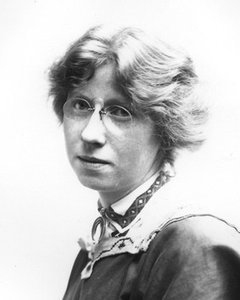
Imogen Cunningham
1883 - 1976