

 Предпросмотр
 Поделиться
 Поделиться
 Детали произведения

 Скачать
 Похожие работы
 Рентгенография
 Слайд-шоу
 Статистика
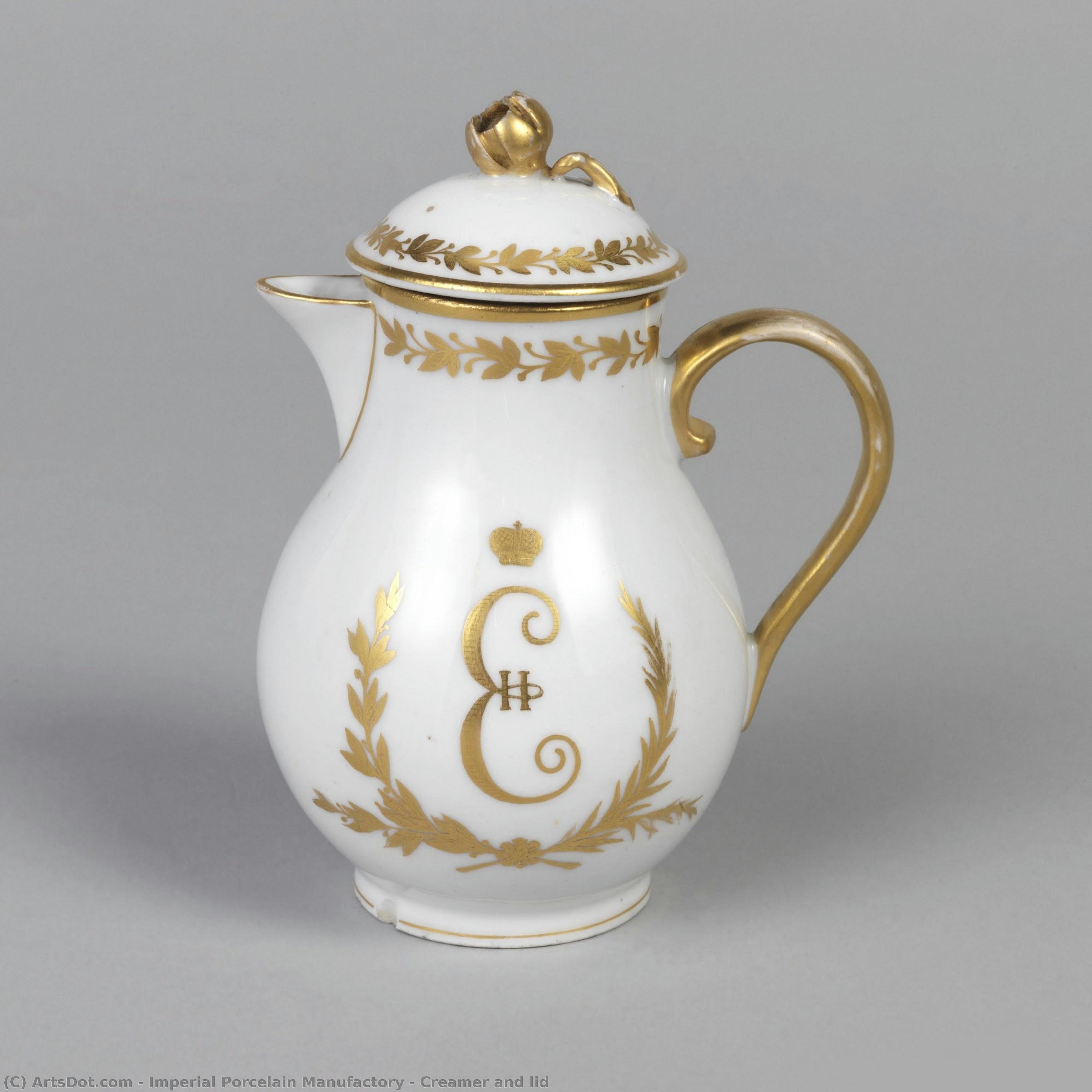
Creamer and lid

 Читать далее
Приобретите цифровое изображение высокого разрешения в улучшенном качестве, которое значительно превосходит онлайн-превью.
Каждый файл тщательно подготавливается нашими специалистами с использованием передовых инструментов и экспертной ручной ретуши. Мы гарантируем исключительную четкость, точную цветопередачу и детальную проработку каждого изображения.
Финальный файл доставляется по электронной почте в течение 72 часов и оптимизирован для немедленного использования в профессиональной среде, при верстке и печати. Это тот же уровень качества, которому доверяют ведущие дизайнерские студии, издательства и галереи.
Цифровое изображение
Скачайте файл высокого разрешения для личного использования, печати и творческих проектов. ( Перейти к печати Купить картину ручной работы)
Включено в каждый заказ цифровых изображений
Гарантия экспертной цифровой доставки
Выбирая ArtsDot.com, вы получаете не просто изображение — вы приобретаете профессионально обработанное цифровое произведение искусства, созданное с безупречной точностью и под защитой гарантии качества. Вот всё, что автоматически входит в ваш заказ:

Мгновенная доставка по e-mail
Ваш цифровой файл в высоком разрешении будет отправлен вам по электронной почте в течение 72 часов после оформления заказа — и сразу станет доступен для использования.

Цифровой файл с ИИ-улучшением
Ваше произведение искусства проходит профессиональную оптимизацию с использованием передовых инструментов ИИ и ручной обработки, что гарантирует максимальную детализацию, четкость и точность цветопередачи.

Бессрочная бесплатная повторная доставка
Случайно удалили или потеряли файл? Не беспокойтесь — мы отправим его вам повторно в любое время и совершенно бесплатно.

Без импортных пошлин — навсегда
Наслаждайтесь вашим произведением искусства мгновенно без таможенных пошлин, сборов или затрат на доставку — цифровые загрузки всегда не облагаются налогом.

Гарантия точности цветопередачи
Мы гарантируем, что ваше цифровое изображение максимально точно передает оригинальные цвета благодаря использованию профессиональных инструментов и систем управления цветом.

Гарантия удовлетворенности 100 дней
Если вы не будете удовлетворены своим цифровым изображением, мы внесем правки или вернем 100% стоимости в течение 100 дней — без лишних вопросов.

100% Гарантия возврата средств
Не удовлетворены покупкой? Получите полный возврат средств в течение 100 дней после получения цифрового файла — без лишних вопросов.

Скидки на оптовые заказы
Купите 3 изображения, сэкономьте 10% — Купите 5, сэкономьте 15% — Купите 10+, сэкономьте 20%. Отличное решение для творческих проектов, галерей и агентств.
Похожие произведения







Биография художника
The Imperial Legacy: A Journey Through Russia’s Porcelain Masters
Nestled within the opulent heart of Saint Petersburg, the Imperial Porcelain Manufactory stands as a testament to centuries of artistic dedication and royal patronage. Established in 1744 by Dmitry Ivanovich Vinogradov under the auspices of Empress Elizabeth, this venerable institution has not merely produced exquisite ceramics; it has shaped Russian art history, reflecting the evolving tastes, political currents, and cultural aspirations of the nation. More than just a factory, it’s a living chronicle of Russia's imperial ambitions, artistic evolution, and enduring legacy in the world of fine arts.
Initially known as the Lomonosov Porcelain Factory – a nod to the influential scientist Mikhail Lomonosov who provided crucial technical expertise – the enterprise quickly gained prominence under Elizabeth’s watchful eye. The early years were marked by an ambitious pursuit of replicating the coveted hard-paste porcelain pioneered in Saxony, Germany. Vinogradov's meticulous study of European techniques, combined with access to Russian mineral resources, culminated in a factory capable of producing remarkably high-quality ceramics. These initial wares, largely destined for royal collections and diplomatic gifts, showcased a refined elegance, often mirroring the styles prevalent in Meissen, but imbued with a distinctly Russian sensibility.
A Royal Patronage: Catherine the Great and Artistic Flourishing
The reign of Catherine the Great (1762-1796) proved to be a golden age for the Imperial Porcelain Factory. Recognizing its potential as both an artistic center and a symbol of imperial power, she bestowed upon it unprecedented support, transforming it into a cornerstone of St. Petersburg’s cultural landscape. Under her influence, the factory's output diversified dramatically, moving beyond purely ceremonial pieces to encompass a wider range of decorative subjects. Notably, the factory began producing figures depicting Russian national types – peasants, Cossacks, and ethnic minorities – reflecting Catherine’s interest in promoting a unified national identity. These works, meticulously modeled after engravings from Johann Gottlieb Georghi's “Description if All the Peoples Inhabiting the Russian State,” became iconic representations of Russian culture, solidifying the factory’s role as a chronicler of the empire.
This period also witnessed significant stylistic developments. The influence of Neoclassicism, championed by Catherine herself, permeated the factory's designs, resulting in grand vases adorned with intricate floral motifs and allegorical scenes. Simultaneously, the factory continued to draw inspiration from Chinese porcelain, adapting its techniques and aesthetics to create a unique blend of European sophistication and Eastern artistry.
The Rise of Moritz Michael Daffinger: A Viennese Master
The late 18th and early 19th centuries saw the arrival of Moritz Michael Daffinger (1790-1849), an Austrian Biedermeier painter renowned for his exquisite miniature portraits and delicate flower paintings. Appointed as a chief designer at the Imperial Porcelain Factory in 1829, Daffinger revolutionized the factory’s aesthetic with his mastery of detail and naturalism. His influence is particularly evident in the factory's production of floral motifs – roses, lilies, and irises – rendered with breathtaking precision and realism. His work also extended to portraiture, introducing a new level of sophistication to the factory’s repertoire. Remarkably, Daffinger’s portrait even graced the 20 Schilling banknote issued by Austria in 1849, further cementing his legacy as a master artist.
From Propaganda to Socialist Realism: A Century of Transformation
Following the Russian Revolution of 1917, the Imperial Porcelain Factory underwent a dramatic transformation. Initially renamed the Lomonosov Porcelain Factory, it continued to produce ceramics during World War I, supplying essential crockery for hospitals and military personnel. In the subsequent years, under Soviet rule, the factory embraced socialist realism, producing propaganda pieces depicting workers, peasants, and heroic figures of the revolution. These works, characterized by bold colors and simplified forms, served as powerful tools for promoting communist ideology. Despite this shift in artistic direction, the factory retained its reputation for technical excellence and craftsmanship.
In 2005, after decades of Soviet rule, the factory was restored to its original name – Imperial Porcelain Manufactory – marking a symbolic return to its imperial heritage. Today, the factory continues to produce exquisite porcelain wares, blending traditional techniques with contemporary designs, ensuring that this remarkable institution remains at the forefront of Russian art and craftsmanship.
A Legacy Enduring: Collections and Continued Significance
The Imperial Porcelain Manufactory’s impact extends far beyond its own walls. Its creations have graced palaces worldwide, including those in St. Petersburg, Moscow, and other imperial residences. The factory's works are now housed in prestigious museums around the globe, including the Metropolitan Museum of Art in New York and numerous collections in Russia. The enduring appeal of Imperial Porcelain lies not only in its aesthetic beauty but also in its historical significance – a tangible link to Russia’s rich cultural heritage and imperial past. The factory continues to be a vital part of St. Petersburg's artistic landscape, preserving traditions while embracing innovation, ensuring that the legacy of the Imperial Porcelain Manufactory will continue to inspire for generations to come.
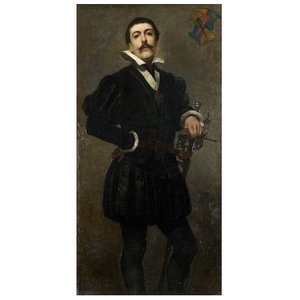
imperial porcelain manufactory
1744 - , Russia
Основные сведения
- Artistic Movement Or Style: Hand-painted ceramics
- Artists Or Movements Influenced By This Artist:
- Meissen porcelain
- Chinese porcelain
- Artists Who Influenced This Artist: ['Dmitry Ivanovich Vinogradov']
- Date Of Birth: 1744, Saint Petersburg
- Date Of Death: Living
- Full Name: Imperial Porcelain Manufactory
- Nationality: Russian
- Notable Artworks:
- Creamer and lid
- Candelabra from the Order...
- Imperial Porcelain Manufactory
- Place Of Birth: Saint Petersburg, Russia