

 Предпросмотр
 Поделиться
 Поделиться
 Детали произведения

 Скачать
 Похожие работы
 Рентгенография
 Слайд-шоу
 Статистика
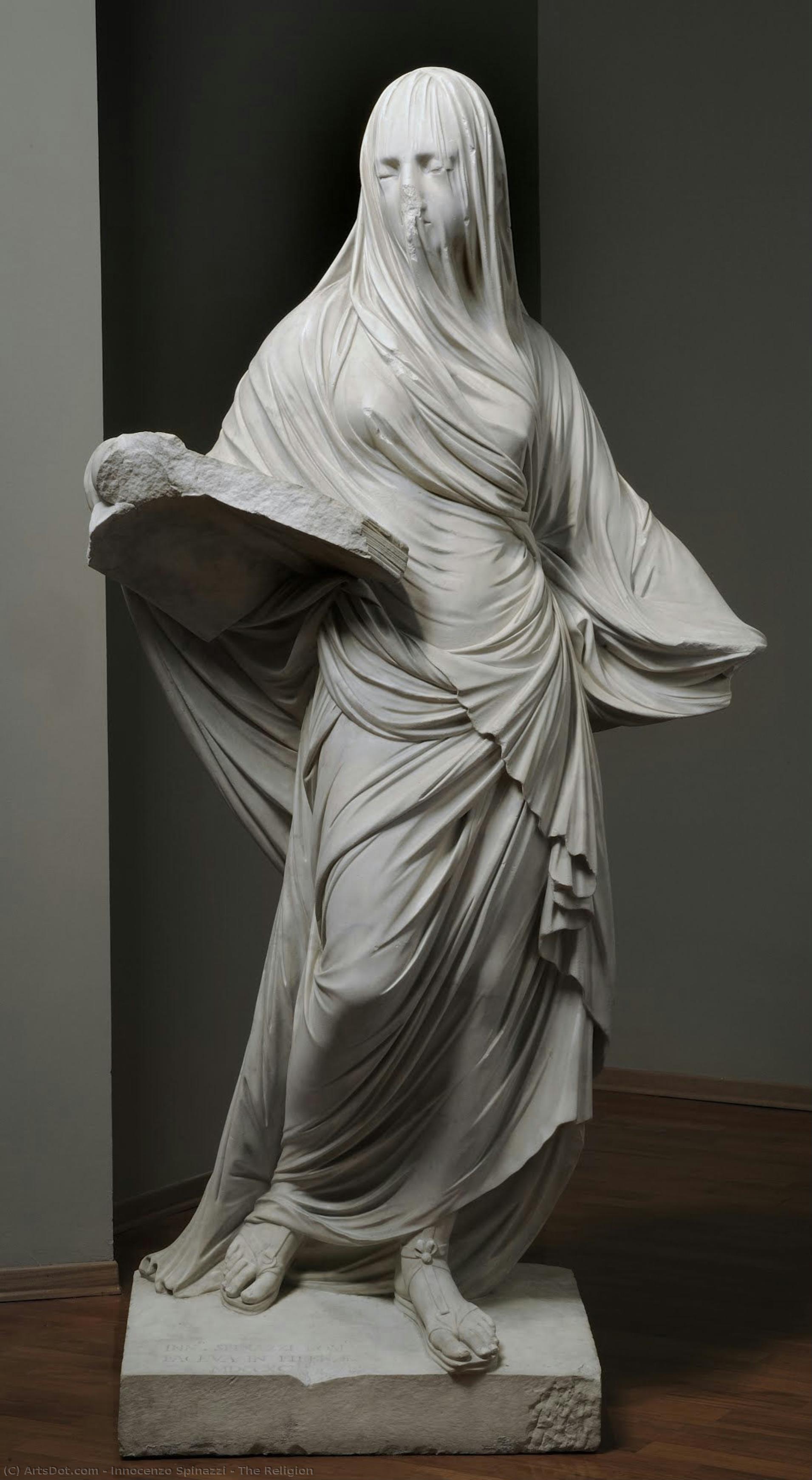
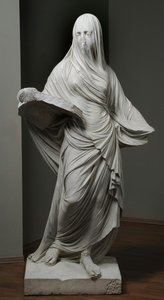
The Religion
 Neoclassicism
 115.0 x 215.0 cm
 Galleria Civica di Arte Moderna e Contemporanea Torino
 Читать далее
Приобретите цифровое изображение высокого разрешения в улучшенном качестве, которое значительно превосходит онлайн-превью.
Каждый файл тщательно подготавливается нашими специалистами с использованием передовых инструментов и экспертной ручной ретуши. Мы гарантируем исключительную четкость, точную цветопередачу и детальную проработку каждого изображения.
Финальный файл доставляется по электронной почте в течение 72 часов и оптимизирован для немедленного использования в профессиональной среде, при верстке и печати. Это тот же уровень качества, которому доверяют ведущие дизайнерские студии, издательства и галереи.
Цифровое изображение
Скачайте файл высокого разрешения для личного использования, печати и творческих проектов. ( Перейти к печати Купить картину ручной работы)
Включено в каждый заказ цифровых изображений
Гарантия экспертной цифровой доставки
Выбирая ArtsDot.com, вы получаете не просто изображение — вы приобретаете профессионально обработанное цифровое произведение искусства, созданное с безупречной точностью и под защитой гарантии качества. Вот всё, что автоматически входит в ваш заказ:

Мгновенная доставка по e-mail
Ваш цифровой файл в высоком разрешении будет отправлен вам по электронной почте в течение 72 часов после оформления заказа — и сразу станет доступен для использования.

Цифровой файл с ИИ-улучшением
Ваше произведение искусства проходит профессиональную оптимизацию с использованием передовых инструментов ИИ и ручной обработки, что гарантирует максимальную детализацию, четкость и точность цветопередачи.

Бессрочная бесплатная повторная доставка
Случайно удалили или потеряли файл? Не беспокойтесь — мы отправим его вам повторно в любое время и совершенно бесплатно.

Без импортных пошлин — навсегда
Наслаждайтесь вашим произведением искусства мгновенно без таможенных пошлин, сборов или затрат на доставку — цифровые загрузки всегда не облагаются налогом.

Гарантия точности цветопередачи
Мы гарантируем, что ваше цифровое изображение максимально точно передает оригинальные цвета благодаря использованию профессиональных инструментов и систем управления цветом.

Гарантия удовлетворенности 100 дней
Если вы не будете удовлетворены своим цифровым изображением, мы внесем правки или вернем 100% стоимости в течение 100 дней — без лишних вопросов.

100% Гарантия возврата средств
Не удовлетворены покупкой? Получите полный возврат средств в течение 100 дней после получения цифрового файла — без лишних вопросов.

Скидки на оптовые заказы
Купите 3 изображения, сэкономьте 10% — Купите 5, сэкономьте 15% — Купите 10+, сэкономьте 20%. Отличное решение для творческих проектов, галерей и агентств.
Похожие произведения
Биография художника
The Master of Marble: The Life and Legacy of Innocenzo Spinazzi
In the luminous era of the Italian Enlightenment, few hands could manipulate the cold rigidity of Carrara marble with as much grace and spiritual depth as Innocenzo Spinazzi. Born in Rome in 1726 to a family of skilled silversmiths, his very lineage whispered of a destiny entwined with fine craftsmanship and meticulous detail. This early exposure to the delicate art of metalwork likely informed the breathtaking precision he would later bring to stone, allowing him to achieve textures so lifelike they seemed to breathe. Trained under the esteemed Giovanni Battista Maini, Spinazzi absorbed the grand traditions of Roman sculpture, yet he possessed a unique vision that would eventually lead him away from the shadows of his predecessors and toward a brilliant, independent light in Florence.
Spinazzi’s ascent began with a profound display of Baroque mastery in Rome. His monumental statue of St. Joseph Calasanctius, completed in 1755 for the nave of St. Peter’s Basilica, served as a definitive declaration of his talent. This work demonstrated not only his technical command over massive sculptural forms but also his ability to infuse heavy marble with a sense of divine movement and spiritual gravity. It was this early success that prepared him for his transformative move to Florence in 1769, a city that would become the stage for his most enduring triumphs.
A Florentine Triumph and the Court of the Lorraine
Upon arriving in Florence, Spinazzi’s career underwent a meteoric expansion. The artistic landscape of the city, under the enlightened patronage of Leopold II, offered him an unparalleled opportunity to merge classical reverence with contemporary elegance. His appointment as the official court sculptor for the Lorraine dynasty in 1770 was more than a professional milestone; it was a cultural mandate. Tasked with revitalizing the city's heritage, Spinazzi undertook the delicate and scholarly work of restoring antique sculptures within the prestigious Medici collections, a feat that required him to be both an artist and an archaeologist.
His ability to capture the essence of the individual was perhaps most evident in his portraiture. His bust of Grand Duke Leopold II stands as a testament to his psychological acuity, capturing a likeness that is simultaneously regal and deeply human. Beyond the court, Spinazzi became a pillar of Florentine civic identity. He was commissioned to create monumental tombs for some of the city's most celebrated figures within the Basilica of Santa Croce, including works for the jurist Giovanni Lami, Angelo Tavanti, and the legendary author Niccolò Machiavelli. Through these monuments, Spinazzi did not merely honor the dead; he sculpted the very history of Florence into the stone of its most sacred spaces.
The Ethereal Veil: Technique and Symbolism
Perhaps the most captivating aspect of Spinazzi’s oeuvre is his mastery of the "veiled" technique, a virtuoso display of skill that evokes a sense of mystery and profound emotion. Drawing inspiration from the precedents set by masters like Antonio Corradini, Spinazzi pushed the boundaries of what marble could represent. His works Faith (1781) and Religion are breathtaking examples of this aesthetic. In these sculptures, the stone ceases to be hard; it becomes soft, translucent, and fluid, mimicking the delicate folds of fine fabric draped over a human form.
This mastery served a higher symbolic purpose. The heavy, flowing drapery in his figures often acted as a metaphor for the hidden mysteries of the divine and the sanctity of the soul. In Religion, created for the tomb of the Russian ambassador's wife, the interplay of light and shadow across the carved folds creates a mournful, sublime charm that aligns perfectly with Winckelmann’s concept of "noble simplicity." As a professor at the Academy of Fine Arts in Florence from 1784, Spinazzi passed this legacy of technical brilliance and emotional depth to a new generation, ensuring that his contribution to the Rococo and Neoclassical transition would endure long after his death in 1798.
Innocenzo Spinazzi
1726 - 1798 , Italy
Основные сведения
- Artistic Movement Or Style: Rococo
- Artists Or Movements Influenced By This Artist: ['Antonio Corradini']
- Artists Who Influenced This Artist:
- Giovanni Battista Maini
- Gian Lorenzo Bernini
- Date Of Birth: Rome, Italy (1726)
- Date Of Death: Florence, Italy (1798)
- Full Name: Innocenzo Spinazzi
- Nationality: Italian
- Notable Artworks:
- Faith
- The Religion
- Place Of Birth: Rome