

 Предпросмотр
 Поделиться
 Поделиться
 Детали произведения

 Скачать
 Похожие работы
 Рентгенография
 Слайд-шоу
 Статистика
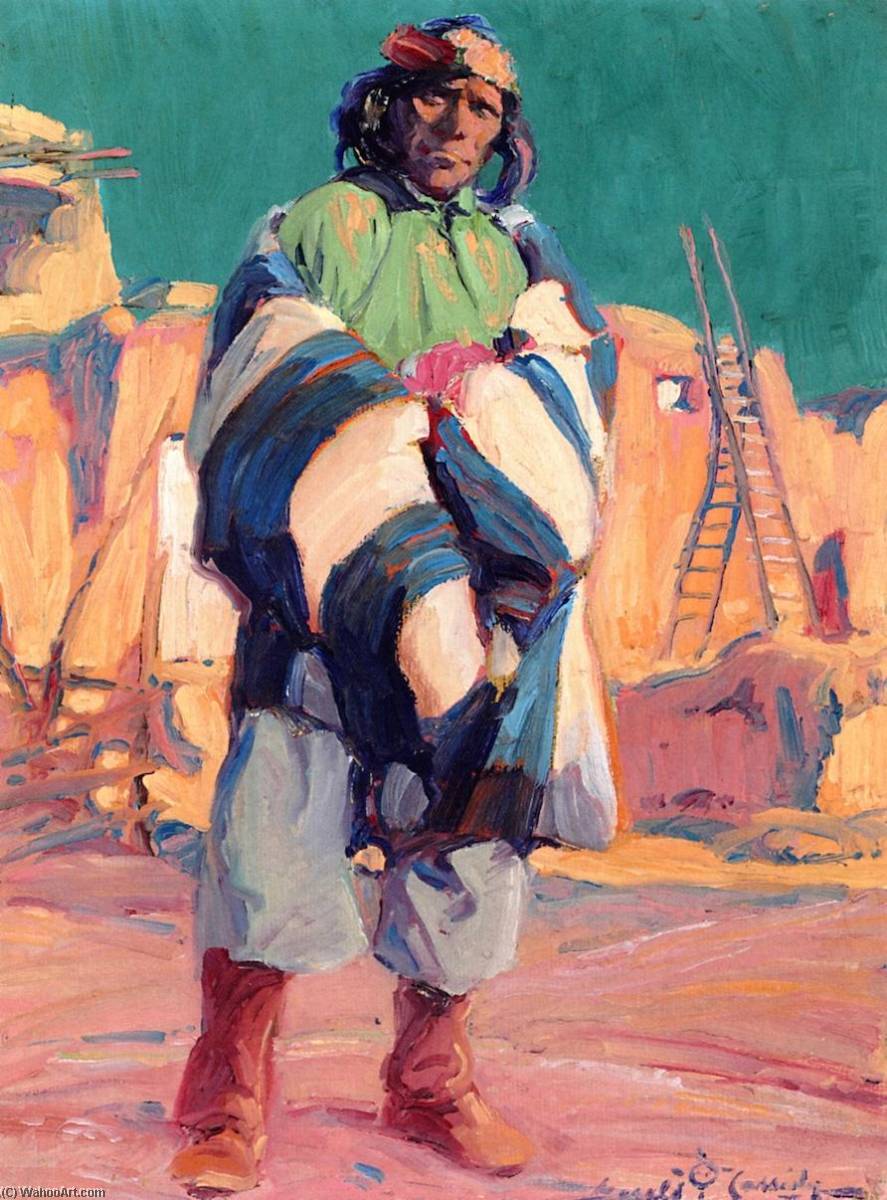
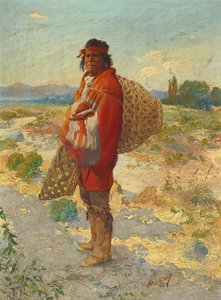
Jemez Indian

 Читать далее
Жикле / Арт-принт
Печать (жикле) или холст музейного качества с быстрыми сроками изготовления и широким выбором вариантов отделки. ( Купить картину ручной работы Перейти к цифровым изображениям)




































Выберите один из наших стандартных размеров, соответствующих оригинальным пропорциям произведения искусства.

Вы можете указать свои собственные размеры, чтобы репродукция идеально подошла под конкретную раму или пространство. Если выбранный вами размер не будет соответствовать пропорциям оригинала, мы либо обрежем произведение, либо дополним изображение зеркальным отражением краев или однотонной заливкой. Перед началом производства вам будет отправлен цифровой макет для утверждения.
Пожалуйста, обратите внимание, что предварительный просмотр на экране не отображает фактическую обрезку или расширение изображения. Только макет точно покажет финальную композицию.
Несмотря на возможность заказа индивидуальных размеров, мы рекомендуем выбирать размер из предопределенного списка, чтобы сохранить оригинальные пропорции.
Доставка по всему миру () за 2 недели вместо стандартных 4/5 недель. (11 Сентябрь)

Бесплатная экспресс-доставка по всему миру

Высококачественный льняной холст

Полное страхование доставки

Гарантия возмещения таможенных пошлин

Гарантия точного соответствия цветов

100-дневная политика возврата (только при обнаружении дефектов)

Гарантия возврата 100% средств

Предложение оптовых скидок
 Вариант со стеклом доступен только для размеров менее 110 см

Jemez Indian
Жикле / Арт-принт
Размер репродукции
-


Итоговая стоимость
$ 62
Похожие произведения
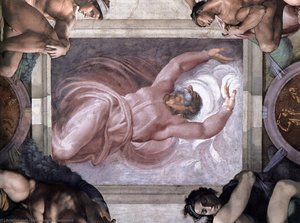

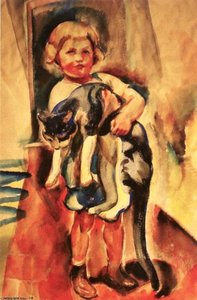
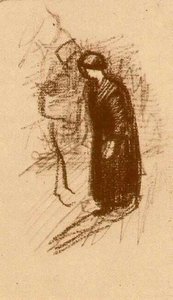
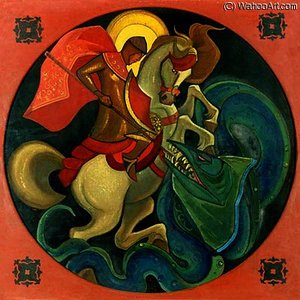
Биография художника
Henri Matisse: A Revolutionary of Color
Henri Matisse, born December 31st, 1869, in Le Cateau, France, wasn’t initially destined for a life immersed in art. His early years were marked by a quiet, almost reluctant interest, a stark contrast to the vibrant and expressive world he would ultimately create. Initially pursuing a career as a lawyer, Matisse only embraced painting at the age of twenty-one, a pivotal shift that would reshape not just his own destiny but also the course of 20th-century art. His journey began with traditional academic training – attending the École Quentin-Latour and later the prestigious École des Beaux-Arts in Paris – yet he quickly outgrew these constraints, seeking a new language to communicate through color and form.
Matisse’s formative years were shaped by the artistic currents of his time. He absorbed influences from a diverse range of movements, including Neoclassicism, Impressionism, and Post-Impressionism. However, it was the burgeoning Fauvist movement that truly ignited his creative spirit. This radical approach, characterized by bold, non-naturalistic colors and flattened forms, represented a decisive break from academic tradition. The vibrant hues he employed – shocking reds, intense blues, and luminous yellows – were not intended to mimic reality but rather to convey emotion and subjective experience. His early works, such as *Woman with a Hat* (1905) and *The Joy of Life* (1906), exemplify this newfound freedom, showcasing his willingness to challenge established norms and explore the expressive potential of color.
The Fauvist Period and Early Innovations
Matisse’s embrace of Fauvism marked a turning point in his artistic development. He collaborated closely with artists like André Derain and Maurice de Vlaminck, sharing ideas and experimenting with new techniques. The Salon d'Automne of 1905, where these works were exhibited, caused a sensation – both critical acclaim and considerable controversy. Critics were initially bewildered by the intensity of the colors and the seemingly arbitrary arrangement of forms, dubbing the group “wild beasts.” Yet, this very reaction fueled Matisse’s confidence and solidified his position as a leading figure in the movement.
During this period, Matisse began to develop a distinctive style characterized by simplified shapes, bold outlines, and a deliberate flattening of perspective. He moved away from traditional techniques of shading and modeling, opting instead for pure color applied directly to the canvas. This approach created a sense of immediacy and dynamism, capturing the essence of his subjects rather than meticulously rendering their details. *Dance* (1909–10) and *La Danse* (1910-12), with their rhythmic compositions and vibrant palette, are prime examples of this innovative style.
Mediterranean Influence and a Mature Style
In 1917, Matisse sought refuge from the turmoil of World War I in Nice, on the French Riviera. This move proved transformative, profoundly influencing his artistic vision. The warm light, vibrant colors, and relaxed atmosphere of the Mediterranean landscape provided a new source of inspiration. He began to explore themes of leisure, beauty, and sensuality, often depicting scenes of everyday life – picnics, gardens, and seaside gatherings.
Following the war, Matisse’s style evolved further, becoming increasingly refined and decorative. He developed a rigorous system of composition based on geometric principles, creating works that were both visually striking and intellectually stimulating. *The Red Studio* (1918) is perhaps his most famous example of this mature style, showcasing his mastery of color and form. He continued to experiment with various media, including printmaking and paper cutouts, demonstrating a remarkable versatility and a lifelong commitment to artistic exploration.
Beyond Painting: Collage and the Legacy of Color
As Matisse aged, he faced increasing physical limitations that restricted his ability to paint. However, this did not diminish his creative spirit. Instead, he turned to paper cutouts – intricate compositions created by arranging brightly colored pieces of paper on a surface and then cutting them out. These works, often characterized by their playful rhythms and delicate details, represent a remarkable achievement in his later years.
Henri Matisse’s legacy extends far beyond the canvases he painted. His revolutionary use of color, his innovative approach to composition, and his unwavering commitment to artistic expression have had a profound impact on generations of artists. He is remembered not only as one of the founders of Fauvism but also as a pivotal figure in the development of modern art, whose bold vision continues to inspire and captivate audiences today. His work remains a testament to the power of color to evoke emotion, stimulate the imagination, and transform our perception of the world.
ira diamond gerald cassidy
1869 - 1934 , United States of America
Основные сведения
- Artistic Movement Or Style:
- Fauvism
- Modernism
- Artists Or Movements Influenced By This Artist: ['Pablo Picasso']
- Artists Who Influenced This Artist:
- William-Adolphe Bouguereau
- Paul Cézanne
- Date Of Birth: December 31, 1869
- Date Of Death: November 3, 1954
- Full Name: Henri-Émile-Benoît Matisse
- Nationality: French
- Notable Artworks:
- The Red Studio
- Dance (Matisse)
- Blue Nude
- Place Of Birth: Le Cateau, Picardy, France