

 Предпросмотр
 Поделиться
 Поделиться
 Детали произведения

 Скачать
 Похожие работы
 Рентгенография
 Слайд-шоу
 Статистика
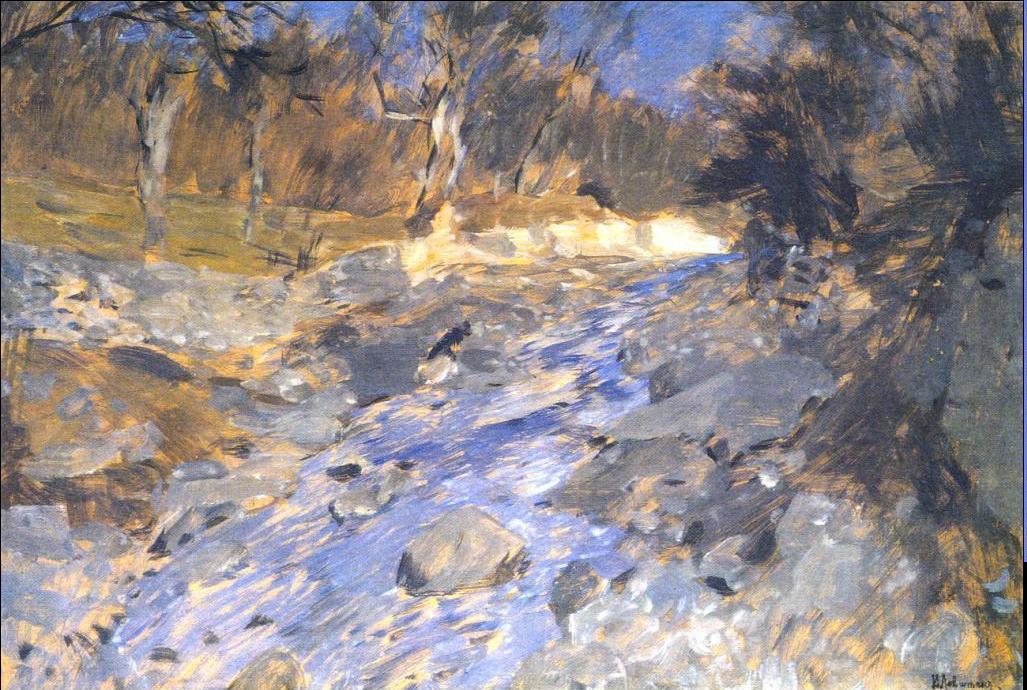
Springtime in the Crimea
 Oil On Panel
- Russian Landscape Painting
 1900
1900 55.0 x 72.0 cm
 Третьяковская галерея
 Читать далее
Приобретите цифровое изображение высокого разрешения в улучшенном качестве, которое значительно превосходит онлайн-превью.
Каждый файл тщательно подготавливается нашими специалистами с использованием передовых инструментов и экспертной ручной ретуши. Мы гарантируем исключительную четкость, точную цветопередачу и детальную проработку каждого изображения.
Финальный файл доставляется по электронной почте в течение 72 часов и оптимизирован для немедленного использования в профессиональной среде, при верстке и печати. Это тот же уровень качества, которому доверяют ведущие дизайнерские студии, издательства и галереи.
Цифровое изображение
Скачайте файл высокого разрешения для личного использования, печати и творческих проектов. ( Перейти к печати Купить картину ручной работы)
Включено в каждый заказ цифровых изображений
Гарантия экспертной цифровой доставки
Выбирая ArtsDot.com, вы получаете не просто изображение — вы приобретаете профессионально обработанное цифровое произведение искусства, созданное с безупречной точностью и под защитой гарантии качества. Вот всё, что автоматически входит в ваш заказ:

Мгновенная доставка по e-mail
Ваш цифровой файл в высоком разрешении будет отправлен вам по электронной почте в течение 72 часов после оформления заказа — и сразу станет доступен для использования.

Цифровой файл с ИИ-улучшением
Ваше произведение искусства проходит профессиональную оптимизацию с использованием передовых инструментов ИИ и ручной обработки, что гарантирует максимальную детализацию, четкость и точность цветопередачи.

Бессрочная бесплатная повторная доставка
Случайно удалили или потеряли файл? Не беспокойтесь — мы отправим его вам повторно в любое время и совершенно бесплатно.

Без импортных пошлин — навсегда
Наслаждайтесь вашим произведением искусства мгновенно без таможенных пошлин, сборов или затрат на доставку — цифровые загрузки всегда не облагаются налогом.

Гарантия точности цветопередачи
Мы гарантируем, что ваше цифровое изображение максимально точно передает оригинальные цвета благодаря использованию профессиональных инструментов и систем управления цветом.

Гарантия удовлетворенности 100 дней
Если вы не будете удовлетворены своим цифровым изображением, мы внесем правки или вернем 100% стоимости в течение 100 дней — без лишних вопросов.

100% Гарантия возврата средств
Не удовлетворены покупкой? Получите полный возврат средств в течение 100 дней после получения цифрового файла — без лишних вопросов.

Скидки на оптовые заказы
Купите 3 изображения, сэкономьте 10% — Купите 5, сэкономьте 15% — Купите 10+, сэкономьте 20%. Отличное решение для творческих проектов, галерей и агентств.
A Symphony of Spring: Isaak Levitan’s “Springtime in the Crimea”
Isaak Ilyich Levitan's "Springtime in the Crimea," painted in 1900, isn’t merely a landscape; it’s a distillation of Russian soul. More than just a depiction of a Crimean valley, this oil-on-panel masterpiece captures a profound sense of longing and tranquility—a feeling deeply rooted in Levitan's own life and the artistic currents of his time. The painting unfolds like a memory, imbued with the melancholic beauty characteristic of the artist’s signature style, often referred to as “moodscapes.” It invites the viewer into a serene world where nature holds both solace and a subtle undercurrent of sadness.
Levitan's artistic journey was profoundly shaped by his early life in Kyiv and later Moscow. The loss of his parents at a young age instilled within him a sensitivity to the ephemeral beauty of the natural world, a theme that consistently resonated throughout his work. This emotional depth is palpable in “Springtime in the Crimea,” where the muted palette—dominated by soft blues, greens, and browns—evokes not just visual harmony but also a quiet introspection. The painting’s composition draws us into a gently sloping valley, framed by trees that seem to lean towards the river, creating an illusion of depth and inviting the eye to wander through the scene.
The Impressionistic Technique & Crimean Setting
Technically, “Springtime in the Crimea” exemplifies Levitan’s mastery of impressionism. He employed loose brushstrokes and a broken color technique—applying paint in small, distinct dabs rather than blending them seamlessly—to capture the fleeting effects of light and atmosphere. This approach is particularly evident in the dappled sunlight filtering through the trees, creating an almost shimmering quality on the water’s surface. The artist skillfully used atmospheric perspective, with distant elements rendered in paler hues to suggest depth and distance. The choice of Crimea itself was significant; it offered Levitan a connection to his family heritage and provided a dramatic backdrop for exploring themes of nature, memory, and the passage of time.
The Crimean landscape—a region known for its diverse beauty, from rugged mountains to fertile valleys—provided an ideal setting for Levitan’s explorations. He frequently depicted scenes of rural life and natural landscapes, often imbued with a sense of nostalgia and melancholy. “Springtime in the Crimea” is not simply a record of a particular place; it's a meditation on the relationship between humanity and nature, reflecting a growing interest in capturing subjective experience within the realm of art.
Symbolism & Emotional Resonance
Beyond its technical brilliance, “Springtime in the Crimea” is rich in symbolic meaning. The flowing river represents the passage of time and the cyclical nature of life, while the trees symbolize resilience and endurance. The figures glimpsed in the distance—likely villagers enjoying a peaceful afternoon—suggest a connection to community and tradition. However, there’s an underlying sense of solitude and wistfulness, hinting at the transient beauty of the moment and the inevitability of change. The painting's overall mood is one of quiet contemplation, inviting viewers to pause and reflect on their own experiences with nature and memory.
Levitan’s ability to evoke such profound emotions through his landscapes speaks to his deep understanding of human psychology. “Springtime in the Crimea” isn’t just a pretty picture; it's a window into the artist’s soul, offering a glimpse of his own longing for connection and his appreciation for the beauty of the natural world. It remains a powerful testament to the enduring legacy of one of Russia’s greatest landscape painters.
Artistic Details & Availability
This oil-on-panel painting measures 55 x 72 cm and is currently housed within the esteemed collection at the Tretyakov Gallery in Moscow, Russia. The use of a panel medium contributes to the painting’s textured surface and rich color saturation. The meticulous detail in rendering the foliage and water reflects Levitan's dedication to capturing the nuances of light and atmosphere. For those seeking a high-quality reproduction or original artwork, ArtsDot.com offers exceptional prints and canvases that faithfully recreate this iconic masterpiece.
Consider bringing the serenity of “Springtime in the Crimea” into your own home—a timeless addition to any collection or a captivating focal point for interior design. Explore available options on ArtsDot.com today and experience the magic of Levitan’s vision.
Похожие произведения
Биография художника
A Symphony of the Russian Soul: The Life and Art of Isaak Ilyich Levitan
Isaak Ilyich Levitan, a name inextricably linked to the heart of Russian landscape painting, was far more than simply a recorder of nature’s beauty. He was a poet of the land, a translator of its moods into visual form—a profound interpreter of Russia's soul. Born in 1860 in Kibarty (present-day Lithuania), a small settlement within the vastness of the Russian Empire, Levitan’s life unfolded against a backdrop of both immense hardship and an unwavering dedication to his art. The early loss of his parents – his mother succumbing to illness when he was just fifteen, followed by his father two years later – instilled in him a deep sensitivity, a melancholic awareness that would permeate his canvases with an enduring sense of longing and quiet contemplation. This profound personal experience, coupled with the restrictions faced by Jewish communities within Tsarist Russia, fueled a powerful desire for solace and self-expression—a need to find beauty and meaning amidst adversity, reflected in the landscapes he so meticulously captured. His journey began at the Moscow School of Painting, Sculpture and Architecture in 1873, where he found his mentor in Alexei Savrasov, whose influence would shape the very core of Levitan’s artistic vision.The Genesis of the “Mood Landscape”
Levitan quickly distinguished himself as an artist capable of conveying profound emotion through landscape—a departure from the purely representational approach prevalent at the time. He wasn't interested in achieving photographic accuracy or meticulous topographical detail; rather, he sought to imbue his paintings with a palpable *mood*, a feeling that resonated deeply within the viewer’s soul, evoking a sense of tranquility, solitude, or even poignant melancholy. This distinctive approach earned him the title of pioneer of the “mood landscape,” a genre that transcended simple depiction and ventured into the realm of spiritual connection—a recognition of nature's capacity to stir the emotions and reflect the human condition. His palette was often deliberately restrained, favoring naturalistic colors and subtle poetic elements over bold, vibrant displays. He masterfully employed light and shadow, creating atmospheric effects that were both breathtakingly beautiful and deeply evocative, transporting the viewer into a world of quiet contemplation. Works such as *Autumn Day. Sokolniki* (1879), painted when he was barely nineteen years old, already demonstrated this remarkable ability to capture the subtle nuances of the Russian countryside—a scene imbued with a sense of wistful nostalgia and the poignant awareness of time’s passage. The painting's muted tones and delicate rendering of light create an atmosphere of quiet reflection, hinting at the transience of beauty and the inevitability of change. Later masterpieces like *The Vladimirka Road* (1892) and *Eternal Rest* (1894), prominently displayed in the Tretyakov Gallery, further solidified his reputation as a master of emotional landscape painting—each canvas a testament to his evolving style and deepening understanding of the human experience within the natural world.Influences and Artistic Kinships
While deeply indebted to Savrasov’s foundational influence – particularly his exploration of lyricism in Russian landscape painting – Levitan was also receptive to broader artistic currents. He benefited from the guidance of other esteemed teachers at the Moscow School, including Vasily Perov and Vasily Polenov, each contributing unique perspectives to his artistic development. Crucially, he cultivated close relationships with fellow artists, most notably Nikolai Chekhov—the brother of the renowned playwright Anton Chekhov, who became a lifelong friend and confidant. This circle fostered an environment of intellectual exchange and mutual support, enriching Levitan’s creative process and broadening his artistic horizons. Though he briefly experimented with Impressionistic techniques – influenced by the vibrant colors and fleeting effects of light that characterized the movement – Levitan ultimately maintained a uniquely Russian sensibility in his work, prioritizing emotional resonance over strict adherence to stylistic conventions. He found inspiration not only in the visual world but also in music and literature—seeking to translate their evocative power into his paintings. His designs for scenery for Savva Mamontov’s private Russian Opera demonstrate his versatility and willingness to explore different artistic mediums – a testament to his broad creative range.Major Achievements and Artistic Evolution
Levitan's career unfolded against the backdrop of significant social and political changes in Russia, particularly the tumultuous years following the assassination of Tsar Alexander II in 1881. The subsequent wave of anti-Jewish pogroms forced many Jewish artists to flee Moscow, including Levitan, who was temporarily exiled from the city. Despite these challenges, he continued to produce a prolific body of work, exploring diverse themes and landscapes—from the vast plains of Crimea to the serene banks of the Volga River. His paintings during this period often reflected a sense of melancholy and introspection, mirroring his own personal experiences with loss and displacement. However, in the early 1890s, Levitan’s style underwent a subtle but significant transformation, influenced by the burgeoning Impressionist movement. He began to incorporate brighter colors, looser brushstrokes, and a greater emphasis on capturing fleeting moments of light and atmosphere—a shift that can be seen in works such as *Over Eternal Peace* (1894) and *The Golden Shore*. Yet, despite these influences, he never fully abandoned his distinctly Russian sensibility, retaining a profound connection to the national landscape and its cultural heritage.Legacy and Enduring Resonance
Isaac Levitan’s untimely death in 1900 at the age of thirty-nine cut short a brilliant career but left an indelible mark on the history of Russian art. His paintings—characterized by their emotional depth, atmospheric beauty, and profound connection to the Russian landscape—continue to resonate with audiences today. He is remembered as a pioneer of the “mood landscape,” a genre that elevated Russian landscape painting to new heights of artistic expression. His legacy extends beyond his individual works; he profoundly influenced generations of artists who followed in his footsteps, shaping the course of Russian art and solidifying its place on the international stage. His remains were interred in the Novodevichy Cemetery in Moscow alongside Anton Chekhov—a poignant symbol of their shared artistic kinship and enduring contribution to the cultural landscape of Russia.
Isaak Ilyich Levitan
1860 - 1900 , Россия
Основные сведения
- Artistic Movement Or Style: Пейзаж настроения
- Artists Or Movements Influenced By This Artist: ['Импрессионизм']
- Artists Who Influenced This Artist:
- Алексей Саврасов
- Василий Перов
- Date Of Birth: 30 августа 1860
- Date Of Death: 22 июля 1900
- Full Name: Исаак Ильич Левитан
- Nationality: Русский
- Notable Artworks:
- Осенний день. Сокольники
- Владимирка
- Вечный покой
- Place Of Birth: Кибартай, Литва