

 Предпросмотр
 Поделиться
 Поделиться
 Детали произведения

 Скачать
 Похожие работы
 Рентгенография
 Слайд-шоу
 Статистика
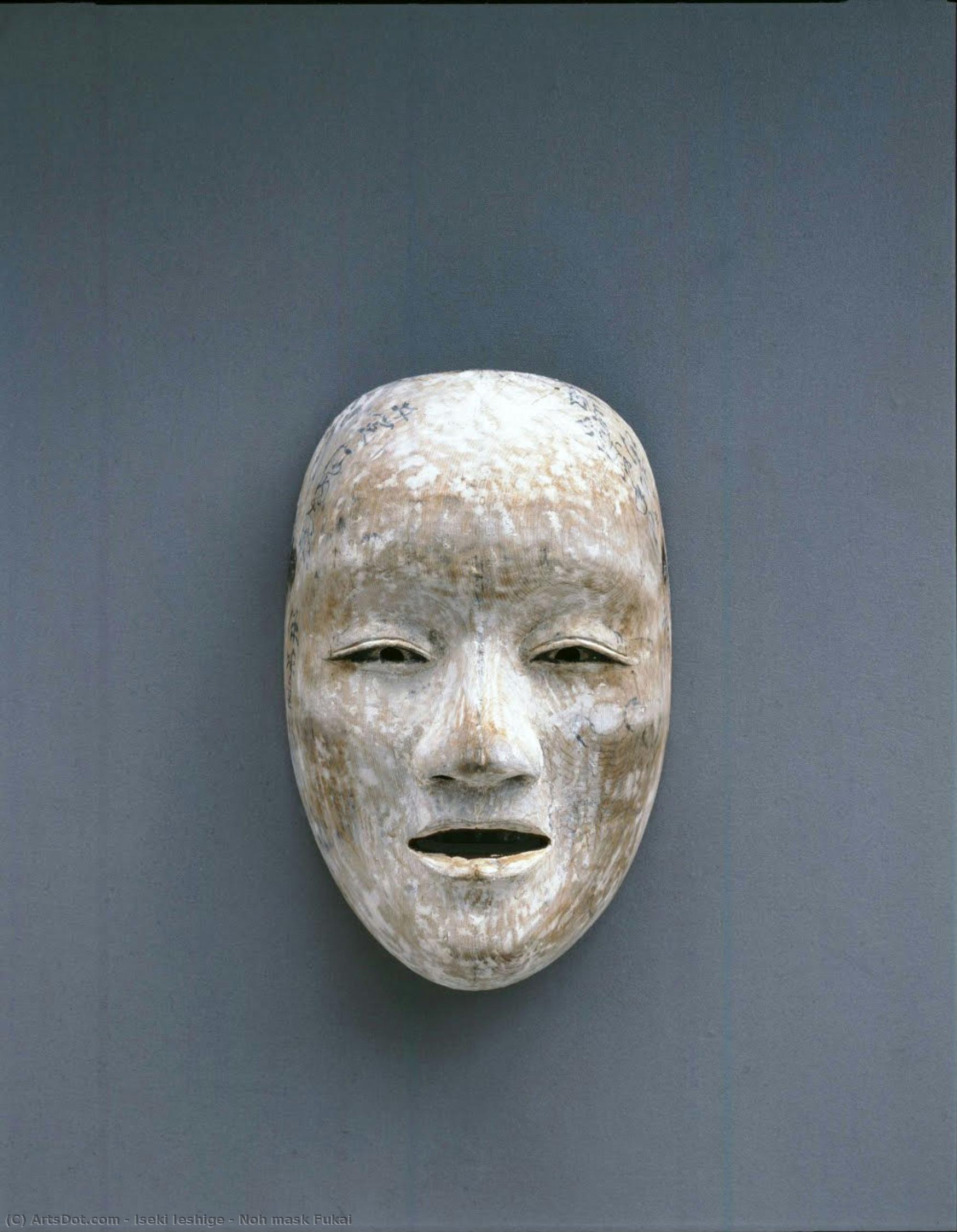
Noh mask Fukai
 13.0 x 20.0 cm
 Fukuoka City Museum
 Читать далее
Масляная репродукция ручной работы
Картина маслом на холсте в выбранном вами размере и раме, написанная на заказ нашими художниками. ( Перейти к печати Перейти к цифровым изображениям)




































Выберите один из наших стандартных размеров, соответствующих оригинальным пропорциям произведения искусства.

Вы можете указать собственные размеры, чтобы картина идеально вписалась в выбранную раму или пространство. Если выбранный вами размер не соответствует пропорциям оригинала, мы либо обрежем полотно, либо расширим его за счет дополнительных элементов, написанных вручную. Цифровой макет будет отправлен вам на утверждение перед началом производства.
Обратите внимание, что предварительный просмотр на экране не отражает фактическую обрезку или расширение. Только макет точно покажет окончательную композицию.
Хотя доступны индивидуальные размеры, мы рекомендуем выбирать вариант из предопределенного списка, чтобы сохранить исходные пропорции.
После оформления заказа команда ArtsDot.com свяжется с клиентом по электронной почте для уточнения деталей и предоставит предварительный макет
Доставка по всему миру () за 3–4 недели вместо стандартных 5 недель. (12 Сентябрь). Без компромиссов в качестве.

Бесплатная экспресс-доставка по всему миру

Высококачественный льняной холст

Полное страхование доставки

Гарантия возмещения таможенных пошлин

Гарантия точного соответствия цветов

100-дневная политика возврата (только при обнаружении дефектов)

Гарантия возврата 100% средств

Предложение оптовых скидок
 Вариант со стеклом доступен только для размеров менее 110 см

Noh mask Fukai
Техника репродукции
Размер репродукции
-


Итоговая стоимость
$ 263
Похожие произведения








Биография художника
The Enigmatic World of Iseki Ieshige: Sculpting Tradition in Contemporary Japan
The name Iseki Ieshige resonates within the specialized circles of Japanese sculpture, particularly for his masterful creation of Noh masks. While biographical details surrounding this artist remain elusive—a characteristic perhaps fitting for a craftsman deeply immersed in centuries-old traditions—his work speaks volumes about a dedication to preserving and subtly evolving a vital art form. Born in Japan, Iseki Ieshige is a contemporary sculptor whose focus lies primarily on the intricate world of Noh theatre masks, specifically those embodying characters like Fukai and Omi-onna. The limited publicly available information only adds to the mystique surrounding his practice; he seems content to let the power of his creations stand as testament to his skill and reverence for Japanese cultural heritage.A Legacy Carved in Wood: Noh Masks and Their Significance
To understand Iseki Ieshige’s work, one must first appreciate the profound significance of the Noh mask itself. Noh theatre, a classical Japanese musical drama dating back to the 14th century, is renowned for its stylized movements, poetic language, and symbolic depth. Central to this art form are the masks worn by actors, which don’t merely represent characters but *become* them. These aren't simply props; they are vessels of emotion, age, gender, and social standing. The masks are typically carved from Japanese cypress wood (hinoki) and meticulously painted with layers of lacquer, creating a surface that seems to breathe with life. The subtle shifts in expression achieved through the angle of light and the actor’s movements are what bring these characters to life on stage. Iseki Ieshige works within this demanding tradition, upholding its rigorous standards while imbuing his masks with a unique artistic sensibility.Fukai and Omi-onna: Exploring Archetypes Through Form
Among Iseki Ieshige’s notable pieces are the Noh masks of Fukai and Omi-onna. Fukai, often translated as “deep,” represents a young woman, typically portrayed as a noble lady consumed by longing or regret. The mask's expression is one of restrained sorrow, hinting at hidden depths of emotion beneath a composed exterior. The delicate carving around the eyes and mouth captures this nuance with remarkable precision. Omi-onna, meaning “woman from Omi,” depicts a vengeful spirit, often associated with jealousy and unrequited love. This mask is characterized by its haunting beauty and an underlying sense of menace. The subtle asymmetry in the features suggests a character fractured by grief and driven to supernatural acts. Both masks demonstrate Iseki Ieshige’s ability to capture complex psychological states within the confines of a traditional form. He doesn't simply replicate existing models; he interprets them, adding layers of depth and emotional resonance.Technique and Tradition: A Modern Hand in an Ancient Craft
While specific details about Iseki Ieshige’s workshop practices are scarce, it is clear that his work embodies a deep understanding of traditional Japanese carving techniques. The process begins with selecting the appropriate hinoki wood, known for its fine grain and durability. The sculptor then painstakingly carves the basic form, paying close attention to the natural contours of the wood. Multiple layers of lacquer are applied, each meticulously polished to create a smooth, luminous surface. Finally, delicate details are added—the subtle curve of an eyebrow, the slight parting of the lips—to bring the mask to life. It’s likely that Iseki Ieshige employs both hand carving and modern tools, blending traditional methods with contemporary techniques to achieve his desired level of precision and artistry. His commitment to quality materials and time-honored processes ensures that his masks are not only beautiful objects but also enduring works of art.Historical Significance: Preserving a Cultural Treasure
In an era of rapid globalization and cultural homogenization, the work of Iseki Ieshige represents a vital link to Japan’s artistic past. By continuing to create Noh masks according to traditional standards, he helps preserve a unique art form that is deeply intertwined with Japanese identity. His masks are not merely decorative objects; they are functional pieces used in live performances, ensuring the continued vitality of Noh theatre itself. Furthermore, his subtle innovations and interpretations of classic archetypes demonstrate that tradition is not static but rather an evolving process. Iseki Ieshige’s work serves as a powerful reminder of the importance of honoring cultural heritage while embracing creativity and innovation. He stands as a testament to the enduring power of craftsmanship and the timeless beauty of Japanese art.
iseki ieshige
Japan
Основные сведения
- Artistic Movement Or Style: Sculpture, Noh masks
- Date Of Death: Living
- Full Name: Iseki Ieshige
- Nationality: Japanese
- Notable Artworks:
- Noh mask Fukai
- Omi-onna mask
- Place Of Birth: Japan