

 Предпросмотр
 Поделиться
 Поделиться
 Детали произведения

 Скачать
 Похожие работы
 Рентгенография
 Слайд-шоу
 Статистика
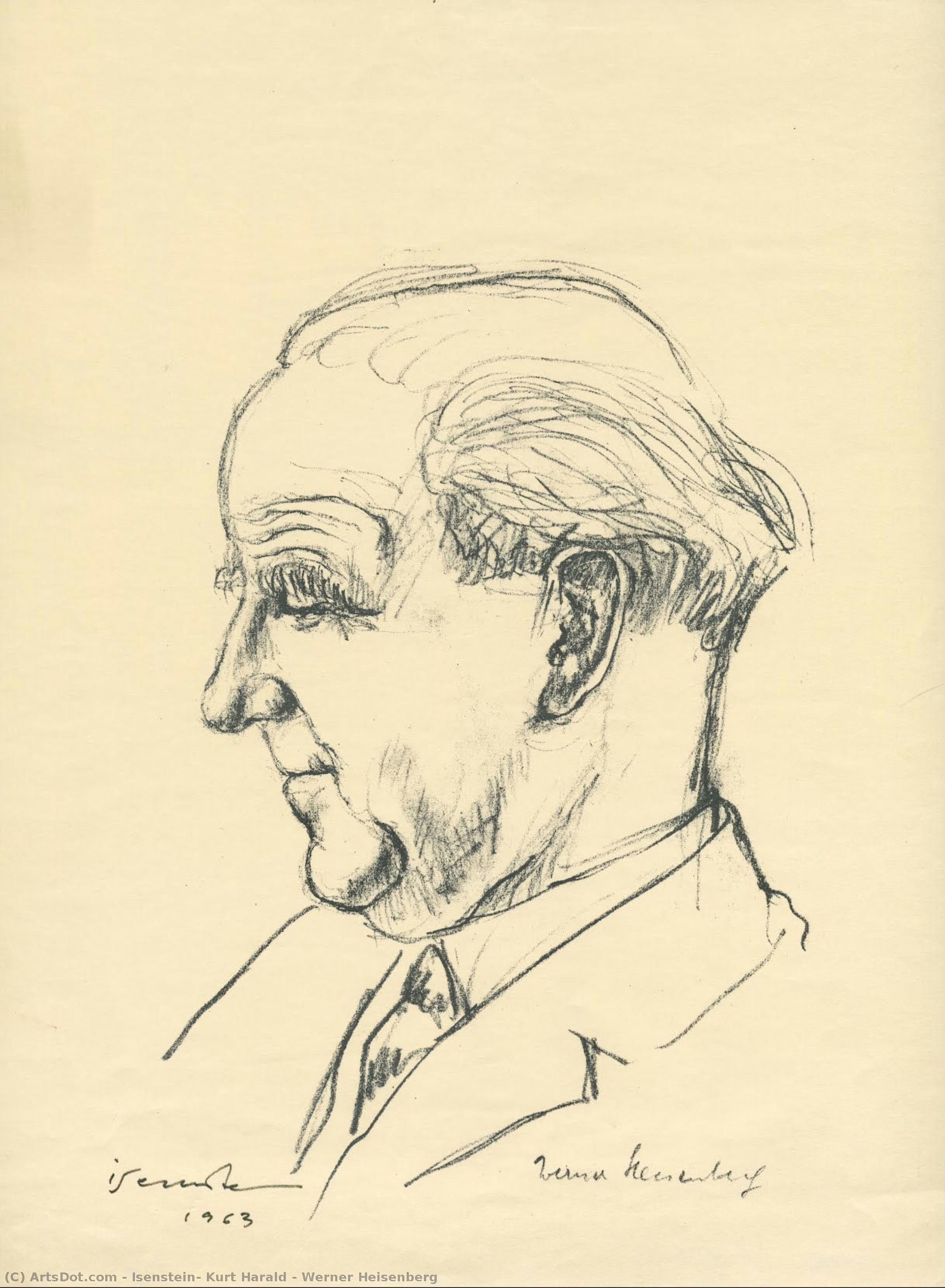
Werner Heisenberg
 1963
1963 33.0 x 43.0 cm
 Leo Baeck Institute
 Читать далее
Приобретите цифровое изображение высокого разрешения в улучшенном качестве, которое значительно превосходит онлайн-превью.
Каждый файл тщательно подготавливается нашими специалистами с использованием передовых инструментов и экспертной ручной ретуши. Мы гарантируем исключительную четкость, точную цветопередачу и детальную проработку каждого изображения.
Финальный файл доставляется по электронной почте в течение 72 часов и оптимизирован для немедленного использования в профессиональной среде, при верстке и печати. Это тот же уровень качества, которому доверяют ведущие дизайнерские студии, издательства и галереи.
Цифровое изображение
Скачайте файл высокого разрешения для личного использования, печати и творческих проектов. ( Перейти к печати Купить картину ручной работы)
Включено в каждый заказ цифровых изображений
Гарантия экспертной цифровой доставки
Выбирая ArtsDot.com, вы получаете не просто изображение — вы приобретаете профессионально обработанное цифровое произведение искусства, созданное с безупречной точностью и под защитой гарантии качества. Вот всё, что автоматически входит в ваш заказ:

Мгновенная доставка по e-mail
Ваш цифровой файл в высоком разрешении будет отправлен вам по электронной почте в течение 72 часов после оформления заказа — и сразу станет доступен для использования.

Цифровой файл с ИИ-улучшением
Ваше произведение искусства проходит профессиональную оптимизацию с использованием передовых инструментов ИИ и ручной обработки, что гарантирует максимальную детализацию, четкость и точность цветопередачи.

Бессрочная бесплатная повторная доставка
Случайно удалили или потеряли файл? Не беспокойтесь — мы отправим его вам повторно в любое время и совершенно бесплатно.

Без импортных пошлин — навсегда
Наслаждайтесь вашим произведением искусства мгновенно без таможенных пошлин, сборов или затрат на доставку — цифровые загрузки всегда не облагаются налогом.

Гарантия точности цветопередачи
Мы гарантируем, что ваше цифровое изображение максимально точно передает оригинальные цвета благодаря использованию профессиональных инструментов и систем управления цветом.

Гарантия удовлетворенности 100 дней
Если вы не будете удовлетворены своим цифровым изображением, мы внесем правки или вернем 100% стоимости в течение 100 дней — без лишних вопросов.

100% Гарантия возврата средств
Не удовлетворены покупкой? Получите полный возврат средств в течение 100 дней после получения цифрового файла — без лишних вопросов.

Скидки на оптовые заказы
Купите 3 изображения, сэкономьте 10% — Купите 5, сэкономьте 15% — Купите 10+, сэкономьте 20%. Отличное решение для творческих проектов, галерей и агентств.
Похожие произведения



Биография художника
Kurt Harald Isenstein (1898–1980): Sculptor of Dignity and Remembrance
Kurt Harald Isenstein was a German sculptor born in Hannover on August 13, 1898. He possessed a profound sensitivity to the human form and an unwavering commitment to artistic integrity—qualities that would define his prolific career spanning decades and reflecting both the turbulent times he navigated and enduring humanist ideals. His formative years were marked by a Jewish upbringing and early apprenticeship as a stone sculptor, providing him with foundational skills that underpinned his subsequent explorations of sculptural technique. Studying at the Art Academy in Berlin solidified his artistic vision and propelled him toward a distinguished freelance practice.- Early Life & Education: Isenstein’s passion for art began during his apprenticeship, honing his craft alongside master sculptors. His academic pursuits at the Berlin Academy instilled in him a critical understanding of artistic movements and established him as a serious artist within the burgeoning avant-garde scene.
- The Bauhaus Influence: Like many artists of his era, Isenstein was deeply impacted by the Bauhaus movement’s emphasis on functionalism and geometric abstraction—influences that subtly permeate his sculptural vocabulary.
Sculptural Achievements & Notable Works
Isenstein's artistic output encompassed a diverse range of projects, reflecting both monumental commissions and intimate portraits. He gained recognition for his evocative sculptures of female dancers (1912), capturing movement and grace with remarkable precision. His contribution to the sculpture event at the 1928 Summer Olympics showcased his talent and ambition on an international stage. Perhaps his most enduring legacy resides in his iconic bust of Albert Einstein (1928), now prominently displayed atop the Einstein Tower in Potsdam—a testament to Isenstein’s ability to convey intellectual depth through sculptural form. Beyond monumental works, he produced numerous smaller sculptures and reliefs that explore themes of human emotion and spiritual contemplation.- Key Pieces: Among his celebrated creations are “Vergoldete Kommode” (1749), a stunning bronze artwork created by Matthias Müller; Saint Cosmas (1765), a sculpture by Franz Ignaz Günther; and “Despair” (1892), a painting by Edvard Munch—demonstrating Isenstein’s engagement with diverse artistic traditions.
- Berlin Secession: He was an active member of the Berlin Secession, a group of artists who championed modern art in Germany during the Weimar Republic, advocating for innovative approaches to sculptural expression.
Exile and Artistic Resilience
The rise of Nazism profoundly altered Isenstein’s life trajectory. Forced to flee Germany in 1933, he sought refuge in Denmark, where he established an art school—a crucial endeavor aimed at preserving artistic heritage amidst persecution. Following World War II, he returned to Sweden and continued his artistic pursuits, producing poignant memorials commemorating the suffering of Norwegian Jews during the Holocaust. His sculptures stand as enduring symbols of compassion and remembrance.- Post-War Legacy: Isenstein’s commitment to art persisted despite the hardships of exile, solidifying his reputation as a sculptor dedicated to conveying human dignity and confronting difficult truths.
A Lasting Impression
Kurt Harald Isenstein died in Copenhagen on February 3, 1980, leaving behind an impressive body of work that continues to inspire artists and art lovers worldwide. His sculptures—particularly his portraits of Einstein and memorials honoring the victims of Auschwitz—are housed in museums across Europe, ensuring that his artistic vision endures as a testament to human creativity and moral responsibility. Isenstein’s contribution to sculpture is recognized as an important facet of German Expressionism and Art Nouveau movements. For more information on Kurt Harald Isenstein and other notable artists, visit https://ArtsDot.com/ or check out the wikipedia page on kurt harald isenstein. To explore more of Isenstein's works, visit the ArtsDot website and browse through their extensive collection of artwork and artist biographies.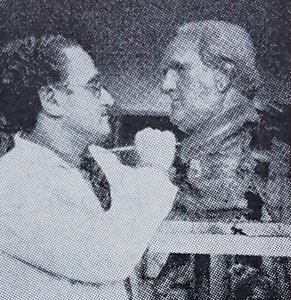
isenstein, kurt harald
1898 - 1980 , Germany
Основные сведения
- Artistic Movement Or Style: Art Nouveau
- Artists Or Movements Influenced By This Artist: ['']
- Artists Who Influenced This Artist: ['']
- Date Of Birth: August 13, 1898
- Full Name: Kurt Harald Isenstein
- Nationality: German
- Notable Artworks:
- Vergoldete Kommode
- Saint Cosmas
- Female Dancer
- Place Of Birth: Hannover, Germany