


 Предпросмотр
 Поделиться
 Поделиться
 Детали произведения

 Скачать
 Похожие работы
 Рентгенография
 Слайд-шоу
 Статистика
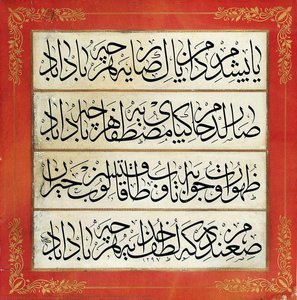
Kıt’a (single piece)
 Ink On Paper
- Ottoman Calligraphy
 1800
1800- 19th Century
 22.0 x 15.0 cm
 Музей Сакыпа Сабанджи
 Читать далее
Масляная репродукция ручной работы
Картина маслом на холсте в выбранном вами размере и раме, написанная на заказ нашими художниками. ( Перейти к печати Перейти к цифровым изображениям)




P118B $10

P118H $10

P118W $10

P438Z $10

P508JH $12

P508YH $12

P805H $10

P805Z $10

P919BZ $10

P919G $10

P919XJ $10

P959ZH $10

P968JZ $12

W106C $8

W218G $10

W218JH $8

W218Y $10

W307PJ $10

W316G $10

W316PJ $8

W316Y $10

W398PJ $8

W4111J $10

W500HY $15

W500JH $15

W692G $12

W849H $8

W940BG $15

W953PJ $8
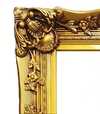
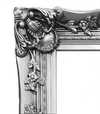
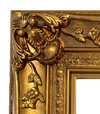
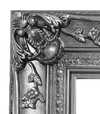
Выберите один из наших стандартных размеров, соответствующих оригинальным пропорциям произведения искусства.

Вы можете указать собственные размеры, чтобы картина идеально вписалась в выбранную раму или пространство. Если выбранный вами размер не соответствует пропорциям оригинала, мы либо обрежем полотно, либо расширим его за счет дополнительных элементов, написанных вручную. Цифровой макет будет отправлен вам на утверждение перед началом производства.
Обратите внимание, что предварительный просмотр на экране не отражает фактическую обрезку или расширение. Только макет точно покажет окончательную композицию.
Хотя доступны индивидуальные размеры, мы рекомендуем выбирать вариант из предопределенного списка, чтобы сохранить исходные пропорции.
После оформления заказа команда ArtsDot.com свяжется с клиентом по электронной почте для уточнения деталей и предоставит предварительный макет
Доставка по всему миру () за 3–4 недели вместо стандартных 5 недель. (15 Сентябрь). Без компромиссов в качестве.

Бесплатная экспресс-доставка по всему миру

Высококачественный льняной холст

Полное страхование доставки

Гарантия возмещения таможенных пошлин

Гарантия точного соответствия цветов

100-дневная политика возврата (только при обнаружении дефектов)

Гарантия возврата 100% средств

Предложение оптовых скидок
 Вариант со стеклом доступен только для размеров менее 110 см

Kıt’a (single piece)
Техника репродукции
Размер репродукции
-


Итоговая стоимость
$ 263
Похожие произведения
Биография художника
The Genesis of a Masterful Hand
In the twilight of the eighteenth century, an era defined by the profound spiritual and aesthetic flowering of the Ottoman Empire, there emerged a calligraphic voice that would resonate through the centuries. İsmail Zühdi Efendi, often distinguished as Yeni İsmail Zühdi to separate his legacy from predecessors, began his journey in the historic region of Urfa. His early life was shaped by the rhythmic devotion of the Qurʾan, under the watchful eye of his father, Mehmed Kaptan. Recognizing a divine spark in his son’s burgeoning talent, his father ensured he received a rigorous education focused on mastering the sacred scripts—a cornerstone of Islamic scholarship and art. This foundational period was not merely about technical instruction but about absorbing the very soul of calligraphy, where every stroke of the reed pen carries the weight of tradition and the breath of devotion.The Pursuit of Calligraphic Perfection
The transition to Istanbul marked a transformative chapter in Zühdi Efendi’s artistic evolution. Under the tutelage of legendary masters such as Ahmed Hifzî Efendi, he immersed himself in the intricate complexities of the thuluth and naskh scripts. These were not merely letters on parchment but architectural feats of ink, demanding an unwavering commitment to stylistic accuracy and a meticulous eye for proportion. His studies expanded through the guidance of Mehmed Sâmî Efendi and Edirnevî Mehmed Emîn Efendi, allowing him to master jali thuluth and further refine his expressive potential. Zühdi Efendi’s work became characterized by a firm, masterful hand that could command both the delicate elegance of small scripts and the monumental presence of larger compositions. His ability to breathe life into gold and blue pigments showcased a breathtaking synthesis of color and form, creating works that served as windows into the divine.A Lasting Legacy of Ink and Lineage
Perhaps the most enduring aspect of İsmail Zühdi Efendi’s life was the profound artistic bond he shared with his younger brother, Mustafa Râkim Efendi. This partnership was a creative powerhouse that redefined the boundaries of Ottoman calligraphy. As an instructor at the Imperial Palace, Zühdi Efendi nurtured the talent of his brother, who would eventually become one of history's most celebrated calligraphers. Together, they forged a distinctive style rooted in the classical teachings of Hâfiz Osman, yet infused with a fresh, aesthetic vitality that particularly excelled in the celi sülüs script. Though he passed away in 1806, his influence remains etched in the very fabric of Islamic art history. His surviving Qur’ans, writing boards, and intricate muraqqas stand as silent, beautiful witnesses to a life dedicated to the pursuit of perfection through the sacred medium of the written word.- Mastery of Scripts: Renowned for his command over thuluth, naskh, and jali thuluth.
- Historical Significance: A pivotal figure in the transition of Ottoman calligraphic styles during the late eighteenth century.
- Artistic Lineage: The mentor behind the legendary Mustafa Râkim Efendi, shaping the next generation of masters.
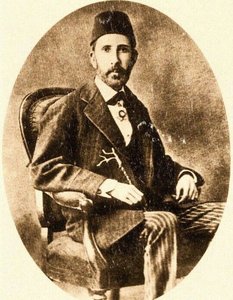
i̇smail zühdi efendi
1806 , Turkey
Основные сведения
- Artistic Movement Or Style: Sülüst
- Artists Or Movements Influenced By This Artist: ['Islamic calligraphy']
- Artists Who Influenced This Artist: ['Ahmed Hifzî Efendi']
- Date Of Death: 1806
- Full Name: İsmail Zühdi Efendi
- Nationality: Ottoman
- Notable Artworks: ['Kıt’a']
- Place Of Birth: Urfa, Turkey
Похожие статьи
Golden Glow: How to Use Metallic Gold Artworks to Elevate Your Home Decor with Timeless Luxury
Discover how to elevate your home with the timeless elegance of metallic gold artworks. From sculptural metal pieces to gilded oil paintings, learn expert interior design tips for integrating luxurious gold accents into your space with sophistication and grace.

Золото в Искусстве: 10 Шедевров с Позолотой для Вашего Интерьера
Погрузитесь в мир золота и искусства! 10 знаменитых картин с позолотой – от Климта до византийских шедевров. Узнайте истории, техники и вдохновитесь для создания роскошного интерьера. Репродукции высокого качества на ArtsDot.com
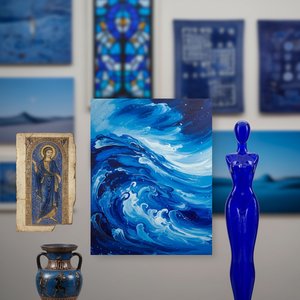
The Allure of Azure: Exploring the Symbolic & Aesthetic Depths of Blue in Art History
Explore the rich history of blue in art! Discover its symbolism, from ancient pigments to modern masterpieces by Kandinsky & Seurat. Uncover the psychological impact and cultural meanings behind this captivating hue.
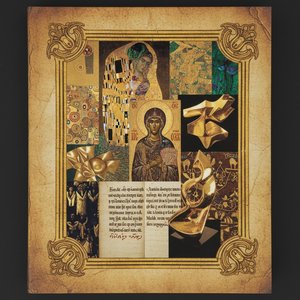
The Allure of Gold in Art History: Symbolism, Technique & Cultural Significance
Explore the rich history of gold in art! Discover symbolism, techniques & cultural significance from ancient civilizations to Klimt's masterpieces. Expert insights for collectors at ArtsDot.
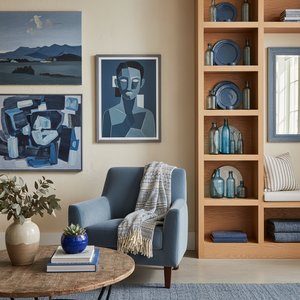
Топ-10 знаменитых картин в оттенках серо-голубого: искусство и декор от ArtsDot
Погрузитесь в мир серо-голубых оттенков! От Моне до Ренуара – 10 знаменитых картин, вдохновляющих на создание уникального интерьера. Репродукции высокого качества от ArtsDot.com. Explore the full collection online!