 Предпросмотр
 Поделиться
 Поделиться
 Детали произведения

 Скачать
 Похожие работы
 Рентгенография
 Слайд-шоу
 Статистика
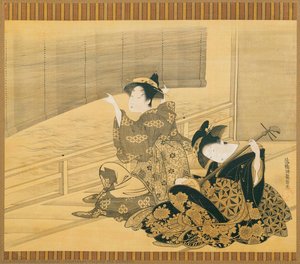
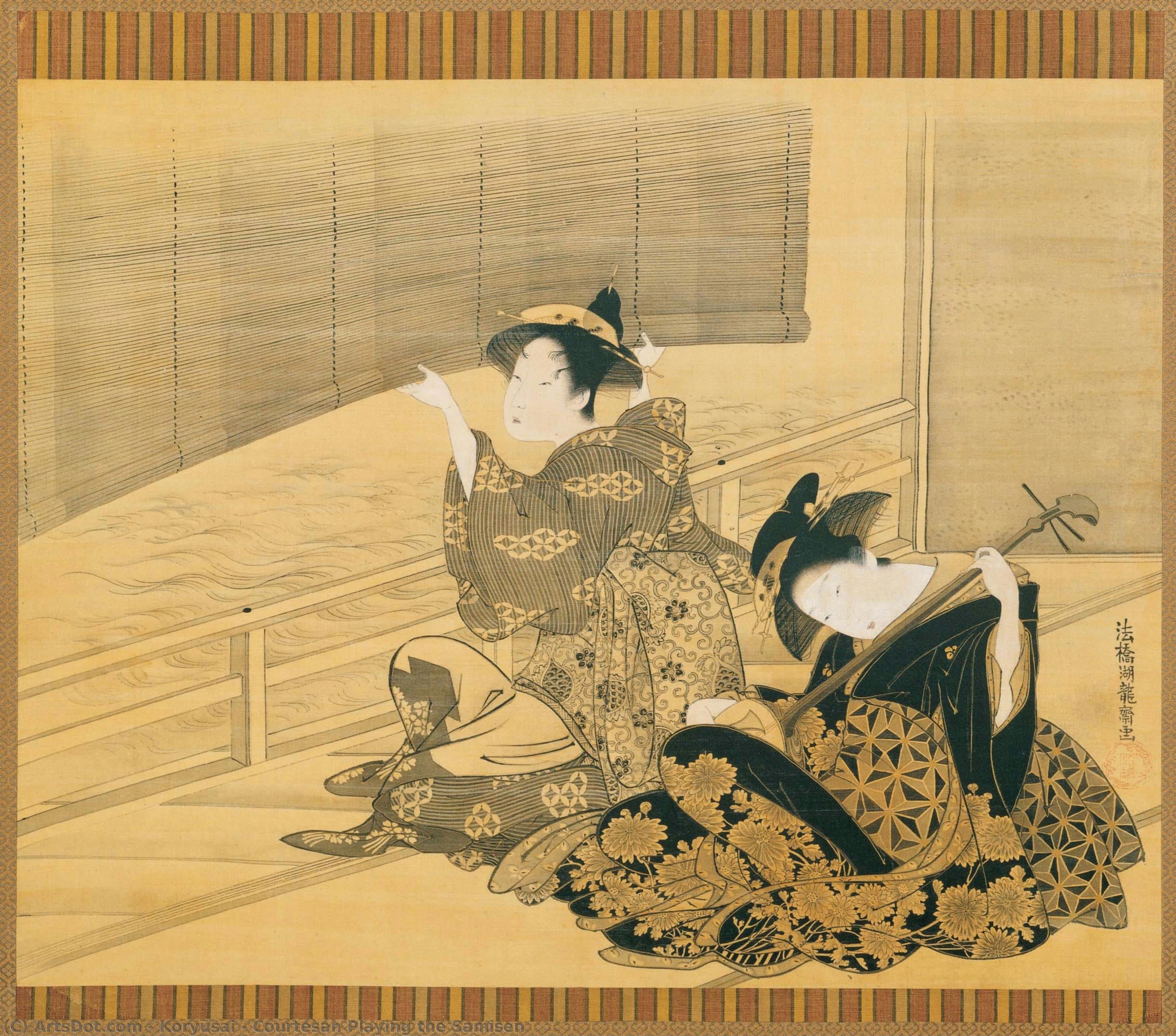
Куртизанка играющая самусина


 Читать далее
Масляная репродукция ручной работы
Картина маслом на холсте в выбранном вами размере и раме, написанная на заказ нашими художниками. ( Перейти к печати Перейти к цифровым изображениям)




P118B $10

P118H $10

P118W $10

P438Z $10

P508JH $12

P508YH $12

P805H $10

P805Z $10

P919BZ $10

P919G $10

P919XJ $10

P959ZH $10

P968JZ $12

W106C $8

W218G $10

W218JH $8

W218Y $10

W307PJ $10

W316G $10

W316PJ $8

W316Y $10

W398PJ $8

W4111J $10

W500HY $15

W500JH $15

W692G $12

W849H $8

W940BG $15

W953PJ $8




Выберите один из наших стандартных размеров, соответствующих оригинальным пропорциям произведения искусства.

Вы можете указать собственные размеры, чтобы картина идеально вписалась в выбранную раму или пространство. Если выбранный вами размер не соответствует пропорциям оригинала, мы либо обрежем полотно, либо расширим его за счет дополнительных элементов, написанных вручную. Цифровой макет будет отправлен вам на утверждение перед началом производства.
Обратите внимание, что предварительный просмотр на экране не отражает фактическую обрезку или расширение. Только макет точно покажет окончательную композицию.
Хотя доступны индивидуальные размеры, мы рекомендуем выбирать вариант из предопределенного списка, чтобы сохранить исходные пропорции.
После оформления заказа команда ArtsDot.com свяжется с клиентом по электронной почте для уточнения деталей и предоставит предварительный макет
Доставка по всему миру () за 3–4 недели вместо стандартных 5 недель. (12 Сентябрь). Без компромиссов в качестве.

Бесплатная экспресс-доставка по всему миру

Высококачественный льняной холст

Полное страхование доставки

Гарантия возмещения таможенных пошлин

Гарантия точного соответствия цветов

100-дневная политика возврата (только при обнаружении дефектов)

Гарантия возврата 100% средств

Предложение оптовых скидок
 Вариант со стеклом доступен только для размеров менее 110 см

Куртизанка играющая самусина
Техника репродукции
Размер репродукции
-


Итоговая стоимость
$ 288
Ода Элегантности и Мимолетности: Изображение Куртизанки с Самисеном Исоды Корюсайя
Изображение куртизанки и ее служанки в тенистом японском чайном домике, расположенном у воды – это произведение искусства эпохи Эдо, воплощение эстетических идеалов своего времени. Художник Исода Корюсайя (1735–1790), выдающийся мастер укиё-э и один из самых плодовитых художников того периода, сумел запечатлеть момент спокойствия и изысканной жизни в городе Токио.
- Художник: Исода Корюсайя
- Год рождения: 1735
- Год смерти: 1790
- Место рождения: Токио
- Страна рождения: Япония
Корюсайя родился в семье благородных самураев и получил образование, соответствующее традициям аристократии Эдо. Он овладел каллиграфией, фехтованием и этикой Конфуция – знаниями, которые сформировали его мировоззрение и оказали влияние на его художественное видение.
Эпоха Эдо была временем расцвета японской культуры и искусства, когда художники стремились передать красоту природы и гармонию человеческой жизни. Исода Корюсайя был одним из тех мастеров, кто сумел достичь вершины мастерства в технике укиё-э и создать произведения искусства, которые до сих пор восхищают зрителей своей элегантностью и глубиной.
Техника и Стиль: Изображение выполнено в традиционной технике гравюры на дереве с использованием нескольких слоев краски и тонкой линии. Этот метод позволял добиться невероятной детализации и передать текстуру тканей и поверхности воды. Особое внимание уделено использованию диагональных линий для создания динамики композиции и передачи ощущения движения.
Символизм и Эмоциональный Отклик: Композиция картины насыщена символами эпохи Эдо – тенистый чайный домик, изображенный у воды, олицетворяет приватность и спокойствие. Чайные домики были местом проведения важных общественных мероприятий и отражали социальные нормы того времени. Использование цветов, таких как хризантемы и зеленый цвет ландшафта, добавляет картине глубину и эмоциональный отклик.
Исторический Контекст: Изода Корюсайя работал в период расцвета Эдоской династии Токугава (1615–1868), когда японское искусство достигло своего пика. Его работы отражают дух времени и являются свидетельством мастерства и эстетического вкуса эпохи.
Заключение: Изображение куртизанки с самисеном Исоды Корюсайя – это не просто произведение искусства, но и окно в мир Эдоской Японии. Оно передает ощущение элегантности, гармонии и мимолетности красоты, что делает его особенно привлекательным для тех, кто ценит искусство и стремится вдохновиться его эстетическими идеалами.
Похожие произведения
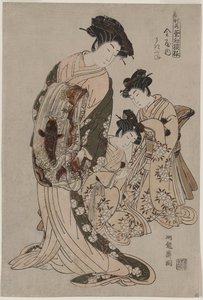
Биография художника
The Soul of Edo: The Life and Legacy of Isoda Koryūsai
In the vibrant, bustling heart of the Edo period, a golden age of Japanese creativity, few names resonate with as much elegance and prolific energy as Isoda Koryūsai. Born in 1735 in the burgeoning metropolis of Tokyo—then known as Edo—Koryūsai was a man shaped by the dualities of his era. He descended from the noble Tsuchiya clan, a lineage steeped in samurai tradition. His early years were defined by the rigorous discipline of the warrior class, where he mastered the arts of calligraphy, swordsmanship, and Confucian ethics. However, the sudden death of his father transformed him into a rōnin, a masterless samurai. This shift from the structured life of an aristocrat to the uncertain freedom of a wanderer became the catalyst for his artistic metamorphosis, allowing him to trade the sword for the brush and find his true calling within the floating world of ukiyo-e.
Koryūsai’s emergence as a master designer was not a solitary journey but one deeply intertwined with the evolution of Japanese printmaking. Establishing himself near the iconic Ryōgoku Bridge in 1769, he positioned himself at the epicenter of Edo's entertainment and commercial life. His artistic DNA was profoundly shaped by his apprenticeship under the legendary Suzuki Harunobu. From Harunobu, Koryūsai inherited a refined sensitivity to color and a delicate approach to line, yet he possessed a unique ability to expand upon these foundations. While Harunobu is often celebrated for the invention of nishiki-e (brocade prints), Koryūsai took this technical revolution and applied it to a broader, more diverse range of subjects, blending the ethereal beauty of his mentor's style with a grounded, observational realism.
Mastery of the Floating World
The true brilliance of Koryūsai lies in his ability to capture the ephemeral moments of daily life, elevating the mundane to the level of high art. He became a preeminent master of bijin-ga, or pictures of beautiful women, where he utilized the intricate patterns of kimonos and the subtle grace of posture to tell stories of elegance and longing. His works, such as the evocative Courtesan Playing the Samisen, serve as windows into a lost era, showcasing a profound understanding of musicality and stillness. In these prints, every fold of silk and every tilt of a head is imbued with a sense of quiet drama, inviting the viewer to participate in the serene atmosphere of the Edo pleasure districts.
Beyond the portraits of beauties, Koryūsai’s repertoire was remarkably expansive, touching upon landscapes and seasonal allegories that resonated deeply with the Japanese psyche. He possessed a remarkable talent for integrating nature into his compositions, using symbolic flora to evoke specific emotions or times of year. In works like Autumn Beauty, he masterfully depicts women amidst wind-swept autumn leaves, creating a poetic dialogue between human grace and the transient beauty of the natural world. This ability to weave seasonal symbolism into his designs allowed him to create art that was both visually stunning and emotionally resonant, capturing the very essence of the ukiyo—the floating, fleeting world.
A Lasting Impression on Japanese Art
The historical significance of Isoda Koryūsai extends far beyond the borders of his own lifetime. As a prolific designer, his influence helped stabilize and expand the popularity of woodblock printing during one of Japan's most culturally significant centuries. His work bridged the gap between the delicate, dreamlike qualities of early ukiyo-e and the more robust, detailed styles that would follow in the nineteenth century. By documenting the fashions, social customs, and landscapes of Edo, he provided a visual archive of a civilization at its peak.
Today, Koryūsai’s legacy is preserved through his exquisite prints and paintings that continue to captivate collectors and historians alike. His contributions can be summarized by several key artistic achievements:
- Technical Innovation: The masterful application of multi-colored printing techniques learned from the Harunobu school.
- Genre Versatility: An unparalleled ability to move seamlessly between bijin-ga, seasonal landscapes, and scenes of daily life.
- Cultural Documentation: Providing a detailed visual record of the social hierarchies, fashion, and aesthetics of the Edo period.
- Emotional Depth: The infusion of subtle symbolism and atmospheric tension into seemingly simple compositions.
Through his brush, the transient beauty of the Edo period was rendered permanent, ensuring that the elegance of the rōnin-turned-artist would endure long after the era of the samurai had faded into history.
isoda koryūsai 磯田湖龍斎
1735 - 1790 , Japan
Основные сведения
- Artistic Movement Or Style: Ukiyo-e
- Artists Or Movements Influenced By This Artist: ['Harunobu']
- Artists Who Influenced This Artist: ['Suzuki Harunobu']
- Date Of Birth: Tokyo, Japan (1735)
- Full Name: Isoda Koryūsai
- Nationality: Japanese
- Notable Artworks:
- The Courtesan Sugawara of the Tsuruya and Her Attendant
- Begging for Alms
- Gibbon snatching sake pot from flower-viewing party
- Place Of Birth: Tokyo
Похожие статьи
Suzuki Harunobu: Pioneering Ukiyo-e & the Refinement of Edo Period Printmaking
Discover the revolutionary world of Suzuki Harunobu, a pioneer of ukiyo-e printmaking. Explore his exquisite nishiki-e techniques, diverse subjects & lasting impact on Japanese art history. Learn more at ArtsDot.
Serenity on Canvas: A Guide to the Timeless Beauty of Japanese Landscape Painting
Discover the serene beauty of Japanese landscape painting. From Hokusai's iconic woodblock prints to meditative sumi-e ink washes, explore a visual journey through the 'floating world' and learn how to bring this timeless Zen aesthetic into your modern home decor.
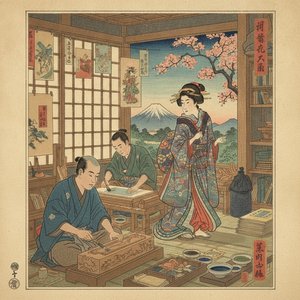
Floating World: The Captivating Art and Legacy of Japanese Ukiyo-e
Explore the profound beauty of Japanese Ukiyo-e. Discover the history, masters like Hokusai, and the enduring legacy of the 'Floating World' through an expert art-historical lens.

Топ-25 шедевров Кацусики Хокусая: Искусство Японии для вашего интерьера
Погрузитесь в мир гения Кацусики Хокусая! 25 легендарных гравюр укиё-э, включая "Великую волну". История искусства Японии и вдохновение для вашего интерьера. Репродукции высокого качества на ArtsDot.com.
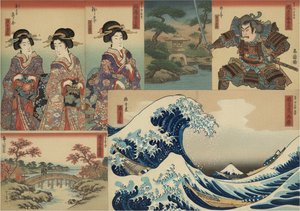
Ukiyo-e: Exploring Japan's Floating World & Enduring Artistic Legacy
Explore the captivating world of Ukiyo-e – Japan's iconic woodblock prints! Discover masters like Hokusai & Hiroshige, learn about Edo period culture, and find expert art collecting guidance at ArtsDot.