Hiroshige Utagawa II and Toyokuni Utagawa IV: Masters of Edo Landscape
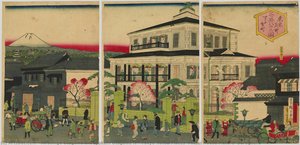
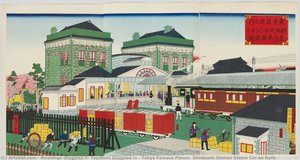
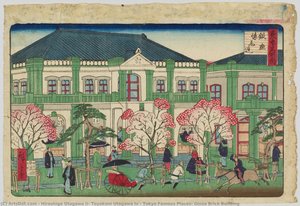
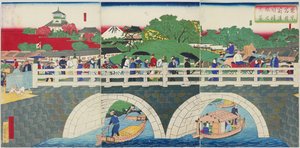
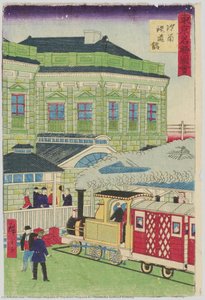
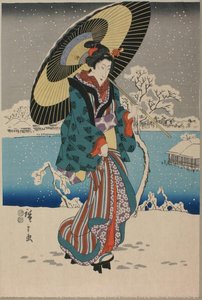
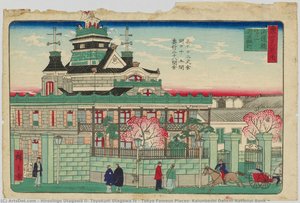
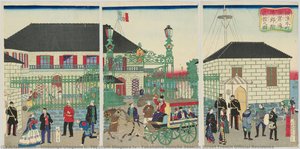
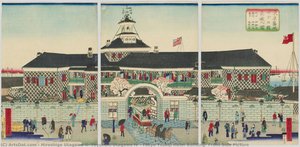
Hiroshige Utagawa II (1797 – 1858), alongside his collaborator Toyokuni Utagawa IV, stands as a pivotal figure in the history of Japanese art and printmaking—specifically, ukiyo-e. Their partnership revolutionized the genre, elevating it from mere decorative illustration to a powerful medium for conveying emotion and capturing the essence of Edo period Japan (1603–1868). Together they produced an unparalleled body of work that continues to inspire artists and captivate audiences worldwide.
- Early Life & Training: Hiroshige’s birth name was Andō Tokutarō, born in Edo (modern Tokyo) into a family involved in textiles. Recognizing his artistic talent early on, he apprenticed under Katsushika Hokusai, arguably the most celebrated ukiyo-e artist of his time—a relationship that profoundly shaped Hiroshige’s aesthetic sensibilities and technical approach.
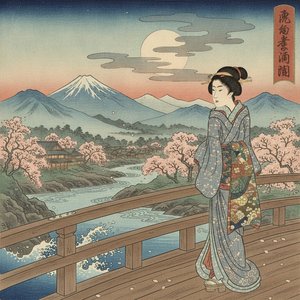
- The Utagawa School & Collaborative Spirit: Hiroshige joined the influential Utagawa school, established by Katsushika Mokuhōsai, where he honed his skills alongside Toyokuni IV. This collaborative environment fostered innovation and resulted in a distinctive visual style characterized by meticulous detail and atmospheric perspective—a hallmark of Edo-era landscape prints.
A Vision of Tranquility: Hiroshige’s Landscape Prints – The Tokaido Series
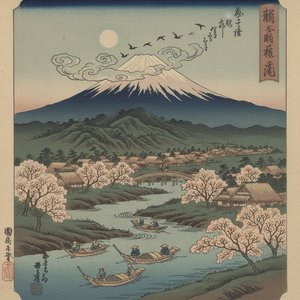
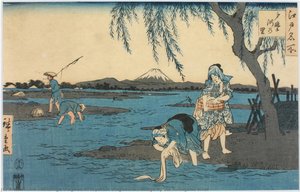
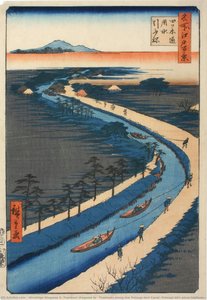
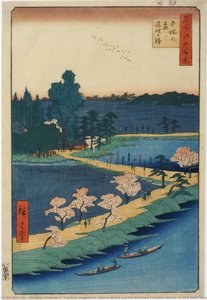
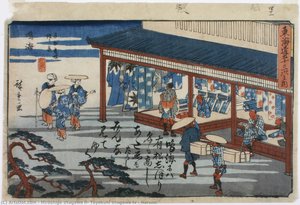
Hiroshige's fame rests largely upon his monumental Tokaido series (1830–1832), a meticulously planned depiction of the 67 stations along Japan’s ancient pilgrimage route from Edo to Kyoto. This ambitious undertaking demanded exceptional artistic skill and logistical organization, cementing Hiroshige’s reputation as a visionary artist who could transform ordinary scenes into sublime expressions of beauty. The series is renowned for its masterful use of atmospheric perspective—a technique pioneered by Hokusai—creating an illusion of depth that transports viewers directly into the landscapes depicted.
Technique & Style: Hiroshige’s prints are distinguished by their subtle tonal gradations achieved through layering multiple blocks of color. He skillfully employed Prussian blue, a pigment imported from Europe during this period, to render distant mountains with breathtaking realism—a bold departure from traditional Japanese monochrome prints.
Toyokuni IV: Capturing the Drama of Kabuki
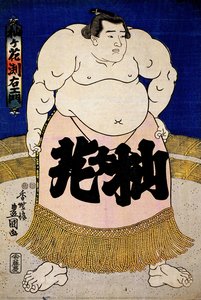
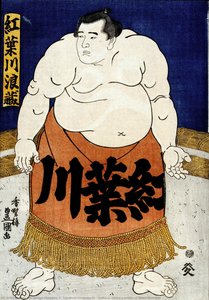
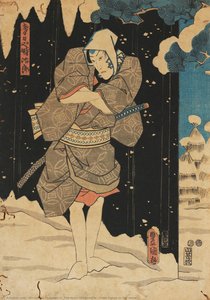
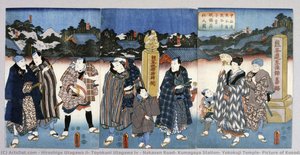
While Hiroshige excelled at portraying serene landscapes, Toyokuni IV focused his artistic energies on kabuki theater prints—ukiyo-e depictions of performances that captivated audiences throughout Edo Japan. Unlike Hiroshige’s contemplative approach, Toyokuni IV sought to convey the dynamism and excitement of the stage, capturing fleeting expressions and dramatic poses with remarkable precision.
Influence & Legacy: Toyokuni IV's prints helped solidify kabuki’s popularity and established a new standard for theatrical illustration. His meticulous attention to detail—particularly in portraying actors’ costumes and hairstyles—influenced subsequent generations of printmakers and contributed significantly to the preservation of kabuki traditions.
Historical Significance & Enduring Appeal
Hiroshige Utagawa II and Toyokuni Utagawa IV's contribution to ukiyo-e transcends mere artistic achievement; they embodied the spirit of Edo Japan—a period marked by social stability, economic prosperity, and a burgeoning appreciation for beauty. Their prints offer invaluable insights into Japanese culture, society, and worldview during this transformative era.
Continuing Relevance: Today, Hiroshige’s landscapes continue to inspire artists and resonate with viewers across cultures—a testament to his enduring artistic vision and the timeless power of ukiyo-e as a genre. His work stands alongside Hokusai's as one of Japan's most iconic artistic treasures.