

 Предпросмотр
 Поделиться
 Поделиться
 Детали произведения

 Скачать
 Похожие работы
 Рентгенография
 Слайд-шоу
 Статистика
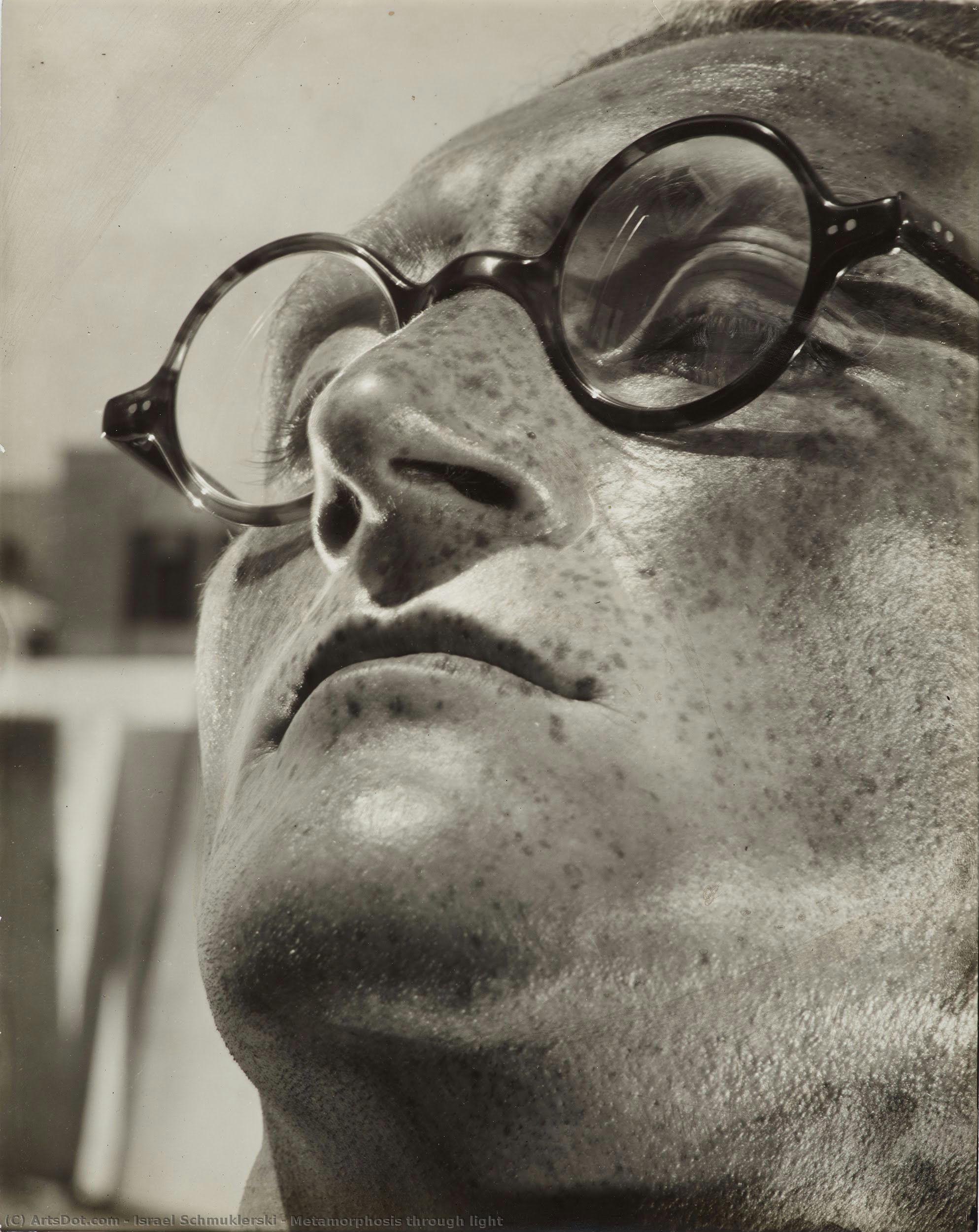
Metamorphosis through light

 Читать далее
Приобретите цифровое изображение высокого разрешения в улучшенном качестве, которое значительно превосходит онлайн-превью.
Каждый файл тщательно подготавливается нашими специалистами с использованием передовых инструментов и экспертной ручной ретуши. Мы гарантируем исключительную четкость, точную цветопередачу и детальную проработку каждого изображения.
Финальный файл доставляется по электронной почте в течение 72 часов и оптимизирован для немедленного использования в профессиональной среде, при верстке и печати. Это тот же уровень качества, которому доверяют ведущие дизайнерские студии, издательства и галереи.
Цифровое изображение
Скачайте файл высокого разрешения для личного использования, печати и творческих проектов. ( Перейти к печати Купить картину ручной работы)
Включено в каждый заказ цифровых изображений
Гарантия экспертной цифровой доставки
Выбирая ArtsDot.com, вы получаете не просто изображение — вы приобретаете профессионально обработанное цифровое произведение искусства, созданное с безупречной точностью и под защитой гарантии качества. Вот всё, что автоматически входит в ваш заказ:

Мгновенная доставка по e-mail
Ваш цифровой файл в высоком разрешении будет отправлен вам по электронной почте в течение 72 часов после оформления заказа — и сразу станет доступен для использования.

Цифровой файл с ИИ-улучшением
Ваше произведение искусства проходит профессиональную оптимизацию с использованием передовых инструментов ИИ и ручной обработки, что гарантирует максимальную детализацию, четкость и точность цветопередачи.

Бессрочная бесплатная повторная доставка
Случайно удалили или потеряли файл? Не беспокойтесь — мы отправим его вам повторно в любое время и совершенно бесплатно.

Без импортных пошлин — навсегда
Наслаждайтесь вашим произведением искусства мгновенно без таможенных пошлин, сборов или затрат на доставку — цифровые загрузки всегда не облагаются налогом.

Гарантия точности цветопередачи
Мы гарантируем, что ваше цифровое изображение максимально точно передает оригинальные цвета благодаря использованию профессиональных инструментов и систем управления цветом.

Гарантия удовлетворенности 100 дней
Если вы не будете удовлетворены своим цифровым изображением, мы внесем правки или вернем 100% стоимости в течение 100 дней — без лишних вопросов.

100% Гарантия возврата средств
Не удовлетворены покупкой? Получите полный возврат средств в течение 100 дней после получения цифрового файла — без лишних вопросов.

Скидки на оптовые заказы
Купите 3 изображения, сэкономьте 10% — Купите 5, сэкономьте 15% — Купите 10+, сэкономьте 20%. Отличное решение для творческих проектов, галерей и агентств.
Похожие произведения









Биография художника
The Architect of Light: The Life and Vision of Helmar Lerski
In the history of the moving image and the still frame, few figures possess the transformative power of Helmar Lerski. Born Israel Schmuklerski in Strasbourg, France, in 1871, his journey was one of constant migration and metamorphosis, much like the very light he sought to master. A man of many identities—actor, cinematographer, photographer, and director—Lerski did not merely capture reality; he sculpted it. His early life, shaped by a move to Zurich where his family gained Swiss citizenship, instilled in him a meticulous eye for detail that would later define the avant-garde movements of the twentieth century. Before he was a master of the lens, he was a student of the stage, and this theatrical foundation provided him with an unparalleled understanding of how shadow can evoke the deepest recesses of the human soul.
The American years, spanning from 1909 to 1915, served as a vital crucible for his developing aesthetic. Settling in Milwaukee, Wisconsin, alongside Emilie Bertha Rossbach, Lerski established a photography studio that would become a laboratory for experimentation. It was during this period that he began to move away from traditional portraiture toward a more radical approach, utilizing mirrors and dramatic lighting to create depth and texture. This era of his life was marked by an intense curiosity about the interplay between the physical subject and the ephemeral qualities of light, a fascination that would eventually lead him back to the heart of European modernism.
From Expressionist Cinema to Avant-Garde Mastery
Returning to Berlin in 1915, Lerski entered the epicenter of cinematic innovation. As a cinematographer and special effects expert, he became a vital architect of German Expressionism. His work on legendary films, most notably his collaboration with Fritz Lang on the monumental Metropolis, demonstrated his ability to use light as a narrative force. In the shadows of the silent era, Lerski understood that what remained unseen was often as powerful as what was revealed. He manipulated contrast to create atmosphere, turning the screen into a canvas of psychological tension and architectural grandeur.
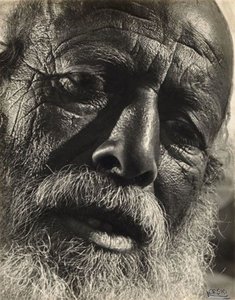
As the 1920s progressed, Lerski’s focus shifted toward the profound intimacy of portrait photography. This period saw the birth of his most celebrated photographic series, such as Köpfe des Alltags (Heads of Everyday Life). In these works, he moved beyond the mere documentation of faces to explore the "metamorphosis" of the human form through light. His portraits were not merely likenesses; they were sculptural studies that emphasized the rugged textures of skin, the intensity of a gaze, and the dramatic interplay of chiaroscuro. By treating the human face as a landscape of light and shadow, he bridged the gap between the cinematic epic and the personal, intimate moment.
A Legacy Written in Shadow and Light
The later chapters of Lerski’s life were marked by further displacement and new beginnings. In 1932, fleeing the rising tensions in Europe, he emigrated to Mandate Palestine. This transition brought a new palette to his work, as the harsh, brilliant light of the Middle East offered fresh challenges and opportunities for his unique technique. His time in Palestine allowed him to continue his exploration of the human condition, documenting both the landscape and its people with the same avant-garde rigor he had applied in Berlin. Eventually settling back in Zürich in 1948, Lerski left behind a body of work that remains a cornerstone of modern photographic history.
The historical significance of Helmar Lerski lies in his refusal to see photography as a passive medium. To him, the camera was an instrument of creation, capable of transforming the mundane into the monumental. His influence can be traced through:
- The Evolution of Cinematography: His pioneering use of special effects and lighting techniques helped define the visual language of Expressionist cinema.
- Modern Portraiture: He redefined the genre by moving away from static representation toward a dynamic, sculptural exploration of light.
- The Integration of Arts: By blending his knowledge of theater, film, and photography, he created a unified aesthetic that influenced generations of visual storytellers.
Today, the works of Israel Schmuklerski—known to the world as Helmar Lerski—are preserved in prestigious institutions such as MoMA and the Museum Folkwang, serving as eternal reminders of a man who saw the world not just as it was, but as it could be through the transformative power of light.
israel schmuklerski
1871 - 1956 , France
Основные сведения
- Artistic Movement Or Style: Avant-garde photography
- Artists Or Movements Influenced By This Artist: ['Expressionism']
- Artists Who Influenced This Artist: ['None specified']
- Date Of Birth: February 1871
- Date Of Death: September 1956
- Full Name: Helmar Lerski (Israel Schmuklerski)
- Nationality: Swiss
- Notable Artworks:
- Hände eines Filmregisseurs
- Metamorphosis through light
- Place Of Birth: Strasbourg, France