

 Предпросмотр
 Поделиться
 Поделиться
 Детали произведения

 Скачать
 Похожие работы
 Рентгенография
 Слайд-шоу
 Статистика
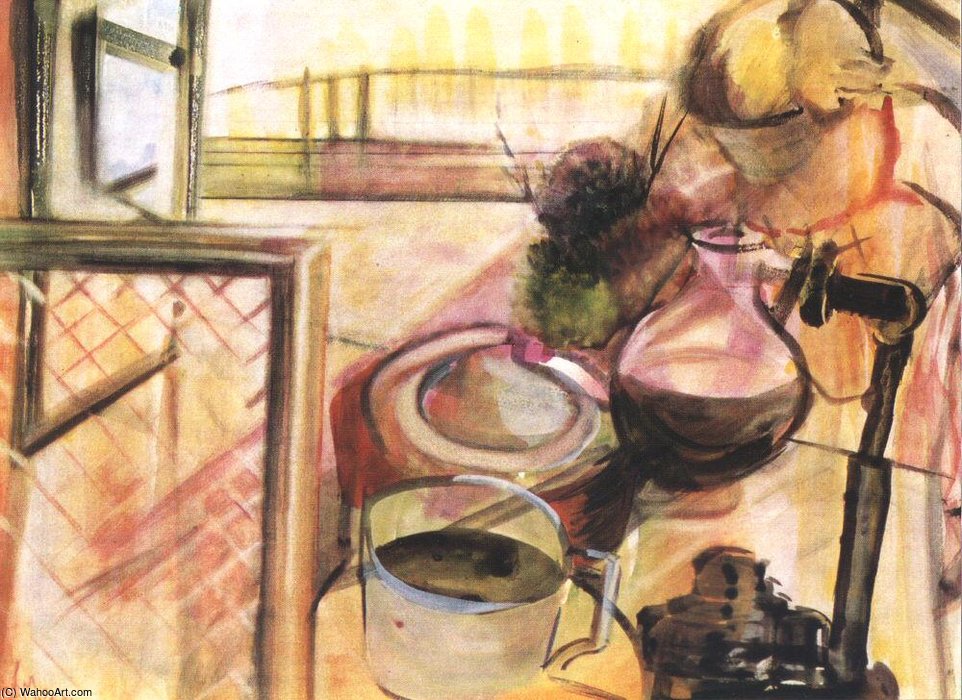
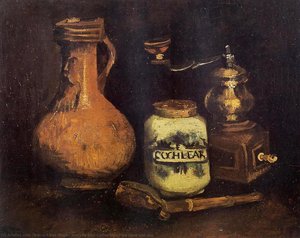
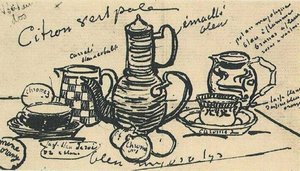
Still-life With Coffee-maker

 Читать далее
Приобретите цифровое изображение высокого разрешения в улучшенном качестве, которое значительно превосходит онлайн-превью.
Каждый файл тщательно подготавливается нашими специалистами с использованием передовых инструментов и экспертной ручной ретуши. Мы гарантируем исключительную четкость, точную цветопередачу и детальную проработку каждого изображения.
Финальный файл доставляется по электронной почте в течение 72 часов и оптимизирован для немедленного использования в профессиональной среде, при верстке и печати. Это тот же уровень качества, которому доверяют ведущие дизайнерские студии, издательства и галереи.
Цифровое изображение
Скачайте файл высокого разрешения для личного использования, печати и творческих проектов. ( Перейти к печати Купить картину ручной работы)
Включено в каждый заказ цифровых изображений
Гарантия экспертной цифровой доставки
Выбирая ArtsDot.com, вы получаете не просто изображение — вы приобретаете профессионально обработанное цифровое произведение искусства, созданное с безупречной точностью и под защитой гарантии качества. Вот всё, что автоматически входит в ваш заказ:

Мгновенная доставка по e-mail
Ваш цифровой файл в высоком разрешении будет отправлен вам по электронной почте в течение 72 часов после оформления заказа — и сразу станет доступен для использования.

Цифровой файл с ИИ-улучшением
Ваше произведение искусства проходит профессиональную оптимизацию с использованием передовых инструментов ИИ и ручной обработки, что гарантирует максимальную детализацию, четкость и точность цветопередачи.

Бессрочная бесплатная повторная доставка
Случайно удалили или потеряли файл? Не беспокойтесь — мы отправим его вам повторно в любое время и совершенно бесплатно.

Без импортных пошлин — навсегда
Наслаждайтесь вашим произведением искусства мгновенно без таможенных пошлин, сборов или затрат на доставку — цифровые загрузки всегда не облагаются налогом.

Гарантия точности цветопередачи
Мы гарантируем, что ваше цифровое изображение максимально точно передает оригинальные цвета благодаря использованию профессиональных инструментов и систем управления цветом.

Гарантия удовлетворенности 100 дней
Если вы не будете удовлетворены своим цифровым изображением, мы внесем правки или вернем 100% стоимости в течение 100 дней — без лишних вопросов.

100% Гарантия возврата средств
Не удовлетворены покупкой? Получите полный возврат средств в течение 100 дней после получения цифрового файла — без лишних вопросов.

Скидки на оптовые заказы
Купите 3 изображения, сэкономьте 10% — Купите 5, сэкономьте 15% — Купите 10+, сэкономьте 20%. Отличное решение для творческих проектов, галерей и агентств.
Похожие произведения
Биография художника
István Farkas: A Lost Voice of the École de Paris
István Farkas, a name largely absent from mainstream art history for decades, represents a poignant and compelling story of artistic talent tragically cut short by the horrors of the Holocaust. Born in Budapest in 1887 into a family deeply rooted in publishing—his father, József Wolfner, was the founder of Singer and Wolfner – Farkas’s early life was marked by both privilege and profound loss. The untimely death of his mother at just four years old shaped his perspective, leading him to adopt the name “Farkas,” a wolf, reflecting a sense of resilience and perhaps even solitude that would permeate much of his work. This transformation—from Wolfner to Farkas – speaks volumes about his personal journey and desire for a new identity.
Farkas’s artistic education began under the guidance of László Mednyánszky in Budapest, an early exposure to the burgeoning Hungarian art scene. He then sought further refinement in Paris, enrolling at the Académie de la Palette – a hub for avant-garde artists during that era. It was here, in 1912, amidst the vibrant Cubist circles of André Salmon, that Farkas truly began to forge his own distinctive style. Salmon’s influence is undeniable; he became a close friend and collaborator, even writing a monograph dedicated to Farkas's work, a testament to the artist’s growing recognition within Parisian artistic circles.
World War I dramatically altered Farkas’s trajectory. He enlisted as a lieutenant in the Austro-Hungarian army, experiencing the brutal realities of war and enduring capture before being held as a prisoner of war in Italy. This period undoubtedly shaped his worldview, contributing to the melancholic undertones often found in his paintings. Following the war, he returned to Budapest, inheriting the family publishing house after his father’s death in 1932 – a responsibility that simultaneously provided stability and demanded significant time commitment. Despite this added burden, he steadfastly maintained his studio in Paris, a crucial space for creative expression and connection with the international art community.
The Parisian Years: Style and Influences
Farkas’s artistic development during his time in Paris is particularly fascinating. He became a significant figure within the École de Paris, an umbrella term encompassing artists from across Europe who flocked to the city seeking inspiration and recognition. His work demonstrates a unique blend of influences – Cubism's fragmented forms, elements of Fauvism’s bold color palettes, and a distinctly Hungarian sensibility. He wasn’t simply replicating established styles; he was synthesizing them into something entirely his own.
His paintings often depict urban landscapes—particularly the bustling streets of Paris—with an almost dreamlike quality. He masterfully captured fleeting moments, conveying a sense of nostalgia and quiet observation. The use of muted colors – predominantly blues, greens, and browns – creates a somber atmosphere, while carefully placed details hint at deeper emotional currents. His compositions frequently feature solitary figures, lost in thought or simply observing the world around them, reflecting a common theme within his oeuvre.
The influence of André Salmon is particularly evident in Farkas’s later work. Salmon encouraged him to explore themes of memory and loss, concepts that resonated deeply with the artist's personal experiences. Farkas’s ability to evoke atmosphere and emotion through subtle brushstrokes and carefully chosen color palettes is a hallmark of his style – a testament to his artistic skill and sensitivity.
A Marriage and a Tragic Interruption
In 1925, István Farkas married Ida Kohner, the daughter of Baron Adolf Kohner, a prominent figure in Hungarian Jewish society. This union brought stability and companionship to his life, and they raised three children together. Their shared artistic interests fostered a creative environment within their home, further fueling Farkas’s passion for painting.
However, this period of relative happiness was abruptly shattered by the rise of anti-Semitic legislation in Hungary during the 1930s. As a Jew, Farkas faced increasing persecution and discrimination. The Hungarian Horthy regime intensified its policies targeting Jewish citizens, creating an atmosphere of fear and uncertainty. Despite these challenges, he continued to exhibit his work, showcasing his talent to a wider audience.
Loss and Legacy
The outbreak of World War II brought unimaginable horrors to Hungary, culminating in the systematic deportation of Jews to Auschwitz. In March 1944, as the Nazi occupation intensified, Farkas, along with his family, was arrested and sent to the Kistarcsa deportation camp. After weeks of confinement, he and others were transported to Auschwitz, where they were murdered upon arrival. His wife, Ida Kohner, met a similar fate, tragically killed by Hungarian fascists shortly before her own deportation.
Farkas’s work remained largely forgotten for decades after the war, overshadowed by the immense tragedy of the Holocaust. However, beginning in the mid-1980s, a renewed interest in his art emerged, fueled by research and rediscovery. Today, István Farkas is recognized as a significant, albeit tragically overlooked, figure within the École de Paris – an artist whose evocative landscapes and poignant portraits offer a powerful glimpse into a lost world and a testament to the enduring power of human creativity even in the face of unimaginable adversity. His paintings now stand as a haunting reminder of his talent and a solemn tribute to a life cut short.
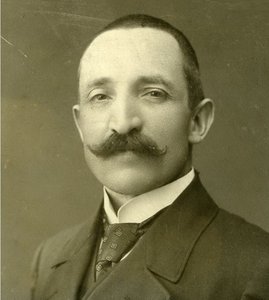
István Farkas
1887 - 1944 , Hungary
Основные сведения
- Artistic Movement Or Style: École de Paris, Cubism
- Artists Or Movements Influenced By This Artist: ['André Salmon']
- Artists Who Influenced This Artist: ['László Mednyánszky']
- Date Of Birth: October 20, 1887
- Full Name: István Farkas
- Nationality: Hungarian
- Notable Artworks: ['Fate (walking At The Water Tower)']
- Place Of Birth: Budapest, Hungary