 Предпросмотр
 Поделиться
 Поделиться
 Детали произведения

 Скачать
 Похожие работы
 Рентгенография
 Слайд-шоу
 Статистика
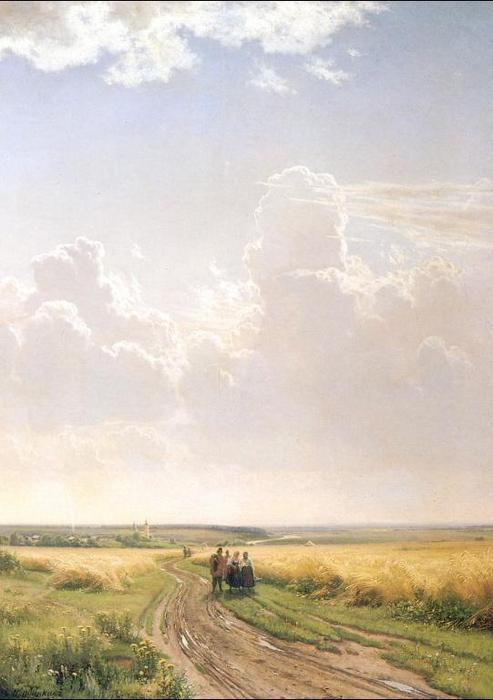
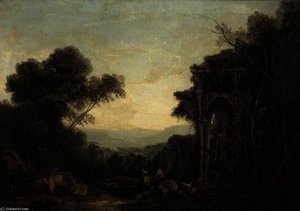
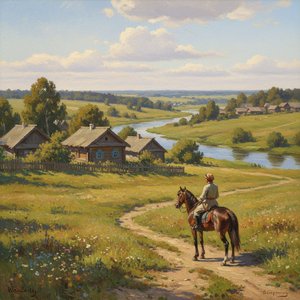
Noon, view near Moscow
 Acrylic
- WallArt
- Contemporary Realism
 1869
1869 111.0 x 80.0 cm
 Третьяковская галерея
 Читать далее
Масляная репродукция ручной работы
Картина маслом на холсте в выбранном вами размере и раме, написанная на заказ нашими художниками. ( Перейти к печати Перейти к цифровым изображениям)




P118B $10

P118H $10

P118W $10

P438Z $10

P508JH $12

P508YH $12

P805H $10

P805Z $10

P919BZ $10

P919G $10

P919XJ $10

P959ZH $10

P968JZ $12

W106C $8

W218G $10

W218JH $8

W218Y $10

W307PJ $10

W316G $10

W316PJ $8

W316Y $10

W398PJ $8

W4111J $10

W500HY $15

W500JH $15

W692G $12

W849H $8

W940BG $15

W953PJ $8




Выберите один из наших стандартных размеров, соответствующих оригинальным пропорциям произведения искусства.

Вы можете указать собственные размеры, чтобы картина идеально вписалась в выбранную раму или пространство. Если выбранный вами размер не соответствует пропорциям оригинала, мы либо обрежем полотно, либо расширим его за счет дополнительных элементов, написанных вручную. Цифровой макет будет отправлен вам на утверждение перед началом производства.
Обратите внимание, что предварительный просмотр на экране не отражает фактическую обрезку или расширение. Только макет точно покажет окончательную композицию.
Хотя доступны индивидуальные размеры, мы рекомендуем выбирать вариант из предопределенного списка, чтобы сохранить исходные пропорции.
После оформления заказа команда ArtsDot.com свяжется с клиентом по электронной почте для уточнения деталей и предоставит предварительный макет
Доставка по всему миру () за 3–4 недели вместо стандартных 5 недель. (13 Сентябрь). Без компромиссов в качестве.

Бесплатная экспресс-доставка по всему миру

Высококачественный льняной холст

Полное страхование доставки

Гарантия возмещения таможенных пошлин

Гарантия точного соответствия цветов

100-дневная политика возврата (только при обнаружении дефектов)

Гарантия возврата 100% средств

Предложение оптовых скидок
 Вариант со стеклом доступен только для размеров менее 110 см

Noon, view near Moscow
Техника репродукции
Размер репродукции
-


Итоговая стоимость
$ 263
Noon Near Moscow, 1869: A Symphony of Rural Tranquility
Ivan Ivanovich Shishkin’s “Noon Near Moscow,” painted in 1869, transcends mere landscape depiction; it embodies the soul of Russia itself—a testament to Romantic idealism and a profound appreciation for the natural world. This monumental canvas (111 x 80 cm) captures a fleeting moment of serenity amidst the dense woodlands surrounding Moscow, offering viewers an immersive experience into Shishkin’s artistic vision.The Artist's Vision: Romantic Landscape Painting
Shishkin belonged to the vanguard of Russian landscape painting during his era, aligning himself firmly with the Romantic movement’s emphasis on emotion and sublime beauty. Unlike earlier artists who sought grandeur in monumental vistas, Shishkin focused on capturing the subtle nuances of everyday life within the forest—a deliberate choice reflecting a broader cultural preoccupation with the pastoral ideal. Influenced by writers like Nikolai Nekrasov and poets such as Alexei Koltsov, Shishkin aimed to portray nature not merely as an aesthetic spectacle but as a source of moral inspiration. His meticulous observation and masterful execution were hallmarks of his distinctive style.Detailed Technique: Impressionistic Brushstrokes
Shishkin employed a technique that blended elements of Romanticism with burgeoning Impressionist influences. He utilized loose, expressive brushstrokes—characteristic of the Impressionists—to convey the dappled light filtering through the foliage and creating an atmospheric haze. However, unlike Monet or Renoir, Shishkin retained a grounding in academic tradition, prioritizing accuracy and detail. The artist painstakingly rendered individual trees, branches, and moss-covered trunks with remarkable precision, capturing textures and colors that would have been impossible to achieve with more stylized approaches. This careful attention to realism distinguishes “Noon Near Moscow” from purely decorative landscapes of the time.Symbolism Within Simplicity: Reflecting Russian Identity
The painting’s symbolism is understated yet powerful. The central group of riders on horseback traversing a dirt road represents not just transportation but also human connection with the land—a core element of Russian identity and folklore. The presence of a dog adds an element of companionship and reinforces the theme of harmony between humans and animals, mirroring Shishkin’s broader belief in the restorative power of nature. Furthermore, the muted palette—dominated by greens, browns, and ochres—evokes the quiet grandeur of the Russian wilderness, conveying a sense of timelessness and spiritual contemplation.Emotional Resonance: Tranquility and Contemplation
“Noon Near Moscow” succeeds in transporting viewers to a place of profound peace and stillness. The artist’s masterful rendering of light and shadow creates an illusion of depth, inviting contemplation and fostering a feeling of immersion within the forest environment. It's more than just a depiction of scenery; it’s an invitation to reconnect with the natural world—a sentiment that resonated deeply with audiences during Shishkin’s lifetime and continues to inspire admiration today. The painting speaks to our innate desire for beauty, simplicity, and connection to something larger than ourselves—qualities that endure across generations.- Artist: Ivan Ivanovich Shishkin
- Year Painted: 1869
- Size: 111 x 80 cm
- Style: Romantic Landscape Painting
- Medium: Oil on Canvas
Похожие произведения
Биография художника
The Soul of the Russian Forest: A Life in Landscape
Ivan Ivanovich Shishkin, a name synonymous with the vast and soulful landscapes of Russia, was born into a world steeped in tradition on January 25, 1832, in Yelabuga, Vyatka Governorate. His early life, though rooted in the mercantile pursuits of his father, Ivan Vasilievich, revealed an innate sensitivity to the natural world—a sensibility that would blossom into a lifelong artistic obsession. The quiet beauty of the surrounding forests and fields, combined with the folklore and legends associated with them, profoundly shaped his developing worldview. After completing his education at the Kazan Gymnasium, Shishkin embarked on a rigorous academic journey, first at the Moscow School of Painting, Sculpture and Architecture for four years, then continuing at the prestigious Saint Petersburg Imperial Academy of Arts from 1856 to 1860. It was here, under the tutelage of renowned masters, that his technical skills were honed, culminating in a gold medal upon graduation—a testament to his exceptional talent and dedication. This academic foundation provided him with the tools to translate his deep connection with nature onto canvas with unparalleled realism.A Master of Realism and the Peredvizhniki Movement
Shishkin’s artistic development was profoundly shaped by his association with the *Peredvizhniki*, or Wanderers, a group of Russian artists who rejected the constraints of academic tradition in favor of bringing art directly to the people. This movement championed realism and sought to depict life as it truly was—often focusing on social issues and the beauty of the Russian countryside. Shishkin’s landscapes perfectly aligned with this ethos; he wasn't merely painting scenery, but capturing the very essence of Russia’s forests, fields, and skies. He became a member of the Imperial Academy in St. Petersburg and later headed the landscape painting class at the Highest Art School there from 1873 to 1898, influencing generations of artists with his meticulous technique and unwavering commitment to portraying nature's grandeur. His dedication wasn’t simply about accurate depiction; it was about evoking a profound emotional response in the viewer—a sense of awe, tranquility, and connection to the land. The *Peredvizhniki* valued direct observation and honest representation, rejecting idealized or romanticized views of nature, and Shishkin embraced this philosophy wholeheartedly.Iconic Visions: Works That Defined a Nation
Shishkin’s oeuvre is populated with masterpieces that have become ingrained in the Russian cultural consciousness. Morning in a Pine Forest, perhaps his most famous work—often mistakenly credited as solely his, though featuring bears painted by Konstantin Savitsky—captures a serene yet powerful scene of sunlight filtering through towering pines. The painting’s enduring appeal lies not only in its technical brilliance but also in its symbolic resonance: the forest representing Russia itself, strong, resilient, and untamed. A Rye Field, with its sweeping expanse of golden wheat under a vast sky, exemplifies his ability to convey the scale and beauty of the Russian plains. Rain in an Oak Forest demonstrates his mastery of atmospheric effects, evoking the damp earthiness and somber mood of a forest after a downpour. These works weren’t simply landscapes; they were national symbols, imbued with a sense of pride and belonging. His attention to detail was legendary—every leaf, every blade of grass rendered with painstaking accuracy, yet always serving the larger composition and emotional impact. Other notable paintings include *The Oaks*, a study in texture and light, and *Distant Forest*, which captures the feeling of vastness and solitude.Technical Innovation and Artistic Influences
Shishkin’s artistic style evolved significantly throughout his career. Initially influenced by the Düsseldorf School of painting—particularly its emphasis on precise observation and linear clarity—he gradually developed a more personal approach, characterized by a deep understanding of color and light. He meticulously studied nature, often working *en plein air* (outdoors) to capture the nuances of atmosphere and texture. His use of muted colors and subtle gradations created a sense of depth and realism that was unparalleled at the time. He also drew inspiration from Russian folklore and traditional peasant life, incorporating elements of these themes into his landscapes. The influence of Ivan Kramskoy, a leading figure in the *Peredvizhniki* movement, is evident in Shishkin’s commitment to social realism and his desire to depict the lives of ordinary people connected to the land.Legacy and Enduring Influence
Ivan Ivanovich Shishkin passed away on March 20, 1898, leaving behind a legacy that continues to inspire artists and captivate audiences today. His contributions to Russian landscape painting are immeasurable; he elevated the genre to new heights of realism and emotional depth. His work is prominently featured in numerous museum collections, including the Kartinnaja galerija Tambov and the Yaroslavl Arts Museum, and can be found on platforms like Kramskoy Museum of Fine Arts (Voronezh, Russia) and ArtsDot. Even beyond the art world, his influence extends to scientific circles—a minor planet, 3558 Shishkin, was named in his honor by Soviet astronomer Lyudmila Zhuravlyova in 1978, a fitting tribute to an artist who so profoundly captured the beauty and majesty of the natural universe. *Shishkin’s paintings remain powerful reminders of the enduring connection between humanity and the land—a testament to his skill, vision, and unwavering dedication to portraying the soul of the Russian forest.*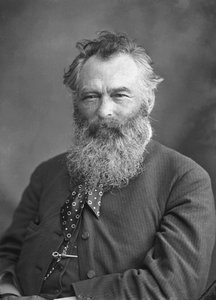
Ivan Ivanovich Shishkin
1832 - 1898 , Россия
Основные сведения
- Artistic Movement Or Style: Реализм, Передвижники
- Artists Or Movements Influenced By This Artist: ['Импрессионизм']
- Artists Who Influenced This Artist: ['Аполлон Мокрицкий']
- Date Of Birth: 25 января 1832
- Date Of Death: 20 марта 1898
- Full Name: Иван Иванович Шишкин
- Nationality: Русский
- Notable Artworks:
- Утро в сосновом лесу
- Пшеничное поле
- Дождь в сосновом лесу
- Place Of Birth: Елабуга, Россия
Похожие статьи

Романтический пейзаж: 10 шедевров, изменивших искусство | ArtsDot.com
Погрузитесь в мир романтического пейзажа! 10 шедевров Фридриха, Тёрнера и других гениев. Узнайте историю создания культовых картин и вдохновитесь для декора интерьера. Репродукции высокого качества на ArtsDot.com.

Evocations of Place: A Historical Journey Through Landscape Art
Explore the rich history of landscape art with ArtsDot. Discover renowned artists, movements like Impressionism & Romanticism, and expert guidance for collecting timeless pieces. Find your perfect serene escape today!
Evocations of Place: A Historical Journey Through Landscape Art
Explore the rich history of landscape art with ArtsDot. Discover renowned artists, movements like Impressionism & tonalism, and expert guidance for collecting timeless pieces. Find your perfect serene escape today!
Топ-10 шедевров импрессионизма: пейзажи, изменившие искусство | ArtsDot
Погрузитесь в мир импрессионизма! Откройте топ-10 шедевров Моне, Ренуара и других великих художников. Узнайте историю создания культовых пейзажей и вдохновитесь для декора интерьера. Репродукции картин высокого качества на ArtsDot.com
Vasily Polenov: A Pioneer of Landscape Impressionism & Russian National Identity
Explore the captivating landscapes of Vasily Polenov, a pivotal figure in Russian art history. Discover his lyrical realism, biblical series & influence on Impressionism. Learn about the 'Knight of Beauty' and his enduring legacy.