 Предпросмотр
 Поделиться
 Поделиться
 Детали произведения

 Скачать
 Похожие работы
 Рентгенография
 Слайд-шоу
 Статистика
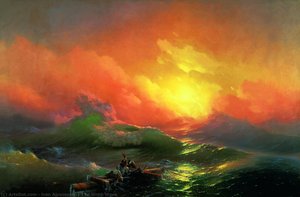
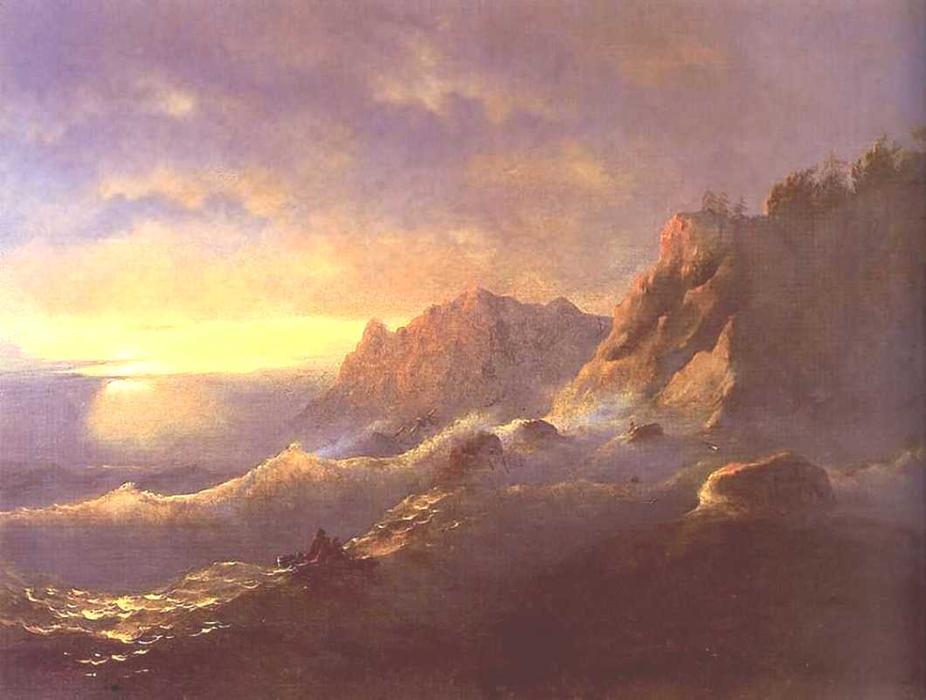
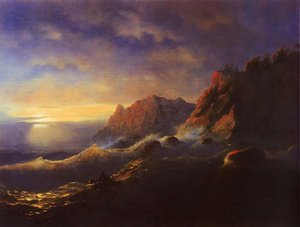
Tempest, sunset
 Oil On Canvas
- WallArt
- Romantic Landscape Painting
 1856
1856 67.0 x 89.0 cm
 Читать далее
Жикле / Арт-принт
Печать (жикле) или холст музейного качества с быстрыми сроками изготовления и широким выбором вариантов отделки. ( Купить картину ручной работы Перейти к цифровым изображениям)




P118B $10

P118H $10

P118W $10

P438Z $10

P508JH $12

P508YH $12

P805H $10

P805Z $10

P919BZ $10

P919G $10

P919XJ $10

P959ZH $10

P968JZ $12

W106C $8

W218G $10

W218JH $8

W218Y $10

W307PJ $10

W316G $10

W316PJ $8

W316Y $10

W398PJ $8

W4111J $10

W500HY $15

W500JH $15

W692G $12

W849H $8

W940BG $15

W953PJ $8




Выберите один из наших стандартных размеров, соответствующих оригинальным пропорциям произведения искусства.

Вы можете указать свои собственные размеры, чтобы репродукция идеально подошла под конкретную раму или пространство. Если выбранный вами размер не будет соответствовать пропорциям оригинала, мы либо обрежем произведение, либо дополним изображение зеркальным отражением краев или однотонной заливкой. Перед началом производства вам будет отправлен цифровой макет для утверждения.
Пожалуйста, обратите внимание, что предварительный просмотр на экране не отображает фактическую обрезку или расширение изображения. Только макет точно покажет финальную композицию.
Несмотря на возможность заказа индивидуальных размеров, мы рекомендуем выбирать размер из предопределенного списка, чтобы сохранить оригинальные пропорции.
Доставка по всему миру () за 2 недели вместо стандартных 4/5 недель. (11 Сентябрь)

Бесплатная экспресс-доставка по всему миру

Высококачественный льняной холст

Полное страхование доставки

Гарантия возмещения таможенных пошлин

Гарантия точного соответствия цветов

100-дневная политика возврата (только при обнаружении дефектов)

Гарантия возврата 100% средств

Предложение оптовых скидок
 Вариант со стеклом доступен только для размеров менее 110 см

Tempest, sunset
Жикле / Арт-принт
Размер репродукции
-


Итоговая стоимость
$ 62
A Symphony of Light and Fury: Exploring Ivan Aivazovsky’s Tempest
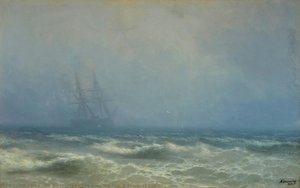
The painting “Tempest,” sunset by Ivan Konstantinovich Aivazovsky—a monumental seascape measuring 67 x 89 cm created in 1856—stands as a testament to the Romantic era's fascination with untamed nature and its ability to evoke profound emotion. More than just a depiction of turbulent waves, it’s an immersive experience for the viewer, transporting them to the precipice of oceanic drama where beauty clashes violently with power. Aivazovsky wasn’t merely recording what he saw; he was channeling his own visceral response to the sea—a reaction deeply rooted in his upbringing amidst the Crimean coastline and solidified by years of dedicated artistic study.Style and Technique: Bold Strokes, Vibrant Color
Aivazovsky's distinctive style is instantly recognizable through his audacious brushwork and masterful manipulation of color. Unlike many artists of his time who favored meticulous detail, he prioritized conveying movement and atmosphere above all else. Thick impasto—heavy application of paint—dominates the canvas, creating a palpable sense of texture that mimics the churning foam and spray of the storm. The palette is dominated by fiery oranges and reds reflecting the dying embers of sunset, juxtaposed against deep blues and greens representing the turbulent depths of the ocean. This dramatic contrast isn’t accidental; it serves to heighten the emotional impact of the scene and underscores Aivazovsky's commitment to capturing the sublime—that elusive blend of terror and wonder experienced when confronted with overwhelming natural grandeur.Historical Context: Romanticism at Its Zenith
“Tempest,” sunset emerged during a period of fervent artistic experimentation within Romanticism, an intellectual movement that championed emotion over reason and celebrated the power of imagination. Artists like Turner and Friedrich similarly sought to depict landscapes as expressions of human experience, prioritizing subjective feeling alongside objective observation. Aivazovsky’s work aligns perfectly with this ethos, reflecting the broader cultural preoccupation with confronting mortality and grappling with the forces beyond human control—themes prevalent in literature and philosophy of the era. The painting was conceived during a time when scientific inquiry was challenging traditional beliefs about the natural world, prompting artists to reconsider their role as interpreters of these grand narratives.Symbolism: Facing Down Chaos
Beyond its visual splendor, “Tempest,” sunset carries symbolic weight. The tempest itself represents not merely meteorological disturbance but also psychological turmoil—the struggle between order and chaos inherent in human existence. The figures scattered along the shoreline serve as anchors to this drama, symbolizing humanity’s vulnerability against the immensity of nature. Yet, amidst the darkness and fury, there's a glimmer of hope embodied by the warm glow of the sunset, suggesting resilience and the promise of renewal after periods of adversity. This duality—the confrontation with destructive forces followed by an affirmation of beauty—is characteristic of Romantic art’s exploration of the human condition.Emotional Impact: Capturing Sublime Terror
Ultimately, “Tempest,” sunset succeeds in eliciting a powerful emotional response from the viewer. The painting compels us to contemplate our place within the universe and confronts us with the awe-inspiring majesty of nature—a force capable of both destruction and sublime beauty. It’s a scene that lingers in the mind long after viewing, prompting reflection on themes of courage, vulnerability, and the enduring power of artistic vision. Reproductions of this masterpiece offer an opportunity to experience this profound aesthetic and intellectual engagement firsthand.Похожие произведения

Биография художника
A Life Embraced by the Waves
Ivan Konstantinovich Aivazovsky, born Hovhannes Aivazian in 1817, was more than a painter of seascapes; he was a conduit to the ocean’s soul. His very existence seemed inextricably linked to the Black Sea—a vast, unpredictable expanse that would forever dominate his artistic vision and fuel an extraordinary career spanning nearly six decades. Born in the Crimean port city of Feodosia, Aivazovsky didn't merely observe the sea; he felt it – its raw energy, sublime beauty, and inherent danger becoming the very essence of his art. From a young age, this connection was nurtured, initially by local architect Jacob Koch who recognized the boy’s talent, then blossoming within the rigorous academic environment of the Imperial Academy of Arts in Saint Petersburg. Yet, formal training alone couldn't account for the depth of Aivazovsky’s understanding; it was the constant presence of salt-laced air and the cries of gulls that truly shaped his artistic sensibility. His Armenian heritage also played a significant role, as he was baptized at the St. Sargis Armenian Church in Feodosia and maintained strong cultural ties throughout his life, occasionally incorporating Armenian themes into his expansive body of work.The Early Years and Artistic Foundations
Aivazovsky’s early years were steeped in the maritime traditions of Feodosia, a bustling port city with deep roots in trade and seafaring. His family, originally from Western Armenia, had migrated to Crimea centuries earlier, establishing themselves as merchants and artisans. This exposure to diverse cultures and the rhythms of the sea undoubtedly influenced his artistic development. Recognizing his exceptional talent at a young age, Jacob Koch, a local architect, encouraged Aivazovsky’s artistic pursuits. Subsequently, he enrolled in the Simferopol gymnasium No.1 and later attended the Imperial Academy of Arts in Saint Petersburg, where he honed his skills under the guidance of established masters. However, it was his time spent observing the Black Sea—the ships, the sailors, the ever-changing moods of the water—that truly shaped his artistic vision. Unlike many artists who relied solely on academic instruction, Aivazovsky’s art was deeply rooted in direct experience and observation, a characteristic that would become a hallmark of his style.The Rise to Prominence: Italy and the Russian Navy
In the early 1840s, Aivazovsky embarked on a transformative journey through Europe, particularly Italy. He spent time in Venice, Florence, and Naples, immersing himself in the landscapes and light of the Mediterranean region. This period proved crucial for his artistic development, allowing him to refine his technique and develop a distinctive style characterized by dramatic compositions and masterful use of color. Returning to Russia, Aivazovsky’s career took an unprecedented turn when he was appointed as the main painter of the Russian Navy in 1845. This appointment provided him with unparalleled access to naval life—ships, sailors, battles, and firsthand observation—transforming his art forever. He became intimately acquainted with maritime life, lending an authenticity to his depictions that resonated deeply with both military officials and the public. His paintings of naval engagements, such as *The Battle of Navarino*, became immensely popular, capturing the drama and intensity of these historical events.A Master of Light and Atmosphere: Style and Technique
Aivazovsky’s artistic style is instantly recognizable for its dramatic lighting effects, turbulent seascapes, and evocative atmosphere. He possessed an extraordinary ability to capture the fleeting qualities of light on water—the shimmering reflections, the hazy mists, and the dramatic contrasts between light and shadow. His technique involved working *en plein air* whenever possible, directly from nature, allowing him to accurately render the nuances of color and texture. He employed a layering technique, applying paint in thin glazes to create luminous surfaces and achieve remarkable depth. Aivazovsky’s paintings are not merely representations of scenes; they are emotional experiences—portraying the power, beauty, and sometimes the terrifying nature of the sea. His most celebrated works include *The Ninth Wave*, a harrowing depiction of a shipwreck, and *Ships in a Storm*, which captures the drama and chaos of a violent storm at sea.Legacy and Enduring Influence
Ivan Konstantinovich Aivazovsky remains one of Russia’s greatest marine artists—a legacy cemented by his technical skill, emotional depth, and prolific output. His paintings are celebrated not only for their aesthetic beauty but also for their ability to evoke powerful emotions and capture the essence of the sea. He significantly contributed to the development of Russian landscape painting, influencing generations of artists with his innovative techniques and dramatic compositions. Aivazovsky’s work continues to resonate with audiences worldwide, exhibited in museums and galleries across the globe. His paintings are a testament to the enduring power of nature and the human spirit—a reminder of our vulnerability in the face of the elements and our capacity for resilience and hope. He wasn't simply a painter of seascapes; he was a poet of the ocean, translating its moods, mysteries, and majesty onto canvas with unparalleled skill and passion.
Иван Константинович Айвазовский
1817 - 1900 , Россия
Основные сведения
- Artistic Movement Or Style: Романтизм, морское искусство
- Artists Or Movements Influenced By This Artist: ['Русская живопись']
- Artists Who Influenced This Artist: ['Дж. М. В. Тёрнер']
- Date Of Birth: 29 июля 1817 г.
- Date Of Death: 5 мая 1900 г.
- Full Name: Иван Константинович Айвазовский
- Nationality: Русско-армянский
- Notable Artworks:
- Девятая волна
- Корабль в шторм
- Морской пейзаж с полной луной
- Place Of Birth: Феодосия, Россия
Похожие статьи
Репродукции картин: руководство по выбору материалов и техникам создания
Закажите высококачественные репродукции картин маслом на холсте от ! Ручная работа, точное соответствие оригиналу, быстрая доставка по всему миру. Создайте свой уникальный интерьер с шедеврами искусства.

Непреходящая ценность масляной живописи ручной работы: эстетика, долговечность и эмоциональный отклик
Узнайте о непреходящей ценности масляной живописи ручной работы! История, техники, советы по уходу и инвестициям. Экспертная информация для ценителей искусства.
Преобразите интерьер: продавайте цифровые изображения как музейные масляные репродукции и инвестируйте в наследие искусства
Преобразите свой интерьер с премиальными масляными репродукциями от ArtsDot – экспертный подход, гарантированное качество и прозрачные цены. Инвестируйте в искусство, создавая наследие, которое ценится поколениями.

От первоначального эскиза к бессмертному наследию: всестороннее исследование создания живописной репродукции маслом
Узнайте все о создании живописных репродукций маслом! Технология, материалы, ручная работа мастеров и индивидуальный подход к заказу. Сохраните любимые шедевры в своем доме с ArtsDot.
The Allure of the Horizon: A Comprehensive Exploration of Seascape Art Through History & Emotion
Explore the captivating world of seascape art! Discover its history, key artists & movements – from Dutch Masters to Impressionism. Expert insights for collectors and enthusiasts at ArtsDot.