 Предпросмотр
 Поделиться
 Поделиться
 Детали произведения

 Скачать
 Похожие работы
 Рентгенография
 Слайд-шоу
 Статистика
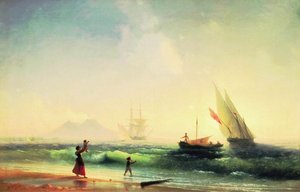
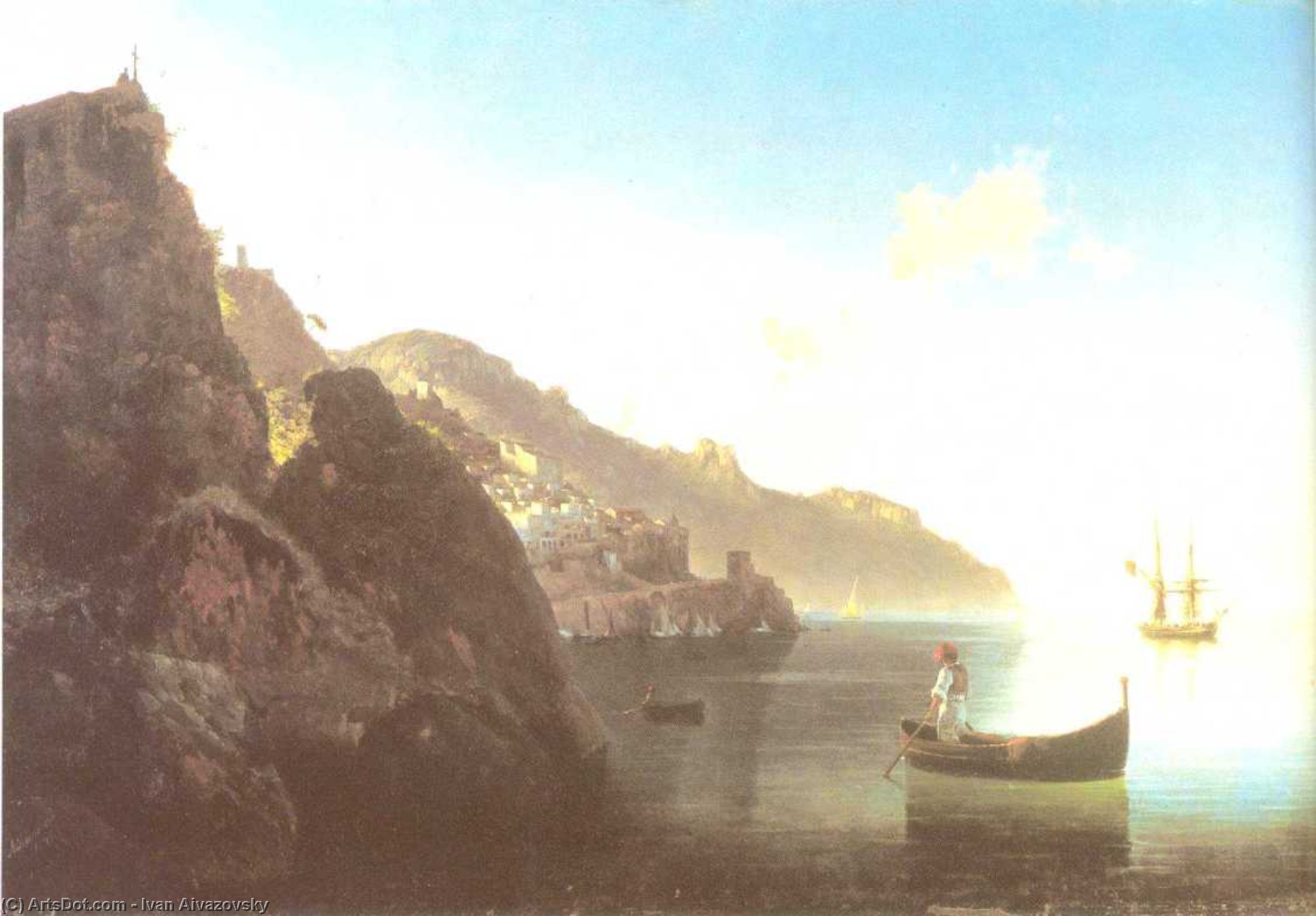
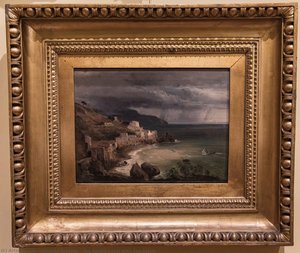
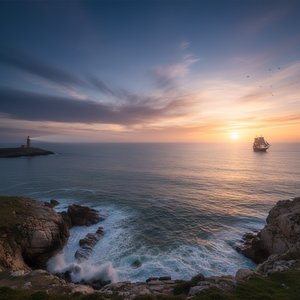
The Coast at Amalfi.
 Oil On Canvas
- WallArt
- Romanticism
 1841
1841- 19th Century
 71.0 x 105.0 cm
 Читать далее
Масляная репродукция ручной работы
Картина маслом на холсте в выбранном вами размере и раме, написанная на заказ нашими художниками. ( Перейти к печати Перейти к цифровым изображениям)




P118B $10

P118H $10

P118W $10

P438Z $10

P508JH $12

P508YH $12

P805H $10

P805Z $10

P919BZ $10

P919G $10

P919XJ $10

P959ZH $10

P968JZ $12

W106C $8

W218G $10

W218JH $8

W218Y $10

W307PJ $10

W316G $10

W316PJ $8

W316Y $10

W398PJ $8

W4111J $10

W500HY $15

W500JH $15

W692G $12

W849H $8

W940BG $15

W953PJ $8




Выберите один из наших стандартных размеров, соответствующих оригинальным пропорциям произведения искусства.

Вы можете указать собственные размеры, чтобы картина идеально вписалась в выбранную раму или пространство. Если выбранный вами размер не соответствует пропорциям оригинала, мы либо обрежем полотно, либо расширим его за счет дополнительных элементов, написанных вручную. Цифровой макет будет отправлен вам на утверждение перед началом производства.
Обратите внимание, что предварительный просмотр на экране не отражает фактическую обрезку или расширение. Только макет точно покажет окончательную композицию.
Хотя доступны индивидуальные размеры, мы рекомендуем выбирать вариант из предопределенного списка, чтобы сохранить исходные пропорции.
После оформления заказа команда ArtsDot.com свяжется с клиентом по электронной почте для уточнения деталей и предоставит предварительный макет
Доставка по всему миру () за 3–4 недели вместо стандартных 5 недель. (11 Сентябрь). Без компромиссов в качестве.

Бесплатная экспресс-доставка по всему миру

Высококачественный льняной холст

Полное страхование доставки

Гарантия возмещения таможенных пошлин

Гарантия точного соответствия цветов

100-дневная политика возврата (только при обнаружении дефектов)

Гарантия возврата 100% средств

Предложение оптовых скидок
 Вариант со стеклом доступен только для размеров менее 110 см

The Coast at Amalfi.
Техника репродукции
Размер репродукции
-


Итоговая стоимость
$ 263
A Symphony of Azure Hues: Capturing the Soul of Amalfi
To gaze upon Ivan Aivazovsky's "The Coast at Amalfi" is not merely to look at a painting; it is to be enveloped by the very breath of the Mediterranean. This breathtaking oil on canvas, executed in 1841, transports the viewer to a sun-drenched corner of Italy where the rugged majesty of mountains meets the endless, shimmering expanse of the sea. Aivazovsky, the master chronicler of maritime life, possessed an almost mystical ability to translate the raw energy and profound tranquility of the ocean onto canvas. The scene unfolds with a palpable serenity, inviting one to step across the threshold of the frame and join the leisurely rhythm of coastal existence.
Mastery in Light and Movement
Technically, the painting is a revelation in its handling of light. Aivazovsky’s brushwork, often described as soft yet incredibly dynamic, seems to capture the very movement of water—the gentle lapping against unseen shores, the subtle shift of color across the waves. The interplay between the deep blues of the water and the warm ochres of the distant land creates an astonishing sense of depth. Notice how the light catches the scattered boats, giving each vessel a unique presence, while the central figure in his boat seems suspended in a moment of perfect contemplation. It is this masterful control over luminosity that gives the entire composition its vibrant, yet deeply peaceful, energy.
The Narrative Echoes on the Shore
Beyond the grand sweep of the seascape, Aivazovsky populates this idyllic scene with life, imbuing it with a quiet narrative. The presence of figures enjoying the water's edge, the scattered boats suggesting journeys both recent and yet to come, and even the inclusion of two watchful dogs—one near the left flank and another toward the right—grounds the sublime view in human experience. These details transform the painting from a mere landscape into a poignant tableau of leisure, connection, and the enduring beauty of nature’s embrace.
Symbolism and Emotional Resonance
For the art lover or collector, this piece offers more than just decoration; it offers an emotional anchor. The sea in Aivazovsky's work has always been a symbol—a mirror reflecting both humanity's vulnerability and its boundless capacity for wonder. "The Coast at Amalfi" speaks to escapism, to the yearning for a place where time slows down and the only concerns are the horizon and the gentle breeze. Owning a reproduction of this work allows one to curate a space filled with that same sense of profound calm, transforming any room into a sun-drenched Mediterranean retreat.
A Timeless Acquisition
Whether you are an interior designer seeking to infuse a grand hall with Old World romance or a collector desiring a piece steeped in the romanticism of 19th-century Russian art, this painting remains eternally captivating. The rich palette and masterful composition ensure that "The Coast at Amalfi" does not merely hang on a wall; it breathes life into the very atmosphere of your home, inviting contemplation with every glance.
Похожие произведения


Биография художника
A Life Embraced by the Waves
Ivan Konstantinovich Aivazovsky, born Hovhannes Aivazian in 1817, was more than a painter of seascapes; he was a conduit to the ocean’s soul. His very existence seemed inextricably linked to the Black Sea—a vast, unpredictable expanse that would forever dominate his artistic vision and fuel an extraordinary career spanning nearly six decades. Born in the Crimean port city of Feodosia, Aivazovsky didn't merely observe the sea; he felt it – its raw energy, sublime beauty, and inherent danger becoming the very essence of his art. From a young age, this connection was nurtured, initially by local architect Jacob Koch who recognized the boy’s talent, then blossoming within the rigorous academic environment of the Imperial Academy of Arts in Saint Petersburg. Yet, formal training alone couldn't account for the depth of Aivazovsky’s understanding; it was the constant presence of salt-laced air and the cries of gulls that truly shaped his artistic sensibility. His Armenian heritage also played a significant role, as he was baptized at the St. Sargis Armenian Church in Feodosia and maintained strong cultural ties throughout his life, occasionally incorporating Armenian themes into his expansive body of work.The Early Years and Artistic Foundations
Aivazovsky’s early years were steeped in the maritime traditions of Feodosia, a bustling port city with deep roots in trade and seafaring. His family, originally from Western Armenia, had migrated to Crimea centuries earlier, establishing themselves as merchants and artisans. This exposure to diverse cultures and the rhythms of the sea undoubtedly influenced his artistic development. Recognizing his exceptional talent at a young age, Jacob Koch, a local architect, encouraged Aivazovsky’s artistic pursuits. Subsequently, he enrolled in the Simferopol gymnasium No.1 and later attended the Imperial Academy of Arts in Saint Petersburg, where he honed his skills under the guidance of established masters. However, it was his time spent observing the Black Sea—the ships, the sailors, the ever-changing moods of the water—that truly shaped his artistic vision. Unlike many artists who relied solely on academic instruction, Aivazovsky’s art was deeply rooted in direct experience and observation, a characteristic that would become a hallmark of his style.The Rise to Prominence: Italy and the Russian Navy
In the early 1840s, Aivazovsky embarked on a transformative journey through Europe, particularly Italy. He spent time in Venice, Florence, and Naples, immersing himself in the landscapes and light of the Mediterranean region. This period proved crucial for his artistic development, allowing him to refine his technique and develop a distinctive style characterized by dramatic compositions and masterful use of color. Returning to Russia, Aivazovsky’s career took an unprecedented turn when he was appointed as the main painter of the Russian Navy in 1845. This appointment provided him with unparalleled access to naval life—ships, sailors, battles, and firsthand observation—transforming his art forever. He became intimately acquainted with maritime life, lending an authenticity to his depictions that resonated deeply with both military officials and the public. His paintings of naval engagements, such as *The Battle of Navarino*, became immensely popular, capturing the drama and intensity of these historical events.A Master of Light and Atmosphere: Style and Technique
Aivazovsky’s artistic style is instantly recognizable for its dramatic lighting effects, turbulent seascapes, and evocative atmosphere. He possessed an extraordinary ability to capture the fleeting qualities of light on water—the shimmering reflections, the hazy mists, and the dramatic contrasts between light and shadow. His technique involved working *en plein air* whenever possible, directly from nature, allowing him to accurately render the nuances of color and texture. He employed a layering technique, applying paint in thin glazes to create luminous surfaces and achieve remarkable depth. Aivazovsky’s paintings are not merely representations of scenes; they are emotional experiences—portraying the power, beauty, and sometimes the terrifying nature of the sea. His most celebrated works include *The Ninth Wave*, a harrowing depiction of a shipwreck, and *Ships in a Storm*, which captures the drama and chaos of a violent storm at sea.Legacy and Enduring Influence
Ivan Konstantinovich Aivazovsky remains one of Russia’s greatest marine artists—a legacy cemented by his technical skill, emotional depth, and prolific output. His paintings are celebrated not only for their aesthetic beauty but also for their ability to evoke powerful emotions and capture the essence of the sea. He significantly contributed to the development of Russian landscape painting, influencing generations of artists with his innovative techniques and dramatic compositions. Aivazovsky’s work continues to resonate with audiences worldwide, exhibited in museums and galleries across the globe. His paintings are a testament to the enduring power of nature and the human spirit—a reminder of our vulnerability in the face of the elements and our capacity for resilience and hope. He wasn't simply a painter of seascapes; he was a poet of the ocean, translating its moods, mysteries, and majesty onto canvas with unparalleled skill and passion.
Иван Константинович Айвазовский
1817 - 1900 , Россия
Основные сведения
- Artistic Movement Or Style: Романтизм, морское искусство
- Artists Or Movements Influenced By This Artist: ['Русская живопись']
- Artists Who Influenced This Artist: ['Дж. М. В. Тёрнер']
- Date Of Birth: 29 июля 1817 г.
- Date Of Death: 5 мая 1900 г.
- Full Name: Иван Константинович Айвазовский
- Nationality: Русско-армянский
- Notable Artworks:
- Девятая волна
- Корабль в шторм
- Морской пейзаж с полной луной
- Place Of Birth: Феодосия, Россия
Похожие статьи

Ivan Bilibin: A Synthesis of Folklore, Modernism & National Identity in Russian Illustration
Explore the enchanting world of Ivan Bilibin, a master Russian illustrator who synthesized folklore, Art Nouveau & national identity. Discover his iconic fairy tale illustrations and legacy with ArtsDot.
Victor Vasnetsov: Myth, Nationalism & the Revival of Russian Fairy Tale Painting
Explore the captivating world of Victor Vasnetsov, a co-founder of Russian folklorist painting. Discover his iconic works, influence on national identity, and lasting legacy in this expert guide.
Ivan Aivazovsky: Mastering Light & Emotion in 19th-Century Marine Painting
Explore the captivating world of Ivan Aivazovsky, a master of 19th-century marine painting. Discover his techniques, iconic artworks & lasting legacy in this expert guide.
The Allure of the Horizon: A Comprehensive Exploration of Seascape Art Through History & Emotion
Explore the captivating world of seascape art! Discover its history, key artists & movements – from Dutch Masters to Impressionism. Expert insights for collectors and enthusiasts at ArtsDot.

Romantic Realism's Finest: 10 Masterpieces for Your Home | ArtsDot
Explore 10 defining masterpieces of Romantic Realism! Discover Courbet, Millet & Daumier's powerful paintings—capturing emotion and social realities. Find museum-quality reproductions for your home at ArtsDot.com.