

 Предпросмотр
 Поделиться
 Поделиться
 Детали произведения

 Скачать
 Похожие работы
 Рентгенография
 Слайд-шоу
 Статистика
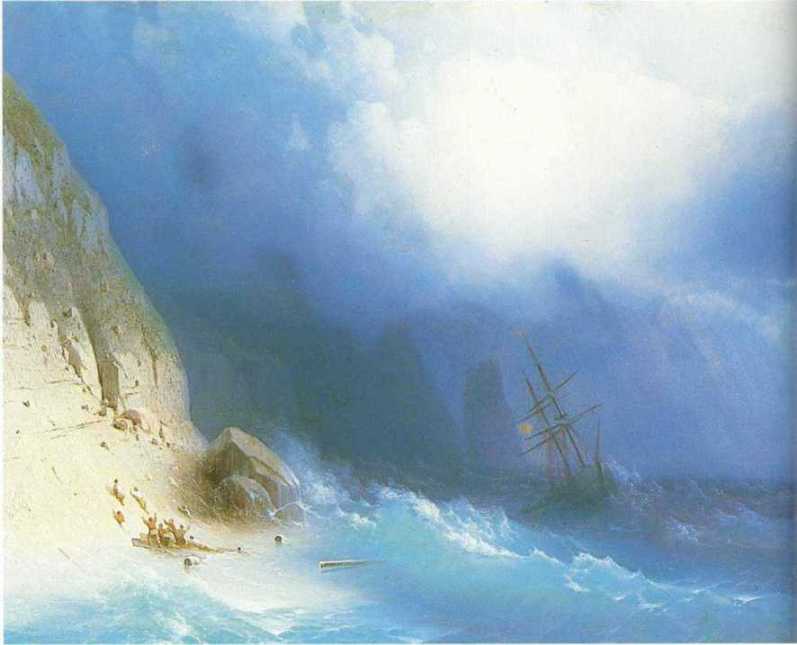
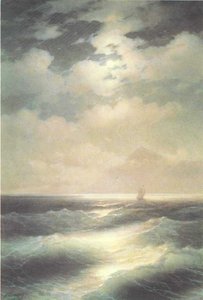
The Shipwreck near rocks
 Oil On Canvas
- WallArt
- Romanticism
 1870
1870- 19th Century
 36.0 x 46.0 cm
 Читать далее
Приобретите цифровое изображение высокого разрешения в улучшенном качестве, которое значительно превосходит онлайн-превью.
Каждый файл тщательно подготавливается нашими специалистами с использованием передовых инструментов и экспертной ручной ретуши. Мы гарантируем исключительную четкость, точную цветопередачу и детальную проработку каждого изображения.
Финальный файл доставляется по электронной почте в течение 72 часов и оптимизирован для немедленного использования в профессиональной среде, при верстке и печати. Это тот же уровень качества, которому доверяют ведущие дизайнерские студии, издательства и галереи.
Цифровое изображение
Скачайте файл высокого разрешения для личного использования, печати и творческих проектов. ( Перейти к печати Купить картину ручной работы)
Включено в каждый заказ цифровых изображений
Гарантия экспертной цифровой доставки
Выбирая ArtsDot.com, вы получаете не просто изображение — вы приобретаете профессионально обработанное цифровое произведение искусства, созданное с безупречной точностью и под защитой гарантии качества. Вот всё, что автоматически входит в ваш заказ:

Мгновенная доставка по e-mail
Ваш цифровой файл в высоком разрешении будет отправлен вам по электронной почте в течение 72 часов после оформления заказа — и сразу станет доступен для использования.

Цифровой файл с ИИ-улучшением
Ваше произведение искусства проходит профессиональную оптимизацию с использованием передовых инструментов ИИ и ручной обработки, что гарантирует максимальную детализацию, четкость и точность цветопередачи.

Бессрочная бесплатная повторная доставка
Случайно удалили или потеряли файл? Не беспокойтесь — мы отправим его вам повторно в любое время и совершенно бесплатно.

Без импортных пошлин — навсегда
Наслаждайтесь вашим произведением искусства мгновенно без таможенных пошлин, сборов или затрат на доставку — цифровые загрузки всегда не облагаются налогом.

Гарантия точности цветопередачи
Мы гарантируем, что ваше цифровое изображение максимально точно передает оригинальные цвета благодаря использованию профессиональных инструментов и систем управления цветом.

Гарантия удовлетворенности 100 дней
Если вы не будете удовлетворены своим цифровым изображением, мы внесем правки или вернем 100% стоимости в течение 100 дней — без лишних вопросов.

100% Гарантия возврата средств
Не удовлетворены покупкой? Получите полный возврат средств в течение 100 дней после получения цифрового файла — без лишних вопросов.

Скидки на оптовые заказы
Купите 3 изображения, сэкономьте 10% — Купите 5, сэкономьте 15% — Купите 10+, сэкономьте 20%. Отличное решение для творческих проектов, галерей и агентств.
The Shipwreck near Rocks: A Dramatic Vision of Nature's Power
Ivan Aivazovsky’s "The Shipwreck near rocks," painted in 1870, is a captivating depiction of maritime disaster and the sublime power of nature. Measuring 36 x 46 cm, this oil on canvas painting exemplifies the Romantic artistic movement, showcasing Aivazovsky's mastery of light, color, and dramatic composition. The artwork transports viewers to a turbulent seascape where a ship has met its fate against a formidable rocky coastline.
Artistic Style and Technique
The painting is characterized by its dynamic brushwork and masterful use of chiaroscuro – the contrast between light and dark. Towering cliffs dominate the left side of the canvas, rendered with meticulous detail to emphasize their rugged beauty and imposing presence. The foreground features figures struggling amidst the wreckage, highlighting the human element in the face of overwhelming natural forces. The waves themselves are a spectacle of motion, painted with swirling strokes that convey their relentless energy as they crash against the shore. Aivazovsky’s technique skillfully captures the texture of water, rock, and sky, creating a sense of realism while simultaneously elevating the scene to a realm of heightened emotion.
Historical Context and Romanticism
Created during the height of the Romantic era, "The Shipwreck near rocks" reflects the movement’s fascination with nature's grandeur and its capacity for both beauty and destruction. Romantic artists often sought to evoke strong emotions in their viewers, and Aivazovsky achieves this through his dramatic portrayal of a tragic event. The painting can be seen as a commentary on humanity's vulnerability against the forces of nature, a common theme explored by Romantic painters. Aivazovsky, born in Crimea, drew heavily from his experiences observing the Black Sea, imbuing his works with an authentic understanding of maritime life and its inherent dangers.
Symbolism and Emotional Impact
Beyond its literal depiction of a shipwreck, the painting is rich in symbolism. The ship represents human ambition and endeavor, while the storm embodies chaos and uncertainty. The rocky coastline symbolizes resilience and endurance against adversity. The interplay of light and shadow creates a powerful emotional impact, evoking feelings of awe, fear, and perhaps even hope amidst despair. The bright area suggesting sunlight breaking through the storm clouds offers a glimmer of optimism, hinting at the possibility of survival or redemption. Ultimately, "The Shipwreck near rocks" is a poignant meditation on the fragility of human existence in the face of nature’s immense power.
About Ivan Aivazovsky
- Birth Year: 1817
- Death Year: 1900
- Birth City: Feodosia
- Birth Country: Russia
- A renowned Russian Romantic painter, Aivazovsky created approximately 6,000 paintings, primarily seascapes. He is considered one of the greatest masters of marine art.
Похожие произведения


Биография художника
A Life Embraced by the Waves
Ivan Konstantinovich Aivazovsky, born Hovhannes Aivazian in 1817, was more than a painter of seascapes; he was a conduit to the ocean’s soul. His very existence seemed inextricably linked to the Black Sea—a vast, unpredictable expanse that would forever dominate his artistic vision and fuel an extraordinary career spanning nearly six decades. Born in the Crimean port city of Feodosia, Aivazovsky didn't merely observe the sea; he felt it – its raw energy, sublime beauty, and inherent danger becoming the very essence of his art. From a young age, this connection was nurtured, initially by local architect Jacob Koch who recognized the boy’s talent, then blossoming within the rigorous academic environment of the Imperial Academy of Arts in Saint Petersburg. Yet, formal training alone couldn't account for the depth of Aivazovsky’s understanding; it was the constant presence of salt-laced air and the cries of gulls that truly shaped his artistic sensibility. His Armenian heritage also played a significant role, as he was baptized at the St. Sargis Armenian Church in Feodosia and maintained strong cultural ties throughout his life, occasionally incorporating Armenian themes into his expansive body of work.The Early Years and Artistic Foundations
Aivazovsky’s early years were steeped in the maritime traditions of Feodosia, a bustling port city with deep roots in trade and seafaring. His family, originally from Western Armenia, had migrated to Crimea centuries earlier, establishing themselves as merchants and artisans. This exposure to diverse cultures and the rhythms of the sea undoubtedly influenced his artistic development. Recognizing his exceptional talent at a young age, Jacob Koch, a local architect, encouraged Aivazovsky’s artistic pursuits. Subsequently, he enrolled in the Simferopol gymnasium No.1 and later attended the Imperial Academy of Arts in Saint Petersburg, where he honed his skills under the guidance of established masters. However, it was his time spent observing the Black Sea—the ships, the sailors, the ever-changing moods of the water—that truly shaped his artistic vision. Unlike many artists who relied solely on academic instruction, Aivazovsky’s art was deeply rooted in direct experience and observation, a characteristic that would become a hallmark of his style.The Rise to Prominence: Italy and the Russian Navy
In the early 1840s, Aivazovsky embarked on a transformative journey through Europe, particularly Italy. He spent time in Venice, Florence, and Naples, immersing himself in the landscapes and light of the Mediterranean region. This period proved crucial for his artistic development, allowing him to refine his technique and develop a distinctive style characterized by dramatic compositions and masterful use of color. Returning to Russia, Aivazovsky’s career took an unprecedented turn when he was appointed as the main painter of the Russian Navy in 1845. This appointment provided him with unparalleled access to naval life—ships, sailors, battles, and firsthand observation—transforming his art forever. He became intimately acquainted with maritime life, lending an authenticity to his depictions that resonated deeply with both military officials and the public. His paintings of naval engagements, such as *The Battle of Navarino*, became immensely popular, capturing the drama and intensity of these historical events.A Master of Light and Atmosphere: Style and Technique
Aivazovsky’s artistic style is instantly recognizable for its dramatic lighting effects, turbulent seascapes, and evocative atmosphere. He possessed an extraordinary ability to capture the fleeting qualities of light on water—the shimmering reflections, the hazy mists, and the dramatic contrasts between light and shadow. His technique involved working *en plein air* whenever possible, directly from nature, allowing him to accurately render the nuances of color and texture. He employed a layering technique, applying paint in thin glazes to create luminous surfaces and achieve remarkable depth. Aivazovsky’s paintings are not merely representations of scenes; they are emotional experiences—portraying the power, beauty, and sometimes the terrifying nature of the sea. His most celebrated works include *The Ninth Wave*, a harrowing depiction of a shipwreck, and *Ships in a Storm*, which captures the drama and chaos of a violent storm at sea.Legacy and Enduring Influence
Ivan Konstantinovich Aivazovsky remains one of Russia’s greatest marine artists—a legacy cemented by his technical skill, emotional depth, and prolific output. His paintings are celebrated not only for their aesthetic beauty but also for their ability to evoke powerful emotions and capture the essence of the sea. He significantly contributed to the development of Russian landscape painting, influencing generations of artists with his innovative techniques and dramatic compositions. Aivazovsky’s work continues to resonate with audiences worldwide, exhibited in museums and galleries across the globe. His paintings are a testament to the enduring power of nature and the human spirit—a reminder of our vulnerability in the face of the elements and our capacity for resilience and hope. He wasn't simply a painter of seascapes; he was a poet of the ocean, translating its moods, mysteries, and majesty onto canvas with unparalleled skill and passion.
Иван Константинович Айвазовский
1817 - 1900 , Россия
Основные сведения
- Artistic Movement Or Style: Романтизм, морское искусство
- Artists Or Movements Influenced By This Artist: ['Русская живопись']
- Artists Who Influenced This Artist: ['Дж. М. В. Тёрнер']
- Date Of Birth: 29 июля 1817 г.
- Date Of Death: 5 мая 1900 г.
- Full Name: Иван Константинович Айвазовский
- Nationality: Русско-армянский
- Notable Artworks:
- Девятая волна
- Корабль в шторм
- Морской пейзаж с полной луной
- Place Of Birth: Феодосия, Россия