


 Предпросмотр
 Поделиться
 Поделиться
 Детали произведения

 Скачать
 Похожие работы
 Рентгенография
 Слайд-шоу
 Статистика
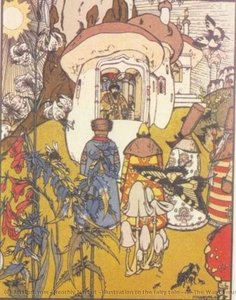
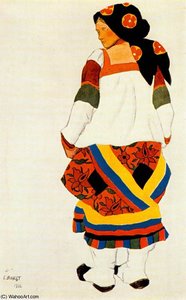
Illustration for the poem 'The Tale of the Golden Cockerel' by Alexander Pushkin

 Читать далее
Приобретите цифровое изображение высокого разрешения в улучшенном качестве, которое значительно превосходит онлайн-превью.
Каждый файл тщательно подготавливается нашими специалистами с использованием передовых инструментов и экспертной ручной ретуши. Мы гарантируем исключительную четкость, точную цветопередачу и детальную проработку каждого изображения.
Финальный файл доставляется по электронной почте в течение 72 часов и оптимизирован для немедленного использования в профессиональной среде, при верстке и печати. Это тот же уровень качества, которому доверяют ведущие дизайнерские студии, издательства и галереи.
Цифровое изображение
Скачайте файл высокого разрешения для личного использования, печати и творческих проектов. ( Перейти к печати Купить картину ручной работы)
Включено в каждый заказ цифровых изображений
Гарантия экспертной цифровой доставки
Выбирая ArtsDot.com, вы получаете не просто изображение — вы приобретаете профессионально обработанное цифровое произведение искусства, созданное с безупречной точностью и под защитой гарантии качества. Вот всё, что автоматически входит в ваш заказ:

Мгновенная доставка по e-mail
Ваш цифровой файл в высоком разрешении будет отправлен вам по электронной почте в течение 72 часов после оформления заказа — и сразу станет доступен для использования.

Цифровой файл с ИИ-улучшением
Ваше произведение искусства проходит профессиональную оптимизацию с использованием передовых инструментов ИИ и ручной обработки, что гарантирует максимальную детализацию, четкость и точность цветопередачи.

Бессрочная бесплатная повторная доставка
Случайно удалили или потеряли файл? Не беспокойтесь — мы отправим его вам повторно в любое время и совершенно бесплатно.

Без импортных пошлин — навсегда
Наслаждайтесь вашим произведением искусства мгновенно без таможенных пошлин, сборов или затрат на доставку — цифровые загрузки всегда не облагаются налогом.

Гарантия точности цветопередачи
Мы гарантируем, что ваше цифровое изображение максимально точно передает оригинальные цвета благодаря использованию профессиональных инструментов и систем управления цветом.

Гарантия удовлетворенности 100 дней
Если вы не будете удовлетворены своим цифровым изображением, мы внесем правки или вернем 100% стоимости в течение 100 дней — без лишних вопросов.

100% Гарантия возврата средств
Не удовлетворены покупкой? Получите полный возврат средств в течение 100 дней после получения цифрового файла — без лишних вопросов.

Скидки на оптовые заказы
Купите 3 изображения, сэкономьте 10% — Купите 5, сэкономьте 15% — Купите 10+, сэкономьте 20%. Отличное решение для творческих проектов, галерей и агентств.
Похожие произведения
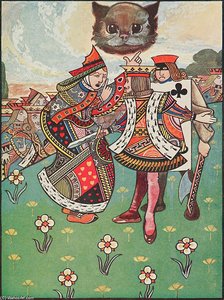
Биография художника
Ivan Yakovlevich Bilibin: A Life in Art
Early Life and Education
- Born: 1876 in Tarkhovka, a suburb of St. Petersburg, Russia.
- Ivan Bilibin demonstrated an early aptitude for art, nurtured by the vibrant cultural atmosphere of his surroundings.
- He initially studied law at the University of St. Petersburg but soon abandoned it to pursue his artistic passions.
- Bilibin received formal training at Anton Ažbe's School of Art in Munich (1898), where he was exposed to Art Nouveau and German satirical illustration, particularly the journal *Simplicissimus*.
- He further honed his skills under the tutelage of Ilya Repin at the Imperial Academy of Arts in St. Petersburg.
Artistic Development and Influences
- Early Influences: Bilibin’s artistic development was profoundly shaped by his ethnographic expeditions to northern Russia (Vologda, Olonetsk, Arkhangelsk governorates) between 1902-1904.
- These travels sparked a deep fascination with Russian folk art, wooden architecture, and the rich traditions of the peasantry. He documented his findings in *Narodnoye tvorchestvo russkogo severa* (Folk Arts of the Russian North) published in 1904.
- Japanese prints, with their emphasis on line, composition, and narrative storytelling, also exerted a significant influence on his style.
- He embraced a distinctive aesthetic that blended elements of traditional Russian iconography, folk art motifs, and the decorative qualities of Art Nouveau.
Key Works and Artistic Style
- Illustrations of Fairy Tales: Bilibin achieved widespread recognition for his enchanting illustrations of Russian fairy tales, beginning in 1899. Notable works include depictions of *Baba Yaga*, *Vasilisa the Beautiful*, and *Ivan Tsarevich catching the Firebird’s feather*.
- Stage Design: He became a sought-after stage designer, collaborating with Sergei Diaghilev's Ballets Russes. His designs for Nikolai Rimsky-Korsakov’s *The Golden Cockerel* (1909) are particularly celebrated.
- Distinctive Style: Bilibin’s style is characterized by its elegant lines, flattened perspective, symbolic use of color, and meticulous attention to detail. He often incorporated elements of medieval Russian manuscript illumination into his work.
- He also created posters and book illustrations for various publications, including *Dog Rose* and the Moscow Publishing House.
Political Engagement and Later Life
- Revolutionary Period: During the Russian Revolution of 1905, Bilibin created politically charged cartoons for the magazine *Župel*, which was later banned.
- Exile and Return: Following the October Revolution in 1917, disillusioned with the new regime, he left Russia. He lived in Cairo, Alexandria, and eventually settled in Paris (1925), where he worked as a decorator.
- Despite his initial departure, Bilibin harbored a longing for his homeland and returned to the Soviet Union in 1936 after decorating the Soviet Embassy.
- Tragic End: He died during the Siege of Leningrad in 1942, refusing to evacuate despite the dire conditions.
Legacy and Historical Significance
- Ivan Bilibin is considered one of Russia’s most important illustrators and stage designers.
- Revival of National Identity: His work played a crucial role in reviving interest in Russian folklore and national identity during a period of rapid social and political change.
- Influence on Modern Art: Bilibin’s distinctive style influenced subsequent generations of artists, particularly those interested in exploring the intersection of art, folklore, and national culture.
- His illustrations continue to captivate audiences worldwide with their beauty, imagination, and evocative portrayal of a bygone era.
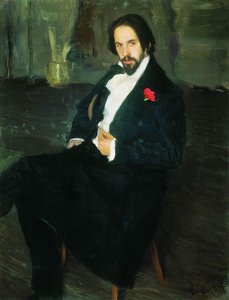
ivan yakovlevich bilibin
1876 - 1942
Основные сведения
- Birth_Date: 1876
- Birth_Place: Tarkhovka, St. Petersburg
- Death_Date: 1942
- Influenced_By:
- Anton Ažbe
- Ilya Repin
- Art Nouveau
- Japanese prints
- Movement: World of Art, Russian Modernism
- Name: Ivan Yakovlevich Bilibin
- Nationality: Russian
- Notable_Works:
- Illustrations of Russian Fairy Tales
- The Golden Cockerel (stage design)
- Baba Yaga
- Vasilisa the Beautiful
- Sadko