 Предпросмотр
 Поделиться
 Поделиться
 Детали произведения

 Скачать
 Похожие работы
 Рентгенография
 Слайд-шоу
 Статистика
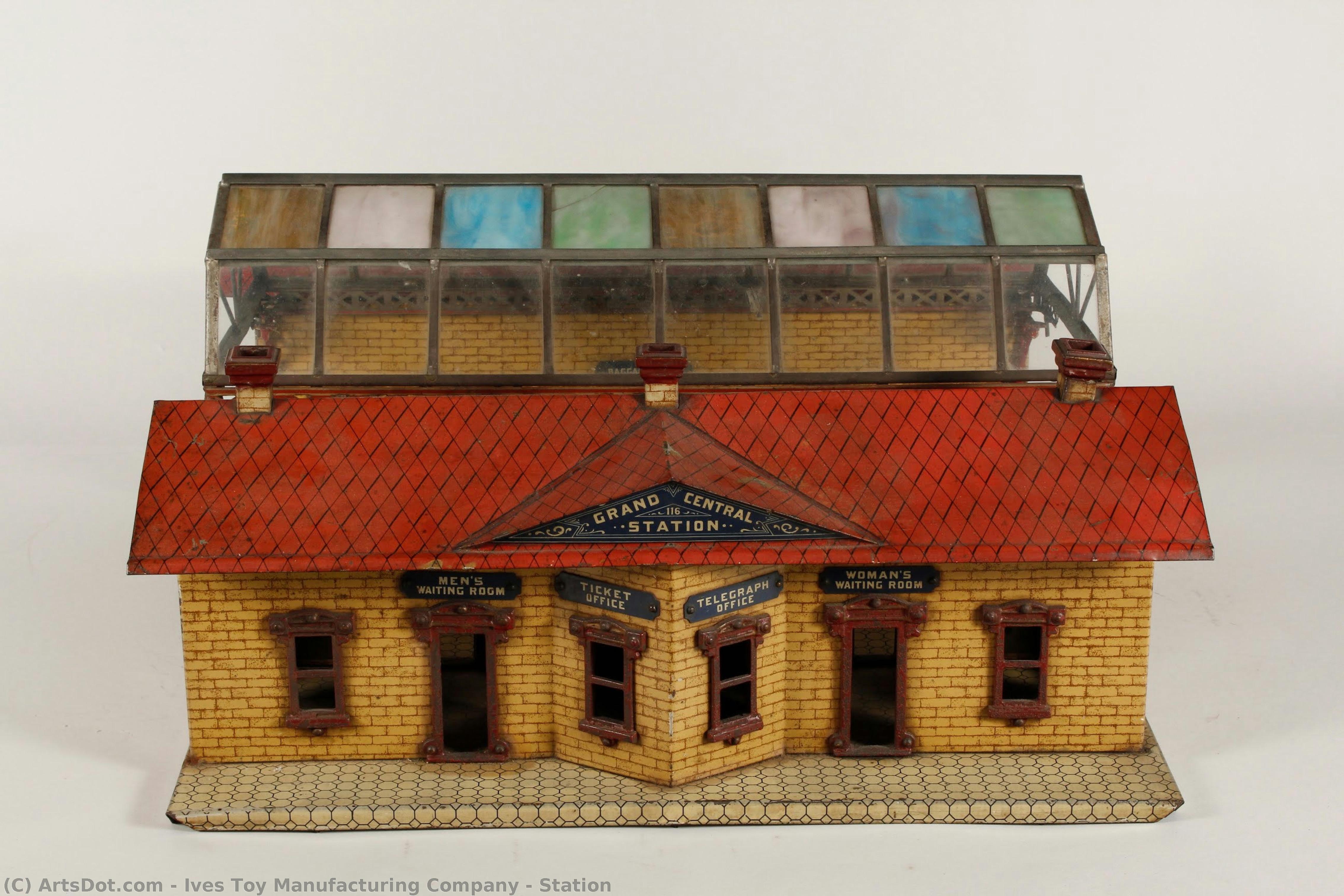
Station
 1930
1930 24.0 x 52.0 cm
 Читать далее
Приобретите цифровое изображение высокого разрешения в улучшенном качестве, которое значительно превосходит онлайн-превью.
Каждый файл тщательно подготавливается нашими специалистами с использованием передовых инструментов и экспертной ручной ретуши. Мы гарантируем исключительную четкость, точную цветопередачу и детальную проработку каждого изображения.
Финальный файл доставляется по электронной почте в течение 72 часов и оптимизирован для немедленного использования в профессиональной среде, при верстке и печати. Это тот же уровень качества, которому доверяют ведущие дизайнерские студии, издательства и галереи.
Цифровое изображение
Скачайте файл высокого разрешения для личного использования, печати и творческих проектов. ( Перейти к печати Купить картину ручной работы)
Включено в каждый заказ цифровых изображений
Гарантия экспертной цифровой доставки
Выбирая ArtsDot.com, вы получаете не просто изображение — вы приобретаете профессионально обработанное цифровое произведение искусства, созданное с безупречной точностью и под защитой гарантии качества. Вот всё, что автоматически входит в ваш заказ:

Мгновенная доставка по e-mail
Ваш цифровой файл в высоком разрешении будет отправлен вам по электронной почте в течение 72 часов после оформления заказа — и сразу станет доступен для использования.

Цифровой файл с ИИ-улучшением
Ваше произведение искусства проходит профессиональную оптимизацию с использованием передовых инструментов ИИ и ручной обработки, что гарантирует максимальную детализацию, четкость и точность цветопередачи.

Бессрочная бесплатная повторная доставка
Случайно удалили или потеряли файл? Не беспокойтесь — мы отправим его вам повторно в любое время и совершенно бесплатно.

Без импортных пошлин — навсегда
Наслаждайтесь вашим произведением искусства мгновенно без таможенных пошлин, сборов или затрат на доставку — цифровые загрузки всегда не облагаются налогом.

Гарантия точности цветопередачи
Мы гарантируем, что ваше цифровое изображение максимально точно передает оригинальные цвета благодаря использованию профессиональных инструментов и систем управления цветом.

Гарантия удовлетворенности 100 дней
Если вы не будете удовлетворены своим цифровым изображением, мы внесем правки или вернем 100% стоимости в течение 100 дней — без лишних вопросов.

100% Гарантия возврата средств
Не удовлетворены покупкой? Получите полный возврат средств в течение 100 дней после получения цифрового файла — без лишних вопросов.

Скидки на оптовые заказы
Купите 3 изображения, сэкономьте 10% — Купите 5, сэкономьте 15% — Купите 10+, сэкономьте 20%. Отличное решение для творческих проектов, галерей и агентств.
Похожие произведения









Биография художника
The Whimsical World of Ives: Pioneering American Toy Manufacturing
The name “Ives” conjures a specific nostalgia for many – a golden age of tin toys, vibrant lithography, and mechanical marvels that captivated generations of American children. But the Ives Toy Manufacturing Company wasn’t simply a producer of playthings; it was a cultural force, reflecting and shaping the nation's burgeoning industrial spirit and evolving leisure habits throughout the late 19th and early-to-mid 20th centuries. Founded in 1865 by Edward Ives in Bridgeport, Connecticut, the company began not with toys at all, but with japanning – a process of applying decorative varnish to tinware. This initial venture proved successful, providing a foundation for expansion into other metal products, and ultimately, the creation of toys that would become synonymous with American childhood.
Edward Ives’s early success stemmed from recognizing a growing demand for affordable household goods. However, it was his son, Harry C. Ives, who truly steered the company towards its iconic identity. Harry possessed an innate understanding of marketing and a keen eye for design. He recognized that toys weren't merely functional items but vessels for imagination and aspiration. The late 19th century saw a shift in societal attitudes toward childhood; play was increasingly viewed as essential to development, not simply a frivolous pastime. Ives capitalized on this evolving perspective, producing toys that were both accessible and appealing.
From Japanning to Joy: The Rise of a Toy Empire
The transition from tinware to toys wasn’t immediate. Ives initially experimented with various metal products before focusing wholeheartedly on playthings around the turn of the century. Early toy offerings included trains, automobiles, and character figures – all reflecting the technological advancements that were rapidly transforming American life. What distinguished Ives from its competitors was a commitment to quality and innovation. The company invested heavily in machinery capable of producing intricate designs and reliable mechanisms. This dedication resulted in toys that weren’t easily broken or quickly discarded, fostering brand loyalty and establishing Ives as a leader in the industry.
The early 20th century witnessed an explosion of creativity at Ives. They were pioneers in utilizing lithography – a printing process using stone or metal plates – to create stunningly colorful and detailed imagery on their toys. This technique allowed for realistic depictions of trains, cars, and other objects, enhancing the play experience. Furthermore, Ives wasn’t afraid to embrace new technologies; they incorporated electric motors into many of their products, creating some of the first battery-operated toys available to the mass market. The company's commitment to innovation extended beyond mechanics to include clever marketing strategies, such as beautifully illustrated catalogs and eye-catching store displays.
Iconic Creations & Lasting Influence
Ives produced a staggering array of toys during its heyday, but certain creations stand out as particularly emblematic of the company’s style and impact. The “Lionel” trains – though later becoming a competitor – were initially manufactured by Ives under contract before Lionel took over production. The company's early automobiles, often modeled after real-life vehicles, captured the excitement surrounding the burgeoning automotive industry. Perhaps most iconic are the character toys – tin figures depicting clowns, policemen, and other beloved archetypes. These weren’t simply representations of people; they were imbued with personality and charm, inviting children to create their own narratives.
- Mechanical Marvels: Ives was renowned for its complex clockwork mechanisms that brought toys to life.
- Vibrant Lithography: The company’s use of color and detail set a new standard for toy design.
- Accessibility & Affordability: Ives made quality toys available to a wide range of American families.
A Legacy in Miniature
The Great Depression brought significant challenges to the Ives Toy Manufacturing Company. While they adapted by producing lower-cost toys, the company never fully regained its pre-Depression prominence. Harry C. Ives’s death in 1938 marked a turning point, and the company was eventually absorbed into other toy manufacturers. However, the legacy of Ives endures. Their toys are highly sought after by collectors today, not merely as nostalgic artifacts but as significant examples of American industrial design and cultural history.
The whimsical world created by Ives continues to fascinate and inspire. These weren’t just toys; they were miniature reflections of a nation on the move – a testament to ingenuity, craftsmanship, and the enduring power of play.