

 Предпросмотр
 Поделиться
 Поделиться
 Детали произведения

 Скачать
 Похожие работы
 Рентгенография
 Слайд-шоу
 Статистика
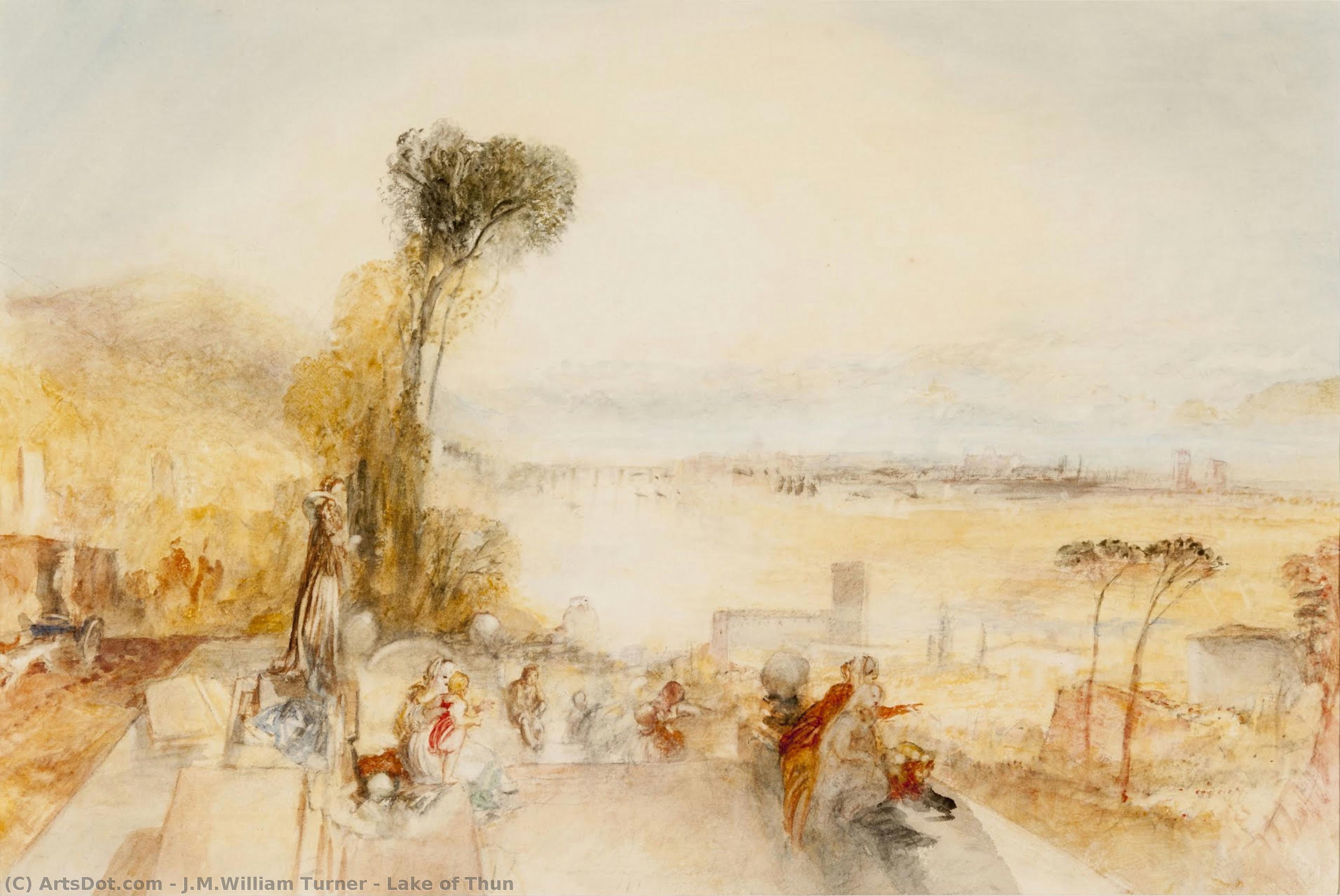
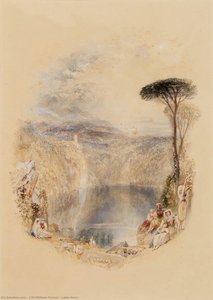
Lake of Thun
 Watercolor
- WallArt
- Romanticism
 1851
1851- 19th Century
 34.0 x 52.0 cm
 Taft Museum of Art
 Читать далее
Масляная репродукция ручной работы
Картина маслом на холсте в выбранном вами размере и раме, написанная на заказ нашими художниками. ( Перейти к печати Перейти к цифровым изображениям)




P118B $10

P118H $10

P118W $10

P438Z $10

P508JH $12

P508YH $12

P805H $10

P805Z $10

P919BZ $10

P919G $10

P919XJ $10

P959ZH $10

P968JZ $12

W106C $8

W218G $10

W218JH $8

W218Y $10

W307PJ $10

W316G $10

W316PJ $8

W316Y $10

W398PJ $8

W4111J $10

W500HY $15

W500JH $15

W692G $12

W849H $8

W940BG $15

W953PJ $8




Выберите один из наших стандартных размеров, соответствующих оригинальным пропорциям произведения искусства.

Вы можете указать собственные размеры, чтобы картина идеально вписалась в выбранную раму или пространство. Если выбранный вами размер не соответствует пропорциям оригинала, мы либо обрежем полотно, либо расширим его за счет дополнительных элементов, написанных вручную. Цифровой макет будет отправлен вам на утверждение перед началом производства.
Обратите внимание, что предварительный просмотр на экране не отражает фактическую обрезку или расширение. Только макет точно покажет окончательную композицию.
Хотя доступны индивидуальные размеры, мы рекомендуем выбирать вариант из предопределенного списка, чтобы сохранить исходные пропорции.
После оформления заказа команда ArtsDot.com свяжется с клиентом по электронной почте для уточнения деталей и предоставит предварительный макет
Доставка по всему миру () за 3–4 недели вместо стандартных 5 недель. (12 Сентябрь). Без компромиссов в качестве.

Бесплатная экспресс-доставка по всему миру

Высококачественный льняной холст

Полное страхование доставки

Гарантия возмещения таможенных пошлин

Гарантия точного соответствия цветов

100-дневная политика возврата (только при обнаружении дефектов)

Гарантия возврата 100% средств

Предложение оптовых скидок
 Вариант со стеклом доступен только для размеров менее 110 см

Lake of Thun
Техника репродукции
Размер репродукции
-


Итоговая стоимость
$ 263
A Symphony of Light and Water
In the delicate watercolor "Lake of Thun," created in 1851 by the legendary master J.M.W. Turner, we are invited into a world where the boundaries between reality and atmosphere dissolve into pure emotion. This exquisite piece captures a moment of quiet vitality on the shores of Switzerland, presenting a scene that is as much about the feeling of the air as it is about the landscape itself. The composition draws the eye through a lively street scene, where figures wander beneath the protective canopy of a grand, ancient tree, their lives momentarily suspended in the soft, diffused light of a cloudy afternoon. As the gaze drifts toward the background, the vastness of the lake emerges, framed by a sky that breathes with movement and depth, reminding us of Turner's unparalleled ability to render the ephemeral nature of the natural world.
The technique employed in this work is a testament to Turner’s late-career mastery of the watercolor medium. Eschewing rigid outlines for a more fluid, impressionistic approach, he utilizes layers of translucent washes to build a sense of luminosity that seems to radiate from within the paper. The way the light interacts with the water and the distant hills creates a shimmering effect, a hallmark of his "painter of light" reputation. Every brushstroke serves a purpose, contributing to a texture that feels both spontaneous and meticulously controlled. For the discerning collector or interior designer, this piece offers a sophisticated interplay of soft tones and dynamic energy, making it an ideal focal point for spaces that require a sense of tranquility paired with intellectual depth.
Beyond its technical brilliance, "Lake of Thun" carries a profound emotional resonance. There is a gentle nostalgia embedded in the depiction of the figures and the horse in the distance—a glimpse into a slower, more rhythmic era of human existence. The painting symbolizes the harmonious coexistence of humanity and the sublime power of nature; while the people go about their daily routines, the immense, atmospheric landscape looms large, both beautiful and indomitable. This tension between the intimate and the infinite is what makes Turner’s work so enduringly captivating. Owning a reproduction of this masterpiece allows one to bring a piece of the Romantic era into a modern home, offering a window into a timeless landscape that continues to inspire awe and contemplation.
Похожие произведения
Биография художника
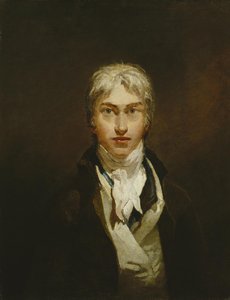
Joseph Mallord William Turner: The Painter of Light
Joseph Mallord William Turner – a name synonymous with Romanticism, innovation, and the sheer power of color. More than just an artist, he was a visionary who fundamentally altered our perception of landscape painting, pushing boundaries and anticipating movements decades before their time. Born in 1775 in the heart of London’s Maiden Lane, his early life held little hint of the artistic genius that would blossom within him. His father, a barber and wig-maker, provided a modest upbringing, but it was through observing his father's trade – the intricate details of hair and fabric – that Turner developed an acute eye for texture and form. This nascent talent quickly manifested itself, with his first drawings appearing as early as 1787, sold to customers by his father’s shop.
Turner’s formal artistic education began at the Royal Academy in 1789, a pivotal moment that exposed him to the established conventions of landscape painting. However, he wasn't content to simply replicate what had come before. He sought inspiration from diverse sources – the luminous landscapes of Dutch masters like Claude Lorrain and Aelbert Cuyp, the poetic approach of Richard Wilson, and even the detailed topographical works of his contemporaries. Yet, Turner didn’t merely imitate; he synthesized these influences into a uniquely personal style, characterized by an expressive use of color, dramatic lighting effects, and a profound engagement with the emotional power of nature.
The Romantic era provided fertile ground for Turner's artistic development. He embraced the movement’s emphasis on emotion, imagination, and the sublime – the awe-inspiring grandeur of the natural world. Unlike many of his contemporaries who focused on idyllic pastoral scenes, Turner was drawn to the turbulent aspects of nature: raging seascapes, violent storms, and fiery sunsets. His paintings weren't simply representations of what he saw; they were attempts to capture the *feeling* of a place – the sense of wonder, fear, or tranquility evoked by its beauty or power. This pursuit led him to experiment with looser brushwork, dissolving forms into washes of color and light, techniques that foreshadowed the Impressionist movement.
The Development of a Unique Style
Turner’s artistic journey was one of constant evolution. Initially influenced by the traditional landscape painting of his time, he gradually developed a more expressive and subjective style. His early works, such as *Fishermen at Sea* (1796), demonstrate a meticulous attention to detail and a skillful rendering of atmospheric effects. However, it’s in his later paintings – particularly those created between 1835 and 1851 – that his true genius is revealed. During this period, he abandoned the conventions of academic painting altogether, embracing a more intuitive and spontaneous approach. He used color not merely to depict objects but to convey emotion and atmosphere, creating works of breathtaking intensity and dynamism.
Turner’s fascination with light was central to his artistic vision. He believed that light was the essence of all things, and he sought to capture its transformative power in his paintings. His use of color became increasingly bold and vibrant, often employing contrasting hues to create a sense of drama and excitement. He experimented with different techniques – glazing, scumbling, and dry brushing – to achieve a variety of effects, from delicate washes of color to thick impasto textures. His ability to render the fleeting qualities of light—its shifting intensity, its subtle gradations—was unparalleled.
Major Works and Historical Significance
Turner’s prolific output includes over 550 oil paintings, nearly 2,000 watercolors, and an astonishing 30,000 works on paper. Among his most celebrated works are *The Fighting Temeraire* (1839), a poignant depiction of a retired warship being towed to its final resting place by a steam tugboat; *Rain, Steam and Speed – The Great Western Railway* (1844), a groundbreaking work that captured the dynamism of industrial progress; and *The Slave Ship* (1840), a powerful indictment of the transatlantic slave trade. These paintings, along with many others, demonstrate Turner’s mastery of color, composition, and technique.
Turner's influence on subsequent generations of artists is undeniable. He paved the way for Impressionism by challenging traditional conventions of representation and emphasizing the subjective experience of seeing. His innovative use of color, his exploration of light and atmosphere, and his willingness to experiment with new techniques inspired countless artists – from Monet and Renoir to Van Gogh and Kandinsky. He remains a towering figure in art history, celebrated for his visionary spirit and his profound understanding of the beauty and power of nature.
A Private Life and Lasting Legacy
Despite his artistic brilliance, Turner’s personal life was often shrouded in mystery and eccentricity. He remained intensely private and reclusive, shunning social gatherings and preferring the solitude of his studio or the open road. He never married, but fathered two daughters with Sarah Danby, the widow of a musician. His later years were marked by increasing isolation and declining health, during which he adopted the pseudonym “Mr. Booth” to avoid recognition.
Turner died on December 19, 1851, at the age of 76, in his Chelsea home. His death was mourned throughout Britain, and his legacy as one of the greatest landscape painters of all time was quickly established. His works were exhibited to great acclaim, and he became a national hero. Today, Turner’s paintings are displayed in major museums around the world, attracting millions of visitors each year. His influence continues to resonate with artists and art lovers alike, ensuring that the light of J.M.W. Turner will continue to shine brightly for generations to come.
Дж. М. В. Турнер
1775 - 1851 , Великобритания
Основные сведения
- Artistic Movement Or Style: Романтизм
- Artists Or Movements Influenced By This Artist:
- Импрессионизм
- Абстракционизм
- Artists Who Influenced This Artist:
- Козенс
- Ричард Уилсон
- Date Of Birth: 23 апреля 1775
- Date Of Death: 19 декабря 1851
- Full Name: Joseph Mallord William Turner
- Nationality: Британский
- Notable Artworks:
- Fort Vimieux
- Scene in the Campagna
- Place Of Birth: Лондон, Великобритания
Похожие статьи

Richard Wilson: Deconstructing Landscape & Memory in Contemporary Installation Art
Explore Richard Wilson's groundbreaking landscape paintings & his enduring influence on contemporary installation art. Discover investment opportunities, provenance insights & the materiality of memory in this expert analysis.
Echoes of Arcadia: Nostalgia & Transformation in Vintage Landscape Art
Explore the evocative world of vintage landscape art! Discover the history, artists & emotional power behind masterpieces from the Hudson River School & beyond. Expert insights for collectors & enthusiasts.
Robert W. Salmon: Navigating the Currents of Maritime Painting & American Realism
Explore the captivating maritime paintings of Robert W. Salmon, a pioneer of American Luminism. Discover his Boston Harbor scenes, legacy, and collecting guide at ArtsDot.

Романтический пейзаж: 10 шедевров, изменивших искусство | ArtsDot.com
Погрузитесь в мир романтического пейзажа! 10 шедевров Фридриха, Тёрнера и других гениев. Узнайте историю создания культовых картин и вдохновитесь для декора интерьера. Репродукции высокого качества на ArtsDot.com.
J.M.W. Turner: Light, Atmosphere & the Romantic Sublime
Explore the life & art of J.M.W. Turner, a master of Romantic landscape painting. Discover his innovative techniques, key works, and lasting influence on Impressionism. Find high-quality reproductions at ArtsDot.