

 Предпросмотр
 Поделиться
 Поделиться
 Детали произведения

 Скачать
 Похожие работы
 Рентгенография
 Слайд-шоу
 Статистика
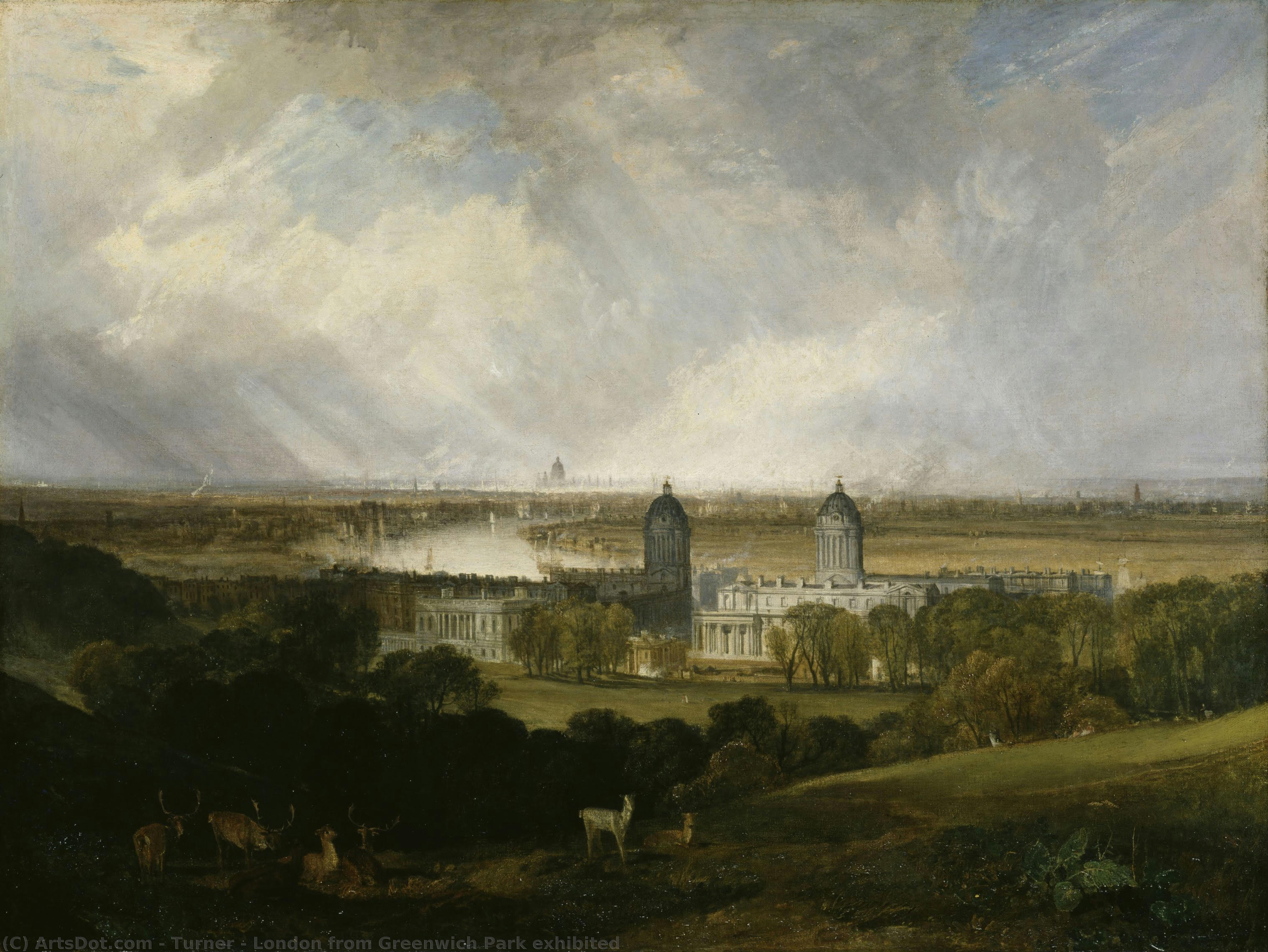
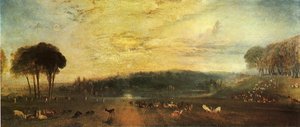
London from Greenwich Park exhibited
 Oil On Canvas
- WallArt
- Romantic Landscape
 1809
1809- 19th Century
 12.0 x 90.0 cm
 Тейт Брититен
 Читать далее
Приобретите цифровое изображение высокого разрешения в улучшенном качестве, которое значительно превосходит онлайн-превью.
Каждый файл тщательно подготавливается нашими специалистами с использованием передовых инструментов и экспертной ручной ретуши. Мы гарантируем исключительную четкость, точную цветопередачу и детальную проработку каждого изображения.
Финальный файл доставляется по электронной почте в течение 72 часов и оптимизирован для немедленного использования в профессиональной среде, при верстке и печати. Это тот же уровень качества, которому доверяют ведущие дизайнерские студии, издательства и галереи.
Цифровое изображение
Скачайте файл высокого разрешения для личного использования, печати и творческих проектов. ( Перейти к печати Купить картину ручной работы)
Включено в каждый заказ цифровых изображений
Гарантия экспертной цифровой доставки
Выбирая ArtsDot.com, вы получаете не просто изображение — вы приобретаете профессионально обработанное цифровое произведение искусства, созданное с безупречной точностью и под защитой гарантии качества. Вот всё, что автоматически входит в ваш заказ:

Мгновенная доставка по e-mail
Ваш цифровой файл в высоком разрешении будет отправлен вам по электронной почте в течение 72 часов после оформления заказа — и сразу станет доступен для использования.

Цифровой файл с ИИ-улучшением
Ваше произведение искусства проходит профессиональную оптимизацию с использованием передовых инструментов ИИ и ручной обработки, что гарантирует максимальную детализацию, четкость и точность цветопередачи.

Бессрочная бесплатная повторная доставка
Случайно удалили или потеряли файл? Не беспокойтесь — мы отправим его вам повторно в любое время и совершенно бесплатно.

Без импортных пошлин — навсегда
Наслаждайтесь вашим произведением искусства мгновенно без таможенных пошлин, сборов или затрат на доставку — цифровые загрузки всегда не облагаются налогом.

Гарантия точности цветопередачи
Мы гарантируем, что ваше цифровое изображение максимально точно передает оригинальные цвета благодаря использованию профессиональных инструментов и систем управления цветом.

Гарантия удовлетворенности 100 дней
Если вы не будете удовлетворены своим цифровым изображением, мы внесем правки или вернем 100% стоимости в течение 100 дней — без лишних вопросов.

100% Гарантия возврата средств
Не удовлетворены покупкой? Получите полный возврат средств в течение 100 дней после получения цифрового файла — без лишних вопросов.

Скидки на оптовые заказы
Купите 3 изображения, сэкономьте 10% — Купите 5, сэкономьте 15% — Купите 10+, сэкономьте 20%. Отличное решение для творческих проектов, галерей и агентств.
A Panoramic Vision of London’s Majesty
J.M.W. Turner's “London from Greenwich Park,” completed in 1809, transcends mere landscape painting; it embodies the Romantic spirit’s fascination with sublime beauty and its exploration of human experience against the backdrop of nature’s grandeur. This monumental canvas captures a quintessential London vista—the Thames River flowing towards the City, punctuated by the stately Greenwich Naval College and the Queen’s House—transforming it into an emblem of imperial power and artistic innovation.
Composition and Atmosphere: Embracing Impressionism Before Its Time
Turner meticulously crafted his composition to emphasize breadth and depth, mirroring the expansive horizon line that dominates the scene. The artist skillfully employs atmospheric perspective, subtly diminishing colors and details as they recede into the distance—a technique foreshadowing Impressionist principles decades before their formal emergence. Loose brushstrokes dominate the canvas, conveying a sense of movement and dynamism, particularly evident in the swirling clouds that envelop the sky.
Color Palette and Light: Capturing Transient Emotion
The painting’s color palette leans heavily into muted earth tones—greens, browns, and greys—creating an understated yet profoundly evocative mood. However, Turner injects bursts of blue into the river and sky, highlighting the interplay between sunlight filtering through the clouds and casting dramatic shadows across the landscape. This masterful manipulation of light isn't simply descriptive; it aims to convey emotion—a feeling of awe and wonder at the sublime power of nature.
Technique: Impasto and Glazing – Layers of Texture and Depth
Turner’s technique is characterized by impasto, applying thick layers of paint onto the canvas surface to build up textural richness. This tactile approach lends physicality to the depiction of the hills and foliage, emphasizing their ruggedness and solidity. Furthermore, glazing—applying thin washes of translucent pigment over underlying layers—creates subtle gradations of color and enhances the painting’s luminous quality. These techniques contribute significantly to the artwork's immersive experience.
Symbolism and Emotional Resonance: Reflections on Progress and Tranquility
"London from Greenwich Park" speaks volumes about its era, reflecting Romantic ideals of beauty and contemplation alongside the burgeoning confidence of Britain as a global empire. The inclusion of Greenwich Naval College symbolizes intellectual pursuit and national pride, while the serene foreground landscape offers a counterpoint to urban bustle—a reminder of the enduring influence of nature on human consciousness. Ultimately, Turner’s masterpiece invites viewers to contemplate the relationship between humanity and the sublime, leaving an indelible impression of beauty and emotional depth.
Похожие произведения
Биография художника
Joseph Mallord William Turner: The Painter of Light
Joseph Mallord William Turner – a name synonymous with Romanticism, innovation, and the sheer power of color. More than just an artist, he was a visionary who fundamentally altered our perception of landscape painting, pushing boundaries and anticipating movements decades before their time. Born in 1775 in the heart of London’s Maiden Lane, his early life held little hint of the artistic genius that would blossom within him. His father, a barber and wig-maker, provided a modest upbringing, but it was through observing his father's trade – the intricate details of hair and fabric – that Turner developed an acute eye for texture and form. This nascent talent quickly manifested itself, with his first drawings appearing as early as 1787, sold to customers by his father’s shop.
Turner’s formal artistic education began at the Royal Academy in 1789, a pivotal moment that exposed him to the established conventions of landscape painting. However, he wasn't content to simply replicate what had come before. He sought inspiration from diverse sources – the luminous landscapes of Dutch masters like Claude Lorrain and Aelbert Cuyp, the poetic approach of Richard Wilson, and even the detailed topographical works of his contemporaries. Yet, Turner didn’t merely imitate; he synthesized these influences into a uniquely personal style, characterized by an expressive use of color, dramatic lighting effects, and a profound engagement with the emotional power of nature.
The Romantic era provided fertile ground for Turner's artistic development. He embraced the movement’s emphasis on emotion, imagination, and the sublime – the awe-inspiring grandeur of the natural world. Unlike many of his contemporaries who focused on idyllic pastoral scenes, Turner was drawn to the turbulent aspects of nature: raging seascapes, violent storms, and fiery sunsets. His paintings weren't simply representations of what he saw; they were attempts to capture the *feeling* of a place – the sense of wonder, fear, or tranquility evoked by its beauty or power. This pursuit led him to experiment with looser brushwork, dissolving forms into washes of color and light, techniques that foreshadowed the Impressionist movement.
The Development of a Unique Style
Turner’s artistic journey was one of constant evolution. Initially influenced by the traditional landscape painting of his time, he gradually developed a more expressive and subjective style. His early works, such as *Fishermen at Sea* (1796), demonstrate a meticulous attention to detail and a skillful rendering of atmospheric effects. However, it’s in his later paintings – particularly those created between 1835 and 1851 – that his true genius is revealed. During this period, he abandoned the conventions of academic painting altogether, embracing a more intuitive and spontaneous approach. He used color not merely to depict objects but to convey emotion and atmosphere, creating works of breathtaking intensity and dynamism.
Turner’s fascination with light was central to his artistic vision. He believed that light was the essence of all things, and he sought to capture its transformative power in his paintings. His use of color became increasingly bold and vibrant, often employing contrasting hues to create a sense of drama and excitement. He experimented with different techniques – glazing, scumbling, and dry brushing – to achieve a variety of effects, from delicate washes of color to thick impasto textures. His ability to render the fleeting qualities of light—its shifting intensity, its subtle gradations—was unparalleled.
Major Works and Historical Significance
Turner’s prolific output includes over 550 oil paintings, nearly 2,000 watercolors, and an astonishing 30,000 works on paper. Among his most celebrated works are *The Fighting Temeraire* (1839), a poignant depiction of a retired warship being towed to its final resting place by a steam tugboat; *Rain, Steam and Speed – The Great Western Railway* (1844), a groundbreaking work that captured the dynamism of industrial progress; and *The Slave Ship* (1840), a powerful indictment of the transatlantic slave trade. These paintings, along with many others, demonstrate Turner’s mastery of color, composition, and technique.
Turner's influence on subsequent generations of artists is undeniable. He paved the way for Impressionism by challenging traditional conventions of representation and emphasizing the subjective experience of seeing. His innovative use of color, his exploration of light and atmosphere, and his willingness to experiment with new techniques inspired countless artists – from Monet and Renoir to Van Gogh and Kandinsky. He remains a towering figure in art history, celebrated for his visionary spirit and his profound understanding of the beauty and power of nature.
A Private Life and Lasting Legacy
Despite his artistic brilliance, Turner’s personal life was often shrouded in mystery and eccentricity. He remained intensely private and reclusive, shunning social gatherings and preferring the solitude of his studio or the open road. He never married, but fathered two daughters with Sarah Danby, the widow of a musician. His later years were marked by increasing isolation and declining health, during which he adopted the pseudonym “Mr. Booth” to avoid recognition.
Turner died on December 19, 1851, at the age of 76, in his Chelsea home. His death was mourned throughout Britain, and his legacy as one of the greatest landscape painters of all time was quickly established. His works were exhibited to great acclaim, and he became a national hero. Today, Turner’s paintings are displayed in major museums around the world, attracting millions of visitors each year. His influence continues to resonate with artists and art lovers alike, ensuring that the light of J.M.W. Turner will continue to shine brightly for generations to come.
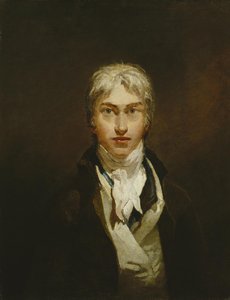
Дж. М. В. Турнер
1775 - 1851 , Великобритания
Основные сведения
- Artistic Movement Or Style: Романтизм
- Artists Or Movements Influenced By This Artist:
- Импрессионизм
- Абстракционизм
- Artists Who Influenced This Artist:
- Козенс
- Ричард Уилсон
- Date Of Birth: 23 апреля 1775
- Date Of Death: 19 декабря 1851
- Full Name: Joseph Mallord William Turner
- Nationality: Британский
- Notable Artworks:
- Fort Vimieux
- Scene in the Campagna
- Place Of Birth: Лондон, Великобритания