

 Предпросмотр
 Поделиться
 Поделиться
 Детали произведения

 Скачать
 Похожие работы
 Рентгенография
 Слайд-шоу
 Статистика
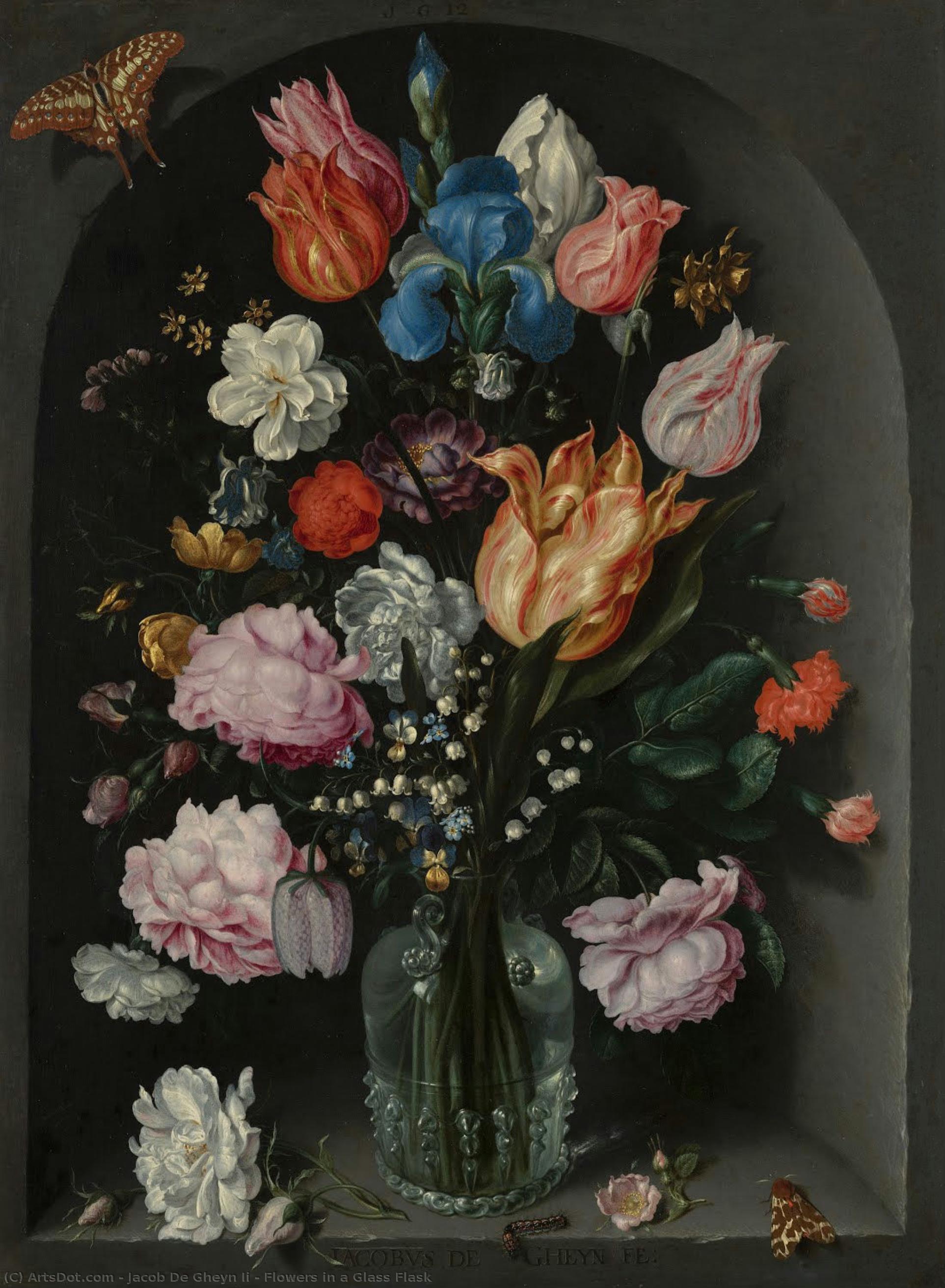
Flowers in a Glass Flask
 Oil
Oil- WallArt
- Dutch Golden Age
 1612
1612- Early Modern
 58.0 x 44.0 cm
 Маурицхёйс
 Читать далее
Приобретите цифровое изображение высокого разрешения в улучшенном качестве, которое значительно превосходит онлайн-превью.
Каждый файл тщательно подготавливается нашими специалистами с использованием передовых инструментов и экспертной ручной ретуши. Мы гарантируем исключительную четкость, точную цветопередачу и детальную проработку каждого изображения.
Финальный файл доставляется по электронной почте в течение 72 часов и оптимизирован для немедленного использования в профессиональной среде, при верстке и печати. Это тот же уровень качества, которому доверяют ведущие дизайнерские студии, издательства и галереи.
Цифровое изображение
Скачайте файл высокого разрешения для личного использования, печати и творческих проектов. ( Перейти к печати Купить картину ручной работы)
Включено в каждый заказ цифровых изображений
Гарантия экспертной цифровой доставки
Выбирая ArtsDot.com, вы получаете не просто изображение — вы приобретаете профессионально обработанное цифровое произведение искусства, созданное с безупречной точностью и под защитой гарантии качества. Вот всё, что автоматически входит в ваш заказ:

Мгновенная доставка по e-mail
Ваш цифровой файл в высоком разрешении будет отправлен вам по электронной почте в течение 72 часов после оформления заказа — и сразу станет доступен для использования.

Цифровой файл с ИИ-улучшением
Ваше произведение искусства проходит профессиональную оптимизацию с использованием передовых инструментов ИИ и ручной обработки, что гарантирует максимальную детализацию, четкость и точность цветопередачи.

Бессрочная бесплатная повторная доставка
Случайно удалили или потеряли файл? Не беспокойтесь — мы отправим его вам повторно в любое время и совершенно бесплатно.

Без импортных пошлин — навсегда
Наслаждайтесь вашим произведением искусства мгновенно без таможенных пошлин, сборов или затрат на доставку — цифровые загрузки всегда не облагаются налогом.

Гарантия точности цветопередачи
Мы гарантируем, что ваше цифровое изображение максимально точно передает оригинальные цвета благодаря использованию профессиональных инструментов и систем управления цветом.

Гарантия удовлетворенности 100 дней
Если вы не будете удовлетворены своим цифровым изображением, мы внесем правки или вернем 100% стоимости в течение 100 дней — без лишних вопросов.

100% Гарантия возврата средств
Не удовлетворены покупкой? Получите полный возврат средств в течение 100 дней после получения цифрового файла — без лишних вопросов.

Скидки на оптовые заказы
Купите 3 изображения, сэкономьте 10% — Купите 5, сэкономьте 15% — Купите 10+, сэкономьте 20%. Отличное решение для творческих проектов, галерей и агентств.
A Symphony of Petals: The Eternal Bloom of De Gheyn
In the quiet stillness of the early seventeenth century, a transformative moment in art history unfolded within the studio of Jacob de Gheyn II. His masterpiece, Flowers in a Glass Flask, serves as a breathtaking window into the dawn of Dutch Realism, capturing a moment where botanical precision meets poetic imagination. Unlike many still-life painters of his era who sought to replicate a single, static bouquet, De Gheym embarked on a more ambitious, almost impossible mission: to create a "portrait" of perfection. By meticulously arranging blossoms that bloom in entirely different seasons—tulips, roses, and daisies existing together in a singular, eternal spring—he transcended the limitations of nature to present an idealized vision of beauty that defies the passage of time.
The visual impact of the work is immediate and profound. Set against a deep, velvety black background, the vibrant palette of pinks, blues, yellows, and oranges seems to radiate light from within the canvas itself. This dramatic use of chiaroscuro—the interplay of intense light and shadow—not only lends a three-dimensional sculptural quality to each petal but also directs the viewer's eye with surgical precision. The glass flask, rendered with masterful translucency, sits elegantly upon a table, its delicate reflections adding a layer of sophisticated realism that invites the observer to lean closer, captivated by the shimmering interplay of light and liquid.
Symbolism and the Art of the Impossible
Beyond its surface beauty, Flowers in a Glass Flask is a profound meditation on life, mortality, and the human desire for permanence. In the tradition of the Dutch Golden Age, every element within such a composition carries a weight of symbolic meaning. The presence of butterflies dancing amidst the flora introduces a sense of ephemeral movement, acting as a poignant reminder of the fleeting nature of existence—the vanitas theme that was so prevalent in the seventeenth century. While the flowers are depicted at the height of their glory, there is an underlying awareness that such splendor is momentary.
De Gheyn’s technique reflects a transition from the structured linearity of Mannerism to a more organic, naturalistic approach. By placing the most magnificent blooms at the very front of the arrangement, he ensures that no detail is lost to shadow, allowing the viewer to appreciate the intricate textures of each stamen and leaf. This deliberate composition creates an intimate connection between the subject and the spectator, making the bouquet feel as though it is reaching out from the darkness into our own space.
An Elegant Addition to the Modern Interior
For the discerning collector or interior designer, a high-quality reproduction of this work offers more than mere decoration; it provides a focal point of historical depth and sophisticated elegance. The painting’s ability to command attention through its rich color contrasts makes it an ideal centerpiece for a variety of settings, from a contemporary minimalist gallery wall to a classic, richly textured study. It brings with it an air of quiet luxury and intellectual curiosity, sparking conversation about the intersection of science, art, and nature.
Investing in a hand-painted reproduction of De Gheyn’s work allows one to possess a piece of the Dutch Golden Age, preserving the meticulous brushwork and emotional resonance of the original. Whether used to add a touch of botanical romance to a bedroom or to provide a dramatic anchor in a formal dining room, Flowers in a Glass Flask remains a timeless testament to the enduring power of beauty captured through the lens of mastery.
Похожие произведения

Биография художника
A Life Etched in Detail: Jacob de Gheyn II and the Dawn of Dutch Realism
Jacob de Gheyn II, a name resonating through the annals of 17th-century art, embodies the fascinating transition from the stylized elegance of Northern Mannerism to the burgeoning realism that would define the Dutch Golden Age. Born around 1565 in Antwerp, his artistic journey was deeply interwoven with the political and cultural currents of his time. Initially trained by his father, Jacob de Gheyn I—a skilled glass painter, engraver, and draftsman—the young Jacob absorbed a foundation in meticulous detail and precise execution. However, it was his five-year apprenticeship under Hendrik Goltzius in Haarlem that proved pivotal, shaping his early style with its characteristic linearity and dramatic flair. This period instilled within him a mastery of engraving techniques, which would become his primary medium for much of his career.From Siege Scenes to Serene Gardens: A Career Shaped by Patronage
De Gheyn’s life was marked by a constant seeking of patronage, a common necessity for artists of the era. His move to Leiden in the 1590s coincided with a commission that would catapult him into prominence: an engraving of the Siege of Geertruidenberg. This wasn't merely a depiction of military action; it was a carefully constructed piece of propaganda, designed to enhance the image of Prince Maurice of Nassau, Prince of Orange. The event itself had been more spectacle than fierce battle, attracting onlookers as much as soldiers, and de Gheyn’s engraving skillfully captured this sense of controlled power and orchestrated display. This success opened doors to further commissions, notably his employment by the Dutch royal family in The Hague around 1605. Here, he transitioned from scenes of conflict to the creation of serene gardens for Prince Maurice, including the design of two pioneering grottoes—a testament to his versatility and adaptability. Following Prince Maurice’s death in 1625, he continued to serve Frederick Henry, further solidifying his position as a favored royal artist.The Abandonment of Engraving: A Shift Towards Painting and Etching
Around 1600, de Gheyn embarked on a significant artistic shift, largely abandoning engraving in favor of painting and etching. This decision wasn’t a rejection of his earlier skills but rather an exploration of new possibilities. It was during this period that he began to pioneer several genres within Dutch art—the earliest female nudes, vanitas still lifes, and floral compositions. His paintings, though fewer in number than his engravings, reveal a growing interest in naturalism and subtle psychological observation. He produced over 1,500 drawings throughout his life, encompassing landscapes, botanical studies, and anatomical investigations – a testament to his relentless pursuit of accurate representation. The creation of 117 engravings for the military manual *The Exercise of Armes* while living in Amsterdam further demonstrates his continued engagement with technical precision and detailed observation.A Legacy Etched in Family and Remembrance
De Gheyn’s influence extended beyond his own artistic output, deeply impacting his son, Jacob de Gheyn III (1596-1641). The younger Jacob followed in his father's footsteps as a skilled engraver, becoming known for his portraits. Notably, he was the subject of two pendant portraits by Rembrandt van Rijn in 1632—one depicting himself and another portraying his friend Maurits Huygens. These portraits are not merely likenesses; they offer intimate glimpses into the lives and personalities of these individuals, showcasing a shared aesthetic sensibility and intellectual curiosity. De Gheyn’s marriage to Eva Stalpaert van der Wiele of Mechelen in 1595 provided him with a stable family life, but it was his artistic dedication that ultimately defined his legacy. He died in The Hague in 1629, leaving behind a body of work that continues to captivate and inspire.Historical Significance: Bridging Mannerism and Realism
Jacob de Gheyn II occupies a unique position in art history as a pivotal figure bridging the gap between Northern Mannerism and Dutch realism. His early engravings demonstrate the stylistic hallmarks of Mannerism—elongated figures, elegant poses, and intricate ornamentation. However, his later work reveals a growing emphasis on naturalistic detail, accurate observation, and psychological depth. He wasn’t simply replicating reality; he was interpreting it through a lens of scientific curiosity and artistic sensitivity. His meticulous botanical studies, anatomical investigations, and early nude paintings paved the way for the development of Dutch still life painting and portraiture in the 17th century. De Gheyn's work is not merely beautiful; it’s a testament to the power of observation, the pursuit of knowledge, and the enduring human fascination with the natural world. He stands as a crucial link in understanding the evolution of Dutch art, a master engraver who dared to embrace new techniques and explore uncharted artistic territories.
jacob de gheyn ii
1596 - 1641
Основные сведения
- Artistic Movement Or Style: Northern Mannerism, Dutch realism
- Artists Who Influenced This Artist: ['Hendrik Goltzius']
- Date Of Birth: 1565
- Date Of Death: March 29, 1629
- Full Name: Jacob de Gheyn II
- Nationality: Dutch
- Notable Artworks:
- Venus and Amor
- Woman & Child
- Four Studies of Mice
- Place Of Birth: Antwerp, Belgium