

 Предпросмотр
 Поделиться
 Поделиться
 Детали произведения

 Скачать
 Похожие работы
 Рентгенография
 Слайд-шоу
 Статистика
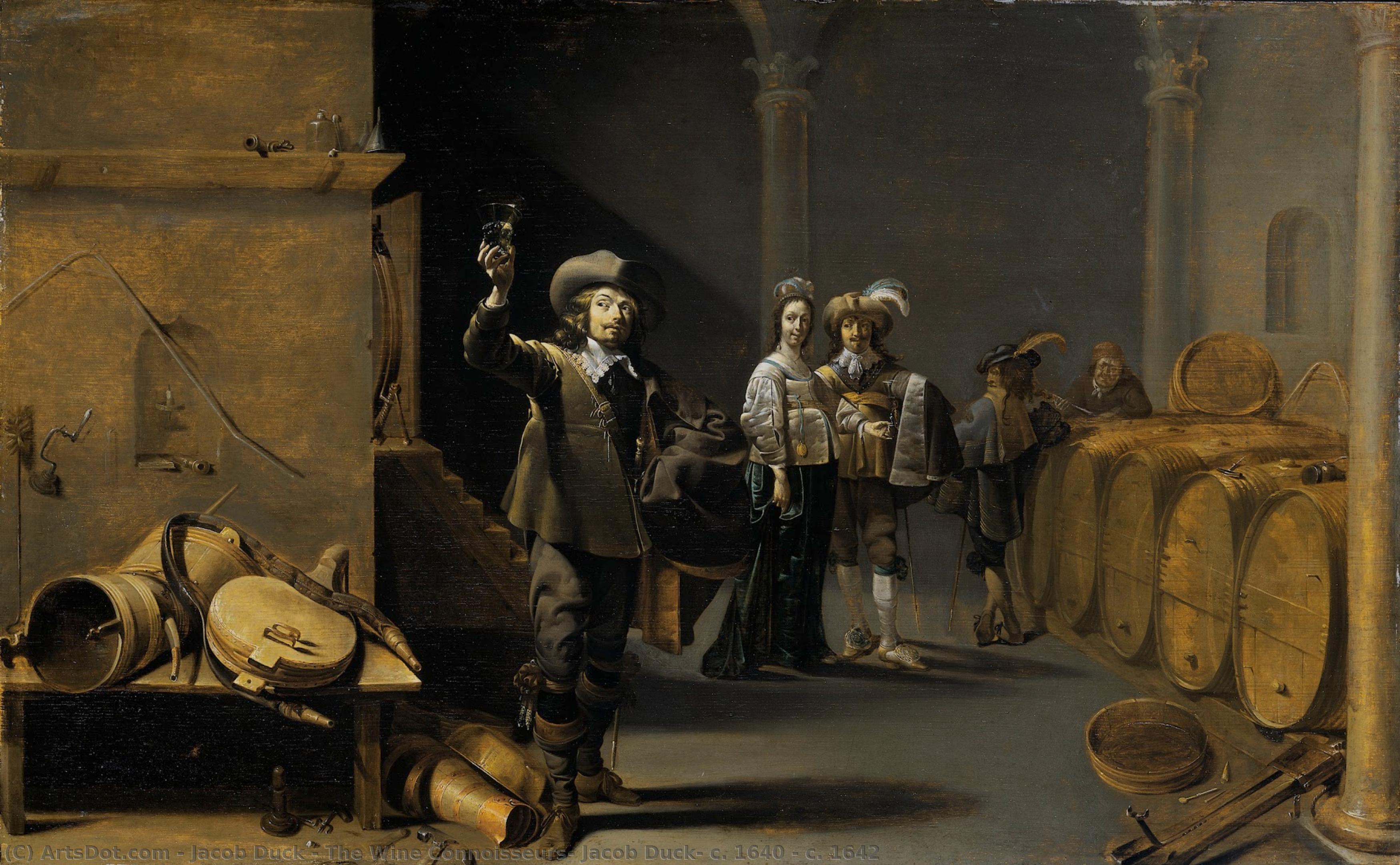
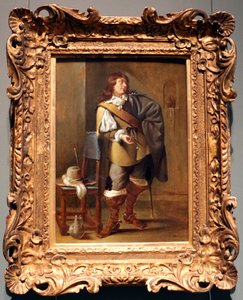
The Wine Connoisseurs, Jacob Duck, c. 1640 - c. 1642
 1642
1642 45.0 x 72.0 cm
 Читать далее
Масляная репродукция ручной работы
Картина маслом на холсте в выбранном вами размере и раме, написанная на заказ нашими художниками. ( Перейти к печати Перейти к цифровым изображениям)




































Выберите один из наших стандартных размеров, соответствующих оригинальным пропорциям произведения искусства.

Вы можете указать собственные размеры, чтобы картина идеально вписалась в выбранную раму или пространство. Если выбранный вами размер не соответствует пропорциям оригинала, мы либо обрежем полотно, либо расширим его за счет дополнительных элементов, написанных вручную. Цифровой макет будет отправлен вам на утверждение перед началом производства.
Обратите внимание, что предварительный просмотр на экране не отражает фактическую обрезку или расширение. Только макет точно покажет окончательную композицию.
Хотя доступны индивидуальные размеры, мы рекомендуем выбирать вариант из предопределенного списка, чтобы сохранить исходные пропорции.
После оформления заказа команда ArtsDot.com свяжется с клиентом по электронной почте для уточнения деталей и предоставит предварительный макет
Доставка по всему миру () за 3–4 недели вместо стандартных 5 недель. (12 Сентябрь). Без компромиссов в качестве.

Бесплатная экспресс-доставка по всему миру

Высококачественный льняной холст

Полное страхование доставки

Гарантия возмещения таможенных пошлин

Гарантия точного соответствия цветов

100-дневная политика возврата (только при обнаружении дефектов)

Гарантия возврата 100% средств

Предложение оптовых скидок
 Вариант со стеклом доступен только для размеров менее 110 см

The Wine Connoisseurs, Jacob Duck, c. 1640 - c. 1642
Техника репродукции
Размер репродукции
-


Итоговая стоимость
$ 263
Похожие произведения







Биография художника
The Gilded Precision of a Dutch Master
In the vibrant, bustling landscape of the seventeenth-century Netherlands, few artists captured the quiet drama of existence with as much technical finesse and observational grace as Jacob Duck. Born in Utrecht around 1600, Duck’s journey into the world of fine art was not born from a traditional painter's studio, but rather from the meticulous workshop of a goldsmith. Having mastered the intricate craft of metalwork by the age of nineteen, he brought a unique, jeweler-like precision to his canvases. This early training in goldsmithing instilled in him an unparalleled eye for detail, a quality that would later allow him to render the glint of a soldier's armor, the texture of a tavern cloth, or the subtle sheen of a wine glass with breathtaking realism.
His transition from precious metals to pigments began in earnest when he entered the studio of Joost Cornelisz Droochsloot. Under this mentorship, Duck moved beyond the rigid boundaries of craft and embraced the fluid storytelling of genre painting. As he matured, his artistic footprint expanded across the great cultural hubs of the Dutch Golden Age, from the industrious streets of Haarlem to the sophisticated atmosphere of The Hague. Throughout his travels, he absorbed the atmospheric brilliance of masters like Rubens and the dramatic, light-piercing shadows of Rembrandt. This synthesis of influences allowed him to master chiaroscuro, using deep shadows to push his figures forward into the viewer's space, creating a sense of intimacy that makes his scenes feel less like distant histories and more like captured moments in time.
A Window into the Golden Age
The true soul of Jacob Duck’s oeuvre lies in his profound dedication to the "everyday." While many of his contemporaries sought glory in grand mythological epics or sweeping historical narratives, Duck found divinity in the mundane. He was a chronicler of the human condition, finding profound narrative weight in the simplest of settings. His work often oscillates between two distinct yet equally captivating realms: the camaraderie of the military and the conviviality of civilian life.
In his celebrated guardroom scenes, Duck provides a window into the lives of the burgeoning military class of the Dutch Republic. These paintings—often featuring officers playing cards, soldiers resting, or men sharing quiet moments of reflection—do more than just depict military life; they capture the social shifts of an era following the Eighty Years' War. Through his brush, we see the tension between duty and leisure, the camaraderie of the barracks, and the subtle psychological depth of men caught in the stillness between conflicts. His ability to render the heavy fabrics of uniforms and the stark, dramatic lighting of a dimly lit guardroom creates an immersive experience that resonates with historical gravity.
Beyond the barracks, Duck’s artistry flourished in the depiction of domestic interiors and bustling public spaces. He possessed a remarkable talent for composing scenes of tavern life, market stalls, and private rooms where the light falls softly upon everyday objects. In these works, one might encounter:
- The Intimacy of Interiors: Quiet, contemplative scenes where figures are lost in thought or engaged in subtle domestic tasks.
- Social Conviviality: Lively gatherings in taverns, filled with the warmth of conversation and the sensory richness of food and drink.
- Genre Narratives: Small, poignant stories captured in a single frame, such as a gypsy fortune-teller or a couple sharing a private moment.
Legacy and Artistic Significance
The historical significance of Jacob Duck lies in his ability to elevate the common experience to the level of high art. By focusing on the textures of reality—the way light hits a pewter mug or the weary expression on a soldier's face—he contributed to the humanist spirit that defined the Dutch Golden Age. He did not need grand legends to move his audience; he relied on the truth of the visible world.
Though he eventually returned to Utrecht, where he passed away in 1667, his influence endured through the enduring power of his imagery. Today, his works reside in some of the world's most prestigious institutions, including the Hermitage Museum, serving as vital touchstones for anyone seeking to understand the social fabric of the seventeenth century. Duck remains a master of the small-scale epic, proving that within the confines of a single room or a quiet corner of a tavern, an entire world of human emotion and historical truth can be found.
Jacob Duck
1600 - 1667 , Netherlands
Основные сведения
- Artistic Movement Or Style: Dutch Golden Age
- Artists Or Movements Influenced By This Artist: ['Genre Painting']
- Artists Who Influenced This Artist: ['Joost Cornelis Droochloot']
- Date Of Birth: 1600 Utrecht Netherlands
- Date Of Death: 1667
- Full Name: Jacob Duck
- Nationality: Dutch
- Notable Artworks:
- The Wine Connoisseurs
- Dividing the Spoils
- The Distraint
- Place Of Birth: Utrecht Netherlands