

 Предпросмотр
 Поделиться
 Поделиться
 Детали произведения

 Скачать
 Похожие работы
 Рентгенография
 Слайд-шоу
 Статистика
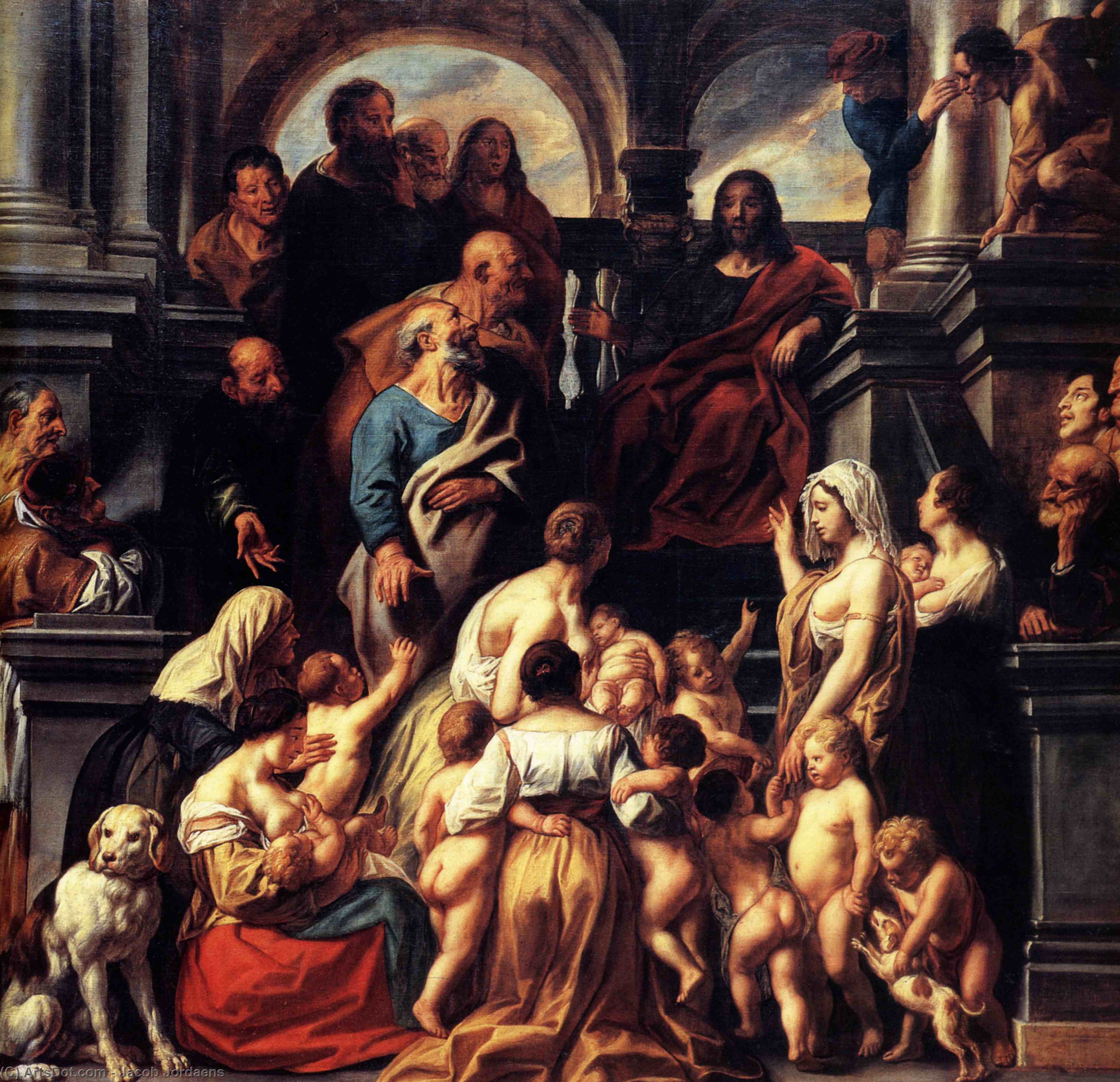
Suffer the Little Children
 Oil On Canvas
- WallArt
- Baroque
 1655
1655- Early Modern
 255.0 x 278.0 cm
 Читать далее
Приобретите цифровое изображение высокого разрешения в улучшенном качестве, которое значительно превосходит онлайн-превью.
Каждый файл тщательно подготавливается нашими специалистами с использованием передовых инструментов и экспертной ручной ретуши. Мы гарантируем исключительную четкость, точную цветопередачу и детальную проработку каждого изображения.
Финальный файл доставляется по электронной почте в течение 72 часов и оптимизирован для немедленного использования в профессиональной среде, при верстке и печати. Это тот же уровень качества, которому доверяют ведущие дизайнерские студии, издательства и галереи.
Цифровое изображение
Скачайте файл высокого разрешения для личного использования, печати и творческих проектов. ( Перейти к печати Купить картину ручной работы)
Включено в каждый заказ цифровых изображений
Гарантия экспертной цифровой доставки
Выбирая ArtsDot.com, вы получаете не просто изображение — вы приобретаете профессионально обработанное цифровое произведение искусства, созданное с безупречной точностью и под защитой гарантии качества. Вот всё, что автоматически входит в ваш заказ:

Мгновенная доставка по e-mail
Ваш цифровой файл в высоком разрешении будет отправлен вам по электронной почте в течение 72 часов после оформления заказа — и сразу станет доступен для использования.

Цифровой файл с ИИ-улучшением
Ваше произведение искусства проходит профессиональную оптимизацию с использованием передовых инструментов ИИ и ручной обработки, что гарантирует максимальную детализацию, четкость и точность цветопередачи.

Бессрочная бесплатная повторная доставка
Случайно удалили или потеряли файл? Не беспокойтесь — мы отправим его вам повторно в любое время и совершенно бесплатно.

Без импортных пошлин — навсегда
Наслаждайтесь вашим произведением искусства мгновенно без таможенных пошлин, сборов или затрат на доставку — цифровые загрузки всегда не облагаются налогом.

Гарантия точности цветопередачи
Мы гарантируем, что ваше цифровое изображение максимально точно передает оригинальные цвета благодаря использованию профессиональных инструментов и систем управления цветом.

Гарантия удовлетворенности 100 дней
Если вы не будете удовлетворены своим цифровым изображением, мы внесем правки или вернем 100% стоимости в течение 100 дней — без лишних вопросов.

100% Гарантия возврата средств
Не удовлетворены покупкой? Получите полный возврат средств в течение 100 дней после получения цифрового файла — без лишних вопросов.

Скидки на оптовые заказы
Купите 3 изображения, сэкономьте 10% — Купите 5, сэкономьте 15% — Купите 10+, сэкономьте 20%. Отличное решение для творческих проектов, галерей и агентств.
A Dramatic Tableau of Faith: Jacob Jordaens’ “Suffer the Little Children”
Jacob Jordaens' "Suffer the Little Children," completed in 1655, is a monumental oil painting that plunges the viewer directly into the heart of a pivotal moment within Christian narrative – the Presentation of Jesus at the Temple. Measuring an impressive 255 x 278 cm, this Baroque masterpiece immediately commands attention with its dynamic composition and masterful execution. Executed during a period of intense artistic innovation in Antwerp, Jordaens’ work exemplifies the Flemish Baroque's commitment to realism, emotional intensity, and dramatic storytelling, solidifying his position as one of the era’s most significant figures.
- Subject Matter: The painting meticulously depicts the biblical scene where Mary and Joseph present Jesus at the Temple in Jerusalem. A throng of onlookers – priests, Levites, and ordinary citizens – surround the central figures, creating a palpable sense of urgency and reverence.
- Baroque Style: Jordaens’ adherence to Baroque principles is evident in every aspect of the work. The use of strong diagonal lines directs the viewer's eye across the crowded scene, generating a powerful feeling of movement and depth.
- Technical Mastery: The artist’s skill is showcased through his meticulous rendering of figures, particularly their expressive faces and richly textured clothing. The dramatic chiaroscuro – the stark contrast between light and dark – amplifies the emotional impact and draws attention to key elements within the composition.
The Painter's Hand: Technique and Materials
Jordaens’ technique is characterized by a layered approach, building up color and texture through multiple applications of oil paint. This painstaking process results in a luminous effect that imbues the figures with an almost tangible presence. The artist skillfully manipulates light sources, creating pools of illumination that highlight specific individuals and gestures while simultaneously casting others into shadow. The canvas itself is treated as a surface to be sculpted, with brushstrokes conveying not just form but also emotion and movement. The primary materials – oil paints and canvas – were chosen for their ability to achieve the rich colors and nuanced textures characteristic of Jordaens’ style.
Symbolism and Narrative Depth
"Suffer the Little Children" transcends a simple biblical depiction; it is laden with symbolic meaning. The presentation itself represents faith, devotion, and the fulfillment of prophecy – themes central to Christian belief. The inclusion of children within the scene underscores the vulnerability and innocence associated with Jesus, while the diverse group of onlookers reflects the universal appeal of his message. Jordaens’ ability to capture not just a historical event but also its profound spiritual significance is a testament to his artistic genius.
Historical Context and Artistic Legacy
Created in 1655, this painting stands as a pinnacle of Flemish Baroque art, reflecting the intellectual and religious fervor of the period. Jordaens’ work aligns with the broader artistic trends of Antwerp, where artists like Rubens were pushing the boundaries of realism and dramatic composition. His connection to Adam van Noort, who had trained under Peter Paul Rubens, further cemented his position within this influential artistic circle. “Suffer the Little Children” remains a powerful example of Jordaens’ ability to translate complex religious narratives into emotionally resonant visual experiences, securing his legacy as one of the most celebrated painters of the Baroque era.
Похожие произведения
Биография художника
A Flemish Master of Life’s Abundance: Jacob Jordaens
Jacob Jordaens, born in Antwerp in 1593, stands as a pivotal figure in the vibrant tapestry of the Flemish Baroque. Unlike many of his contemporaries who sought artistic enlightenment in Italy, he remained firmly rooted in his native Flanders, cultivating a distinctive style that celebrated the joys and realities of everyday life with remarkable energy and warmth. His father, a successful linen merchant, provided him with a comfortable upbringing, affording him an education befitting his social standing before he embarked on his artistic journey under the tutelage of Adam van Noort – also the master of Peter Paul Rubens. This formative training instilled in Jordaens a solid foundation in meticulous technique and a keen understanding of composition, yet he swiftly diverged to forge his own unique path, establishing himself as a distinct voice within the artistic landscape. In 1616, he solidified his connection to the established Antwerp art world by marrying Van Noort’s daughter, Katharina, creating a family bond that profoundly influenced his creative trajectory.The Painter of Peasant Revelry and Baroque Grandeur
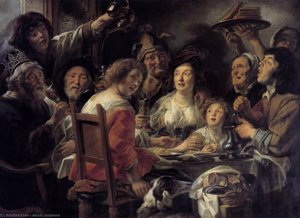
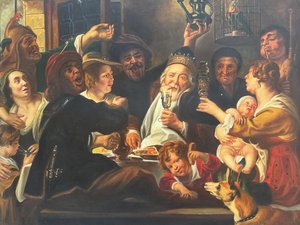
Jordaens' artistic output was remarkably diverse, encompassing a wide spectrum of subjects – from grand religious narratives and mythological scenes to allegorical compositions brimming with symbolism, lively genre paintings depicting peasant life, and even portraits capturing the essence of his patrons. However, he is perhaps most renowned for his boisterous depictions of peasant festivals and tavern scenes—works that radiate an infectious energy and an uninhibited celebration of earthly pleasures. Paintings such as *The King Drinks* (also known as the Feast of the Bean King) exemplify this characteristic style: crowded compositions teeming with robust figures engaged in lively revelry, rendered in warm, glowing colors and dramatic chiaroscuro. These scenes weren’t merely celebrations of merriment; they often carried subtle moralizing undertones, reflecting the complex relationship between indulgence and restraint that characterized 17th-century society. Yet, Jordaens was equally adept at handling grander, more formal commissions. His involvement in decorating the Huis ten Bosch palace near The Hague – alongside collaborations with Rubens – showcased his ability to create monumental allegorical works that seamlessly integrated painting and architecture, transforming entire rooms into immersive visual narratives.Influences and a Distinct Artistic Voice
While Jordaens never ventured to Italy, as many of his contemporaries did, he was deeply influenced by the artistic currents flowing through Northern Europe, particularly those emanating from Italy. He studied the works of masters like Jacopo Bassano, Paolo Veronese, and Caravaggio—artists whose techniques and sensibilities resonated with the Flemish spirit. The influence of Caravaggio is particularly striking in Jordaens’s use of light and shadow – a technique known as *chiaroscuro* – which dramatically intensifies the emotional impact of his scenes. However, Jordaens didn't simply imitate these influences; he skillfully synthesized them with his own Flemish sensibilities, creating a style that was uniquely his own. He distinguished himself from Rubens and Van Dyck in his preference for realism over idealized beauty, embracing a more direct and unrefined approach to depicting the human form. His figures are often substantial, even corpulent, their faces flushed with health and vitality—a testament to his commitment to portraying the authentic realities of life. This dedication to naturalism, combined with his masterful command of color and composition, set him apart from his contemporaries and firmly established him as a leading figure in Flemish Baroque painting.Major Works and Artistic Development
Throughout his prolific career, Jordaens produced an astonishing volume of work, demonstrating remarkable versatility across various genres. Key works include *The Return of the Holy Family from Egypt*, a dramatic narrative brimming with emotional intensity; *Argus and Mercury*, a dynamic mythological scene showcasing his technical skill and compositional prowess; and numerous genre paintings depicting scenes of everyday life—from bustling tavern gatherings to lively market squares. His artistic development can be traced through a progression from more tightly controlled, formally structured compositions in his early years to increasingly loose and exuberant arrangements as he matured. Notably, his later works often feature a greater emphasis on movement, color, and the depiction of human emotion, reflecting a shift towards a more expressive and personal style. The influence of his pupils is also evident in many of these paintings, suggesting that Jordaens was not merely a painter but also an educator, shaping the artistic landscape of Antwerp for generations to come.Legacy and Historical Significance
Jacob Jordaens’s legacy extends far beyond his individual masterpieces. He played a crucial role in preserving and developing the traditions of Flemish painting during a period of significant change. His commitment to depicting the realities of everyday life—particularly the lives of ordinary people—challenged traditional artistic hierarchies and offered a fresh perspective on the world around him. His influence can be seen in the work of later artists, including Jan Steen, who shared his penchant for portraying lively genre scenes with a touch of humor and social commentary. Jordaens’s paintings continue to resonate with audiences today, offering a glimpse into the vibrant culture and complex values of 17th-century Flanders—a testament to the enduring power of his artistic vision. His ability to seamlessly blend realism with allegory, sensuality with morality, and grandeur with intimacy solidifies his position as one of the most compelling and influential figures in the history of Baroque art.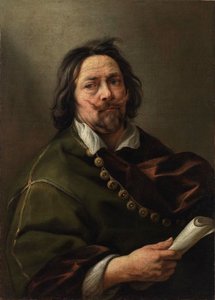
Якоб Йордаенс
1593 - 1678 , Бельгия
Основные сведения
- Artistic Movement Or Style: Фламандский барокко
- Artists Or Movements Influenced By This Artist: ['Ян Стен']
- Artists Who Influenced This Artist:
- Адам ван Ноорт
- Рубенс
- Date Of Birth: 19 мая 1593
- Date Of Death: 18 октября 1678
- Full Name: Якоб Йордаенс
- Nationality: Нидерландский барокко
- Notable Artworks:
- «Возвращение Святой семьи из Египта»
- «Праздник короля»
- Place Of Birth: Антверпен, Бельгия