

 Предпросмотр
 Поделиться
 Поделиться
 Детали произведения

 Скачать
 Похожие работы
 Рентгенография
 Слайд-шоу
 Статистика
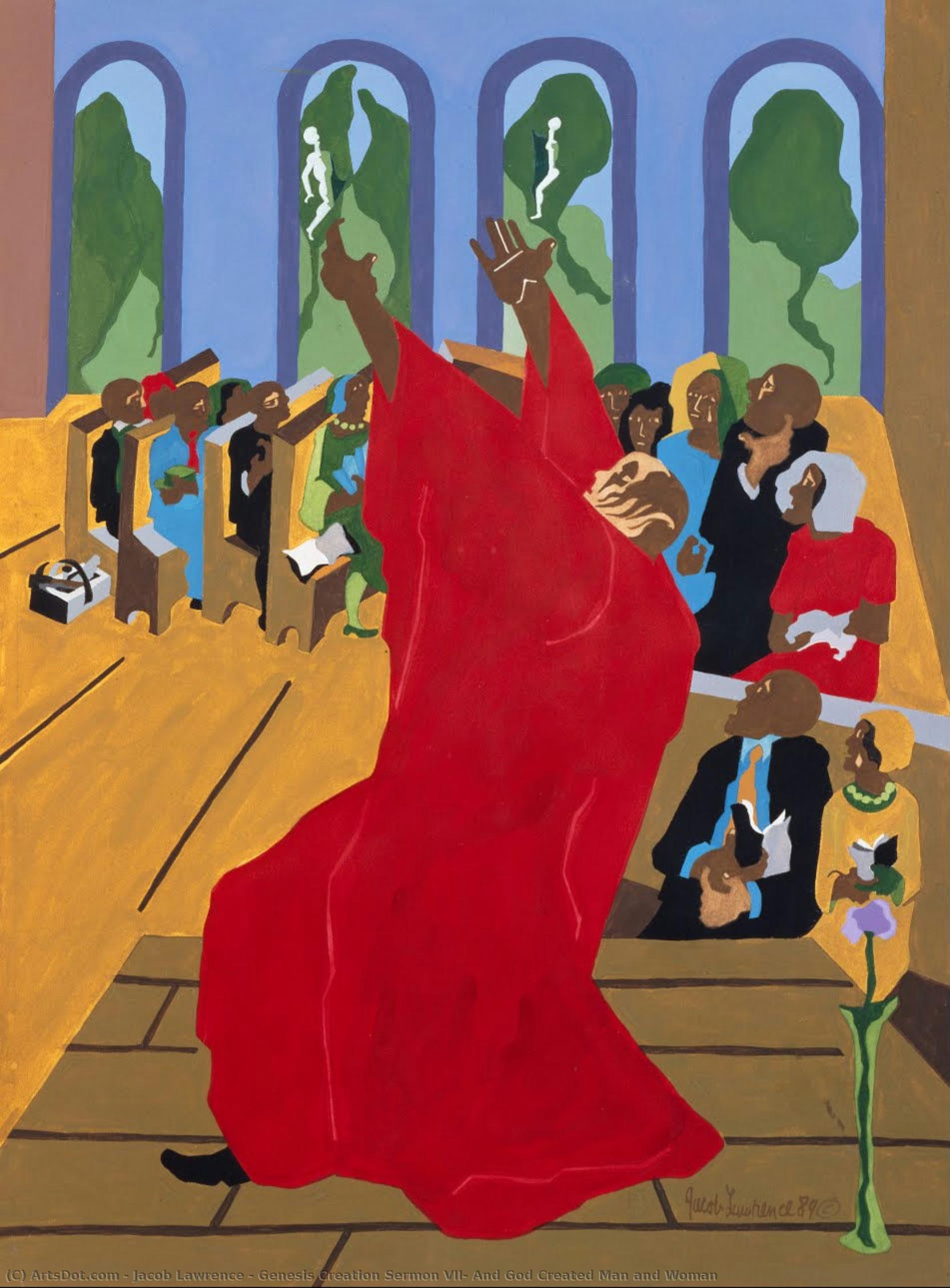
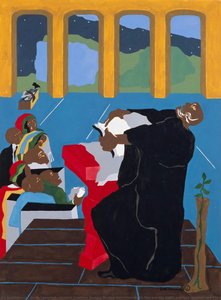
Genesis Creation Sermon VII: And God Created Man and Woman


 Читать далее
Масляная репродукция ручной работы
Картина маслом на холсте в выбранном вами размере и раме, написанная на заказ нашими художниками. ( Перейти к печати Перейти к цифровым изображениям)




P118B $10

P118H $10

P118W $10

P438Z $10

P508JH $12

P508YH $12

P805H $10

P805Z $10

P919BZ $10

P919G $10

P919XJ $10

P959ZH $10

P968JZ $12

W106C $8

W218G $10

W218JH $8

W218Y $10

W307PJ $10

W316G $10

W316PJ $8

W316Y $10

W398PJ $8

W4111J $10

W500HY $15

W500JH $15

W692G $12

W849H $8

W940BG $15

W953PJ $8




Выберите один из наших стандартных размеров, соответствующих оригинальным пропорциям произведения искусства.

Вы можете указать собственные размеры, чтобы картина идеально вписалась в выбранную раму или пространство. Если выбранный вами размер не соответствует пропорциям оригинала, мы либо обрежем полотно, либо расширим его за счет дополнительных элементов, написанных вручную. Цифровой макет будет отправлен вам на утверждение перед началом производства.
Обратите внимание, что предварительный просмотр на экране не отражает фактическую обрезку или расширение. Только макет точно покажет окончательную композицию.
Хотя доступны индивидуальные размеры, мы рекомендуем выбирать вариант из предопределенного списка, чтобы сохранить исходные пропорции.
После оформления заказа команда ArtsDot.com свяжется с клиентом по электронной почте для уточнения деталей и предоставит предварительный макет
Доставка по всему миру () за 3–4 недели вместо стандартных 5 недель. (11 Сентябрь). Без компромиссов в качестве.

Бесплатная экспресс-доставка по всему миру

Высококачественный льняной холст

Полное страхование доставки

Гарантия возмещения таможенных пошлин

Гарантия точного соответствия цветов

100-дневная политика возврата (только при обнаружении дефектов)

Гарантия возврата 100% средств

Предложение оптовых скидок
 Вариант со стеклом доступен только для размеров менее 110 см

Genesis Creation Sermon VII: And God Created Man and Woman
Техника репродукции
Размер репродукции
-


Итоговая стоимость
$ 263
The Resonance of Sacred Narrative in American Art
Jacob Lawrence’s Genesis Creation Sermon VII: And God Created Man and Woman is far more than a mere depiction of scripture; it is a vibrant, deeply personal sermon rendered in paint. Drawing its inspiration from the powerful oratory of Rev. Adam Clayton Powell Sr., this work captures the electrifying moment when divine narrative meets the palpable energy of the community. Lawrence masterfully translates the fervor of the pulpit into a monumental visual experience. The scene pulses with life, centered around the commanding figure of the preacher, clad in striking red robes, whose very posture suggests an outpouring of spiritual conviction. One feels the heat of the room, the weight of the words being spoken, and the collective absorption of the congregation gathered to receive them.
Technique and Compositional Power
The technical brilliance evident in this piece lies in Lawrence’s ability to blend historical iconography with a distinctly modern American sensibility. The composition is meticulously layered: the immediate foreground draws the viewer into the intimate space between observer and sermon, while the middle ground swells with the attentive faces of the parish members—a tableau vivant of devotion. Beyond the central action, the background opens up through four arched windows, offering glimpses of an exterior scene that anchors the spiritual moment within a broader, unfolding world. Lawrence’s use of bright, saturated colors is not merely decorative; it amplifies the emotional resonance, giving weight and significance to every gesture, every fold of fabric, and every upturned face.
Symbolism of Community and Creation
At its heart, this painting speaks to themes of genesis, community, and enduring faith. The narrative of creation, filtered through the lens of a Harlem sermon, becomes an allegory for the African-American experience itself—a story of emergence, divine potential, and communal resilience. The preacher acts as the conduit, channeling ancient texts into immediate, living truth for his people. For the collector or decorator, this symbolism offers profound depth; it suggests that great stories, whether biblical or personal, are always best shared aloud, in a space filled with gathered witnesses.
An Emotional Anchor for Any Space
To bring this piece into a home or gallery is to invite an atmosphere of reverence and intellectual engagement. It possesses the monumental quality of historical painting yet retains the immediacy of reportage. The energy captured here—the awe in the eyes, the passion in the gesture—is infectious. Reproducing Lawrence’s vision allows one to possess not just art, but a palpable sense of shared cultural memory and enduring spiritual fervor. It is a piece that demands contemplation, inviting viewers to pause, listen, and feel the resonance of a powerful story unfolding before them.
Похожие произведения
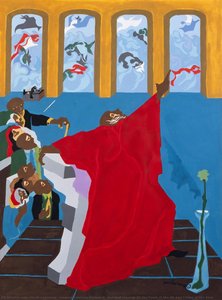

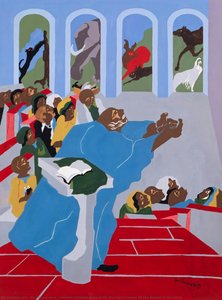
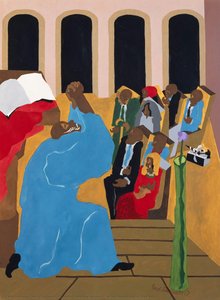
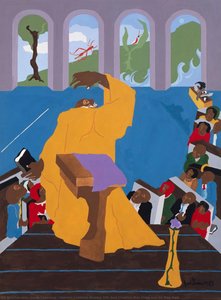
Биография художника
A Life Painted in Story: The World of Jacob Lawrence
Jacob Armstead Lawrence, born September 7, 1917, in Atlantic City, New Jersey, was far more than just an artist; he was a chronicler of his people’s journey—a visual storyteller whose work profoundly shaped the landscape of American art. His life unfolded as a vibrant tapestry woven with threads of displacement, resilience, and unwavering commitment to social justice. Following his parents' divorce in 1924, Lawrence experienced a childhood marked by constant movement, finding temporary refuge in foster homes before finally settling with his mother in Harlem during the exhilarating era of the Harlem Renaissance. This immersion into the heart of Black culture became the very foundation upon which he built his artistic vision—a fusion of African-American experience and modern sensibilities. It was within the bustling streets and communal spirit of Harlem that Lawrence first encountered art, enrolling in classes at Utopia Children’s House and later studying under the guidance of Charles Alston at the Harlem Art Workshop – a pivotal step on his path to becoming a powerful voice through visual narrative.Dynamic Cubism: A Style Forged from Experience
Lawrence didn't simply adopt artistic styles; he meticulously crafted his own, famously describing it as “dynamic cubism.” This wasn’t a mere imitation of European avant-garde movements but rather a deeply personal synthesis—a unique blend of modernist principles and the lived realities of his community. Inspired by the bold colors and flattened forms of African sculpture – art that prioritized narrative and social commentary – and the vibrant murals of Mexican artists, Lawrence developed a visual language characterized by strong, simplified shapes, a rich palette of colors, and a deliberate rejection of traditional perspective. This wasn’t simply an aesthetic choice; it was a conscious effort to distill the essence of his subjects, capturing their emotions and experiences with immediacy and accessibility. He sought not to replicate reality in its entirety but to reveal its spirit—the soul of a people and their history. His paintings are imbued with a sense of urgency and directness, inviting viewers into the heart of the stories he was telling.The Migration Series: A Monumental Chronicle
Lawrence’s most celebrated achievement is undoubtedly *The Migration Series*, a monumental undertaking that spanned sixty panels and chronicled the Great Migration—the mass movement of African Americans from the rural South to the industrial North between 1916 and 1970. Beginning in 1940-41, this ambitious project transformed Lawrence into an overnight sensation, catapulting him to national recognition and securing his place as a leading figure in American art. The series isn’t merely a historical record; it's a deeply emotional exploration of the hopes, fears, and struggles faced by those who embarked on this transformative journey. Each panel is meticulously rendered, filled with symbolic imagery and carefully chosen details that convey the complexities of their experiences. Lawrence masterfully captured the spirit of resilience, determination, and the yearning for a better life—a testament to the enduring strength of the African-American community. The series’ impact was immediate and profound, influencing generations of artists and sparking critical conversations about race, migration, and social justice.Beyond the Migration: Portraits of People and Places
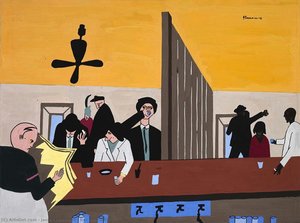
While *The Migration Series* remains his most iconic work, Lawrence's artistic output extended far beyond this single monumental project. He continued to create a diverse range of paintings that explored various facets of African-American life—from intimate portraits of individuals to sweeping depictions of historical events and everyday scenes. His series on Toussaint L’Ouverture, the Haitian revolutionary; Frederick Douglass, the abolitionist orator; and Harriet Tubman, the conductor on the Underground Railroad, transformed these iconic figures into accessible visual narratives. He also documented the vibrant life of Harlem through paintings like *Bar and Grill*, a stark yet poignant depiction of segregation within a New Orleans café, and *Window*, which captures the energy and vitality of a bustling street scene. These works demonstrate Lawrence’s ability to distill complex social realities into powerful visual statements—a testament to his profound understanding of human nature and his unwavering commitment to portraying the experiences of marginalized communities.Legacy and Enduring Influence
Jacob Lawrence's legacy extends far beyond the impressive body of work he left behind. He was not only a gifted artist but also a dedicated educator, teaching at institutions like Black Mountain College and the University of Washington for sixteen years. Through his instruction, he nurtured generations of artists, encouraging them to find their own voices and explore themes relevant to their experiences. Lawrence paved the way for countless African-American artists who followed, challenging prevailing norms and expanding the boundaries of American art. His work continues to resonate today, prompting critical conversations about race, history, and social justice—a testament to his enduring relevance as an artist and a cultural icon. Featured in prominent museums such as the Smithsonian American Art Museum and the University of Washington’s collection, his paintings serve as powerful reminders of the struggles and triumphs of the African-American community and the transformative power of art to illuminate the human condition.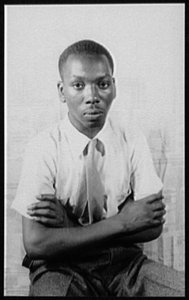
Яков Лоррейнс
1917 - 2000 , Соединенные Штаты Америки
Основные сведения
- Artistic Movement Or Style: Динамичный кубизм
- Artists Or Movements Influenced By This Artist: ['Афроамериканское искусство']
- Date Of Birth: 7 сентября 1917 г.
- Date Of Death: 9 июня 2000 г.
- Full Name: Jacob Armstead Lawrence
- Nationality: Американский
- Notable Artworks:
- Миграция
- Победа и поражение
- Place Of Birth: Город Атлантика, США
Похожие статьи
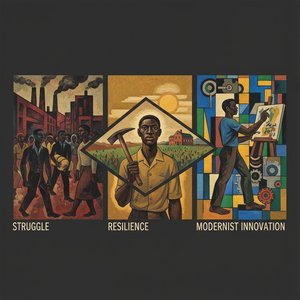
Jacob Lawrence: Narratives of Struggle, Resilience & Modernist Innovation
Explore the powerful narratives of Jacob Lawrence, a pivotal African American artist of the Harlem Renaissance. Discover his iconic 'Migration Series,' dynamic cubism style, and lasting impact on American art history.

Grant Wood & American Regionalism: Identity, Myth & the Rural Landscape
Explore the world of Grant Wood & American Regionalism with ArtsDot. Discover the symbolism behind 'American Gothic', recurring themes, and the movement's lasting impact on art history. High-quality reproductions available.

Angelo Chiacchio: A Mid-Century American Illustration Master & the Rise of Commercial Art
Explore the captivating world of Angelo Chiacchio, a master of mid-century American illustration. Discover his evolution, signature style, and lasting impact on commercial art & design. Learn about his legacy at the Museum of American Illustration.
Henry Ossawa Tanner: Pioneering African American Representation in 19th-Century Art
Explore the life and groundbreaking work of Henry Ossawa Tanner, a pioneering African American artist who achieved international acclaim with his deeply spiritual and realistic paintings. Discover his legacy at ArtsDot.
Alfred Jacob Miller: Chronicling the American West Through Artistic Observation & Narrative
Explore the captivating art of Alfred Jacob Miller, chronicler of the American West. Discover his iconic paintings, techniques & lasting legacy – a valuable addition to any serious collection. Learn more at ArtsDot.