

 Предпросмотр
 Поделиться
 Поделиться
 Детали произведения

 Скачать
 Похожие работы
 Рентгенография
 Слайд-шоу
 Статистика
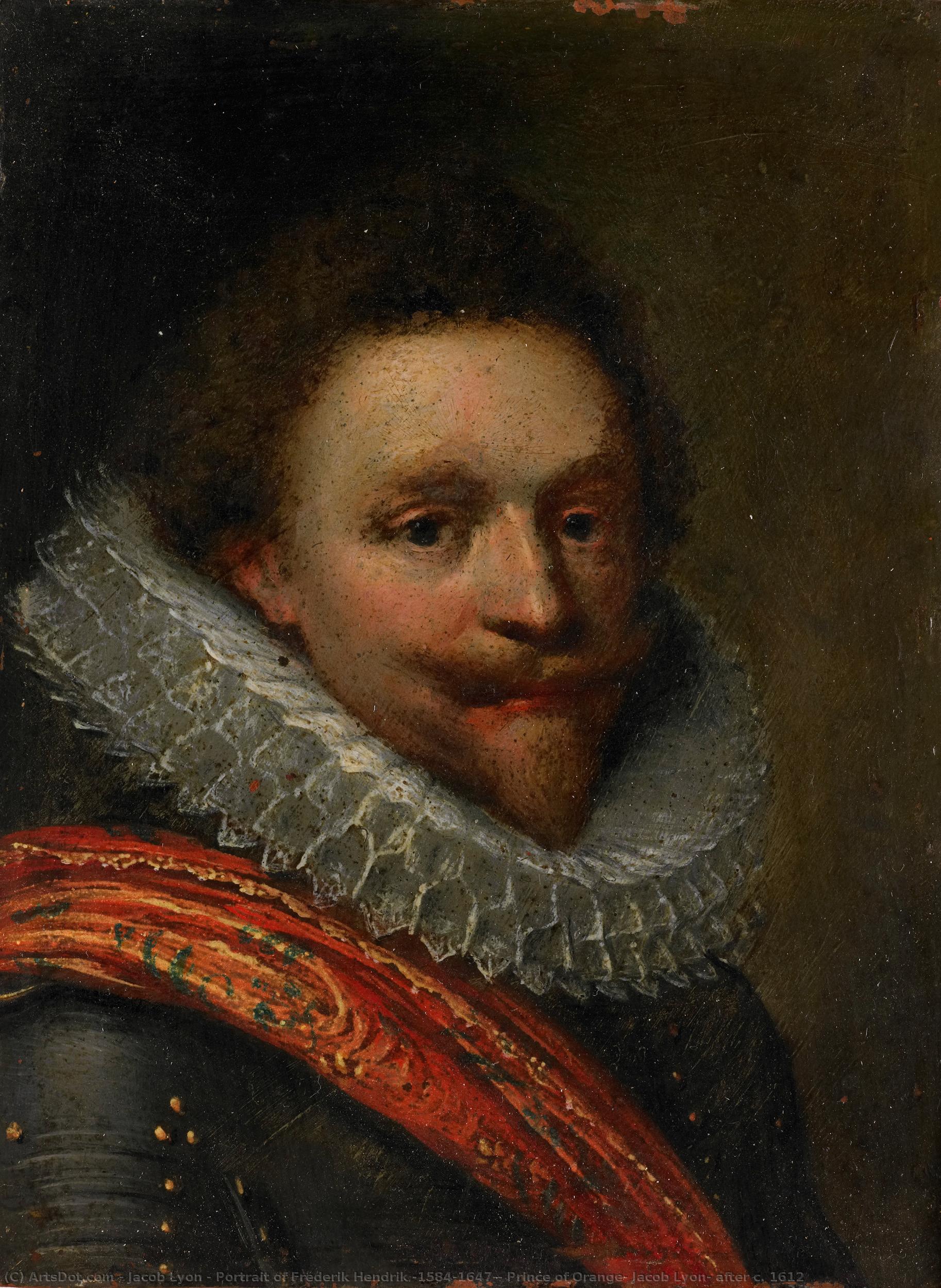
Portrait of Frederik Hendrik (1584-1647), Prince of Orange, Jacob Lyon, after c. 1612
 1612
1612 12.0 x 9.0 cm
 Читать далее
Масляная репродукция ручной работы
Картина маслом на холсте в выбранном вами размере и раме, написанная на заказ нашими художниками. ( Перейти к печати Перейти к цифровым изображениям)




































Выберите один из наших стандартных размеров, соответствующих оригинальным пропорциям произведения искусства.

Вы можете указать собственные размеры, чтобы картина идеально вписалась в выбранную раму или пространство. Если выбранный вами размер не соответствует пропорциям оригинала, мы либо обрежем полотно, либо расширим его за счет дополнительных элементов, написанных вручную. Цифровой макет будет отправлен вам на утверждение перед началом производства.
Обратите внимание, что предварительный просмотр на экране не отражает фактическую обрезку или расширение. Только макет точно покажет окончательную композицию.
Хотя доступны индивидуальные размеры, мы рекомендуем выбирать вариант из предопределенного списка, чтобы сохранить исходные пропорции.
После оформления заказа команда ArtsDot.com свяжется с клиентом по электронной почте для уточнения деталей и предоставит предварительный макет
Доставка по всему миру () за 3–4 недели вместо стандартных 5 недель. (13 Сентябрь). Без компромиссов в качестве.

Бесплатная экспресс-доставка по всему миру

Высококачественный льняной холст

Полное страхование доставки

Гарантия возмещения таможенных пошлин

Гарантия точного соответствия цветов

100-дневная политика возврата (только при обнаружении дефектов)

Гарантия возврата 100% средств

Предложение оптовых скидок
 Вариант со стеклом доступен только для размеров менее 110 см

Portrait of Frederik Hendrik (1584-1647), Prince of Orange, Jacob Lyon, after c. 1612
Техника репродукции
Размер репродукции
-


Итоговая стоимость
$ 263
Похожие произведения









Биография художника
Lucas Cranach the Younger: A Master of Renaissance Portraiture and Religious Drama
Born in Eisleben, Saxony, around 1506 and tragically dying in Wittenberg in 1586, Lucas Cranach the Younger stands as a pivotal figure in the German Renaissance. Often overshadowed by his more famous father, Lucas Cranach the Elder, he nonetheless forged a distinctive artistic path, becoming renowned for his captivating portraits, dramatic religious scenes, and significant contributions to the visual culture of his time. His legacy rests not just on technical skill but also on his astute understanding of humanist ideals and his ability to capture the complexities of human emotion within the framework of both secular and sacred subjects.
Cranach’s early artistic development was deeply influenced by his father, a leading painter in Leipzig and later Wittenberg. However, Lucas the Younger quickly established his own style, characterized by a vibrant palette, dynamic compositions, and an unparalleled ability to imbue his figures with psychological depth. Unlike the more austere Mannerism prevalent elsewhere in Europe at the time, Cranach’s work retained a strong connection to the naturalism of the High Renaissance, particularly drawing inspiration from Italian masters like Leonardo da Vinci and Raphael. This influence is evident in his meticulous attention to detail, his skillful use of light and shadow, and his graceful rendering of human forms.
His career unfolded against the backdrop of a rapidly changing Germany, marked by religious upheaval and political intrigue. Wittenberg, where he spent most of his life, was the seat of Martin Luther’s Reformation, and Cranach found himself deeply involved in the theological debates of the era. He became a staunch supporter of the Reformation, providing portraits for prominent reformers like Luther himself and producing numerous prints that disseminated Protestant ideas throughout Germany. These prints – often featuring biblical scenes or allegorical representations of religious concepts – were crucial tools in shaping public opinion and solidifying the new religious order.
The Portraitist: Capturing Character and Power
While Cranach’s religious works are undeniably significant, he is perhaps best remembered for his remarkably astute and psychologically penetrating portraits. He possessed a rare gift for capturing not just physical likeness but also the character, personality, and social standing of his subjects. His portraits of figures like Martin Luther, Philip Melanchthon, Erasmus, and numerous members of the Saxon court are considered masterpieces of Renaissance portraiture. These works demonstrate an extraordinary ability to convey inner thoughts and emotions through subtle gestures, facial expressions, and carefully chosen attire.
Cranach’s approach to portraiture was deeply informed by humanist ideals, which emphasized the importance of individual identity and self-expression. He frequently employed innovative compositional techniques – such as asymmetrical arrangements and dynamic diagonals – to create a sense of movement and vitality within his portraits. Furthermore, he skillfully integrated symbolic elements into his paintings, using clothing, objects, and settings to communicate hidden meanings and allude to the subject’s virtues or vices.
His portraiture wasn't limited to religious figures; he also painted numerous secular subjects, including nobility, merchants, and artists. These portraits offer a fascinating glimpse into the social and cultural life of 16th-century Germany, revealing the ambitions, anxieties, and aspirations of individuals from all walks of life.
Religious Drama: Myth, Allegory, and Biblical Narrative
Beyond his portraiture, Cranach’s religious paintings are characterized by their dramatic intensity and masterful use of color. He frequently depicted scenes from the Bible, the lives of saints, and allegorical representations of Christian virtues and vices. These works were not merely decorative; they served as powerful visual sermons, designed to educate and inspire viewers. His depictions of the Passion of Christ, for example, are particularly moving in their emotional intensity and psychological realism.
Cranach’s religious paintings often drew upon classical mythology and medieval iconography, blending these traditions with his own distinctive artistic style. He frequently employed allegorical figures – such as Justice, Faith, and Charity – to convey complex theological concepts. His use of vibrant colors, dynamic compositions, and expressive gestures created a sense of immediacy and drama that captivated audiences.
Notable works in this category include his series of paintings depicting the *Life of St. Elizabeth*, commissioned by the Wittenberg town council, which showcases his ability to combine religious piety with humanist ideals. His depictions of the *Martyrdom of St. Catherine* and *St. Sebastian* are also considered highlights of his oeuvre.
Legacy and Influence
Lucas Cranach the Younger’s influence on subsequent generations of German artists was profound. His dynamic compositions, vibrant color palettes, and psychological realism set a new standard for portraiture and religious painting in Germany. He mentored numerous students, including Lucas Fernau and Christoph Brand, who went on to become accomplished artists in their own right.
His work continues to be studied and admired by art historians and scholars today. Cranach’s paintings offer a valuable window into the cultural and intellectual life of 16th-century Germany, reflecting the complex interplay between religious reform, humanist ideals, and artistic innovation. He remains a vital figure in the history of German Renaissance art, celebrated for his technical skill, his psychological insight, and his enduring contribution to the visual language of the era.
jacob lyon
1586 - 1648 , Netherlands
Основные сведения
- Artistic Movement Or Style: Genre, village scenes
- Artists Or Movements Influenced By This Artist: ['Flemish landscape painting']
- Artists Who Influenced This Artist:
- Esaias van de Velde
- Pieter Brueghel the Elder
- Pieter Brueghel the Younger
- David Vinckboons
- Date Of Birth: c. 1586
- Date Of Death: 1666
- Full Name: Joost Cornelisz Droochsloot
- Nationality: Dutch
- Notable Artworks:
- Village street scene
- Moral allegories
- Biblical stories
- Place Of Birth: Badajoz, Spain
