

 Предпросмотр
 Поделиться
 Поделиться
 Детали произведения

 Скачать
 Похожие работы
 Рентгенография
 Слайд-шоу
 Статистика
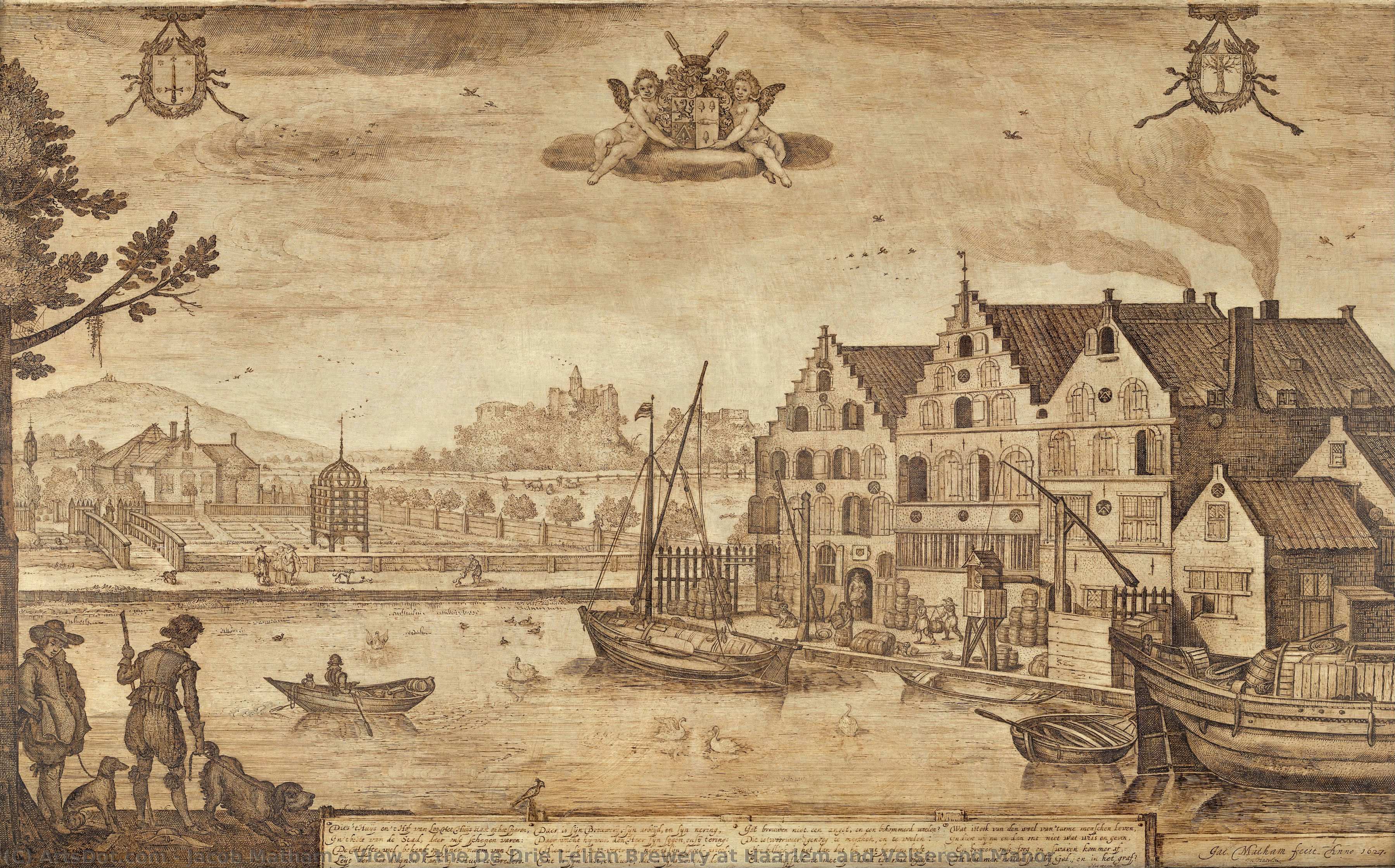
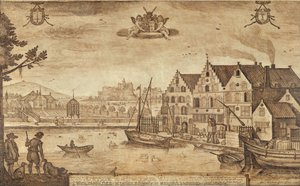
View of the De Drie Leliën Brewery at Haarlem and Velserend Manor
 Ink
Ink- Dutch Golden Age
 1627
1627- Early Modern
 71.0 x 116.0 cm
 Фрэнс Гальс Музей
 Читать далее
Масляная репродукция ручной работы
Картина маслом на холсте в выбранном вами размере и раме, написанная на заказ нашими художниками. ( Перейти к печати Перейти к цифровым изображениям)




































Выберите один из наших стандартных размеров, соответствующих оригинальным пропорциям произведения искусства.

Вы можете указать собственные размеры, чтобы картина идеально вписалась в выбранную раму или пространство. Если выбранный вами размер не соответствует пропорциям оригинала, мы либо обрежем полотно, либо расширим его за счет дополнительных элементов, написанных вручную. Цифровой макет будет отправлен вам на утверждение перед началом производства.
Обратите внимание, что предварительный просмотр на экране не отражает фактическую обрезку или расширение. Только макет точно покажет окончательную композицию.
Хотя доступны индивидуальные размеры, мы рекомендуем выбирать вариант из предопределенного списка, чтобы сохранить исходные пропорции.
После оформления заказа команда ArtsDot.com свяжется с клиентом по электронной почте для уточнения деталей и предоставит предварительный макет
Доставка по всему миру () за 3–4 недели вместо стандартных 5 недель. (10 Сентябрь). Без компромиссов в качестве.

Бесплатная экспресс-доставка по всему миру

Высококачественный льняной холст

Полное страхование доставки

Гарантия возмещения таможенных пошлин

Гарантия точного соответствия цветов

100-дневная политика возврата (только при обнаружении дефектов)

Гарантия возврата 100% средств

Предложение оптовых скидок
 Вариант со стеклом доступен только для размеров менее 110 см

View of the De Drie Leliën Brewery at Haarlem and Velserend Manor
Техника репродукции
Размер репродукции
-


Итоговая стоимость
$ 263
A Masterpiece of Ink and Intricacy
In the delicate, rhythmic strokes of Jacob Matham’s 1627 masterpiece, View of the De Drie Leliën Brewery at Haarlem and Velserend Manor, we are transported to the bustling heart of the Dutch Golden Age. This is not merely a landscape; it is a meticulously crafted tribute to prosperity, industry, and the personal legacy of a prominent citizen. Using a sophisticated pen and ink technique on a prepared panel, Matham achieves a visual clarity so profound that the work mimics the precision of a large-scale engraving. The scene unfolds with an extraordinary level of detail, capturing the lively atmosphere of the River Spaarne, where the water is alive with the movement of rowboats and larger vessels, each stroke of the pen contributing to a sense of rhythmic, flowing life.
The composition serves as a dual portrait of ownership and pride. In the foreground, the De Drie Leliën brewery stands as a testament to Haarlem’s commercial vitality, its presence anchored by the activity of people gathered at the water's edge. As the eye wanders toward the horizon, the perspective shifts from the industrial to the pastoral, revealing the elegant Velserend Manor nestled in the distance. Matham subtly weaves a narrative of identity into the landscape; legend suggests that the patron, Johan Claesz Loo, may even be hidden within the brushwork—appearing near the brewery entrance and along the distant road—effectively immortalizing the man alongside his earthly achievements.
Technique and the Legacy of Haarlem
To understand the breathtaking precision of this work, one must look to Matham’s artistic lineage. Trained under the legendary Hendrik Goltzius, Matham inherited a mastery of line that allowed him to manipulate ink as if it were light itself. This specific technique—applying pen to a prepared surface to create tonal depth—requires an immense level of discipline and foresight, as there is no room for error in such fine detail. The result is a work that possesses both the structural strength of an architectural drawing and the atmospheric soul of a landscape painting.
For the discerning collector or interior designer, this piece offers more than just historical value; it provides a window into a vanished world. The interplay between the dark, decisive lines and the implied light creates a sophisticated texture that commands attention in any curated space. Whether displayed in a classical study or as a focal point in a contemporary gallery setting, Matham’s work invites viewers to linger over its complexities, discovering new figures, boats, and architectural nuances with every glance. It is an evocative piece of history, capturing the very essence of Dutch industriousness and the quiet elegance of the 17th-century countryside.
Похожие произведения

Биография художника
The Master of the Burin: The Lineage of Jacob Matham
In the vibrant heart of Haarlem, where the pulse of the Dutch Golden Age beat with unparalleled vigor, Jacob Matham emerged not merely as a craftsman, but as a vital conduit for the era's most profound visual narratives. Born in 1571 into a family deeply rooted in the art of printmaking, Matham’s very existence was intertwined with the rhythmic scratch of the engraver's tool and the delicate flow of ink. His early years were shaped by the formidable brilliance of his mentor and stepfather, the legendary Hendrik Goltzius. From this prestigious lineage, Matham inherited a sacred dedication to precision—a mastery of line that allowed him to manipulate ink as if it were liquid light, capturing the subtle textures of skin, fabric, and landscape with an almost supernatural clarity.
Bridging the Great Masters
Matham’s true genius lay in his ability to act as a bridge between the monumental canvases of the era's greatest painters and the wider, more accessible world of print. He did not simply replicate; he interpreted. When he turned his attention to the works of Peter Paul Rubens, Matham captured the sheer emotional intensity and muscular grandeur that defined the Baroque spirit. His engravings, particularly those produced during Rubens' prolific period between 1611 and 1615, breathed new life into the master's visions, translating monumental scale into the intimate, intricate language of the copperplate. Similarly, his engagement with the compositions of Pieter Aertsen demonstrated a remarkable versatility, as he navigated the transition from the dramatic to the detailed, ensuring that the complex narratives of these masters could be shared across borders and through generations.
A Symphony of Ink and Light
Beyond the reproduction of existing masterpieces, Matham’s original pen-and-ink works reveal a profound sensitivity to the Dutch landscape and the passage of time. In his 1627 masterpiece, View of the De Drie Leliën Brewery at Haarlem and Velserend Manor, we witness a breathtaking display of technical discipline. Using sophisticated pen strokes on prepared panels, he achieved a visual clarity that mimics the precision of engraving, capturing the bustling vitality of the River Spaarne and the industrious spirit of the brewery. His repertoire was as diverse as it was dramatic, characterized by:
- The poignant and heavy shadows of Samson and Delilah, where chiaroscuro heightens the sense of impending tragedy;
- The mythological elegance found in Mars and Venus, rich with symbolic depth and classical beauty;
- The delicate, rhythmic landscapes that immortalized the prosperity and personal legacies of his native Haarlem.
Through this extraordinary command of both line and light, Jacob Matham secured his place not just as a follower of great men, but as an artist who defined the very texture of the Dutch Golden Age.
Jacob Matham
1571 - 1631 , Netherlands
Основные сведения
- Artistic Movement Or Style: Baroque Engraving
- Artists Or Movements Influenced By This Artist: ['Rubens']
- Artists Who Influenced This Artist: ['Hendrik Goltzius']
- Date Of Birth: 1571 Haarlem Netherlands
- Date Of Death: 1631
- Full Name: Jacob Matham
- Nationality: Dutch
- Notable Artworks:
- Samson and Delilah
- Mars & Venus
- Place Of Birth: Haarlem Netherlands
Похожие статьи

Золотой век Голландии: 10 шедевров, изменивших искусство | ArtsDot.com
Погрузитесь в эпоху Золотого века Нидерландов! 10 шедевров Рембрандта, Вермеера и других мастеров. Узнайте истории создания культовых картин и вдохновитесь для интерьера. Репродукции музейного качества на ArtsDot.com.

Illuminating Innovation: Exploring the Dutch Golden Age of Painting
Explore the Dutch Golden Age of painting with ArtsDot. Discover Rembrandt, Vermeer & other Masters. Learn about key characteristics, iconic artworks, and lasting influence. Expert insights for collectors & enthusiasts.

Golden Age Reflections: Dutch Baroque Painting & Cultural Innovation
Explore the Dutch Golden Age of painting! Discover key artists like Vermeer & ter Borch, their innovative techniques, and the rich cultural context behind these Baroque masterpieces. Learn about collecting & appreciating this iconic art period.
Charles Leickert: Capturing the Dutch Golden Age Light – A Comprehensive Study of Technique, Context, and Legacy
Explore the captivating winter landscapes of Charles Leickert, a master of Dutch Golden Age light & atmosphere. Discover his techniques, symbolism, and lasting legacy – a comprehensive study for art enthusiasts and collectors.
Illuminating Realism: Exploring the Dutch Golden Age of Painting (1600-1700)
Explore the Dutch Golden Age of painting (1600-1700) with ArtsDot. Discover Rembrandt, Vermeer & other masters. Learn about techniques, history & find museum-quality reproductions.