

 Предпросмотр
 Поделиться
 Поделиться
 Детали произведения

 Скачать
 Похожие работы
 Рентгенография
 Слайд-шоу
 Статистика
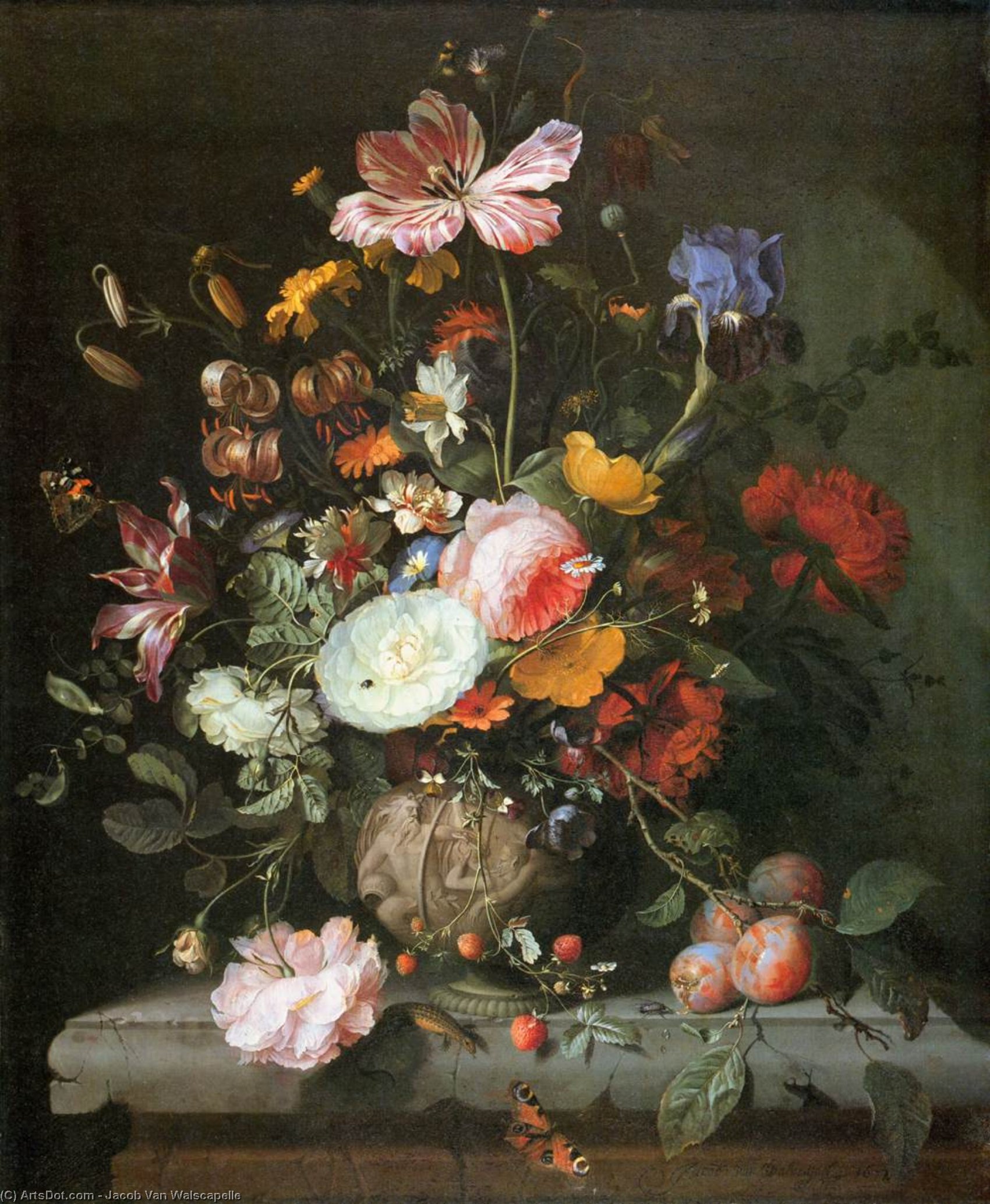
Flowers in a Stone Vase
 Oil On Canvas
- WallArt
- Baroque
 1677
1677- Early Modern
 72.0 x 58.0 cm
 Стэдельский музей
 Читать далее
Приобретите цифровое изображение высокого разрешения в улучшенном качестве, которое значительно превосходит онлайн-превью.
Каждый файл тщательно подготавливается нашими специалистами с использованием передовых инструментов и экспертной ручной ретуши. Мы гарантируем исключительную четкость, точную цветопередачу и детальную проработку каждого изображения.
Финальный файл доставляется по электронной почте в течение 72 часов и оптимизирован для немедленного использования в профессиональной среде, при верстке и печати. Это тот же уровень качества, которому доверяют ведущие дизайнерские студии, издательства и галереи.
Цифровое изображение
Скачайте файл высокого разрешения для личного использования, печати и творческих проектов. ( Перейти к печати Купить картину ручной работы)
Включено в каждый заказ цифровых изображений
Гарантия экспертной цифровой доставки
Выбирая ArtsDot.com, вы получаете не просто изображение — вы приобретаете профессионально обработанное цифровое произведение искусства, созданное с безупречной точностью и под защитой гарантии качества. Вот всё, что автоматически входит в ваш заказ:

Мгновенная доставка по e-mail
Ваш цифровой файл в высоком разрешении будет отправлен вам по электронной почте в течение 72 часов после оформления заказа — и сразу станет доступен для использования.

Цифровой файл с ИИ-улучшением
Ваше произведение искусства проходит профессиональную оптимизацию с использованием передовых инструментов ИИ и ручной обработки, что гарантирует максимальную детализацию, четкость и точность цветопередачи.

Бессрочная бесплатная повторная доставка
Случайно удалили или потеряли файл? Не беспокойтесь — мы отправим его вам повторно в любое время и совершенно бесплатно.

Без импортных пошлин — навсегда
Наслаждайтесь вашим произведением искусства мгновенно без таможенных пошлин, сборов или затрат на доставку — цифровые загрузки всегда не облагаются налогом.

Гарантия точности цветопередачи
Мы гарантируем, что ваше цифровое изображение максимально точно передает оригинальные цвета благодаря использованию профессиональных инструментов и систем управления цветом.

Гарантия удовлетворенности 100 дней
Если вы не будете удовлетворены своим цифровым изображением, мы внесем правки или вернем 100% стоимости в течение 100 дней — без лишних вопросов.

100% Гарантия возврата средств
Не удовлетворены покупкой? Получите полный возврат средств в течение 100 дней после получения цифрового файла — без лишних вопросов.

Скидки на оптовые заказы
Купите 3 изображения, сэкономьте 10% — Купите 5, сэкономьте 15% — Купите 10+, сэкономьте 20%. Отличное решение для творческих проектов, галерей и агентств.
A Symphony of Ephemeral Beauty
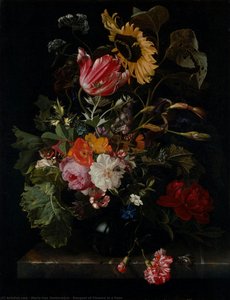
Gazing upon this exquisite still life, one is immediately transported into a moment suspended in time—a celebration of nature's fleeting perfection. The composition centers around a stately stone vase, an anchor of permanence against the vibrant chaos of blossoms it cradles. Here, Jacob van Walscapelle has masterfully gathered at least thirteen distinct varieties of flowers, each rendered with painstaking detail. From the lush profusion on the left to the scattered grace notes across the right, the arrangement speaks of a bountiful harvest viewed through the refined lens of the Dutch Golden Age. It is more than just a collection of blooms; it is an ode to life's vibrant, momentary splendor.
The Artistry of Jacob van Walscapelle
Painted in 1677, this work places us squarely within the rich tradition of Dutch floral painting. The artist, Jacob van Walscapelle, while perhaps often echoing the meticulous hand of his predecessor, Jan Davidsz de Heem, carved out a distinctly personal voice. His technique is characterized by an almost obsessive attention to botanical accuracy, yet never at the expense of poetic feeling. Observe the delicate brushwork; it allows light to seem as if it is physically catching on the velvety petals and glossy leaves. Adding a touch of narrative life to this otherwise tranquil scene is the inclusion of a small bird perched near the upper left corner. This tiny creature, seemingly observing the viewer, injects an element of unexpected movement, transforming the still arrangement into a living tableau.
Symbolism Woven in Petals and Stone
In the world of vanitas art, which this piece subtly touches upon, flowers have always carried profound weight. They are potent symbols of the transience of life itself—the glorious peak followed inevitably by decay. Yet, Walscapelle does not merely mourn passing time; he celebrates its very existence. The sturdy stone vase suggests enduring memory or timeless beauty, while the riot of color represents the fullness and richness of earthly experience. It invites contemplation: how do we best capture and cherish these moments before they fade?
Bringing Dutch Grandeur Home
For the collector or designer seeking to infuse a space with historical depth and natural elegance, this piece offers unparalleled charm. The combination of rich color saturation, masterful composition, and deep historical resonance makes it a breathtaking focal point. Owning a reproduction allows one to bring the sophisticated ambiance of a 17th-century Dutch *cabinet de curiosités* into a modern setting. It is an artwork that rewards close looking, offering endless visual narratives whether viewed in bright daylight or softly lit by candlelight.
Похожие произведения
Биография художника
A Florid Echo of the Dutch Golden Age
Jacob van Walscapelle, a name that whispers through the corridors of the Dutch Golden Age, remains one of the era's most delicate chroniclers of nature’s fleeting splendor. Born in 1644 in Dordrecht, his life and artistry were deeply intertwined with the vibrant botanical traditions of the Netherlands. While history often places him in the shadow of more thunderous masters, Walscapelle carved out a space for himself through an almost obsessive devotion to the minute details of the natural world. He was not merely a painter of flowers, but a poet of petals, capturing the ephemeral pulse of life within the stillness of his compositions.
The foundations of his talent were laid during his formative years as an apprentice under the esteemed Cornelis Kick between 1664 and 1667. This period was far more than a simple education in technique; it was an immersion into a living laboratory of color and form. As Kick maintained an expansive garden—a sanctuary for botanical study—Walscapelle learned to observe the subtle shifts in light upon a leaf and the velvet texture of a blooming rose. When the expansion of Amsterdam necessitated the relocation of Kick’s garden to the polder of Diemermeer, Walscapelle followed, ensuring that his early training was steeped in the direct observation of living specimens rather than mere imitation of prints.
Mastery of Light and Botanical Precision
To gaze upon a Walscapelle masterpiece is to enter a world where time has momentarily ceased its march. His style, profoundly indebted to the legendary Jan Davidsz de Heem, utilizes a luminous color palette and a dramatic use of chiaroscuro to breathe life into his subjects. He possessed a rare ability to render textures so convincingly that one can almost sense the dew clinging to a petal or the cool, heavy weight of a stone vase. His works often feature a complex arrangement of diverse species, sometimes gathering over a dozen distinct varieties in a single, breathtaking display.
Beyond mere botanical accuracy, Walscapelle’s work is imbued with a profound sense of atmosphere. He mastered the art of the vanitas—the subtle reminder of life's transience. In his arrangements, a perfectly bloomed peony might sit alongside a slightly wilting stem or a fallen leaf, creating a silent dialogue between peak vitality and inevitable decay. This tension between the permanent—represented by sturdy vessels or heavy drapery—and the ephemeral nature of the blossoms creates an emotional resonance that transcends simple decoration, inviting the viewer to contemplate the very essence of existence.
Legacy and Artistic Significance
Though his name is occasionally obscured by the greatness of his contemporaries, Walscapelle’s influence and contribution to the genre of floral still life are undeniable. His meticulous approach served as a bridge between the expansive, exuberant styles of the mid-17th century and the more refined, delicate sensibilities that followed. His technical prowess was such that many of his works were historically confused with those of his mentor, Cornelis Kick, a testament to the seamless quality of his execution.
The historical significance of Jacob van Walscapelle lies in his ability to capture the soul of the Dutch landscape within the confines of a studio setting. His legacy is preserved in:
- Technical Excellence: The perfection of botanical rendering and light manipulation that defined the high standard of Dutch still life.
- Symbolic Depth: The sophisticated use of floral arrangements to communicate complex themes of beauty, mortality, and the passage of time.
- Artistic Continuity: His role in maintaining and evolving the traditions established by masters like de Heem and Kick, ensuring the vitality of the genre for future generations.
Jacob van Walscapelle
1644 - 1727 , Netherlands
Основные сведения
- Artistic Movement Or Style: Golden Age
- Artists Or Movements Influenced By This Artist: Jan Davidsz de Heem
- Artists Who Influenced This Artist: Cornelis Kick
- Date Of Birth: Dordrecht, Netherlands (1644)
- Date Of Death: Amsterdam (1727)
- Full Name: Jacob van Walscapelle
- Nationality: Dutch
- Notable Artworks:
- A Swag Of Flowers
- Still Life with Fruit
- Silver Candlestick
- Place Of Birth: Netherlands