

 Предпросмотр
 Поделиться
 Поделиться
 Детали произведения

 Скачать
 Похожие работы
 Рентгенография
 Слайд-шоу
 Статистика
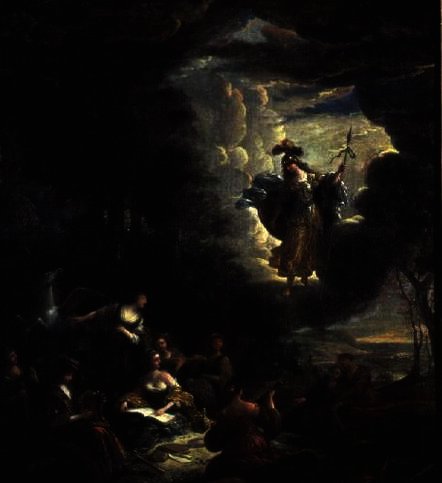
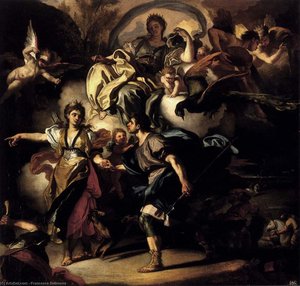
Athena visiting the Muses
 Читать далее
Масляная репродукция ручной работы
Картина маслом на холсте в выбранном вами размере и раме, написанная на заказ нашими художниками. ( Перейти к печати Перейти к цифровым изображениям)




































Выберите один из наших стандартных размеров, соответствующих оригинальным пропорциям произведения искусства.

Вы можете указать собственные размеры, чтобы картина идеально вписалась в выбранную раму или пространство. Если выбранный вами размер не соответствует пропорциям оригинала, мы либо обрежем полотно, либо расширим его за счет дополнительных элементов, написанных вручную. Цифровой макет будет отправлен вам на утверждение перед началом производства.
Обратите внимание, что предварительный просмотр на экране не отражает фактическую обрезку или расширение. Только макет точно покажет окончательную композицию.
Хотя доступны индивидуальные размеры, мы рекомендуем выбирать вариант из предопределенного списка, чтобы сохранить исходные пропорции.
После оформления заказа команда ArtsDot.com свяжется с клиентом по электронной почте для уточнения деталей и предоставит предварительный макет
Доставка по всему миру () за 3–4 недели вместо стандартных 5 недель. (13 Сентябрь). Без компромиссов в качестве.

Бесплатная экспресс-доставка по всему миру

Высококачественный льняной холст

Полное страхование доставки

Гарантия возмещения таможенных пошлин

Гарантия точного соответствия цветов

100-дневная политика возврата (только при обнаружении дефектов)

Гарантия возврата 100% средств

Предложение оптовых скидок
 Вариант со стеклом доступен только для размеров менее 110 см

Athena visiting the Muses
Техника репродукции
Размер репродукции
-


Итоговая стоимость
$ 388
Похожие произведения




Биография художника
Michelangelo Merisi da Caravaggio: A Revolutionary of Light and Shadow
Michelangelo Merisi, better known as Caravaggio, remains one of the most intensely debated and profoundly influential figures in art history. Born in Milan in 1571, his life was a whirlwind of dramatic events—a rebellious youth, a period of intense artistic innovation, accusations of murder, and ultimately, an exile marked by continued turmoil. His brief but explosive career irrevocably altered the course of painting, establishing techniques that would be imitated and adapted for generations to come. Caravaggio’s legacy rests not just on his stunning works, but also on the radical departure he made from established artistic conventions, forging a new path toward realism and emotional intensity within religious art.Early Life and Artistic Beginnings
Caravaggio's early life remains shrouded in some mystery. He was born into a family of artists – his father and stepfather were both painters – and received a basic artistic education in Milan. However, it wasn’t until he moved to Rome in 1592 at the age of twenty-one that his career truly began to take shape. Rome, then the epicenter of European art, was a magnet for young artists seeking patronage and recognition. Initially struggling to find work, Caravaggio specialized in still lifes – vibrant arrangements of fruits and flowers – selling them on the streets to supplement his income. These early works, though modest, demonstrated an innate talent for capturing texture and color with remarkable immediacy. Crucially, he began experimenting with a technique that would become his signature: dramatic lighting, known as *tenebrism*. This involved stark contrasts between light and shadow, pushing figures forward against the dark background of the canvas – a device that created a sense of theatrical drama and heightened emotional impact.The Rise to Fame and Revolutionary Techniques
Caravaggio’s fortunes dramatically shifted in 1595 when he caught the eye of Cardinal Francesco del Monte, a prominent patron known for his discerning taste. The cardinal provided Caravaggio with quarters and commissions, launching him into the Roman art scene. His first major public works – *The Calling of Saint Matthew* and *The Martyrdom of Saint Matthew*, painted for the Contarelli Chapel in the church of San Luigi dei Francesi – were groundbreaking. These paintings shattered traditional conventions by depicting biblical scenes with a startling realism and immediacy. Caravaggio didn’t idealize his subjects; instead, he used ordinary people—often from the streets—as models, imbuing them with dignity and humanity. He placed these figures directly within the picture plane, as if they were stepping out of the canvas and into the viewer's space. Furthermore, his masterful use of *tenebrism* created a powerful sense of drama, drawing attention to key moments and amplifying the emotional intensity of the scenes. As one contemporary critic observed, Caravaggio’s lighting was “as though in a room with a single window and the walls painted black,” creating an almost unnaturally intense effect.Controversy and Exile
Despite his rapid success, Caravaggio's life was marked by instability and conflict. He possessed a volatile temper, engaging in frequent brawls and acts of violence – including slashing a man’s cloak, throwing an artichoke at a waiter, and even assaulting a police officer. In 1606, he tragically escalated a dispute with a young man into a deadly swordfight, killing him. Rather than face justice, Caravaggio fled Rome, abandoning his reputation and leaving behind a trail of scandal. He sought refuge in Naples, then traveled to Malta, where he was granted membership in the Knights of Malta after painting *The Beheading of Saint John the Baptist*. However, his temper flared again, leading to imprisonment and expulsion from the order.Later Years and Legacy
Caravaggio spent his final years in Sicily, where he suffered a severe injury during another bar brawl, leaving him permanently scarred. He eventually returned to Naples, where he continued to paint until his death in 1610 at the age of thirty-nine. The circumstances surrounding his demise remain uncertain, though illness is often cited as a contributing factor. Despite his short life and turbulent existence, Caravaggio’s influence on European art was immense. His innovations in lighting, composition, and modeling—particularly *tenebrism*—were widely imitated by artists throughout Europe, shaping the course of Baroque painting for decades to come. Artists like Rembrandt, Rubens, and Velázquez all owe a debt to Caravaggio's revolutionary approach. His work continues to captivate viewers today with its dramatic intensity, emotional depth, and unparalleled realism, solidifying his place as one of history’s most important and enduring artists.
jacob willemsz de wet
1610 - 1675 , Netherlands
Основные сведения
- Artistic Movement Or Style: Caravaggism
- Artists Or Movements Influenced By This Artist: ['Baroque']
- Artists Who Influenced This Artist: ['Leonardo da Vinci']
- Date Of Birth: 1571
- Date Of Death: 1610
- Full Name: Michelangelo Merisi da Caravaggio
- Nationality: Italian
- Notable Artworks:
- The Calling of Saint Matthew
- Supper at Emmaus
- David and Goliath
- Place Of Birth: Milan, Italy