


 Предпросмотр
 Поделиться
 Поделиться
 Детали произведения

 Скачать
 Похожие работы
 Рентгенография
 Слайд-шоу
 Статистика
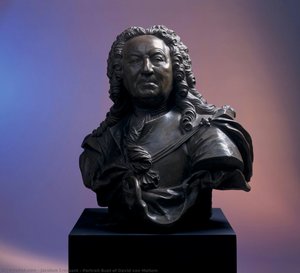
Portrait Bust of David van Mollem
 1740
1740 61.0 x 59.0 cm
 Читать далее
Масляная репродукция ручной работы
Картина маслом на холсте в выбранном вами размере и раме, написанная на заказ нашими художниками. ( Перейти к печати Перейти к цифровым изображениям)
































Выберите один из наших стандартных размеров, соответствующих оригинальным пропорциям произведения искусства.

Вы можете указать собственные размеры, чтобы картина идеально вписалась в выбранную раму или пространство. Если выбранный вами размер не соответствует пропорциям оригинала, мы либо обрежем полотно, либо расширим его за счет дополнительных элементов, написанных вручную. Цифровой макет будет отправлен вам на утверждение перед началом производства.
Обратите внимание, что предварительный просмотр на экране не отражает фактическую обрезку или расширение. Только макет точно покажет окончательную композицию.
Хотя доступны индивидуальные размеры, мы рекомендуем выбирать вариант из предопределенного списка, чтобы сохранить исходные пропорции.
После оформления заказа команда ArtsDot.com свяжется с клиентом по электронной почте для уточнения деталей и предоставит предварительный макет
Доставка по всему миру () за 3–4 недели вместо стандартных 5 недель. (17 Сентябрь). Без компромиссов в качестве.

Бесплатная экспресс-доставка по всему миру

Высококачественный льняной холст

Полное страхование доставки

Гарантия возмещения таможенных пошлин

Гарантия точного соответствия цветов

100-дневная политика возврата (только при обнаружении дефектов)

Гарантия возврата 100% средств

Предложение оптовых скидок
 Вариант со стеклом доступен только для размеров менее 110 см

Portrait Bust of David van Mollem
Техника репродукции
Размер репродукции
-


Итоговая стоимость
$ 263
Похожие произведения









Биография художника
The Sculptural Legacy of Jacobus Cressant
In the grand tapestry of the eighteenth-century Dutch Republic, few names evoke the delicate intersection of Baroque drama and Neoclassical restraint as poignantly as Jacobus Cressant. A sculptor whose hands breathed life into stone, alabaster, and terracotta, Cressant stands as a testament to an era where artistry served both the intimate portrait and the monumental garden. Though his origins trace back to the French town of Abbeville, it was within the vibrant, industrious landscapes of the Netherlands—specifically in centers like Utrecht and Amsterdam—that his creative spirit truly flourished. His career, spanning roughly four decades, reflects a profound evolution of style, moving from the emotive intensity of his early training toward a refined clarity that would define much of his later mastery.
The foundations of Cressant’s technique were laid in the rich artistic traditions of France. Immersed in the classical ideals of his homeland, he likely drew inspiration from the sweeping, dynamic energy of masters such as Gian Lorenzo Bernini. This early exposure to the Baroque movement instilled in him a profound respect for movement and ornamentation, a quality that remains visible in the grandeur of his more ambitious commissions. However, Cressant was not merely a follower of tradition; he was an artist capable of metamorphosis. As the cultural tides shifted toward Neoclassicism, so too did his work. He began to favor anatomical precision, subtle textures, and a certain sculptural stillness, trading theatricality for a sophisticated grace that captured the true essence of his subjects.
Mastery in Form: From Portraiture to Ornamentation
Cressant’s ability to capture the human soul through medium and form is perhaps most exquisitely realized in his portrait busts. These works serve as intimate windows into the social fabric of the Dutch Golden Age's twilight. One of his most tender achievements, the Portrait Bust of Carolus Richard, showcases his early prowess in Utrecht. Crafted from plaster, this rare depiction of an eight-year- child demonstrates a sensitivity to youth and innocence that is seldom seen in the often-stately portraiture of the period. Similarly, his work for the industrial elite, such as the terracotta bust of David van Mollem, highlights his role as a sculptor of prestige. Created to celebrate the patriarch's seventieth birthday, this piece reflects the prosperity of the Zijdebalen estate and the artist's ability to honor his patrons through durable, dignified art.
Beyond the intimate scale of portraiture, Cressant achieved international renown for his contributions to landscape architecture. His monumental garden vases, now held in the prestigious Rijksmuseum, represent a pinnacle of his technical skill. Carved from alabaster, these vessels possess an ethereal, translucent quality, allowing light to permeate the stone as if it were living tissue. These are not merely decorative ornaments for the wealthy; they are profound engagements with the natural world, designed to interact with the shifting sunlight of a manicured garden. Through these works, Cressant bridged the gap between fine art and functional beauty, leaving an indelible mark on the aesthetic landscape of Europe.
Historical Significance and Artistic Enduring Spirit
The significance of Jacobus Cressant lies in his role as a cultural bridge. He navigated the transition between two of history's most influential movements, ensuring that the emotional depth of the Baroque was not lost even as the disciplined lines of Neoclassicism took hold. His life and work embody the cosmopolitan nature of the eighteenth-century art world, where French training met Dutch patronage to create something entirely unique.
To reflect on his contributions is to recognize a lifetime of meticulous craftsmanship:
- Versatility of Medium: His ability to manipulate plaster, terracotta, and alabaster with equal finesse.
- Cultural Synthesis: The seamless blending of French classical training with the Dutch preference for realism and detail.
- Architectural Integration: His mastery in creating sculptures, such as garden vases, that harmonize perfectly with the surrounding environment.
- Humanistic Focus: A rare talent for capturing both the dignity of the adult subject and the fragile sweetness of childhood.
jacobus cressant
France
Основные сведения
- Artistic Movement Or Style: Baroque Sculpture
- Full Name: jacobus cressant
- Nationality: French
- Notable Artworks:
- Neptune with a hippocamp
- Portrait Bust of Carolus Richard, Aged Eight
- Place Of Birth: Abbeville, France