

 Предпросмотр
 Поделиться
 Поделиться
 Детали произведения

 Скачать
 Похожие работы
 Рентгенография
 Слайд-шоу
 Статистика
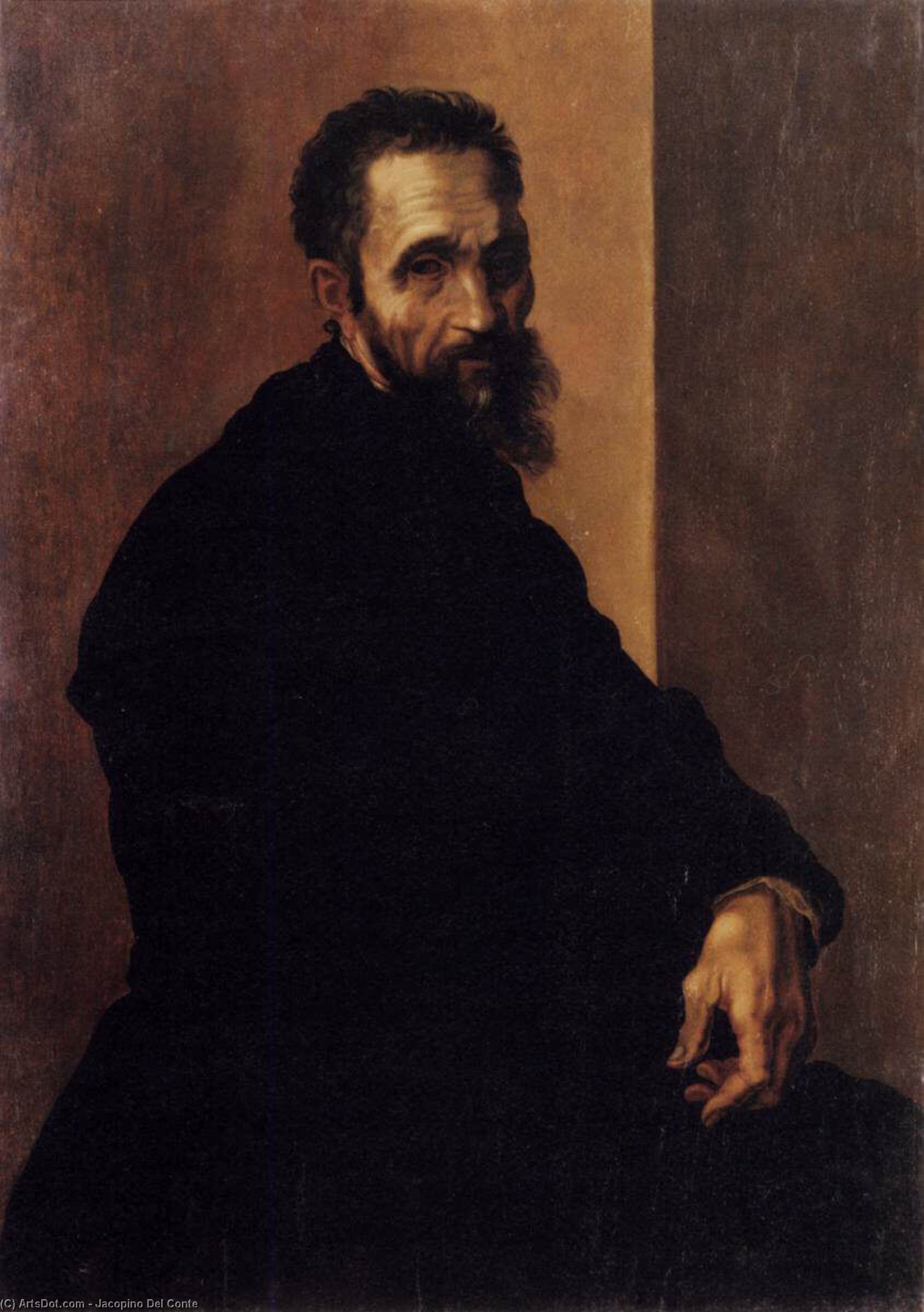
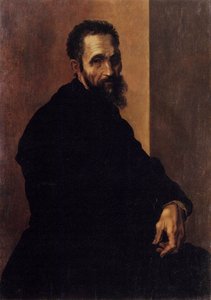
Portrait of Michelangelo
 Acrylic On Canvas
- WallArt
- Mannerist Painting
 1540
1540 88.0 x 64.0 cm
 Музей Метрополитен
 Читать далее
Жикле / Арт-принт
Печать (жикле) или холст музейного качества с быстрыми сроками изготовления и широким выбором вариантов отделки. ( Купить картину ручной работы Перейти к цифровым изображениям)




P118B $10

P118H $10

P118W $10

P438Z $10

P508JH $12

P508YH $12

P805H $10

P805Z $10

P919BZ $10

P919G $10

P919XJ $10

P959ZH $10

P968JZ $12

W106C $8

W218G $10

W218JH $8

W218Y $10

W307PJ $10

W316G $10

W316PJ $8

W316Y $10

W398PJ $8

W4111J $10

W500HY $15

W500JH $15

W692G $12

W849H $8

W940BG $15

W953PJ $8




Выберите один из наших стандартных размеров, соответствующих оригинальным пропорциям произведения искусства.

Вы можете указать свои собственные размеры, чтобы репродукция идеально подошла под конкретную раму или пространство. Если выбранный вами размер не будет соответствовать пропорциям оригинала, мы либо обрежем произведение, либо дополним изображение зеркальным отражением краев или однотонной заливкой. Перед началом производства вам будет отправлен цифровой макет для утверждения.
Пожалуйста, обратите внимание, что предварительный просмотр на экране не отображает фактическую обрезку или расширение изображения. Только макет точно покажет финальную композицию.
Несмотря на возможность заказа индивидуальных размеров, мы рекомендуем выбирать размер из предопределенного списка, чтобы сохранить оригинальные пропорции.
Доставка по всему миру () за 2 недели вместо стандартных 4/5 недель. (12 Сентябрь)

Бесплатная экспресс-доставка по всему миру

Высококачественный льняной холст

Полное страхование доставки

Гарантия возмещения таможенных пошлин

Гарантия точного соответствия цветов

100-дневная политика возврата (только при обнаружении дефектов)

Гарантия возврата 100% средств

Предложение оптовых скидок
 Вариант со стеклом доступен только для размеров менее 110 см

Portrait of Michelangelo
Жикле / Арт-принт
Размер репродукции
-


Итоговая стоимость
$ 62
Portrait of Michelangelo by Jacopino del Conte – A Florentine Mannerist Masterpiece
The world of Renaissance art is replete with portraits, yet few possess the arresting intensity and subtle psychological depth of Jacopino del Conte’s “Portrait of Michelangelo,” painted circa 1540. This captivating work transcends a simple likeness; it's an intimate encounter with a titan of artistic genius, capturing not just his physical form but also the profound contemplation that defined his spirit. Del Conte, a Florentine artist deeply influenced by Andrea del Sarto yet forging his own distinct Mannerist voice, masterfully distilled the essence of Michelangelo into this remarkably evocative image, offering a glimpse into the mind of one of history’s most celebrated sculptors and painters.
The painting immediately draws the eye to the subject's gaze – direct, unwavering, and imbued with an almost palpable sense of awareness. Del Conte skillfully employs a muted palette dominated by earthy browns, ochres, and subtle blues, creating a backdrop that allows Michelangelo’s face to command attention. The artist’s technique is characterized by meticulous detail; observe the careful rendering of the beard, the furrowed brow, and the delicate lines around the eyes – each element contributing to an overall impression of weathered wisdom and quiet intensity. Del Conte's use of chiaroscuro—the dramatic interplay of light and shadow—further enhances the portrait’s emotional impact, sculpting Michelangelo’s features with a masterful hand.
The Context of Florentine Mannerism
To fully appreciate “Portrait of Michelangelo,” it’s crucial to understand the artistic climate in which it was created. The mid-16th century marked a pivotal moment in Italian art history, as the High Renaissance gave way to the rise of Mannerism. This stylistic movement, characterized by elongated figures, distorted perspectives, and an emphasis on elegance and artificiality, represented a deliberate departure from the classical ideals of balance and harmony championed by Leonardo da Vinci and Raphael. Jacopino del Conte was firmly rooted in this evolving aesthetic, incorporating elements of both Michelangelo’s sculptural style – particularly evident in the subject's powerful musculature – and the more emotionally charged compositions favored by Pontormo.
Del Conte’s training under Andrea del Sarto undoubtedly shaped his early style, instilling a meticulous attention to detail and a deep understanding of drawing. However, he quickly developed a unique Mannerist sensibility, characterized by dramatic contrasts, complex spatial arrangements, and an exploration of psychological states. “Portrait of Michelangelo” exemplifies this evolution, showcasing Del Conte’s ability to synthesize classical influences with his own innovative vision.
Symbolism and the Portrait as Window
Beyond its technical brilliance, “Portrait of Michelangelo” is rich in symbolic meaning. The subject's contemplative gaze invites us to contemplate his inner world – a realm of artistic creation, intellectual inquiry, and perhaps even personal struggles. The inclusion of the pipe, a common accessory for artists during that era, subtly suggests a moment of quiet reflection amidst the demands of his prolific career. It’s a small detail that adds layers of depth to the portrait, hinting at the artist's humanity.
Furthermore, the composition itself is carefully constructed to convey a sense of intimacy and immediacy. The close proximity between the subject and the viewer creates an almost confrontational experience, as if Michelangelo is sharing his thoughts directly with us. The painting isn’t merely a representation; it's an attempt to capture the essence of a man – a genius grappling with the complexities of his own existence.
A Legacy of Artistic Influence
Jacopino del Conte’s “Portrait of Michelangelo” stands as a testament to his artistic skill and his profound understanding of human psychology. It's a work that continues to resonate with viewers today, offering a rare glimpse into the mind of one of history’s greatest artists. The painting’s enduring appeal lies in its ability to evoke a sense of mystery and contemplation – prompting us to consider not only Michelangelo’s artistic achievements but also the timeless questions of human identity and creativity.
Reproductions of this remarkable portrait offer an exceptional opportunity to bring this masterpiece into your home or office, allowing you to appreciate its intricate details and profound emotional impact. It's a piece that will undoubtedly spark conversation and inspire reflection for years to come.
Похожие произведения

Биография художника
Jacopino del Conte: A Florentine Mannerist Bridging Rome and Florence
Jacopino del Conte (c. 1510 – 1598) stands as a compelling figure within the vibrant tapestry of 16th-century Italian art, a painter whose career unfolded across both the artistic heartland of Florence and the papal seat of Rome. Born in Florence during a period of intense artistic innovation, Conte’s life was marked by apprenticeship under the esteemed Andrea del Sarto, a master who profoundly shaped his early style. Yet, unlike many of his contemporaries, Conte didn't simply replicate his teacher’s techniques; he forged a distinct path, developing a unique Mannerist voice characterized by dramatic compositions, intricate detail, and a subtle emotional depth.
Conte’s formative years were spent absorbing the principles of Florentine Renaissance art. His initial training with Andrea del Sarto instilled in him a meticulous approach to drawing and an understanding of classical forms. However, it was through his early commissions – frescoes like the “Annunciation to Zachariah” (1536), the “Preaching of Saint John the Baptist” (1538), and the “Baptism of Christ” (1541) – that Conte truly began to establish his own artistic identity. These works, executed in the Oratory of San Giovanni Decollato in Rome, showcased a burgeoning talent for narrative storytelling and a growing interest in complex spatial arrangements— hallmarks of the emerging Mannerist style. Notably, the “Preaching” fresco drew inspiration from the masterful drawing of Perin del Vaga, demonstrating Conte’s willingness to learn from and incorporate the work of other accomplished artists.
Collaborations and Roman Influence
Conte's career took a significant turn in 1547-48 when he joined forces with Siciolante da Sermoneta on the ambitious fresco decoration of the chapel of San Remigio in San Luigi dei Francesi. This collaboration provided Conte with invaluable experience working on large-scale projects and exposed him to new techniques and compositional strategies. The resulting frescoes, though sometimes debated in terms of authorship, reveal a shared interest in dramatic lighting, dynamic figures, and intricate details—elements that would become increasingly prominent in Conte’s later work.
His time in Rome proved particularly influential. He continued to receive commissions for altarpieces and devotional paintings, often exploring themes of religious ecstasy and profound emotional states. The “Deposition” (1552), painted for the Oratory of San Giovanni Decollato, exemplifies this shift towards a more emotionally charged style. While some scholars attribute aspects of this painting to Daniele da Volterra, Conte’s distinctive use of color, drapery, and expressive gestures firmly establish his presence as the primary artist. The work demonstrates a growing departure from the idealized forms of High Renaissance art, embracing a greater sense of dynamism and psychological complexity.
Portraiture and Artistic Development
Beyond his fresco cycles, Conte also produced a series of individual portraits, most notably his portrait of Michelangelo (c. 1540). This painting offers a fascinating glimpse into the artist’s ability to capture not only physical likeness but also the personality and inner life of his subject. The portrait is characterized by its dramatic lighting, intense gaze, and subtle gestures—elements that reflect Conte's growing mastery of chiaroscuro and his increasing interest in psychological realism.
Later in his career, Conte continued to refine his style, incorporating elements of both Mannerism and the emerging Baroque. His works from this period are marked by a heightened sense of drama, intense color palettes, and dynamic compositions. The “Virgin and Child with Saint Elizabeth and John the Baptist” (1535), now housed in the Uffizi Gallery, exemplifies this evolution, showcasing a masterful command of perspective, drapery, and emotional expression.
Legacy and Historical Significance
Jacopino del Conte’s legacy lies not only in his individual works but also in his role as a pivotal figure in the transition between Mannerism and the Baroque. He bridged the gap between the refined elegance of the High Renaissance and the dramatic intensity of the new style, leaving behind a body of work that continues to captivate art historians and collectors alike. His paintings offer a valuable insight into the artistic currents of 16th-century Italy, revealing the complex interplay of influences and innovations that shaped the course of Western art history. His works are testament to his skill as both a draftsman and painter, and his ability to imbue religious scenes with profound emotional resonance.
Jacopino del Conte
1510 - 1598 , Italy
Основные сведения
- Artistic Movement Or Style: Mannerist
- Artists Or Movements Influenced By This Artist: ['Michelangelo']
- Artists Who Influenced This Artist: ['Andrea del Sarto']
- Date Of Birth: 1510, Florence, Italy
- Date Of Death: 1598
- Full Name: Jacopino del Conte
- Nationality: Italian
- Notable Artworks:
- Annunciation to Zachariah
- Preaching of Saint John
- Baptism of Christ
- Deposition
- Place Of Birth: Florence, Italy
Похожие статьи

Sebastiano del Piombo: Bridging Venetian Colorism & Roman Grand Manner Portraiture
Explore the captivating art of Sebastiano del Piombo, a Renaissance master bridging Venetian colorism & Roman grandeur. Discover his iconic portraits and lasting influence on art history. Learn more at ArtsDot.

25 Шедевров Уффици: Путешествие в Сердце Ренессанса | ArtsDot
Погрузитесь в мир Ренессанса с 25 шедеврами галереи Уффици! От Боттичелли до Леонардо да Винчи – истории, техники и вдохновение для вашего интерьера. Купите репродукции картин высочайшего качества на ArtsDot.com.
Микеланджело: 25 шедевров эпохи Возрождения для вашего интерьера | ArtsDot
Погрузитесь в мир гения Микеланджело! 25 шедевров эпохи Возрождения – от Давида до Сикстинской капеллы. Узнайте историю создания, технику и значение каждой работы. Купите репродукции картин Микеланджело музейного качества на ArtsDot.com.
Michelangelo Buonarroti: A Renaissance Titan – Life, Works & Enduring Legacy
Explore the life, works & enduring legacy of Michelangelo Buonarroti, a Renaissance titan. Discover his iconic sculptures, frescoes, and architectural achievements. Expert art consultation & high-quality reproductions at ArtsDot.
Andrea del Sarto: Florentine Grace, Technical Mastery & Artistic Ambition
Explore the life & art of Andrea del Sarto, a Florentine Renaissance master renowned for harmonious compositions & technical brilliance. Discover his frescoes, portraits, and lasting influence on art history.