

 Предпросмотр
 Поделиться
 Поделиться
 Детали произведения

 Скачать
 Похожие работы
 Рентгенография
 Слайд-шоу
 Статистика
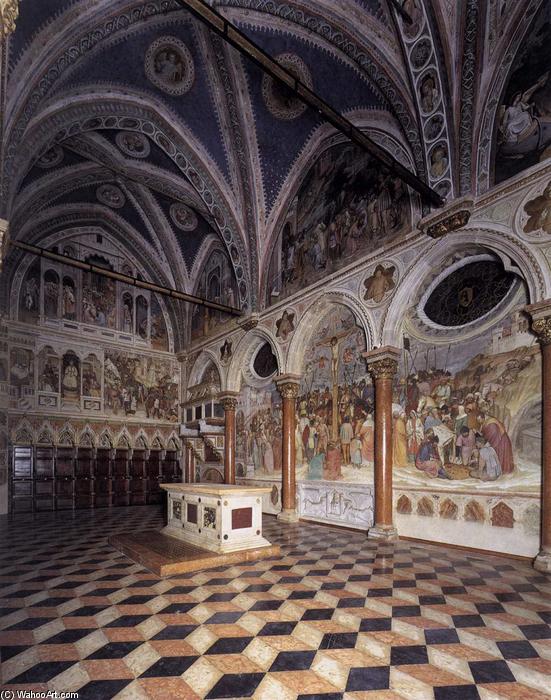
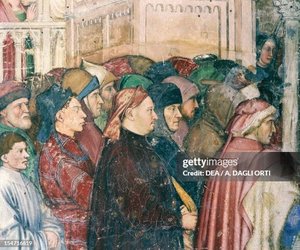
View of the Cappella di San Giacomo


 Читать далее
Жикле / Арт-принт
Печать (жикле) или холст музейного качества с быстрыми сроками изготовления и широким выбором вариантов отделки. ( Купить картину ручной работы Перейти к цифровым изображениям)




































Выберите один из наших стандартных размеров, соответствующих оригинальным пропорциям произведения искусства.

Вы можете указать свои собственные размеры, чтобы репродукция идеально подошла под конкретную раму или пространство. Если выбранный вами размер не будет соответствовать пропорциям оригинала, мы либо обрежем произведение, либо дополним изображение зеркальным отражением краев или однотонной заливкой. Перед началом производства вам будет отправлен цифровой макет для утверждения.
Пожалуйста, обратите внимание, что предварительный просмотр на экране не отображает фактическую обрезку или расширение изображения. Только макет точно покажет финальную композицию.
Несмотря на возможность заказа индивидуальных размеров, мы рекомендуем выбирать размер из предопределенного списка, чтобы сохранить оригинальные пропорции.
Доставка по всему миру () за 2 недели вместо стандартных 4/5 недель. (12 Сентябрь)

Бесплатная экспресс-доставка по всему миру

Высококачественный льняной холст

Полное страхование доставки

Гарантия возмещения таможенных пошлин

Гарантия точного соответствия цветов

100-дневная политика возврата (только при обнаружении дефектов)

Гарантия возврата 100% средств

Предложение оптовых скидок
 Вариант со стеклом доступен только для размеров менее 110 см

View of the Cappella di San Giacomo
Жикле / Арт-принт
Размер репродукции
-


Итоговая стоимость
$ 62
Похожие произведения



Биография художника
Early Life and Training in Bologna
Jacopo d'Avanzi, a name resonating softly through the annals of the 14th-century Italian Renaissance, remains an artist shrouded in some mystery, often conflated with contemporaries like Jacopo de’ Bavozi. Born in Bologna around the 1350s, his early artistic development is believed to have taken place under the tutelage of Vitale da Bologna, a painter whose influence, though not extensively documented today, clearly shaped d'Avanzi’s initial approach to form and composition. Bologna at this time was a vibrant hub of intellectual and artistic activity, a city steeped in tradition yet increasingly open to the burgeoning humanist ideals that would define the Renaissance. This environment undoubtedly played a crucial role in fostering d'Avanzi’s talent.
Collaboration and Frescoes in Ferrara and Bologna
D'Avanzi’s career began to take form through collaborative projects, notably with Galasso Galassi of Ferrara and Cristofano of Bologna. These partnerships were common practice during the period, allowing artists to share expertise and undertake larger commissions. Their combined efforts culminated in frescoes adorning the old church of Santa Apollonia di Mezzaratta in Bologna. Sadly, these original works are no longer extant in their initial location; however, fragments survive within the Pinacoteca Nazionale of Bologna, offering tantalizing glimpses into d'Avanzi’s early style. These pieces reveal a developing skill in narrative depiction and a growing confidence in employing vibrant color palettes.
The Chapel of San Giacomo at Sant'Antonio: A Defining Achievement
The most significant undertaking of Jacopo d'Avanzi’s career was undoubtedly the series of frescoes within the chapel of San Giacomo in the Basilica di Sant'Antonio in Padua. Commenced in 1376, this ambitious project saw him working alongside other prominent artists of the time – Altichiero da Zevio and Sebeto da Verona. The frescoes depict scenes from the life of Saint James, rendered with a newfound realism that marked a departure from earlier, more stylized approaches. The collaborative nature of the work makes attribution complex; however, d'Avanzi’s hand is evident in the expressive figures and dynamic compositions. This commission was not merely an artistic endeavor but also a testament to his growing reputation within the region.
Style, Influences, and Proto-Renaissance Characteristics
D'Avanzi’s style occupies a fascinating position within the transition from Gothic art to the early Renaissance. While retaining elements of traditional Byzantine iconography – particularly in the use of gold leaf and hierarchical scaling – his work demonstrates an increasing interest in naturalism and emotional expression. He was part of a generation that began to explore perspective, though not yet with the scientific rigor of later masters like Masaccio. His figures possess a weight and solidity previously unseen, and their interactions convey a sense of human drama. The influence of Giotto is palpable, particularly in his emphasis on storytelling and relatable human emotions. He wasn’t alone in this pursuit; Altichiero da Zevio, with whom he frequently collaborated, shared similar artistic concerns.
Historical Significance and Legacy
Jacopo d'Avanzi died in 1416, leaving behind a legacy that, while somewhat obscured by the complexities of attribution and collaboration, remains significant. He was a pivotal figure in the development of Proto-Renaissance painting, bridging the gap between the stylized conventions of the Gothic period and the burgeoning naturalism of the early Renaissance. His work at Sant'Antonio exemplifies this transition, showcasing an evolving understanding of human anatomy, spatial representation, and emotional depth. Though often overshadowed by his more celebrated contemporaries, d’Avanzi’s contribution to the artistic landscape of 14th-century Italy is undeniable, a testament to his skill, dedication, and vision.
jacopo avanzi
1350 - 1416 , Italy
Основные сведения
- Artistic Movement Or Style: Renaissance, Proto-Renaissance
- Artists Or Movements Influenced By This Artist:
- Altichiero da Zevio
- Sebeto da Verona
- Artists Who Influenced This Artist: ['Vitale da Bologna']
- Date Of Birth: c. 1350
- Date Of Death: 1416
- Full Name: Jacopo d'Avanzi
- Nationality: Italian
- Notable Artworks:
- Frescoes in Santa Apollonia
- San Giacomo Chapel frescoes
- Place Of Birth: Bologna, Italy