

 Предпросмотр
 Поделиться
 Поделиться
 Детали произведения

 Скачать
 Похожие работы
 Рентгенография
 Слайд-шоу
 Статистика
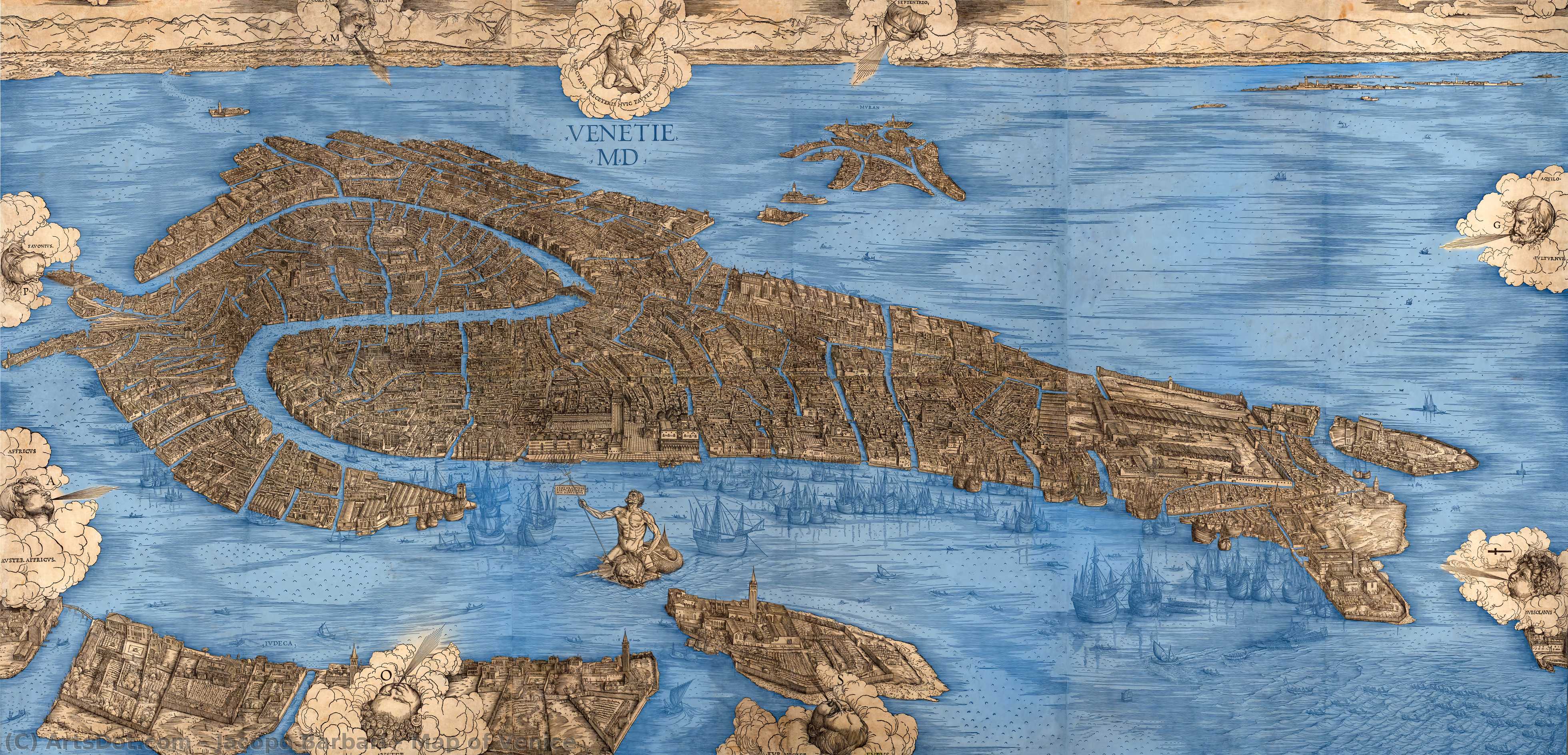
Map of Venice


 Читать далее
Масляная репродукция ручной работы
Картина маслом на холсте в выбранном вами размере и раме, написанная на заказ нашими художниками. ( Перейти к печати Перейти к цифровым изображениям)




































Выберите один из наших стандартных размеров, соответствующих оригинальным пропорциям произведения искусства.

Вы можете указать собственные размеры, чтобы картина идеально вписалась в выбранную раму или пространство. Если выбранный вами размер не соответствует пропорциям оригинала, мы либо обрежем полотно, либо расширим его за счет дополнительных элементов, написанных вручную. Цифровой макет будет отправлен вам на утверждение перед началом производства.
Обратите внимание, что предварительный просмотр на экране не отражает фактическую обрезку или расширение. Только макет точно покажет окончательную композицию.
Хотя доступны индивидуальные размеры, мы рекомендуем выбирать вариант из предопределенного списка, чтобы сохранить исходные пропорции.
После оформления заказа команда ArtsDot.com свяжется с клиентом по электронной почте для уточнения деталей и предоставит предварительный макет
Доставка по всему миру () за 3–4 недели вместо стандартных 5 недель. (11 Сентябрь). Без компромиссов в качестве.

Бесплатная экспресс-доставка по всему миру

Высококачественный льняной холст

Полное страхование доставки

Гарантия возмещения таможенных пошлин

Гарантия точного соответствия цветов

100-дневная политика возврата (только при обнаружении дефектов)

Гарантия возврата 100% средств

Предложение оптовых скидок
 Вариант со стеклом доступен только для размеров менее 110 см

Map of Venice
Техника репродукции
Размер репродукции
-


Итоговая стоимость
$ 263
The Artistic and Historical Context
Jacopo Barbari was a renowned artist known for his detailed and accurate depictions of cities. His work on the Map of Venice is no exception, as it meticulously captures the city's architecture, including churches and other structures, along with boats on the water. This level of detail makes the painting an impressive piece of art history.The Minneapolis Institute of Arts
The Minneapolis Institute of Arts, established in 1883, is one of the largest and most significant art museums in the United States. Its collection spans over 5,000 years, making it a treasure trove for art enthusiasts. The museum's acquisition of Barbari's Map of Venice underscores its commitment to preserving and showcasing important works of art.Other Notable Works
For those interested in exploring more historical masterpieces, consider the following: - Hieronymus Bosch's Triptych of Garden of Earthly Delights (detail) - Michelangelo Buonarroti's Entombment - Raphael (Raffaello Sanzio Da Urbino)'s Entombment These paintings, like Barbari's Map of Venice, are significant contributions to the world of art and can be found on ArtsDot.com.Conclusion
Jacopo Barbari's Map of Venice is a testament to the artist's skill and the historical importance of Venice. As a piece of art, it not only reflects the city's layout but also serves as a window into its past. For those interested in art history and detailed depictions of cities, this painting is a must-see. ArtsDot.com offers handmade oil painting reproductions of these masterpieces, allowing art lovers to bring a piece of history into their homes.Похожие произведения


Биография художника
Jacopo Barbarini: The Venetian Trompe l'oeil Pioneer
Jacopo de’ Barbari remains one of the most elusive figures in Renaissance art, a master whose biography is pieced together from fragmentary evidence and scholarly speculation. Born sometime between 1460 and 1470 – though precise dates remain unknown – he emerged from Venice during a period of artistic ferment, profoundly influenced by the stylistic innovations championed by Andrea Mantegna and Albrecht Dürer. Contemporary accounts describe him as “old and weak” in 1511, suggesting a lifespan considerably longer than initially surmised, placing his active career well into the mid-century. Despite the lack of definitive biographical details, Barbarini’s artistic legacy speaks volumes about his talent and impact. He is celebrated primarily for his groundbreaking trompe l'oeil engravings and monumental woodcuts, techniques that revolutionized printmaking and established him as a singular visionary. These works weren’t merely aesthetically pleasing; they represented a radical departure from traditional representation, exploiting illusionistic perspective to create astonishingly realistic images that defied conventional spatial conventions. His magnum opus, the “Still Life with Fruit,” exemplifies this masterful manipulation of visual perception—a testament to his artistic genius and a cornerstone of Mannerist aesthetics.- Early Influences: Alvise Vivarini is considered Barbarini’s probable teacher, though details about his formative years remain obscure.
- German Patronage & Artistic Development: Barbarini traveled to Nuremberg in 1500 under the patronage of Maximilian I, followed by stints with Frederick III of Saxony and Joachim I of Brandenburg. During these periods he adopted the pseudonym “Jacop Walch,” reflecting his status as a foreigner.
- Venetian Engagement & Burgundian Connections: He returned to Venice with Philip II of Burgundy and subsequently worked for Margaret Tudor in Brussels, demonstrating his adaptability and artistic versatility across diverse cultural landscapes.
Major Achievements & Artistic Style
Barbari’s most enduring contribution to art history lies in his pioneering use of trompe l'oeil engraving. Unlike earlier printmakers who sought to faithfully reproduce visual reality, Barbarini deliberately deceived the eye, creating images that appeared three-dimensional despite their flat surface. This technique—known as “trompe l'oeil,” meaning "fool the eye"—became a defining characteristic of his oeuvre and profoundly impacted subsequent generations of artists. His woodcuts, particularly the monumental “Mars and Venus,” further solidified his reputation as a master craftsman and showcased his ability to convey complex narratives with striking visual impact.- Signature & Symbolism: Barbarini consistently signed his engravings with a caduceus—the symbol of Mercury—and the Munich Still Life bearing this emblem beneath his name ("jac.o de barbarj p 1504").
- Formal Innovations: His style is marked by geometric precision, flattened perspective, and an unsettling fascination with decay – elements that align perfectly with Mannerist artistic tendencies.
Historical Significance & Legacy
Jacopo Barbarini’s work transcends mere aesthetic beauty; it embodies a fundamental shift in artistic thinking. He challenged the conventions of humanist representation, prioritizing expressive distortion and psychological complexity over idealized realism. His influence extended far beyond Venice and Germany, shaping the visual language of Renaissance art across Europe. More than simply replicating existing styles, Barbarini actively interrogated them, pushing boundaries and establishing himself as an innovator whose legacy continues to inspire artists today. He stands as a testament to the transformative power of artistic experimentation and remains one of the most remarkable figures in the history of printmaking.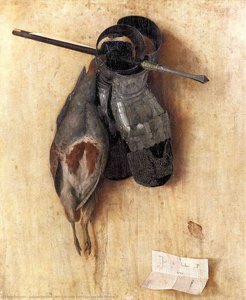
jacopo barbari
1460 - 1516
Основные сведения
- Artistic Movement Or Style: Mannerism
- Artists Or Movements Influenced By This Artist: ['Renaissance']
- Artists Who Influenced This Artist:
- Alvise Vivarini
- Mantegna
- Dürer
- Date Of Birth: c. 1460/70
- Date Of Death: before 1516
- Full Name: Jacopo de' Barbari
- Nationality: Italian
- Notable Artworks:
- Mars and Venus
- A female figure of Victory reclining amid a pile of trophies of war
- Place Of Birth: Venice, Italy