


 Предпросмотр
 Поделиться
 Поделиться
 Детали произведения

 Скачать
 Похожие работы
 Рентгенография
 Слайд-шоу
 Статистика
Deposition
 170.0 x 142.0 cm
 Читать далее
Приобретите цифровое изображение высокого разрешения в улучшенном качестве, которое значительно превосходит онлайн-превью.
Каждый файл тщательно подготавливается нашими специалистами с использованием передовых инструментов и экспертной ручной ретуши. Мы гарантируем исключительную четкость, точную цветопередачу и детальную проработку каждого изображения.
Финальный файл доставляется по электронной почте в течение 72 часов и оптимизирован для немедленного использования в профессиональной среде, при верстке и печати. Это тот же уровень качества, которому доверяют ведущие дизайнерские студии, издательства и галереи.
Цифровое изображение
Скачайте файл высокого разрешения для личного использования, печати и творческих проектов. ( Перейти к печати Купить картину ручной работы)
Включено в каждый заказ цифровых изображений
Гарантия экспертной цифровой доставки
Выбирая ArtsDot.com, вы получаете не просто изображение — вы приобретаете профессионально обработанное цифровое произведение искусства, созданное с безупречной точностью и под защитой гарантии качества. Вот всё, что автоматически входит в ваш заказ:

Мгновенная доставка по e-mail
Ваш цифровой файл в высоком разрешении будет отправлен вам по электронной почте в течение 72 часов после оформления заказа — и сразу станет доступен для использования.

Цифровой файл с ИИ-улучшением
Ваше произведение искусства проходит профессиональную оптимизацию с использованием передовых инструментов ИИ и ручной обработки, что гарантирует максимальную детализацию, четкость и точность цветопередачи.

Бессрочная бесплатная повторная доставка
Случайно удалили или потеряли файл? Не беспокойтесь — мы отправим его вам повторно в любое время и совершенно бесплатно.

Без импортных пошлин — навсегда
Наслаждайтесь вашим произведением искусства мгновенно без таможенных пошлин, сборов или затрат на доставку — цифровые загрузки всегда не облагаются налогом.

Гарантия точности цветопередачи
Мы гарантируем, что ваше цифровое изображение максимально точно передает оригинальные цвета благодаря использованию профессиональных инструментов и систем управления цветом.

Гарантия удовлетворенности 100 дней
Если вы не будете удовлетворены своим цифровым изображением, мы внесем правки или вернем 100% стоимости в течение 100 дней — без лишних вопросов.

100% Гарантия возврата средств
Не удовлетворены покупкой? Получите полный возврат средств в течение 100 дней после получения цифрового файла — без лишних вопросов.

Скидки на оптовые заказы
Купите 3 изображения, сэкономьте 10% — Купите 5, сэкономьте 15% — Купите 10+, сэкономьте 20%. Отличное решение для творческих проектов, галерей и агентств.
Похожие произведения
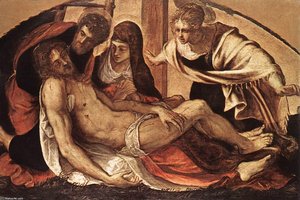
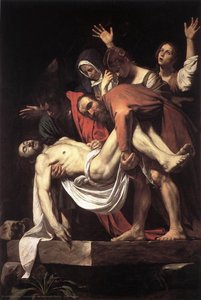
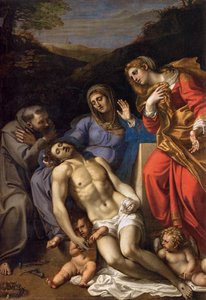
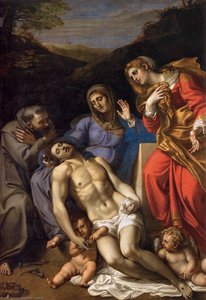



Биография художника
Jacopo Chimenti: The Florentine Reformer of Mannerism
Born in Florence as Jacopo Chimenti around 1551 and passing away in the same city in 1640, Jacopo da Empoli stands as a pivotal figure within the complex tapestry of Italian Renaissance art. More than simply a painter, he was a key architect of the “Counter-Maniera,” a movement that sought to temper the excesses of Mannerism while retaining its innovative spirit and expressive power. His journey involved apprenticeships under established masters like Maso da San Friano, absorbing their techniques before forging his own distinctive path – one characterized by crisp lines, luminous color palettes, and an intriguing exploration of still-life subjects often overlooked by his Florentine contemporaries.
Empoli’s early training with Maso da San Friano proved crucial. San Friano, a prominent figure in the late Quattrocento and early Cinquecento, was known for his dynamic compositions and dramatic use of light and shadow – qualities that would profoundly influence Empoli's artistic development. However, unlike many of his contemporaries who remained firmly rooted in the traditions of the High Renaissance, Empoli actively sought to break free from these constraints, embracing a more restrained and intellectual approach to painting. This desire for reform led him into contact with Santi di Tito, another leading figure in Counter-Maniera, whose work served as a crucial point of reference during Empoli’s artistic maturation.
A Style Defined by Restraint and Innovation
Empoli's style is immediately recognizable through its deliberate simplification and clarity. He moved away from the crowded, swirling compositions characteristic of late Mannerism, opting instead for more streamlined forms and a heightened sense of spatial organization. This shift wasn’t merely a stylistic choice; it reflected a deeper philosophical engagement with the principles of classical art – particularly those championed by artists like Raphael and Michelangelo. He sought to distill the essence of his subjects, prioritizing clarity of form and precise execution over elaborate ornamentation.
Crucially, Empoli's work is distinguished by its innovative use of color. He employed a luminous palette, often utilizing thin glazes of paint to create a sense of depth and atmospheric perspective. This technique, combined with his meticulous attention to detail, resulted in paintings that possess an almost photographic quality – a remarkable achievement considering the limitations of Renaissance painting materials. His still-life paintings, particularly those produced after the 1620s, stand out as exceptionally bold and original for their time, showcasing a sophisticated understanding of composition, light, and shadow.
Key Works and Artistic Influences
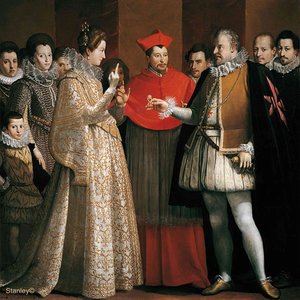
Among Empoli’s most celebrated works are “The Marriage of Marie de' Medici” (1600), a lavish depiction of the wedding ceremony that showcases his mastery of portraiture and opulent detail; "Susanna and the Elders" (1600), a dramatic scene brimming with psychological intensity; and “Saint Eligius” (1614), which demonstrates his ability to convey religious emotion through carefully constructed forms and evocative color. His “Sacrifice of Isaac” (circa 1590s) is another significant example, revealing the influence of both classical antiquity and Venetian painting.
Empoli’s artistic journey was shaped by a diverse range of influences. He studied the works of masters such as Andrea del Sarto, Fra Bartolomeo, and Jacopo Pontormo – all prominent figures in Florentine Mannerism. However, he also drew inspiration from Venetian painting, particularly the work of Tintoretto and Veronese, adopting their techniques for handling light and color. His brother, Domenico Chimenti, was also a painter, further enriching the artistic environment within the family.
Legacy and Historical Significance
Jacopo da Empoli’s contribution to Italian art lies not only in his individual masterpieces but also in his role as a pivotal figure in the Counter-Maniera movement. He helped to redefine the boundaries of Mannerism, paving the way for the emergence of Baroque painting. His emphasis on clarity, restraint, and innovative use of color profoundly influenced subsequent generations of artists. While initially met with some resistance from traditionalists, Empoli’s work gradually gained recognition as a testament to his artistic vision and technical skill.
Today, Jacopo da Empoli's paintings are housed in prestigious museums around the world – including the Louvre in Paris, the Uffizi Gallery in Florence, and the Kunsthistorisches Museum in Vienna. His legacy endures as a reminder of the dynamism and creativity that characterized the Italian Renaissance.
jacopo chimenti
1551 - 1640
Основные сведения
- Artistic Movement Or Style: Counter-Maniera, Florentine Mannerism
- Artists Or Movements Influenced By This Artist:
- Tintoretto
- Venetian Painting
- Artists Who Influenced This Artist:
- Maso da San Friano
- Santi di Tito
- Vasari
- Date Of Birth: April 30, 1551
- Date Of Death: September 30, 1640
- Full Name: Jacopo Chimenti
- Nationality: Italian
- Notable Artworks:
- The Marriage of Marie de’Medici
- Susanna and the Elders
- Saint Eligius
- Sacrifice of Isaac
- Still Life with Games
- Place Of Birth: Empoli, Italy