

 Предпросмотр
 Поделиться
 Поделиться
 Детали произведения

 Скачать
 Похожие работы
 Рентгенография
 Слайд-шоу
 Статистика
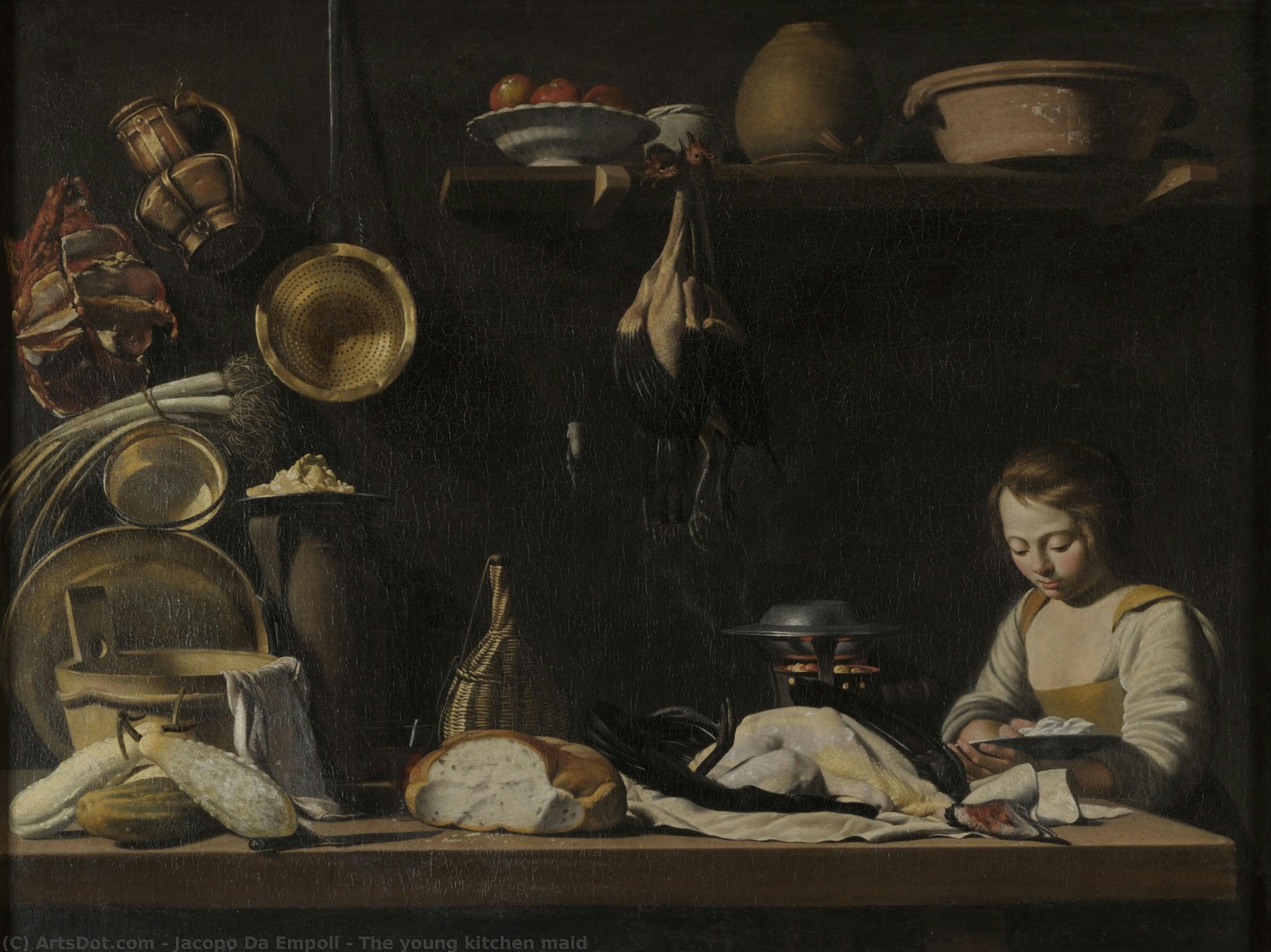
The young kitchen maid
 Oil
Oil- WallArt
- Mannerism
 Early Modern
 111.0 x 145.0 cm
 Шатле де Вилландри
 Читать далее
Масляная репродукция ручной работы
Картина маслом на холсте в выбранном вами размере и раме, написанная на заказ нашими художниками. ( Перейти к печати Перейти к цифровым изображениям)




P118B $10

P118H $10

P118W $10

P438Z $10

P508JH $12

P508YH $12

P805H $10

P805Z $10

P919BZ $10

P919G $10

P919XJ $10

P959ZH $10

P968JZ $12

W106C $8

W218G $10

W218JH $8

W218Y $10

W307PJ $10

W316G $10

W316PJ $8

W316Y $10

W398PJ $8

W4111J $10

W500HY $15

W500JH $15

W692G $12

W849H $8

W940BG $15

W953PJ $8




Выберите один из наших стандартных размеров, соответствующих оригинальным пропорциям произведения искусства.

Вы можете указать собственные размеры, чтобы картина идеально вписалась в выбранную раму или пространство. Если выбранный вами размер не соответствует пропорциям оригинала, мы либо обрежем полотно, либо расширим его за счет дополнительных элементов, написанных вручную. Цифровой макет будет отправлен вам на утверждение перед началом производства.
Обратите внимание, что предварительный просмотр на экране не отражает фактическую обрезку или расширение. Только макет точно покажет окончательную композицию.
Хотя доступны индивидуальные размеры, мы рекомендуем выбирать вариант из предопределенного списка, чтобы сохранить исходные пропорции.
После оформления заказа команда ArtsDot.com свяжется с клиентом по электронной почте для уточнения деталей и предоставит предварительный макет
Доставка по всему миру () за 3–4 недели вместо стандартных 5 недель. (11 Сентябрь). Без компромиссов в качестве.

Бесплатная экспресс-доставка по всему миру

Высококачественный льняной холст

Полное страхование доставки

Гарантия возмещения таможенных пошлин

Гарантия точного соответствия цветов

100-дневная политика возврата (только при обнаружении дефектов)

Гарантия возврата 100% средств

Предложение оптовых скидок
 Вариант со стеклом доступен только для размеров менее 110 см

The young kitchen maid
Техника репродукции
Размер репродукции
-


Итоговая стоимость
$ 263
A Quiet Moment in the Florentine Kitchen
In the soft, monochromatic depths of The young kitchen maid, we are transported into a world of domestic intimacy and quiet industry. This evocative piece, attributed to the Florentine master Jacopo da Empoli, captures a fleeting moment of stillness amidst the rhythmic chaos of culinary preparation. The scene is a masterful study of texture and light, where the absence of color allows the viewer to focus entirely on the tactile reality of the kitchen. A young woman, lost in her task, moves through a landscape populated by the humble tools of her trade—knives, spoons, bowls, and bottles that lie scattered like forgotten notes of a silent melody. The composition breathes with a sense of lived-in warmth, inviting us to step into this historical sanctuary where the simple act of preparing food becomes a profound expression of daily life.
The artistry of the piece lies in its ability to elevate the mundane into the monumental. Through a delicate application of tone and shadow, the artist breathes life into inanimate objects; an apple takes on a sculptural weight, and the glint of a metal utensil suggests the flickering light of a hearth. The presence of two birds—one perched near the upper periphery and another nestled within the central composition—adds a layer of subtle symbolism, perhaps representing the watchful eye of nature or the fleeting spirit of vitality within the domestic sphere. This interplay between the human element and the natural world creates a narrative tension that keeps the eye wandering through the intricate details of the kitchen's cluttered beauty.
The Mastery of Transition and Technique
To understand this work, one must look to the historical crucible in which it was forged. Jacopo da Empoli lived during a transformative era in Italian art, standing at the crossroads where the structured elegance of the late Renaissance met the more emotive, dramatic flourishes of Mannerism. While his contemporaries often sought grandiosity, this particular work showcases a mastery of the intimate. The technique employed here relies heavily on contrast to define form; without the distraction of a full palette, the artist uses a sophisticated range of greys and deep blacks to create depth and volume. This monochromatic approach lends the painting a timeless, archival quality, making it feel less like a window into a specific year and perhaps more like a memory preserved in silver.
For the discerning collector or interior designer, this artwork offers a unique versatility. Its understated palette makes it an exquisite centerpiece for a sophisticated, contemporary space, where it can act as a grounding element of historical gravity. The piece does not shout for attention; rather, it commands respect through its quiet complexity and the emotional resonance of its subject matter. It is a work that rewards prolonged contemplation, offering new details—a curve of a handle, the soft shadow of a fruit, the focused expression of the maid—each time one looks upon it. Bringing such a reproduction into a home is not merely an act of decoration, but an invitation to embrace the beauty found in the quiet, industrious moments of our own lives.
Похожие произведения
Биография художника
Jacopo da Empoli: A Florentine Master of the Transitional Era
Born in 1551 in the heart of Florence, Jacopo Chimenti – later known as Jacopo da Empoli – emerged from a lineage steeped in artistic tradition. His father, a painter himself, provided an early foundation, while his brother, Domenico, would also carve out a career within the vibrant Florentine art scene. Jacopo’s formative years were spent absorbing the stylistic currents of the late Renaissance and the burgeoning Mannerism that was beginning to challenge its dominance. This period marked a crucial transition in Italian painting – a shift away from the idealized clarity of High Renaissance masters towards a more subjective, emotionally charged, and often unsettling aesthetic. Jacopo found himself at the very epicenter of this transformation, becoming a pivotal figure in bridging the gap between these distinct artistic approaches.
His early apprenticeship under Maso da San Friano proved invaluable, exposing him to the complex techniques and dramatic compositions characteristic of the Maestro’s work. Maso's influence is evident in Jacopo’s initial style – a deliberate layering of figures, intricate details, and a penchant for theatrical gestures. However, it wasn’t long before Jacopo began to forge his own distinctive path, moving beyond mere imitation and developing a unique visual language. This evolution was significantly shaped by the prevailing artistic climate of Florence at the time, particularly the rise of Santi di Tito, whose “Counter-Maniera” style – characterized by crisp lines, simplified forms, and a rejection of excessive ornamentation – exerted a considerable influence on Jacopo’s development.
The World of Commedia dell'Arte
Jacopo da Empoli’s artistic career was inextricably linked to the world of *commedia dell’arte*, the popular Italian theatrical tradition that relied heavily on stock characters and improvisational dialogue. He became a devoted follower of Francesco Andreini, one of the most celebrated performers in this genre, and his portraits of Andreini and other *improvagatori* (actors) are among his most enduring achievements. These works aren’t simply likenesses; they capture the essence of these larger-than-life personalities – their flamboyant costumes, expressive gestures, and captivating stage presence. Jacopo masterfully rendered the physicality of the characters, conveying not just their appearance but also their inherent theatricality. His portraits are imbued with a sense of movement and vitality, as if frozen in mid-performance, offering viewers a glimpse into the thrilling world of the *palco* (stage).
- Francesco Andreini: Perhaps his most famous subject, Andreini’s portrait exemplifies Jacopo's ability to capture personality through gesture and expression.
- Other *Improvagatori*: Jacopo frequently depicted other prominent figures from the *commedia dell’arte* troupe, showcasing his understanding of their distinctive roles and mannerisms.
Technique and Style
Jacopo da Empoli's style is often described as “Counter-Maniera,” a term coined to characterize artists who reacted against the excesses of Mannerism while retaining its core principles. Unlike many of his contemporaries, he avoided the extreme contortions and elongated figures that were hallmarks of the movement. Instead, he favored a more balanced and harmonious composition, employing clear lines, precise details, and a restrained palette. His portraits are notable for their crispness and realism – a departure from the hazy, atmospheric effects often associated with Mannerism. He was particularly adept at rendering fabrics and textures, imbuing his paintings with a sense of tactile richness.
His use of light and shadow is equally sophisticated, creating a subtle interplay of tones that adds depth and volume to his figures. Jacopo’s compositions are often dynamic and engaging, drawing the viewer's eye through a carefully orchestrated arrangement of elements. He demonstrated a remarkable ability to capture fleeting moments – a gesture, a glance, a subtle expression – conveying a sense of immediacy and spontaneity.
Key Works and Legacy
Among Jacopo da Empoli’s most celebrated works are “Deposition,” a dramatic Baroque engraving that showcases his mastery of composition and detail; “Madonna who hands the child to St. Francis,” a serene depiction of the Holy Family imbued with classical elegance; and his exquisite portrait of the Chimenti family, a testament to his skill in capturing familial likenesses. His later works, particularly his still lifes depicting scenes of everyday life, reveal a growing interest in exploring themes of mortality and transience – reflecting the broader cultural anxieties of the 17th century.
Jacopo da Empoli’s legacy is complex and multifaceted. He was a transitional figure, bridging the gap between the Renaissance and Baroque periods, and his work embodies the spirit of this pivotal moment in art history. His portraits of *commedia dell'arte* figures offer a unique window into the vibrant theatrical culture of Florence, while his masterful technique and sophisticated compositions continue to captivate viewers today. He remains an important figure in the study of Counter-Maniera and a testament to the enduring power of Italian painting.
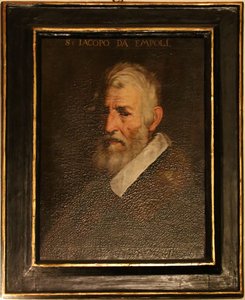
jacopo da empoli
1551 - 1640 , Italy
Основные сведения
- Artistic Movement Or Style: Mannerism, Counter-Maniera
- Artists Or Movements Influenced By This Artist: ['Felice Ficherelli']
- Artists Who Influenced This Artist: ['Maso da San Friano']
- Date Of Birth: April 30, 1551
- Date Of Death: September 30, 1640
- Full Name: Jacopo Chimenti (Empoli)
- Nationality: Italian
- Notable Artworks:
- Deposition
- Madonna...
- Chimenti Family portrait
- Still Life with Games
- Place Of Birth: Florence, Italy
Похожие статьи

Monochrome Visions: Exploring the Aesthetic & Historical Significance of Black & White Photography
Explore the rich history & artistic power of black and white photography. From early techniques to iconic masters like Ansel Adams, discover why monochrome continues to captivate art lovers today. Expert insights for collectors.
The Subtleties of White: Exploring Absence, Light & Symbolism in Art History
Explore the profound symbolism & history of white in art! From ancient purity to modern abstraction, discover how artists have used absence & light. Expert insights from ArtsDot.

Топ-10 знаменитых картин в черных тонах: шедевры искусства для вашего интерьера
Погрузитесь в мир темных шедевров! Топ-10 знаменитых картин в черных тонах от Гойи, Рембрандта и Мунка. История искусства, техники живописи и вдохновение для вашего интерьера. Купите репродукции высокого качества на ArtsDot.com

Белые шедевры: 10 знаменитых картин, покоривших мир (репродукции, декор)
Откройте для себя 10 знаменитых картин, где белый цвет – главный герой! Моне, Дега и другие мастера. История искусства, техники живописи и вдохновение для вашего интерьера. Репродукции высокого качества на ArtsDot.com
Топ-10 шедевров в оттенках черного: искусство, история и декор с ArtsDot
Погрузитесь в мир великих шедевров, где черный цвет – символ страсти и драмы. От Караваджо до Мунка, откройте историю искусства с ArtsDot. Купите репродукции картин онлайн и преобразите свой интерьер! Explore the full collection on ArtsDot.com