

 Предпросмотр
 Поделиться
 Поделиться
 Детали произведения

 Скачать
 Похожие работы
 Рентгенография
 Слайд-шоу
 Статистика
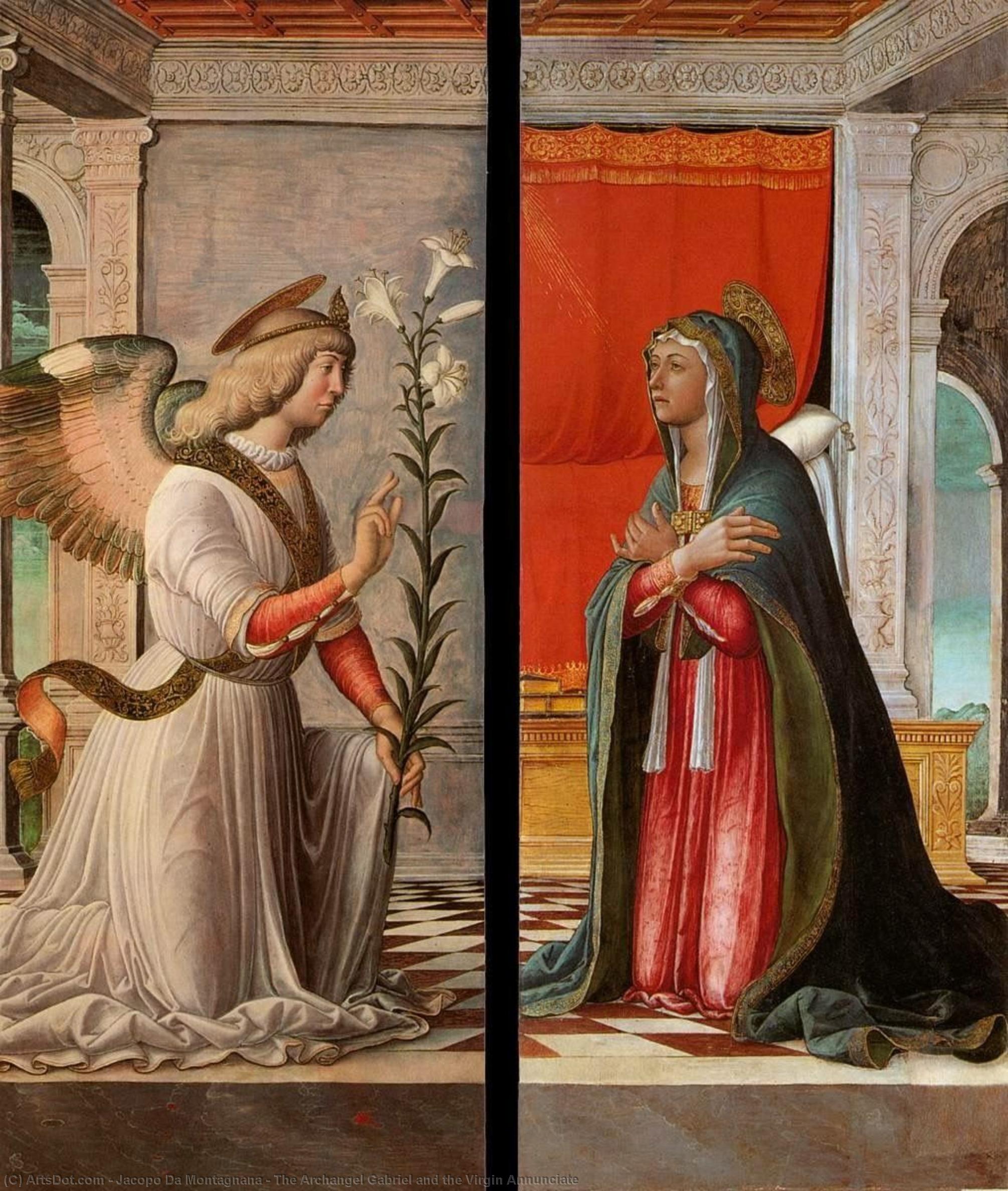
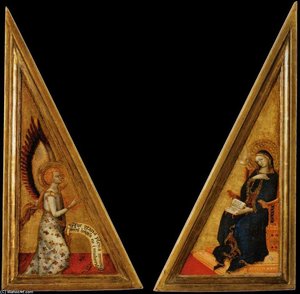
The Archangel Gabriel and the Virgin Annunciate
 Oil On Canvas
- WallArt
- Early Renaissance
 1494
1494- Renaissance
 191.0 x 76.0 cm
 Галереи Академии
 Читать далее
Приобретите цифровое изображение высокого разрешения в улучшенном качестве, которое значительно превосходит онлайн-превью.
Каждый файл тщательно подготавливается нашими специалистами с использованием передовых инструментов и экспертной ручной ретуши. Мы гарантируем исключительную четкость, точную цветопередачу и детальную проработку каждого изображения.
Финальный файл доставляется по электронной почте в течение 72 часов и оптимизирован для немедленного использования в профессиональной среде, при верстке и печати. Это тот же уровень качества, которому доверяют ведущие дизайнерские студии, издательства и галереи.
Цифровое изображение
Скачайте файл высокого разрешения для личного использования, печати и творческих проектов. ( Перейти к печати Купить картину ручной работы)
Включено в каждый заказ цифровых изображений
Гарантия экспертной цифровой доставки
Выбирая ArtsDot.com, вы получаете не просто изображение — вы приобретаете профессионально обработанное цифровое произведение искусства, созданное с безупречной точностью и под защитой гарантии качества. Вот всё, что автоматически входит в ваш заказ:

Мгновенная доставка по e-mail
Ваш цифровой файл в высоком разрешении будет отправлен вам по электронной почте в течение 72 часов после оформления заказа — и сразу станет доступен для использования.

Цифровой файл с ИИ-улучшением
Ваше произведение искусства проходит профессиональную оптимизацию с использованием передовых инструментов ИИ и ручной обработки, что гарантирует максимальную детализацию, четкость и точность цветопередачи.

Бессрочная бесплатная повторная доставка
Случайно удалили или потеряли файл? Не беспокойтесь — мы отправим его вам повторно в любое время и совершенно бесплатно.

Без импортных пошлин — навсегда
Наслаждайтесь вашим произведением искусства мгновенно без таможенных пошлин, сборов или затрат на доставку — цифровые загрузки всегда не облагаются налогом.

Гарантия точности цветопередачи
Мы гарантируем, что ваше цифровое изображение максимально точно передает оригинальные цвета благодаря использованию профессиональных инструментов и систем управления цветом.

Гарантия удовлетворенности 100 дней
Если вы не будете удовлетворены своим цифровым изображением, мы внесем правки или вернем 100% стоимости в течение 100 дней — без лишних вопросов.

100% Гарантия возврата средств
Не удовлетворены покупкой? Получите полный возврат средств в течение 100 дней после получения цифрового файла — без лишних вопросов.

Скидки на оптовые заказы
Купите 3 изображения, сэкономьте 10% — Купите 5, сэкономьте 15% — Купите 10+, сэкономьте 20%. Отличное решение для творческих проектов, галерей и агентств.
A Divine Encounter in Renaissance Splendor
To gaze upon Jacopo da Montagnana's depiction of The Archangel Gabriel and the Virgin Annunciate is to step directly into the luminous heart of the early Italian Renaissance. This painting is not merely a representation of a sacred moment; it is an orchestrated vision of divine communication, rendered with breathtaking detail and profound spiritual energy. The composition immediately draws the eye across the narrative tension between the celestial messenger and the receptive Virgin Mary. Every fold of their elaborate drapery, every gesture of the surrounding angels, speaks to the period's deep reverence for both classical form and Christian doctrine.
Mastery of Quattrocento Technique
Jacopo da Montagnana, a painter deeply rooted in the vibrant artistic ferment of Padua, masterfully channels the influences of his contemporaries, particularly Andrea Mantegna and Gentile Bellini. Observe the crisp linearity and the rich, saturated color palette—the dramatic sweep of the red curtain serving as both a theatrical backdrop and a powerful visual anchor. The technique employed suggests an exquisite handling of oil or tempera on panel, allowing for minute gradations of shadow and light that give the figures an almost tangible presence. Notice the careful placement of symbolic elements, such as the two visible books; these are not mere props but anchors to theological understanding, grounding the ethereal event in scholarly tradition.
Symbolism Woven into Every Detail
The narrative weight of this piece rests upon its rich symbolism. The Archangel Gabriel, crowned and holding his scepter, embodies divine authority, while the Virgin Mary, equally adorned yet poised with a book, represents humanity's readiness to receive revelation. The presence of multiple attendant angels, positioned symmetrically around the central figures, creates a heavenly chorus witnessing this pivotal moment. Even the small detail of the bird flying above the Virgin’s head adds a vital sense of movement—a breath of life animating the otherwise stately composition. These elements combine to create a visual sermon on obedience, grace, and divine will.
An Echo of Sacred Grandeur for Your Space
For the discerning collector or designer seeking an object imbued with history and unparalleled artistry, this reproduction offers more than just decoration; it offers a piece of devotional narrative. The scale, 191 x 76 cm, allows the grandeur of the scene to unfold beautifully on a wall, commanding attention while maintaining an air of refined elegance. Owning or displaying a high-quality rendition of this work connects your interior space to the intellectual and spiritual heights of the Quattrocento masters. It is a timeless piece that invites contemplation, transforming any room into a sanctuary echoing Renaissance splendor.
Похожие произведения
Биография художника
Early Life and Paduan Beginnings
Jacopo da Montagnana, born around 1440 in the small town of Montagnana, Italy, emerged during a period of vibrant artistic ferment in the early Renaissance. While details surrounding his earliest training remain somewhat elusive, it is believed he initially studied under the Bolognese artist Francesco Brazalieri in Padua between 1458 and 1461. However, the most profound influence on his developing style came from two giants of Venetian painting: Andrea Mantegna and Gentile Bellini. Though a formal apprenticeship with either master remains undocumented, Jacopo demonstrably absorbed their techniques and compositional approaches, forging a unique path that would establish him as a leading figure in the Paduan *Quattrocento*. He became a member of the painters’ guild of Padua in 1469, signifying his professional standing within the artistic community. His life was inextricably linked to this city; he was born nearby and spent most of his career working there, dying in Padua between April and August of 1499.The Embrace of Mantegna and Bellini
Jacopo da Montagnana’s art is a fascinating synthesis of influences, most notably those of Andrea Mantegna and Gentile Bellini. From Mantegna, he inherited a keen interest in classical antiquity, evident in his precise draftsmanship, sculptural figures, and dramatic perspective. The impact of Mantegna's altarpiece for San Zeno in Verona – painted in Padua during the 1450s – is particularly palpable in Jacopo’s early works. He adopted Mantegna’s rigorous approach to form and space, imbuing his compositions with a sense of monumentality and gravitas. Simultaneously, he drew inspiration from Gentile Bellini's lyrical style, characterized by its elegant figures, rich color palettes, and narrative clarity. This fusion of influences resulted in a distinctive aesthetic that blended classical rigor with Venetian grace. The influence of Giovanni Bellini is also noted, though the exact nature of their relationship remains unclear.Frescoes and Religious Themes
The majority of Jacopo da Montagnana’s surviving oeuvre consists of frescoes, primarily located in Padua, Belluno, and Monteorte. These works are overwhelmingly religious in subject matter, reflecting the devotional climate of the late 15th century. He was deeply involved in the fresco decoration of the Capella Santa Maria degli Angeli within the Palazzo Vescovile of Padua, a project undertaken in 1495 alongside Prospero da Piazzola. This commission represents one of his most significant achievements, showcasing his mastery of narrative storytelling and his ability to create emotionally resonant scenes. His frescoes often depict episodes from the life of Christ or the Virgin Mary, rendered with meticulous detail and a profound sense of piety. Beyond fresco work, Jacopo also designed papal vestments for Pope Sixtus IV in 1472, demonstrating a versatility that extended beyond painting.A Major Quattrocento Painter
Jacopo da Montagnana’s position as a “major *Quattrocento* painter” rests on his ability to synthesize diverse artistic traditions into a cohesive and compelling style. He wasn't merely an imitator of Mantegna or Bellini, but rather an artist who skillfully adapted their innovations to suit his own creative vision. His compositions are characterized by a balanced interplay between form and color, a sense of spatial depth, and a nuanced understanding of human emotion. Works like “The Archangel Gabriel and the Virgin Annunciate” and “Lamentation of Christ” exemplify his technical prowess and artistic sensitivity. The figures in these paintings possess a quiet dignity and emotional weight that resonates with viewers even today.Historical Significance and Legacy
While Jacopo da Montagnana may not be as widely recognized as some of his more famous contemporaries, his contribution to the development of Renaissance art is significant. He played a crucial role in bridging the gap between the early and high Renaissance styles in Padua, fostering a vibrant artistic environment that nurtured subsequent generations of painters. His work reflects the evolving religious sensibilities of the period, offering insights into the devotional practices and beliefs of 15th-century Italy. Though documentation about his life is limited, the enduring beauty and spiritual depth of his frescoes ensure his place as an important figure in the history of Venetian painting. He worked alongside contemporaries like Pietro Calzetta and Francesco Bazelieri, contributing to a rich artistic tapestry within Padua during this period.
jacopo da montagnana
1440 - 1499 , Italy
Основные сведения
- Artistic Movement Or Style: Early Renaissance
- Artists Who Influenced This Artist:
- Andrea Mantegna
- Gentile Bellini
- Date Of Birth: c. 1440
- Date Of Death: 1499
- Full Name: Jacopo da Montagnana
- Nationality: Italian
- Notable Artworks:
- Capella Santa Maria degli Angeli frescoes
- Lamentation of Christ
- The Archangel Gabriel and the Virgin Annunciate
- Place Of Birth: Montagnana, Italy