

 Предпросмотр
 Поделиться
 Поделиться
 Детали произведения

 Скачать
 Похожие работы
 Рентгенография
 Слайд-шоу
 Статистика
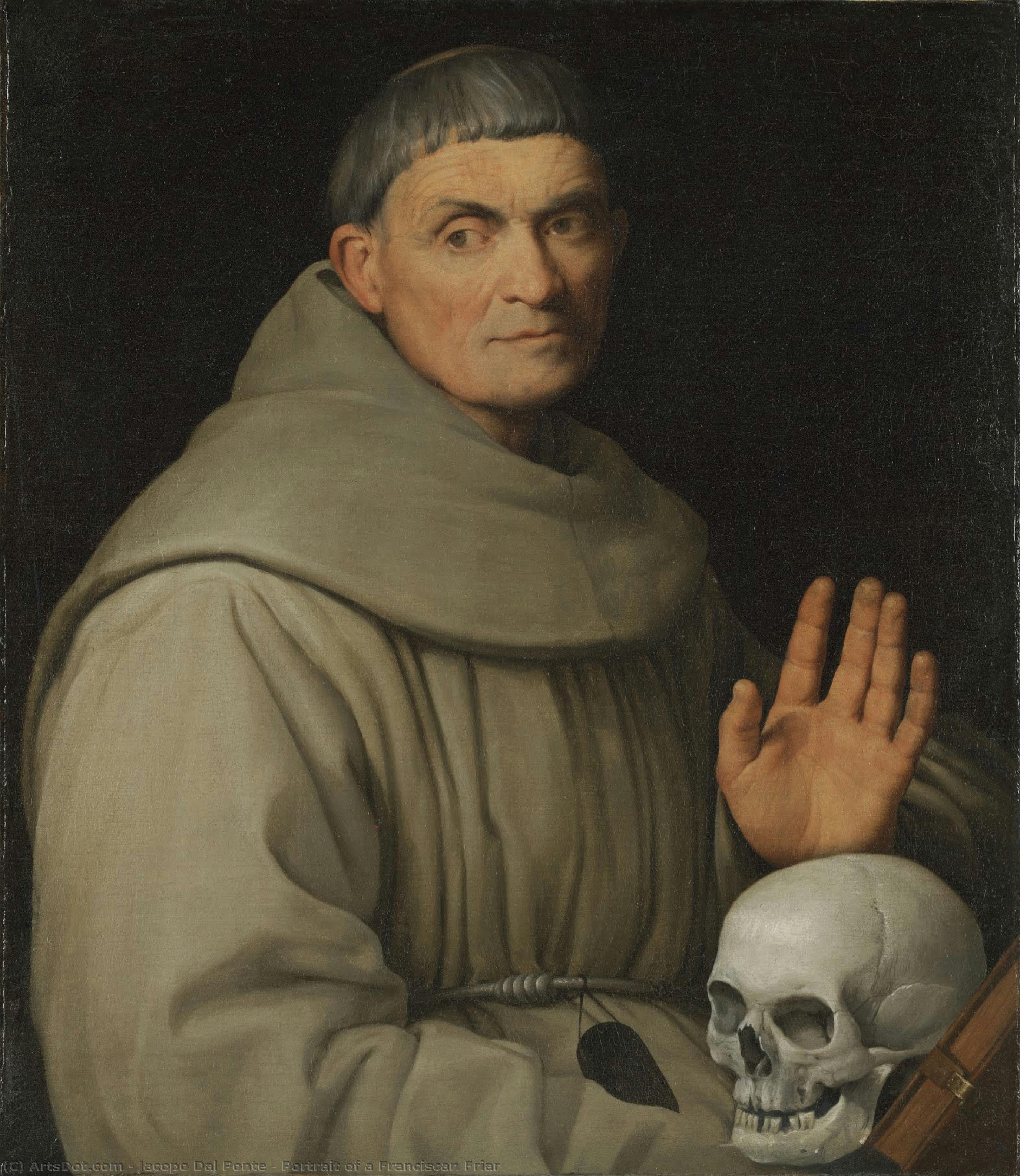
Portrait of a Franciscan Friar
 Renaissance
 1540
1540 80.0 x 69.0 cm
 Кимбелл Арт-музей
 Читать далее
Масляная репродукция ручной работы
Картина маслом на холсте в выбранном вами размере и раме, написанная на заказ нашими художниками. ( Перейти к печати Перейти к цифровым изображениям)




































Выберите один из наших стандартных размеров, соответствующих оригинальным пропорциям произведения искусства.

Вы можете указать собственные размеры, чтобы картина идеально вписалась в выбранную раму или пространство. Если выбранный вами размер не соответствует пропорциям оригинала, мы либо обрежем полотно, либо расширим его за счет дополнительных элементов, написанных вручную. Цифровой макет будет отправлен вам на утверждение перед началом производства.
Обратите внимание, что предварительный просмотр на экране не отражает фактическую обрезку или расширение. Только макет точно покажет окончательную композицию.
Хотя доступны индивидуальные размеры, мы рекомендуем выбирать вариант из предопределенного списка, чтобы сохранить исходные пропорции.
После оформления заказа команда ArtsDot.com свяжется с клиентом по электронной почте для уточнения деталей и предоставит предварительный макет
Доставка по всему миру () за 3–4 недели вместо стандартных 5 недель. (12 Сентябрь). Без компромиссов в качестве.

Бесплатная экспресс-доставка по всему миру

Высококачественный льняной холст

Полное страхование доставки

Гарантия возмещения таможенных пошлин

Гарантия точного соответствия цветов

100-дневная политика возврата (только при обнаружении дефектов)

Гарантия возврата 100% средств

Предложение оптовых скидок
 Вариант со стеклом доступен только для размеров менее 110 см

Portrait of a Franciscan Friar
Техника репродукции
Размер репродукции
-


Итоговая стоимость
$ 263
Похожие произведения

Биография художника
The Shadowed Canvas: Exploring the Life and Art of Jean-Baptiste Mongeau
Jean-Baptiste Mongeau, a name perhaps less familiar than his contemporaries, nevertheless stands as a pivotal figure in the late 18th and early 19th French art world. Born in Lyon in 1765, Mongeau’s life was inextricably linked to the tumultuous era of the French Revolution and its immediate aftermath – an experience that profoundly shaped both his artistic vision and his subject matter. While he lacked the formal training afforded to many artists of his time, a self-taught master, Mongeau developed a distinctive style characterized by dramatic chiaroscuro, meticulous detail, and a haunting exploration of human emotion amidst societal upheaval. His work offers a poignant reflection on the psychological impact of political change and the enduring search for beauty in a world increasingly defined by chaos.Early Life and Influences – A Lyoner’s Perspective
Mongeau's upbringing in Lyon, a vibrant center of commerce and industry during the Revolution, instilled within him a keen awareness of social disparity and political unrest. The city’s bustling markets, its skilled artisans, and its growing population of refugees created a rich tapestry of human experience – an environment that would later permeate his art. Unlike many artists who sought patronage in Paris, Mongeau remained rooted in Lyon, finding inspiration not only in the city's physical landscape but also in the stories of its people. Early influences included the Neoclassical ideals championed by Jacques-Louis David, though Mongeau quickly diverged from the rigid formality of his predecessor, injecting a raw emotionality and a darker palette into his compositions. The works of Rembrandt, particularly his masterful use of light and shadow, also exerted a significant influence on Mongeau’s technique, contributing to the dramatic intensity that would become a hallmark of his style.The Revolutionary Years – Painting the Unseen
Mongeau's artistic output during the Revolution was largely undocumented, reflecting the precarious circumstances under which many artists operated at the time. However, surviving sketches and a small number of finished paintings—primarily portraits and scenes depicting the plight of ordinary citizens—offer invaluable insights into his perspective. He eschewed grand historical narratives, instead focusing on intimate moments of suffering, resilience, and quiet dignity. His subjects were often marginalized figures – laborers, widows, and children – rendered with an unflinching honesty that challenged the idealized representations prevalent in official art. A particularly striking work, “The Baker’s Lament,” depicts a weary man staring into a loaf of bread, symbolizing not just hunger but also the loss of security and hope during a time of widespread famine. These paintings weren't intended for public display; they were often commissioned privately by sympathetic individuals or circulated discreetly among a small circle of supporters.A Shift Towards Symbolism – The Post-Revolutionary Period
Following the Thermidorian Reaction and the rise of Napoleon, Mongeau’s artistic focus subtly shifted. While he continued to depict scenes of human suffering, his work began to incorporate elements of symbolism and allegory, reflecting a growing disillusionment with political power and a yearning for spiritual solace. He explored themes of mortality, redemption, and the enduring strength of the human spirit. His palette darkened further, utilizing somber blues, greens, and browns alongside flashes of vibrant crimson – colors that evoked both pain and hope. His paintings during this period often featured recurring motifs—broken columns, withered flowers, and solitary figures—representing the ruins of a shattered society and the arduous path towards renewal.Legacy and Historical Significance
Jean-Baptiste Mongeau’s artistic legacy is one of quiet intensity and profound emotional resonance. Despite his relative obscurity during his lifetime, his work has been increasingly recognized for its unique contribution to French art in the late 18th and early 19th centuries. He stands as a testament to the power of art to bear witness to historical events and to explore the complexities of the human condition. His unflinching portrayal of social injustice and his masterful manipulation of light and shadow continue to captivate viewers today, reminding us of the enduring relevance of his artistic vision. Mongeau’s work is now housed primarily in private collections, but reproductions offer a window into the soul of a man who sought to capture the shadows and illuminate the truths of his time.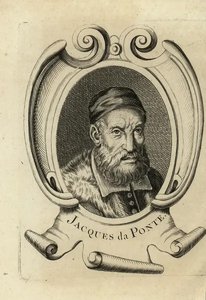
jacopo dal ponte
1592 , Italy
Похожие статьи

The Enduring Power of Painting: A Historical & Contemporary Exploration of Form and Emotion
Explore the rich history & enduring techniques of oil painting with ArtsDot. Discover masterpieces, learn about art collecting, and find authentic handmade reproductions crafted by skilled artists.

The Enduring Legacy of Oil on Canvas: Technique, History & Aesthetic Impact
Explore the rich history & techniques of oil painting – from Renaissance masters to Impressionism. Discover pigments, layering methods, and why this timeless medium endures. Expert insights for artists & art enthusiasts.

Топ-25 шедевров Тинторетто: Венецианская драма и свет в вашем интерьере
Погрузитесь в мир драматизма и света с 25 шедеврами Тинторетто! Узнайте историю создания легендарных картин эпохи Возрождения. Репродукции высокого качества для вашего интерьера на ArtsDot.com.

Масляная живопись: История, техника и непреходящее наследие
Узнайте все о масляной живописи: история техники, секреты мастеров и современные тенденции. Погрузитесь в мир искусства с экспертами !

Oil on Canvas: A Historical & Technical Exploration of a Timeless Artistic Medium
Explore the rich history & enduring techniques of oil painting on canvas. Discover the science behind its longevity, conservation practices, and contemporary relevance. Expert insights for art enthusiasts.