


 Предпросмотр
 Поделиться
 Поделиться
 Детали произведения

 Скачать
 Похожие работы
 Рентгенография
 Слайд-шоу
 Статистика
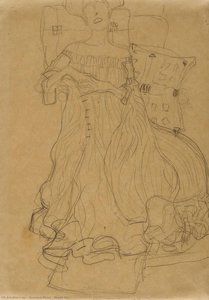
Sketch for the Trappings of an Elephant


 Читать далее
Приобретите цифровое изображение высокого разрешения в улучшенном качестве, которое значительно превосходит онлайн-превью.
Каждый файл тщательно подготавливается нашими специалистами с использованием передовых инструментов и экспертной ручной ретуши. Мы гарантируем исключительную четкость, точную цветопередачу и детальную проработку каждого изображения.
Финальный файл доставляется по электронной почте в течение 72 часов и оптимизирован для немедленного использования в профессиональной среде, при верстке и печати. Это тот же уровень качества, которому доверяют ведущие дизайнерские студии, издательства и галереи.
Цифровое изображение
Скачайте файл высокого разрешения для личного использования, печати и творческих проектов. ( Перейти к печати Купить картину ручной работы)
Включено в каждый заказ цифровых изображений
Гарантия экспертной цифровой доставки
Выбирая ArtsDot.com, вы получаете не просто изображение — вы приобретаете профессионально обработанное цифровое произведение искусства, созданное с безупречной точностью и под защитой гарантии качества. Вот всё, что автоматически входит в ваш заказ:

Мгновенная доставка по e-mail
Ваш цифровой файл в высоком разрешении будет отправлен вам по электронной почте в течение 72 часов после оформления заказа — и сразу станет доступен для использования.

Цифровой файл с ИИ-улучшением
Ваше произведение искусства проходит профессиональную оптимизацию с использованием передовых инструментов ИИ и ручной обработки, что гарантирует максимальную детализацию, четкость и точность цветопередачи.

Бессрочная бесплатная повторная доставка
Случайно удалили или потеряли файл? Не беспокойтесь — мы отправим его вам повторно в любое время и совершенно бесплатно.

Без импортных пошлин — навсегда
Наслаждайтесь вашим произведением искусства мгновенно без таможенных пошлин, сборов или затрат на доставку — цифровые загрузки всегда не облагаются налогом.

Гарантия точности цветопередачи
Мы гарантируем, что ваше цифровое изображение максимально точно передает оригинальные цвета благодаря использованию профессиональных инструментов и систем управления цветом.

Гарантия удовлетворенности 100 дней
Если вы не будете удовлетворены своим цифровым изображением, мы внесем правки или вернем 100% стоимости в течение 100 дней — без лишних вопросов.

100% Гарантия возврата средств
Не удовлетворены покупкой? Получите полный возврат средств в течение 100 дней после получения цифрового файла — без лишних вопросов.

Скидки на оптовые заказы
Купите 3 изображения, сэкономьте 10% — Купите 5, сэкономьте 15% — Купите 10+, сэкономьте 20%. Отличное решение для творческих проектов, галерей и агентств.
Похожие произведения







Биография художника
The Renaissance Polymath: The Life and Legacy of Jacopo Strada
In the vibrant, intellectual tapestry of the sixteenth century, few figures embodied the spirit of the Renaissance polymath as completely as Jacopo Strada. Born in Mantua in 1507, Strada was far more than a mere painter; he was a whirlwind of creative and intellectual energy—a goldsmith, architect, inventor, linguist, and one of the most influential art dealers and collectors of his era. His life was a journey through the most prestigious courts of Europe, moving from the refined workshops of Italy to the imperial splendor of Vienna. While his physical image survives most famously through a masterful portrait by Titian, his true legacy lies in the profound influence he exerted on the cultural landscape of the Holy Roman Empire and the preservation of classical antiquity.
Strada’s early years were steeped in the artistic excellence of Mantua, where he is believed to have received foundational training as a goldsmith under the influence of the legendary Giulio Romano. This early exposure to the Mannerist style and the intricate precision required for metalwork likely informed his later architectural and decorative endeavors. His talent was not confined to a single medium; rather, it was characterized by a seamless integration of various disciplines. Whether he was drafting the complex interiors of the Palazzo del Tè or designing machines of ingenious utility, Strada approached every task with the eye of an artist and the precision of a craftsman.
A Journey Through the Great Courts of Europe
The trajectory of Strada’s career was marked by significant diplomatic and artistic migrations. His travels took him to Lyon and eventually to Rome, where he served under the patronage of Pope Paul III. This period in the heart of the Papal States allowed him to immerse himself in the classical revival that defined the Roman Renaissance, an experience that would later fuel his passion for antiquities. Following the death of Paul III, Strada’s path led him northward, eventually settling in Vienna in 1556. It was here that his reputation as a trusted agent and official artist reached its zenith.
As a courtier to three successive Habsburg Holy Roman Emperors—Ferdinand I, Maximilian II, and Rudolph II—Strada became an indispensable figure in the imperial administration of culture. His role was multifaceted:
- Architectural Visionary: He served as an official architect, contributing to the structural and aesthetic development of the Habsburg territories.
- Antiquarian Expert: He utilized his vast knowledge of classical history to assemble collections that would define imperial prestige.
- Artistic Agent: Acting as a bridge between Italy and Northern Europe, he scouted and procured significant works of art for the most powerful figures of his time.
The Architect of Antiquity and Art Collection
Perhaps Strada’s most enduring physical contribution to the world of art history was his work for Albert V, Duke of Bavaria. He was the visionary mind behind the Antiquarium at the Munich Residenz, a magnificent hall designed specifically to house an extraordinary collection of Roman sculptures. His ability to conceive spaces that celebrated the grandeur of the ancient world demonstrated his profound understanding of how architecture and sculpture interact to create a sense of historical continuity and power.
Beyond his architectural feats, Strada was a titan of the early art market. He served as a trusted advisor and agent for the immensely wealthy Jakob Fugger, one of the most powerful financiers in Europe. For the Fugger family, Strada performed monumental tasks, such as assembling an exhaustive collection of Italian noble coats of arms across fifteen volumes and producing exquisite drawings of ancient coins. This work was not merely commercial; it was a scholarly endeavor that helped document the heraldry and numismatics of the age. Through his tireless efforts in scouting, collecting, and documenting, Jacopo Strada ensured that the treasures of the Italian Renaissance were preserved and celebrated within the great libraries and galleries of Northern Europe, cementing his place as a vital link in the chain of Western art history.
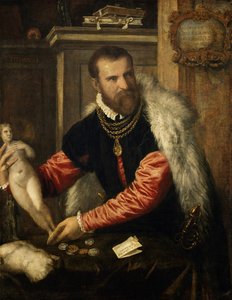
jacopo strada
1507 - 1588 , Italy
Основные сведения
- Artistic Movement Or Style: Renaissance
- Artists Who Influenced This Artist: ['Giulio Romano']
- Date Of Birth: 1507
- Date Of Death: 1588
- Full Name: Jacopo Strada
- Nationality: Italian
- Notable Artworks:
- Drawings of Palazzo del Tè
- Drawings of Palazzo Ducale
- Place Of Birth: Mantua, Italy