

 Предпросмотр
 Поделиться
 Поделиться
 Детали произведения

 Скачать
 Похожие работы
 Рентгенография
 Слайд-шоу
 Статистика
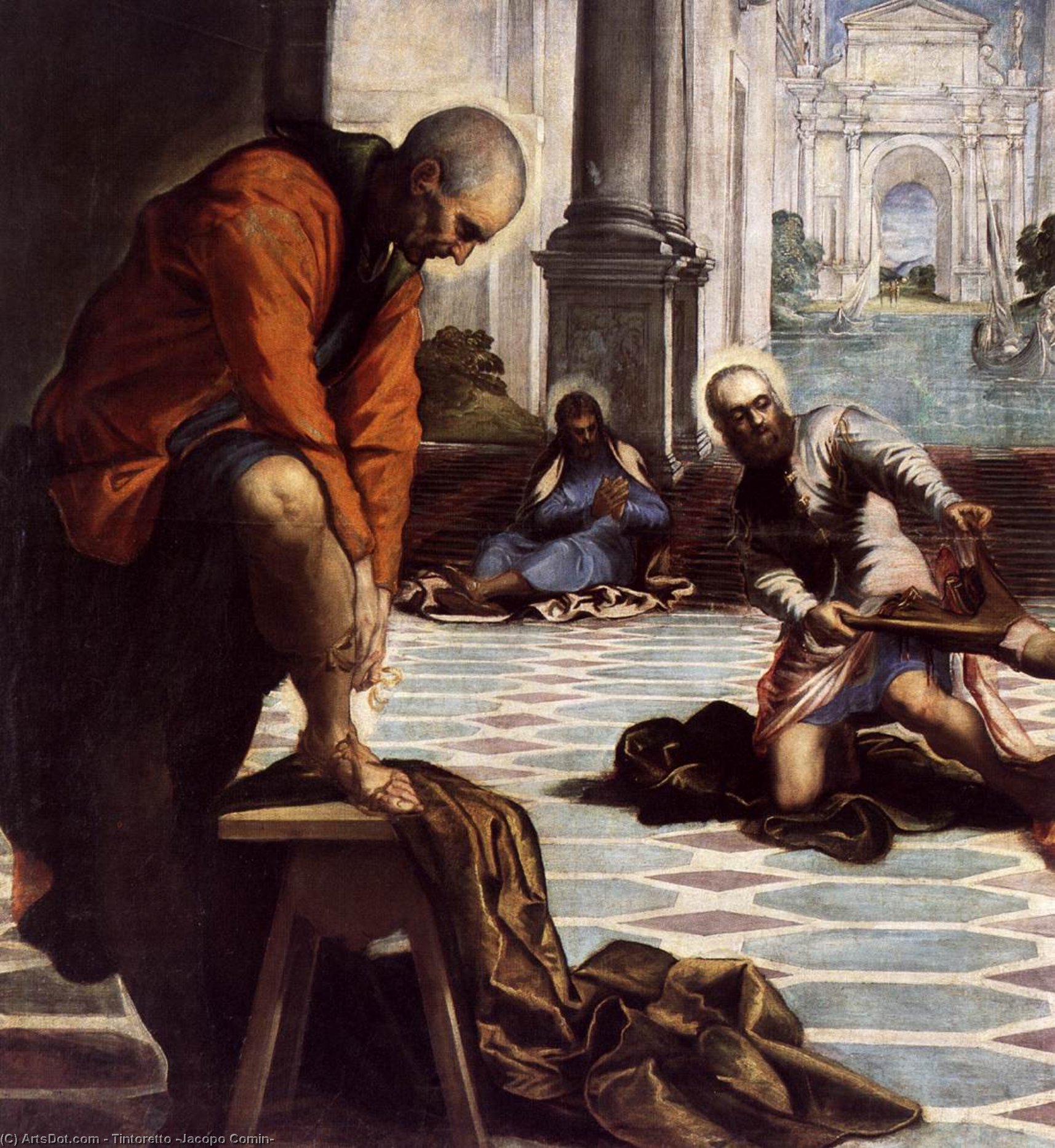
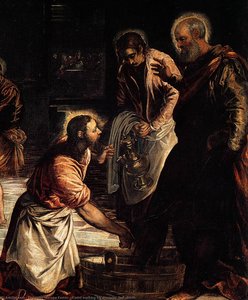
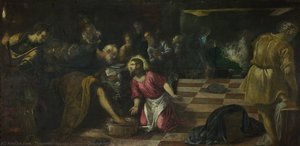
Christ Washing the Feet of His Disciples (detail)


 Читать далее
Приобретите цифровое изображение высокого разрешения в улучшенном качестве, которое значительно превосходит онлайн-превью.
Каждый файл тщательно подготавливается нашими специалистами с использованием передовых инструментов и экспертной ручной ретуши. Мы гарантируем исключительную четкость, точную цветопередачу и детальную проработку каждого изображения.
Финальный файл доставляется по электронной почте в течение 72 часов и оптимизирован для немедленного использования в профессиональной среде, при верстке и печати. Это тот же уровень качества, которому доверяют ведущие дизайнерские студии, издательства и галереи.
Цифровое изображение
Скачайте файл высокого разрешения для личного использования, печати и творческих проектов. ( Перейти к печати Купить картину ручной работы)
Включено в каждый заказ цифровых изображений
Гарантия экспертной цифровой доставки
Выбирая ArtsDot.com, вы получаете не просто изображение — вы приобретаете профессионально обработанное цифровое произведение искусства, созданное с безупречной точностью и под защитой гарантии качества. Вот всё, что автоматически входит в ваш заказ:

Мгновенная доставка по e-mail
Ваш цифровой файл в высоком разрешении будет отправлен вам по электронной почте в течение 72 часов после оформления заказа — и сразу станет доступен для использования.

Цифровой файл с ИИ-улучшением
Ваше произведение искусства проходит профессиональную оптимизацию с использованием передовых инструментов ИИ и ручной обработки, что гарантирует максимальную детализацию, четкость и точность цветопередачи.

Бессрочная бесплатная повторная доставка
Случайно удалили или потеряли файл? Не беспокойтесь — мы отправим его вам повторно в любое время и совершенно бесплатно.

Без импортных пошлин — навсегда
Наслаждайтесь вашим произведением искусства мгновенно без таможенных пошлин, сборов или затрат на доставку — цифровые загрузки всегда не облагаются налогом.

Гарантия точности цветопередачи
Мы гарантируем, что ваше цифровое изображение максимально точно передает оригинальные цвета благодаря использованию профессиональных инструментов и систем управления цветом.

Гарантия удовлетворенности 100 дней
Если вы не будете удовлетворены своим цифровым изображением, мы внесем правки или вернем 100% стоимости в течение 100 дней — без лишних вопросов.

100% Гарантия возврата средств
Не удовлетворены покупкой? Получите полный возврат средств в течение 100 дней после получения цифрового файла — без лишних вопросов.

Скидки на оптовые заказы
Купите 3 изображения, сэкономьте 10% — Купите 5, сэкономьте 15% — Купите 10+, сэкономьте 20%. Отличное решение для творческих проектов, галерей и агентств.
A Moment of Humble Obedience: Tintoretto’s Christ Washing the Feet of His Disciples
Jacopo Tintoretto, a Venetian titan whose legacy continues to illuminate the annals of art history, gifted us with *Christ Washing the Feet of His Disciples*, a monumental oil on canvas completed in 1547. Currently residing within the hallowed halls of Museo del Prado in Madrid, Spain, this artwork transcends mere depiction; it embodies a profound exploration of faith and human compassion—a testament to Tintoretto’s unparalleled mastery of dramatic composition and masterful manipulation of light.The Scene Unfolds: Composition and Dramatic Lighting
The painting captures a pivotal episode from the Gospels – Jesus Christ deliberately humbling himself before his disciples by washing their feet, an act imbued with symbolic significance far exceeding its visual representation. Tintoretto skillfully orchestrates this narrative within a richly furnished dining room, dominated by a long table that serves as a grounding element for the unfolding drama. The central figure of Jesus is positioned at the lower left corner, bending towards one disciple while others observe him with expressions ranging from surprise to reverence. This deliberate placement emphasizes Jesus’s vulnerability and underscores the core message of service and humility. Crucially, Tintoretto employs chiaroscuro—the dramatic interplay between light and dark—to sculpt the scene with breathtaking precision. Intense illumination focuses on Jesus's face and hands, highlighting his gesture of compassion and drawing the viewer’s gaze directly to this central act of devotion. Shadows envelop the surrounding figures, creating depth and enhancing the emotional intensity of the tableau.Tintoretto’s Artistic Innovation: Technique and Style
Tintoretto distinguished himself from his contemporaries through an unwavering commitment to experimentation and a stylistic approach that prioritized dynamism and psychological realism. Unlike many artists who adhered to established conventions, Tintoretto relentlessly pursued innovative techniques—particularly in his handling of paint—resulting in textures that appear almost palpable. He achieved this remarkable effect by applying thin layers of pigment over thicker undercoats, creating a visual illusion of volume and movement that was revolutionary for its time. This technique is evident throughout the painting, particularly in the drapery of Jesus’s robe and tunic, which ripple with an unsettling grace—a characteristic feature of Tintoretto's distinctive style. His masterful use of perspective contributes to the overall sense of realism, immersing the viewer within the confines of the dining room and conveying a palpable atmosphere of solemn contemplation.Historical Context: Renaissance Faith and Venetian Artistic Expression
Created during the High Renaissance, *Christ Washing the Feet of His Disciples* reflects the prevailing intellectual currents of the era—a fervent belief in Christian ideals coupled with an artistic desire to convey profound spiritual truths. Tintoretto’s work stands as a beacon of Venetian artistic expression, inheriting the legacy of Titian and Michelangelo while forging its own indelible mark on art history. The Museo del Prado, established in Madrid during the reign of Ferdinand VI, serves as a repository for Spain's national treasures—among them masterpieces that continue to inspire awe and admiration centuries after their creation. This institution recognizes Tintoretto’s contribution to artistic heritage and ensures that his work remains accessible to generations of art enthusiasts.Symbolism: Humility, Sacrifice, and Divine Compassion
Beyond its visual splendor, *Christ Washing the Feet of His Disciples* resonates with layers of symbolic meaning. The act itself—washing feet—represents humility and selfless service—values central to Christian theology. Jesus deliberately relinquishing his position of authority demonstrates compassion for his disciples and underscores the importance of empathy and understanding. Furthermore, Tintoretto’s masterful depiction of light symbolizes divine illumination and spiritual enlightenment, guiding the viewer toward contemplation on themes of faith and redemption. The painting serves as a poignant reminder that true greatness lies not in power or prestige but in acts of kindness and devotion—a timeless message conveyed with unparalleled artistry.Emotional Impact: A Window into Spiritual Depth
Ultimately, Tintoretto’s *Christ Washing the Feet of His Disciples* transcends mere representation; it evokes an emotional response rooted in profound contemplation on human dignity and divine grace. The painting compels viewers to confront questions of morality and compassion—to consider what it means to embody humility and service in one's own life. Its dramatic lighting and masterful composition heighten the sense of pathos, capturing the solemnity of the moment and conveying a palpable atmosphere of spiritual reverence. Reproductions available at ArtsDot.com for art enПохожие произведения
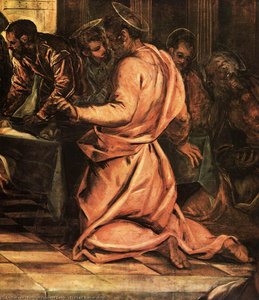
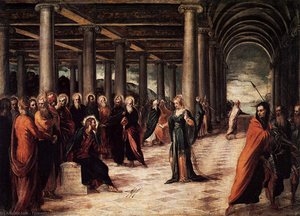
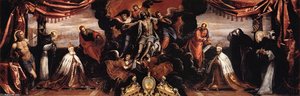
Биография художника
A Venetian Master of Drama and Light
Jacopo Tintoretto, born Jacopo Robusti in Venice around 1518, remains one of the most compelling and enigmatic figures of the High Renaissance and early Baroque periods. His very nickname, “Tintoretto” – little dyer – speaks to his family’s trade, yet it belies the immense artistry that would distinguish him from all others. Unlike many artists who benefited from structured apprenticeships, Tintoretto's path was largely self-directed, fueled by an insatiable curiosity and a relentless drive for innovation. While accounts suggest a brief and unsuccessful stint under Titian, the acknowledged master of Venetian colorism, it seems the experience proved more contentious than formative. Titian’s alleged dismissal of the young Jacopo – whether due to jealousy or artistic disagreement – spurred Tintoretto toward an independent course, one characterized by audacious experimentation and a uniquely dynamic style. He immersed himself in anatomical study, reportedly through dissection, and honed his skills by meticulously copying classical sculpture and the works of other masters. This dedication laid the foundation for a career that would redefine Venetian painting.Forging a Distinctive Style: *Il Furioso*
Tintoretto’s artistic development was marked by an almost feverish energy, earning him another evocative nickname: *Il Furioso* – “the Furious One.” This moniker wasn't merely descriptive of his working pace but also captured the intensity and emotional charge that permeated his canvases. His early works already hinted at a departure from traditional Venetian conventions. While acknowledging Titian’s influence in color, Tintoretto gravitated towards Michelangelo’s powerful figures and dramatic compositions. He synthesized these influences into something entirely new: a style characterized by elongated forms, swirling draperies, and an innovative use of perspective that often created a sense of dizzying depth and movement. He abandoned the meticulous finish favored by his contemporaries, opting instead for a rapid, almost sketch-like brushstroke that conveyed immediacy and raw emotion. This technique, combined with his masterful manipulation of light and shadow – *chiaroscuro* – allowed him to create scenes of unparalleled drama and psychological intensity. He wasn’t simply depicting events; he was conveying their emotional core. His compositions were often asymmetrical and dynamic, filled with a sense of movement and energy that seemed almost chaotic at first glance, but ultimately revealed a carefully orchestrated balance.Monumental Achievements: San Rocco and Beyond
Tintoretto's prodigious output spanned decades, encompassing religious narratives, historical allegories, and portraits. However, his most significant achievement lies in the cycle of paintings he created for the Scuola Grande di San Rocco, a Venetian confraternity dedicated to Saint Roch. Over a period of more than fifty years, Tintoretto adorned the Scuola’s halls with over sixty canvases, transforming it into a breathtaking visual testament to faith and human experience. Works like “The Last Supper,” completed late in his life, demonstrate his continued experimentation with perspective and composition. Departing from traditional depictions, Tintoretto placed the scene in a dramatically lit, architecturally unstable space, emphasizing the emotional turmoil of Christ’s final meal with his disciples. Other notable works include “The Miracle of St Mark Freeing the Slave,” a powerful display of dynamic composition and foreshortening, and numerous paintings for Venetian churches and palaces that showcase his mastery of scale and narrative storytelling. These monumental projects cemented Tintoretto's reputation as one of Venice’s most important artists. He was known to work incredibly quickly, often finishing a painting in just a few days – a remarkable feat considering the scale and complexity of his works.Influences and Artistic Connections
Tintoretto’s artistic journey was shaped by a complex interplay of influences. While he initially sought guidance from Titian, their relationship remained fraught with tension. Michelangelo's powerful figures and dramatic compositions undoubtedly served as a key inspiration, particularly in terms of anatomical accuracy and dynamic movement. The influence of classical sculpture is also evident in his elongated forms and carefully rendered draperies. Furthermore, Tintoretto’s work demonstrates a deep understanding of Venetian painting traditions, but he ultimately forged his own unique style that transcended these conventions. He was known to study the works of other masters, including Paolo Veronese, and his paintings often incorporate elements of Mannerism – characterized by elongated figures, complex compositions, and an emphasis on emotional expression. His contemporaries both admired and criticized his innovative approach, recognizing his genius while questioning his unconventional methods.Legacy and Historical Significance
Jacopo Tintoretto died in Venice in 1594, leaving behind a vast and influential body of work. He bridged the gap between the High Renaissance and the Baroque period, anticipating many of the stylistic innovations that would define the latter. His dramatic compositions, expressive brushwork, and innovative use of light and shadow profoundly influenced artists such as Caravaggio, Rembrandt, and Delacroix. He wasn’t merely a painter; he was a visual storyteller who understood how to harness the power of art to evoke emotion and inspire awe. As one of the three great Venetian painters of the 16th century – alongside Titian and Paolo Veronese – Tintoretto played a crucial role in shaping the artistic landscape of Venice during its golden age. His work reflects not only the religious fervor and political tensions of his time but also a uniquely personal vision that continues to resonate with audiences today, solidifying his place as one of history’s most important and captivating artists. His legacy is a testament to the enduring power of artistic innovation and the transformative potential of human creativity.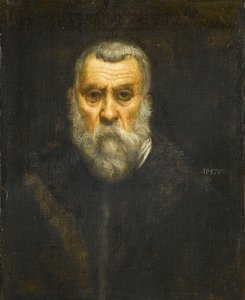
Тинторетто
1518 - 1594 , Италия
Основные сведения
- Artistic Movement Or Style: Ренессанс, Маньеризм
- Artists Or Movements Influenced By This Artist:
- Карваджио
- Барокко
- Artists Who Influenced This Artist:
- Титян
- Микеланджело
- Date Of Birth: 1518
- Date Of Death: 1594
- Full Name: Jacopo Robusti
- Nationality: Итальянский
- Notable Artworks:
- Чудо святого Марка
- Последний ужин
- Воскрешение Лазаря
- Place Of Birth: Венеция, Италия