 Предпросмотр
 Поделиться
 Поделиться
 Детали произведения

 Скачать
 Похожие работы
 Рентгенография
 Слайд-шоу
 Статистика
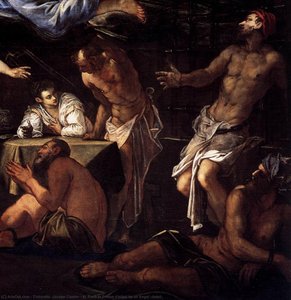
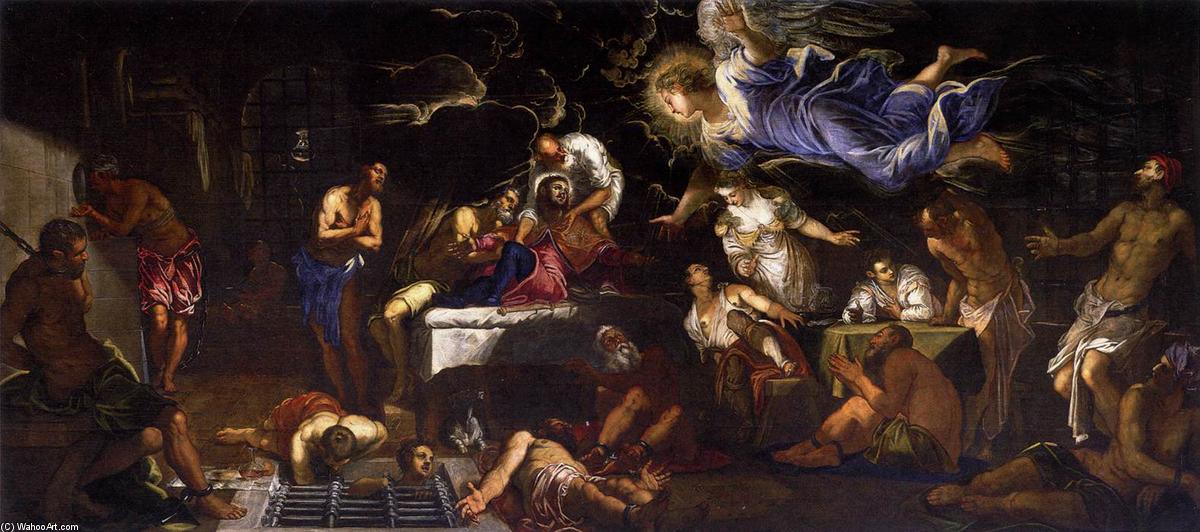
St Roch in Prison Visited by an Angel
 Oil On Canvas
- WallArt
- Baroque Drama Light
 1567
1567- Renaissance
 300.0 x 670.0 cm
 Сан-Рокко
 Читать далее
Масляная репродукция ручной работы
Картина маслом на холсте в выбранном вами размере и раме, написанная на заказ нашими художниками. ( Перейти к печати Перейти к цифровым изображениям)




P118B $10

P118H $10

P118W $10

P438Z $10

P508JH $12

P508YH $12

P805H $10

P805Z $10

P919BZ $10

P919G $10

P919XJ $10

P959ZH $10

P968JZ $12

W106C $8

W218G $10

W218JH $8

W218Y $10

W307PJ $10

W316G $10

W316PJ $8

W316Y $10

W398PJ $8

W4111J $10

W500HY $15

W500JH $15

W692G $12

W849H $8

W940BG $15

W953PJ $8




Выберите один из наших стандартных размеров, соответствующих оригинальным пропорциям произведения искусства.

Вы можете указать собственные размеры, чтобы картина идеально вписалась в выбранную раму или пространство. Если выбранный вами размер не соответствует пропорциям оригинала, мы либо обрежем полотно, либо расширим его за счет дополнительных элементов, написанных вручную. Цифровой макет будет отправлен вам на утверждение перед началом производства.
Обратите внимание, что предварительный просмотр на экране не отражает фактическую обрезку или расширение. Только макет точно покажет окончательную композицию.
Хотя доступны индивидуальные размеры, мы рекомендуем выбирать вариант из предопределенного списка, чтобы сохранить исходные пропорции.
После оформления заказа команда ArtsDot.com свяжется с клиентом по электронной почте для уточнения деталей и предоставит предварительный макет
Доставка по всему миру () за 3–4 недели вместо стандартных 5 недель. (12 Сентябрь). Без компромиссов в качестве.

Бесплатная экспресс-доставка по всему миру

Высококачественный льняной холст

Полное страхование доставки

Гарантия возмещения таможенных пошлин

Гарантия точного соответствия цветов

100-дневная политика возврата (только при обнаружении дефектов)

Гарантия возврата 100% средств

Предложение оптовых скидок
 Вариант со стеклом доступен только для размеров менее 110 см

St Roch in Prison Visited by an Angel
Техника репродукции
Размер репродукции
-


Итоговая стоимость
$ 263
A Divine Encounter in Shadow: The Dramatic Vision of Tintoretto
In the heart of Venice, within the hallowed walls of the San Rocco Basilica, lies a canvas that does more than merely depict a scene; it breathes with a restless, spiritual energy. Jacopo Tintoretto’s St Roch in Prison Visited by an Angel is a monumental achievement of the Venetian Renaissance, a work where the boundaries between the earthly and the divine become as blurred as the edges of the painting itself. Created around 1567, this massive oil on canvas captures a moment of profound vulnerability and celestial intervention. As the eye wanders through the darkened confines of the prison cell, it is not met with stagnant stillness, but with a cinematic surge of light and motion that defines Tintoretto’s legendary reputation as il Furioso.
The composition is a masterclass in the use of chiaroscuro, the dramatic interplay between deep, swallowing shadows and piercing, divine illumination. Tintoretto eschews the polite, even lighting favored by many of his contemporaries, opting instead to plunge much of the scene into mystery. This darkness serves a vital narrative purpose: it emphasizes the isolation of St Roch, yet allows the sudden, brilliant light—emanating from the angelic visitor—to strike the saint’s face and torso with startling intensity. Through this technique, the artist transforms a grim prison setting into a stage for spiritual revelation, where every flicker of light suggests the presence of grace amidst human suffering.
The Pulse of Venetian Drama and Devotion
To understand this masterpiece, one must look to the turbulent era in which it was birthed. Following the devastating Sack of Rome in 1527, Europe was gripped by a profound religious fervor and an underlying sense of anxiety. In Venice, the veneration of saints like St Roch—a protector against the plague—was not merely a matter of tradition but a vital necessity for communal survival. Tintoretto captures this spiritual urgency with unparalleled psychological depth. The painting does not just show a miracle; it invites the viewer to feel the weight of the prisoner's plight and the sudden, breathtaking relief of divine companionship.
The artist’s brushwork further enhances this emotional resonance. Moving away from the meticulous, polished surfaces of the High Renaissance, Tintoretto employs a more fluid, almost impressionistic approach. His use of sfumato softens the contours of the figures, creating an atmospheric haze that suggests movement and breath. This stylistic choice makes the presence of the angel feel less like a static icon and more like a sudden, ethereal intrusion into the physical world. For the collector or the lover of fine art, this painting offers a profound sense of movement; it is a piece that refuses to remain still, constantly engaging the viewer's gaze through its dynamic energy.
A Timeless Inspiration for the Modern Space
For those seeking to bring a sense of history and dramatic grandeur into a curated interior, St Roch in Prison Visited by an Angel serves as an extraordinary focal point. Its immense scale and commanding presence make it ideal for large-scale reproductions intended to anchor a room with intellectual and emotional weight. The painting’s palette—rich with deep earth tones, somber shadows, and brilliant highlights—complements both classical and contemporary decor, providing a sophisticated dialogue between the old world and the new.
Beyond its aesthetic value, the work offers a contemplative experience. It is a piece that rewards slow looking, revealing new layers of detail—from the subtle expressions of the onlookers to the symbolic presence of the faithful dog—with every encounter. Whether viewed as a historical document of Venetian faith or as a triumph of Baroque-precursor technique, Tintoretto’s vision remains an enduring testament to the power of art to illuminate even the darkest of human circumstances.
Похожие произведения
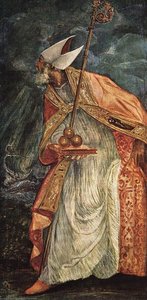
Биография художника
A Venetian Master of Drama and Light
Jacopo Tintoretto, born Jacopo Robusti in Venice around 1518, remains one of the most compelling and enigmatic figures of the High Renaissance and early Baroque periods. His very nickname, “Tintoretto” – little dyer – speaks to his family’s trade, yet it belies the immense artistry that would distinguish him from all others. Unlike many artists who benefited from structured apprenticeships, Tintoretto's path was largely self-directed, fueled by an insatiable curiosity and a relentless drive for innovation. While accounts suggest a brief and unsuccessful stint under Titian, the acknowledged master of Venetian colorism, it seems the experience proved more contentious than formative. Titian’s alleged dismissal of the young Jacopo – whether due to jealousy or artistic disagreement – spurred Tintoretto toward an independent course, one characterized by audacious experimentation and a uniquely dynamic style. He immersed himself in anatomical study, reportedly through dissection, and honed his skills by meticulously copying classical sculpture and the works of other masters. This dedication laid the foundation for a career that would redefine Venetian painting.Forging a Distinctive Style: *Il Furioso*
Tintoretto’s artistic development was marked by an almost feverish energy, earning him another evocative nickname: *Il Furioso* – “the Furious One.” This moniker wasn't merely descriptive of his working pace but also captured the intensity and emotional charge that permeated his canvases. His early works already hinted at a departure from traditional Venetian conventions. While acknowledging Titian’s influence in color, Tintoretto gravitated towards Michelangelo’s powerful figures and dramatic compositions. He synthesized these influences into something entirely new: a style characterized by elongated forms, swirling draperies, and an innovative use of perspective that often created a sense of dizzying depth and movement. He abandoned the meticulous finish favored by his contemporaries, opting instead for a rapid, almost sketch-like brushstroke that conveyed immediacy and raw emotion. This technique, combined with his masterful manipulation of light and shadow – *chiaroscuro* – allowed him to create scenes of unparalleled drama and psychological intensity. He wasn’t simply depicting events; he was conveying their emotional core. His compositions were often asymmetrical and dynamic, filled with a sense of movement and energy that seemed almost chaotic at first glance, but ultimately revealed a carefully orchestrated balance.Monumental Achievements: San Rocco and Beyond
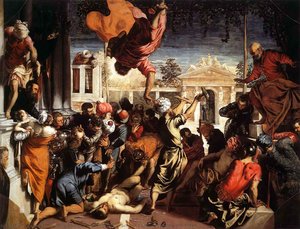
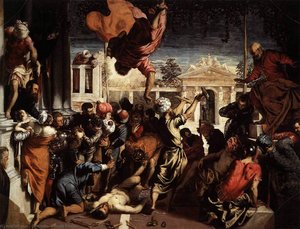
Tintoretto's prodigious output spanned decades, encompassing religious narratives, historical allegories, and portraits. However, his most significant achievement lies in the cycle of paintings he created for the Scuola Grande di San Rocco, a Venetian confraternity dedicated to Saint Roch. Over a period of more than fifty years, Tintoretto adorned the Scuola’s halls with over sixty canvases, transforming it into a breathtaking visual testament to faith and human experience. Works like “The Last Supper,” completed late in his life, demonstrate his continued experimentation with perspective and composition. Departing from traditional depictions, Tintoretto placed the scene in a dramatically lit, architecturally unstable space, emphasizing the emotional turmoil of Christ’s final meal with his disciples. Other notable works include “The Miracle of St Mark Freeing the Slave,” a powerful display of dynamic composition and foreshortening, and numerous paintings for Venetian churches and palaces that showcase his mastery of scale and narrative storytelling. These monumental projects cemented Tintoretto's reputation as one of Venice’s most important artists. He was known to work incredibly quickly, often finishing a painting in just a few days – a remarkable feat considering the scale and complexity of his works.Influences and Artistic Connections
Tintoretto’s artistic journey was shaped by a complex interplay of influences. While he initially sought guidance from Titian, their relationship remained fraught with tension. Michelangelo's powerful figures and dramatic compositions undoubtedly served as a key inspiration, particularly in terms of anatomical accuracy and dynamic movement. The influence of classical sculpture is also evident in his elongated forms and carefully rendered draperies. Furthermore, Tintoretto’s work demonstrates a deep understanding of Venetian painting traditions, but he ultimately forged his own unique style that transcended these conventions. He was known to study the works of other masters, including Paolo Veronese, and his paintings often incorporate elements of Mannerism – characterized by elongated figures, complex compositions, and an emphasis on emotional expression. His contemporaries both admired and criticized his innovative approach, recognizing his genius while questioning his unconventional methods.Legacy and Historical Significance
Jacopo Tintoretto died in Venice in 1594, leaving behind a vast and influential body of work. He bridged the gap between the High Renaissance and the Baroque period, anticipating many of the stylistic innovations that would define the latter. His dramatic compositions, expressive brushwork, and innovative use of light and shadow profoundly influenced artists such as Caravaggio, Rembrandt, and Delacroix. He wasn’t merely a painter; he was a visual storyteller who understood how to harness the power of art to evoke emotion and inspire awe. As one of the three great Venetian painters of the 16th century – alongside Titian and Paolo Veronese – Tintoretto played a crucial role in shaping the artistic landscape of Venice during its golden age. His work reflects not only the religious fervor and political tensions of his time but also a uniquely personal vision that continues to resonate with audiences today, solidifying his place as one of history’s most important and captivating artists. His legacy is a testament to the enduring power of artistic innovation and the transformative potential of human creativity.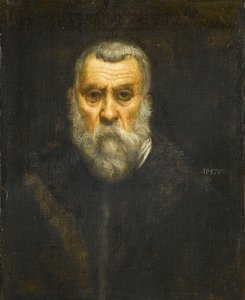
Тинторетто
1518 - 1594 , Италия
Основные сведения
- Artistic Movement Or Style: Ренессанс, Маньеризм
- Artists Or Movements Influenced By This Artist:
- Карваджио
- Барокко
- Artists Who Influenced This Artist:
- Титян
- Микеланджело
- Date Of Birth: 1518
- Date Of Death: 1594
- Full Name: Jacopo Robusti
- Nationality: Итальянский
- Notable Artworks:
- Чудо святого Марка
- Последний ужин
- Воскрешение Лазаря
- Place Of Birth: Венеция, Италия
Похожие статьи
Эль Греко: 25 шедевров гения. Купить картины онлайн | ArtsDot
Погрузитесь в мир Эль Греко! 25 величайших шедевров испанского маньеризма. Узнайте историю создания культовых картин, технику и символизм. Купите репродукции высокого качества для вашего интерьера на ArtsDot.com.
Chiaroscuro & Emotional Resonance: Exploring Dramatic Light in Western Painting
Explore the captivating world of chiaroscuro & tenebrism! Discover Caravaggio's influence, Baroque masters, and the enduring power of dramatic lighting in art history. Learn about these techniques with ArtsDot.
Chiaroscuro & Beyond: Exploring Dramatic Light & Shadow in Art History
Explore the captivating history of chiaroscuro – from Renaissance origins to Caravaggio & Rembrandt's mastery. Discover how light and shadow shaped art, and its enduring influence today.
Chiaroscuro & Beyond: Mastering Dramatic Lighting in Art History
Explore the captivating world of chiaroscuro & tenebrism! Discover Caravaggio's influence, Baroque masters, and the enduring power of dramatic lighting in art history. Learn about these techniques with ArtsDot.

Топ-25 шедевров Тинторетто: Венецианская драма и свет в вашем интерьере
Погрузитесь в мир драматизма и света с 25 шедеврами Тинторетто! Узнайте историю создания легендарных картин эпохи Возрождения. Репродукции высокого качества для вашего интерьера на ArtsDot.com.