

 Предпросмотр
 Поделиться
 Поделиться
 Детали произведения

 Скачать
 Похожие работы
 Рентгенография
 Слайд-шоу
 Статистика
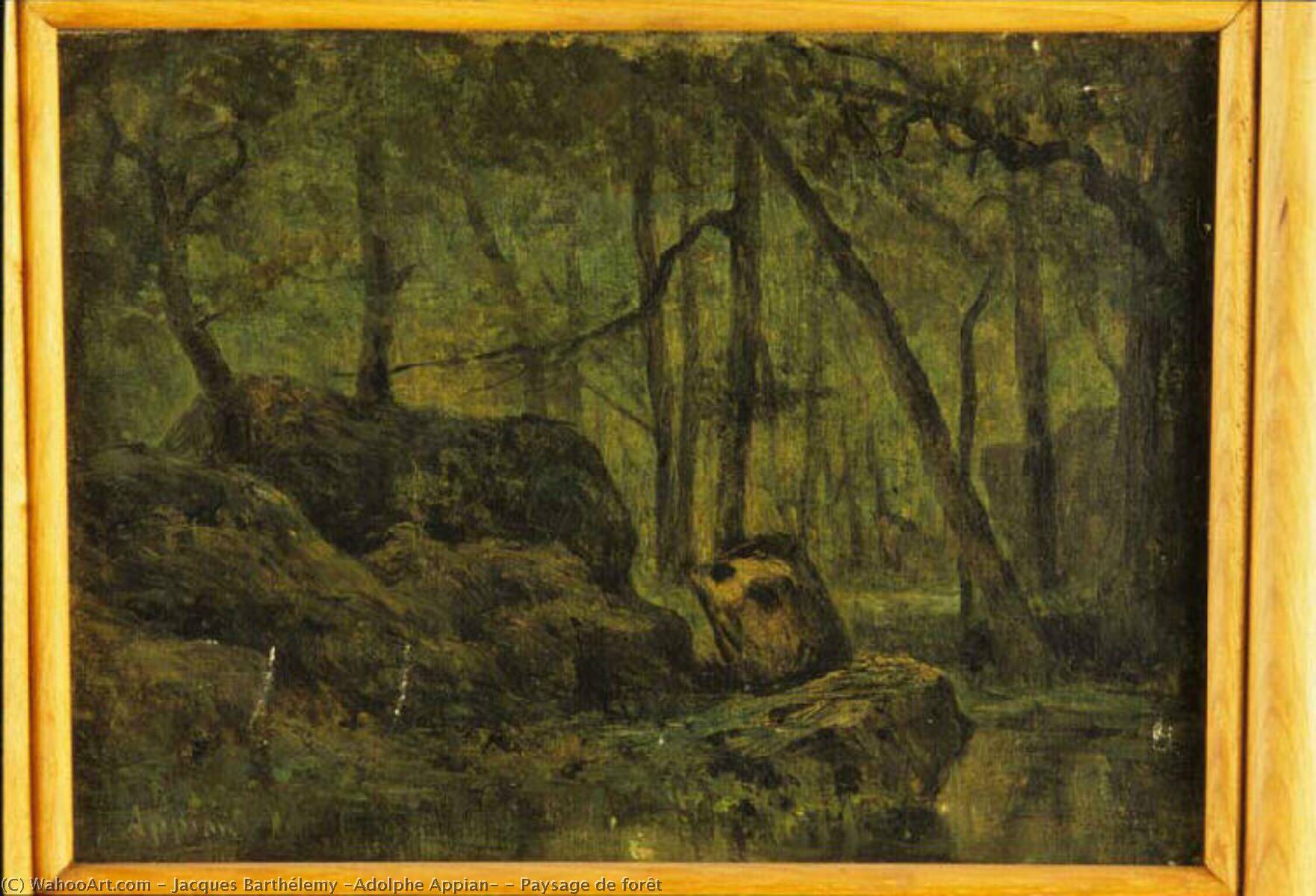
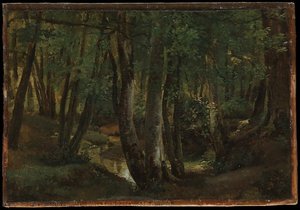
Paysage de forêt
 Читать далее
Масляная репродукция ручной работы
Картина маслом на холсте в выбранном вами размере и раме, написанная на заказ нашими художниками. ( Перейти к печати Перейти к цифровым изображениям)




































Выберите один из наших стандартных размеров, соответствующих оригинальным пропорциям произведения искусства.

Вы можете указать собственные размеры, чтобы картина идеально вписалась в выбранную раму или пространство. Если выбранный вами размер не соответствует пропорциям оригинала, мы либо обрежем полотно, либо расширим его за счет дополнительных элементов, написанных вручную. Цифровой макет будет отправлен вам на утверждение перед началом производства.
Обратите внимание, что предварительный просмотр на экране не отражает фактическую обрезку или расширение. Только макет точно покажет окончательную композицию.
Хотя доступны индивидуальные размеры, мы рекомендуем выбирать вариант из предопределенного списка, чтобы сохранить исходные пропорции.
После оформления заказа команда ArtsDot.com свяжется с клиентом по электронной почте для уточнения деталей и предоставит предварительный макет
Доставка по всему миру () за 3–4 недели вместо стандартных 5 недель. (12 Сентябрь). Без компромиссов в качестве.

Бесплатная экспресс-доставка по всему миру

Высококачественный льняной холст

Полное страхование доставки

Гарантия возмещения таможенных пошлин

Гарантия точного соответствия цветов

100-дневная политика возврата (только при обнаружении дефектов)

Гарантия возврата 100% средств

Предложение оптовых скидок
 Вариант со стеклом доступен только для размеров менее 110 см

Paysage de forêt
Техника репродукции
Размер репродукции
-


Итоговая стоимость
$ 263
Похожие произведения




Биография художника
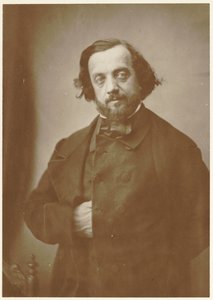
The Soul of the Landscape: The Life and Legacy of Adolphe Appian
Born into the vibrant artistic atmosphere of Lyon as Jacques Barthélemy, the man who would eventually command the art world under the name Adolphe Appian possessed a spirit destined for the sublime. His journey began in an era of profound transition, where the rigid structures of academic tradition were beginning to yield to the emotive whispers of the natural world. Raised by his father, the sculptor Jean Michel Grobon, Appian developed an early, intimate understanding of form and texture—a tactile sensibility that would later allow him to breathe life into the geological and botanical intricacies of his landscapes. Though his early years were marked by the shadows of financial hardship, these struggles only served to deepen his connection to the raw, unyielding beauty of the earth, fueling a lifelong quest to capture the ephemeral essence of light and atmosphere.
Appian’s artistic evolution was a masterful dance between meticulous observation and profound emotional expression. His early training at the Ecole des Beaux-Arts in Lyon provided him with a rigorous technical foundation, yet it was his later encounters with the masters of the Barbizon school that truly ignited his creative fire. Through friendships with luminaries such as Camille Corot and Charles-François Daubigny, Appian moved away from mere topographical accuracy toward a more poetic interpretation of nature. His early works often favored a monochromatic, atmospheric palette, focusing on the misty riverbanks of the Rhone and the quietude of Southern France. As his career matured, particularly after 1870, his brushwork underwent a breathtaking transformation; he embraced a brilliant, striking use of color that infused his canvases with a new, vibrant vitality, while simultaneously maintaining a deep connection to the delicate charcoal drawings and etchings that defined his graphic prowess.
A Symphony of Light and Symbolism
To gaze upon an Appian landscape is to enter a realm where the physical world meets the psychological. While often categorized within the traditions of landscape painting, his work resonates with the burgeoning Symbolist movement, prioritizing mood and subjective experience over literal representation. He did not merely paint trees, rocks, or water; he painted the feeling of solitude, the ache of nostalgia, and the awe-inspiring presence of the sublime. His technique—a painstaking process of layering thin, translucent glazes—created luminous surfaces that seemed to shimmer with an inner light, capturing the subtle tonal shifts of a setting sun or the heavy dampness of a forest floor. This mastery of luminosity allowed him to bridge the gap between the tangible earth and the intangible spirit.
The significance of his contribution to the art historical canon extends far beyond the borders of France. His influence as an etcher reached across oceans, notably impacting American artists like Stephen Parrish, proving that his visual language was universal. His accolades, including being named a Chevalier of the Legion of Honour, and the prestigious acquisition of his works by figures such as Napoleon III and Princess Mathilde, underscore his standing among the elite of nineteenth-century art. Today, Appian remains a visionary whose work continues to invite viewers into a contemplative dialogue with nature, reminding us that even in the most detailed depiction of a forest or a coastline, there lies a profound window into the human soul.
Основные сведения
- Artistic Movement Or Style: Symbolism
- Artists Or Movements Influenced By This Artist: ['École de Barbizon']
- Artists Who Influenced This Artist: ['Jean Michel Grobon']
- Date Of Birth: 1818
- Date Of Death: 1898
- Full Name: Jacques Barthélemy Appian
- Nationality: French
- Notable Artworks:
- Boats at the Shore
- Environs de Carqueiranne (près d'Hyères)
- Place Of Birth: Alsace