

 Предпросмотр
 Поделиться
 Поделиться
 Детали произведения

 Скачать
 Похожие работы
 Рентгенография
 Слайд-шоу
 Статистика
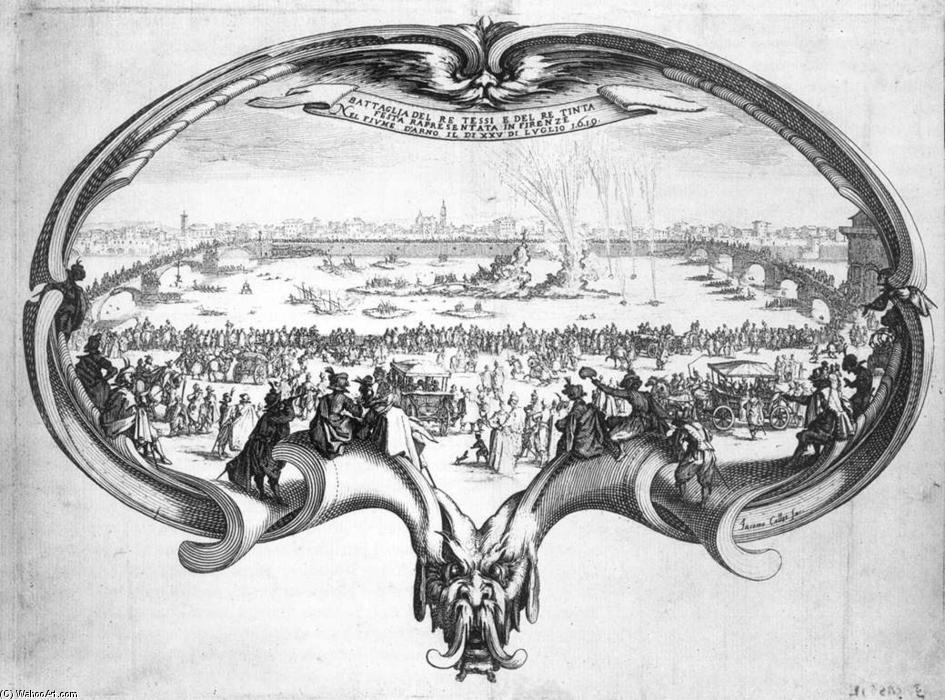
Florentine Fête


 Читать далее
Жикле / Арт-принт
Печать (жикле) или холст музейного качества с быстрыми сроками изготовления и широким выбором вариантов отделки. ( Купить картину ручной работы Перейти к цифровым изображениям)




P118B $10

P118H $10

P118W $10

P438Z $10

P508JH $12

P508YH $12

P805H $10

P805Z $10

P919BZ $10

P919G $10

P919XJ $10

P959ZH $10

P968JZ $12

W106C $8

W218G $10

W218JH $8

W218Y $10

W307PJ $10

W316G $10

W316PJ $8

W316Y $10

W398PJ $8

W4111J $10

W500HY $15

W500JH $15

W692G $12

W849H $8

W940BG $15

W953PJ $8




Выберите один из наших стандартных размеров, соответствующих оригинальным пропорциям произведения искусства.

Вы можете указать свои собственные размеры, чтобы репродукция идеально подошла под конкретную раму или пространство. Если выбранный вами размер не будет соответствовать пропорциям оригинала, мы либо обрежем произведение, либо дополним изображение зеркальным отражением краев или однотонной заливкой. Перед началом производства вам будет отправлен цифровой макет для утверждения.
Пожалуйста, обратите внимание, что предварительный просмотр на экране не отображает фактическую обрезку или расширение изображения. Только макет точно покажет финальную композицию.
Несмотря на возможность заказа индивидуальных размеров, мы рекомендуем выбирать размер из предопределенного списка, чтобы сохранить оригинальные пропорции.
Доставка по всему миру () за 2 недели вместо стандартных 4/5 недель. (11 Сентябрь)

Бесплатная экспресс-доставка по всему миру

Высококачественный льняной холст

Полное страхование доставки

Гарантия возмещения таможенных пошлин

Гарантия точного соответствия цветов

100-дневная политика возврата (только при обнаружении дефектов)

Гарантия возврата 100% средств

Предложение оптовых скидок
 Вариант со стеклом доступен только для размеров менее 110 см

Florentine Fête
Жикле / Арт-принт
Размер репродукции
-


Итоговая стоимость
$ 62
Florentine Fête: A Symphony of Observation and Dramatic Line
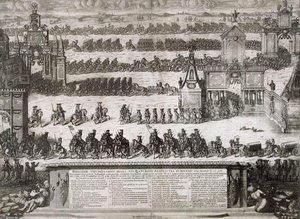
Jacques Callot’s “Florentine Fête,” etched in 1619, transcends mere depiction; it's an immersive experience into the vibrant pulse of Renaissance Florence—a city grappling with political upheaval and celebrating its cultural grandeur. This monumental print isn’t simply a record of an event; it’s Callot’s masterful distillation of observation, transforming raw reality into a powerfully emotive visual narrative. The artwork stands as a testament to his pioneering approach to printmaking, establishing him as one of the foremost artists of his time and profoundly influencing subsequent generations of printmakers.Composition and Perspective: Capturing Movement Amidst Complexity
The composition is relentlessly detailed, mirroring Callot’s meticulous attention to capturing every nuance of human activity within a densely populated urban landscape. A wide river dominates the central space, traversed by a stone bridge—a focal point teeming with figures engaged in joyous celebration. On either side of the river, buildings rise majestically, populated by crowds eager to partake in the festivities. Callot eschews traditional linear perspective, favoring instead a slightly skewed viewpoint that contributes to the overall sense of dynamism and disorientation. This deliberate stylistic choice underscores the chaotic energy of the scene—a reflection of the turbulent political climate prevailing at the time. The cartouche framing the image serves as an anchor, drawing the eye back to the central action and emphasizing its importance within the broader narrative.Technique: The Alchemy of Copper and Ink
Callot’s genius lay in his mastery of etching—a technique he elevated to unprecedented heights. He began by preparing a copper plate, meticulously scratching lines into its surface using specialized tools. These lines would then be inked with pigment, transferring the image onto paper through pressure. Callot employed a complex layering process involving multiple incrustations (layers of ink), allowing for subtle tonal variations and creating textures that mimic the materiality of the scene. Hatching and cross-hatching—particularly prevalent in this print—were skillfully utilized to build up shading and define forms with remarkable precision, capturing the interplay of light and shadow with breathtaking realism. The resulting image possesses a palpable sense of depth and atmosphere, achieved through careful consideration of line placement and tonal modulation.Symbolism: Celebrating Excess Amidst Uncertainty
“Florentine Fête” is more than just a visual record; it’s laden with symbolic significance. The exuberant celebration depicted—fireworks exploding against the twilight sky, processions winding through the city streets—represents both the triumph of Florentine culture and the precariousness of its political stability. Callot's depiction of clowns and acrobats serves as commentary on social hierarchies and anxieties, highlighting the contrast between opulent spectacle and underlying vulnerability. The ornate cartouche itself symbolizes commemoration and grandeur, reinforcing the importance of the event being portrayed. Through these subtle visual cues, Callot invites viewers to contemplate not only what is seen but also what is felt—a poignant reminder that art can illuminate both the beauty and the anxieties of its time.Style: Baroque Drama Embodied
“Florentine Fête” exemplifies the stylistic hallmarks of Baroque art—characterized by dramatic lighting, dynamic composition, and meticulous detail. Callot’s approach aligns perfectly with the Baroque ethos of conveying emotion and grandeur through visual representation. Like many artists of his era, he sought to capture the immediacy of experience, prioritizing expressive gesture and tonal richness over idealized beauty. His print stands as a cornerstone of Baroque printmaking, demonstrating the transformative potential of etching as a medium for artistic innovation and emotional impact—a legacy that continues to inspire artists today.Похожие произведения

Биография художника
The Master of the Etched Line: The Life and Legacy of Jacques Callot
In the grand tapestry of the Baroque era, few threads are as fine or as piercingly detailed as those woven by Jacques Callot. A virtuoso who eschewed the broad strokes of oil painting in favor of the precise, biting needle of the etching tool, Callot transformed printmaking from a secondary craft into a profound medium of social commentary and technical brilliance. Born in the region of Lorraine around 1592, his journey was one of movement and metamorphosis, carrying him from the privileged halls of his noble upbringing to the vibrant, often chaotic streets of Rome and Florence. He did not merely record history; he etched its very soul onto copper plates, capturing the fleeting shadows of human suffering and the opulent splendor of courtly life with equal intensity.
Callot’s artistic evolution was deeply shaped by his travels across Europe, which allowed him to absorb the diverse textures of the seventeenth century. His early training in Nancy provided a foundation of discipline, but it was his time in Italy that truly ignited his genius. Under the guidance of masters like Philipp Tessmann in Rome and later within the prestigious workshops of Florence, Callot learned to marry the humanist ideals of the Renaissance with the dramatic, emotional weight of the Baroque. His service to the Medici court provided him with unparalleled access to the heights of aristocratic culture, yet he remained a keen observer of the world beneath the gilded surface, documenting the grit and grime of urban existence with an unflinching eye.
Technical Revolution and the Échoppe
What truly set Callot apart from his contemporaries was his revolutionary approach to the medium itself. Before Callot, etching often lacked the tonal depth and varied line weight characteristic of traditional engraving. He bridged this gap through a brilliant technical innovation: the creation of the échoppe. This specialized etching needle, featuring an oval-shaped tip, allowed him to manipulate the pressure of the stroke to create swelling and tapering lines. This breakthrough enabled him to mimic the graceful, varying widths of an engraver's tool, bringing a new level of sculptural dimension and fluid movement to his prints. Through this mastery, he achieved a level of detail that could render the delicate lace of a nobleman’s sleeve or the harrowing, jagged textures of a battlefield with equal precision.
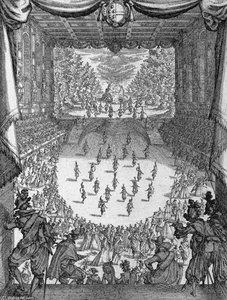
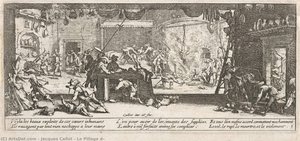
This technical prowess allowed for an unprecedented range of subject matter, most notably in his celebrated series documenting the darker side of humanity. His work often serves as a visceral window into the Miseries of War, where he captured the raw, chaotic violence of conflict. In masterpieces such as Le Pillage, the viewer is thrust into a world of disorder and destruction, where the fine lines of his needle convey the frantic energy of a landscape in upheaval. Conversely, his ability to capture light and theatricality is evident in works like Interlude in the Medici Theater, where the intricate compositions evoke the vibrant, staged magic of Renaissance performance.
A Lasting Impression on Art History
The historical significance of Jacques Callot extends far beyond the borders of the seventeenth century. He was a pioneer of what we now recognize as "old master prints," establishing a standard of narrative complexity and technical execution that would inspire generations of printmakers. His influence can be traced through the centuries, most notably in the works of Francisco Goya, who shared Callot’s ability to use the graphic medium to explore the darker, more grotesque aspects of the human condition. By elevating the etching needle to a tool of profound psychological and social depth, Callot ensured that his vision would endure.
Ultimately, Callot’s body of work remains a hauntingly beautiful paradox: it is both a meticulous record of historical brutality and a celebration of artistic finesse. Whether he was depicting the grim reality of La Roue (Breaking on the Wheel) or the delicate grace of a courtly dance, his prints possess a timeless quality that transcends their era. He remains a singular voice in the Baroque canon—a master who found the infinite within the infinitesimal, proving that even the smallest etched line could carry the weight of the world.
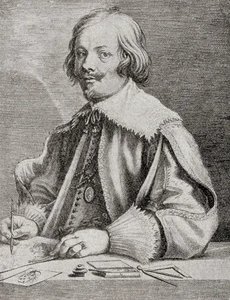
Jacques Callot
1592 - 1635 , France
Основные сведения
- Artistic Movement Or Style: Baroque etching
- Artists Or Movements Influenced By This Artist: ['Rembrandt']
- Artists Who Influenced This Artist: ['Philippe Thomassin']
- Date Of Birth: c. 1592
- Date Of Death: 1635
- Full Name: Jacques Callot
- Nationality: French
- Notable Artworks:
- The Holy Family at Table
- Scene from the Grandes Misères de la Guerre
- Landscape
- Place Of Birth: Lorraine, France
Похожие статьи
Etching: A Historical Survey of Technique, Aesthetic Qualities & Enduring Artistic Significance
Explore the rich history of etching, from its origins to Rembrandt's masterful innovations. Discover the technique, aesthetic qualities & enduring legacy of this captivating art form. Expert insights for collectors and enthusiasts.

The Dramatic Flourish: Exploring the Baroque Movement's Enduring Legacy in Art History
Explore the dramatic world of Baroque art! Discover iconic artists like Caravaggio & Rubens, defining techniques, and its lasting impact on art history. Expert insights for collectors & enthusiasts at ArtsDot.

Барочная драма: Искусство величия в современном интерьере
Погрузитесь в мир роскоши и величия барокко! Узнайте об истории стиля, ключевых элементах интерьера и архитектуре. Вдохновляйтесь с и создайте свой неповторимый дизайн.
10 легендарных офортов, изменивших искусство навсегда | ArtsDot
Откройте для себя 10 легендарных офортов Дюрера, Рембрандта и Гойи! Узнайте историю создания шедевров графики и вдохновитесь искусством. Репродукции картин премиум-качества на ArtsDot.com – для вашего интерьера.
The Intricate World of Etching: A Historical Survey of Technique, Aesthetic Evolution, and Enduring Artistic Impact
Explore the rich history of etching, from its origins to modern practice. Discover techniques, key artists like Rembrandt, and insights for collectors. A comprehensive guide by ArtsDot.