


 Предпросмотр
 Поделиться
 Поделиться
 Детали произведения

 Скачать
 Похожие работы
 Рентгенография
 Слайд-шоу
 Статистика
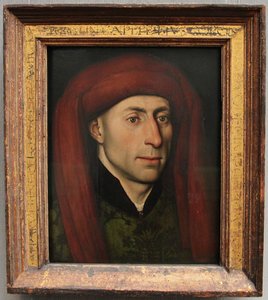
Altarpiece of the Virgin
 Oil On Panel
- WallArt
- Renaissance Realism
 1433
1433- Renaissance
 57.0 x 52.0 cm
 Стейтлешские музеи Берлина
 Читать далее
Приобретите цифровое изображение высокого разрешения в улучшенном качестве, которое значительно превосходит онлайн-превью.
Каждый файл тщательно подготавливается нашими специалистами с использованием передовых инструментов и экспертной ручной ретуши. Мы гарантируем исключительную четкость, точную цветопередачу и детальную проработку каждого изображения.
Финальный файл доставляется по электронной почте в течение 72 часов и оптимизирован для немедленного использования в профессиональной среде, при верстке и печати. Это тот же уровень качества, которому доверяют ведущие дизайнерские студии, издательства и галереи.
Цифровое изображение
Скачайте файл высокого разрешения для личного использования, печати и творческих проектов. ( Перейти к печати Купить картину ручной работы)
Включено в каждый заказ цифровых изображений
Гарантия экспертной цифровой доставки
Выбирая ArtsDot.com, вы получаете не просто изображение — вы приобретаете профессионально обработанное цифровое произведение искусства, созданное с безупречной точностью и под защитой гарантии качества. Вот всё, что автоматически входит в ваш заказ:

Мгновенная доставка по e-mail
Ваш цифровой файл в высоком разрешении будет отправлен вам по электронной почте в течение 72 часов после оформления заказа — и сразу станет доступен для использования.

Цифровой файл с ИИ-улучшением
Ваше произведение искусства проходит профессиональную оптимизацию с использованием передовых инструментов ИИ и ручной обработки, что гарантирует максимальную детализацию, четкость и точность цветопередачи.

Бессрочная бесплатная повторная доставка
Случайно удалили или потеряли файл? Не беспокойтесь — мы отправим его вам повторно в любое время и совершенно бесплатно.

Без импортных пошлин — навсегда
Наслаждайтесь вашим произведением искусства мгновенно без таможенных пошлин, сборов или затрат на доставку — цифровые загрузки всегда не облагаются налогом.

Гарантия точности цветопередачи
Мы гарантируем, что ваше цифровое изображение максимально точно передает оригинальные цвета благодаря использованию профессиональных инструментов и систем управления цветом.

Гарантия удовлетворенности 100 дней
Если вы не будете удовлетворены своим цифровым изображением, мы внесем правки или вернем 100% стоимости в течение 100 дней — без лишних вопросов.

100% Гарантия возврата средств
Не удовлетворены покупкой? Получите полный возврат средств в течение 100 дней после получения цифрового файла — без лишних вопросов.

Скидки на оптовые заказы
Купите 3 изображения, сэкономьте 10% — Купите 5, сэкономьте 15% — Купите 10+, сэкономьте 20%. Отличное решение для творческих проектов, галерей и агентств.
A Sacred Encounter in Oil and Light
To gaze upon the Altarpiece of the Virgin is to step across the threshold of time and into a sacred, hushed moment of profound intimacy. Painted in 1433 by the Early Netherlandish master Jacques Daret, this exquisite panel captures much more than a mere religious tableau; it presents a deeply human exchange rendered with unparalleled piety. At the heart of the composition lies the Virgin Mary, cradling the sleeping Christ Child—a vision of tender vulnerability juxtaposed against the grandeur of divine purpose. Her downward gaze, heavy with unspoken love and quiet contemplation, serves as an invitation to the viewer to share in the stillness of this holy encounter.
The scene is far from a solitary one, as Daret populates the space with figures that lend a narrative weight to the central act. Surrounding the mother and child, observers engage in a silent dialogue of prayer and reflection, their presence grounding the divine event within a recognizable, earthly realm. The atmosphere is one of divine serenity, where the boundaries between the celestial and the mundane seem to dissolve through the soft modeling of the infant's form and the luminous glow that permeates the entire scene.
The Mastery of Flemish Realism
Daret’s technique represents a pinnacle of the Early Netherlandish tradition, heavily influenced by his years spent in the studio of Robert Campin. Utilizing the sophisticated medium of oil paint on wood panels, Daret achieved a level of textural richness that remains breathtaking centuries later. Through the meticulous layering of glazes, he created an ethereal luminosity, allowing light to dance across the heavy drapery of the figures' garments and catch the subtle contours of their faces. This technique does not merely illuminate the painting; it imbue the subjects with a palpable, breathing presence.
The artist’s eye for detail is nothing short of extraordinary. From the precise rendering of anatomical features to the careful placement of symbolic objects—such as the delicate vases positioned near the edge of the frame—every element is executed with a devotion to naturalism. This commitment to Flemish realism allows the viewer to appreciate the tactile quality of the world Daret has constructed, making the spiritual truths of the piece feel tangibly real and immediate.
Symbolism and Architectural Grandeur
Beyond its aesthetic beauty, the Altarpiece is a complex tapestry of theological symbolism. The very setting—framed by an ornate backdrop suggesting the soaring arches and stately pillars of a magnificent cathedral—elevates the scene from a simple portrait to a monumental devotional experience. This architectural grandeur serves to anchor the divine narrative within a space of worship, reminding the faithful of the intersection between heaven and earth.
Every detail within the composition invites deeper contemplation. The presence of specific objects, such as the vessels placed near the figures, acts as a silent language of devotion, common in the art of this era to provoke meditation on the mysteries of faith. For the modern collector or interior designer, this piece offers more than just visual splendor; it provides a focal point of profound emotional depth and historical significance. A high-quality reproduction of this masterpiece brings not only the sophisticated elegance of the 15th century into a contemporary space but also a sense of enduring peace and spiritual reflection.
Похожие произведения










Биография художника
Leon Battista Alberti: The Architect of Renaissance Thought
Leon Battista Alberti, born in Genoa in 1404 and passing away in Rome in 1472, stands as a towering figure in the transition from medieval to Renaissance thought. More than simply an architect, artist, or humanist scholar, he embodied the ideal of the “universal man”—a concept central to the burgeoning intellectual climate of his era. His profound impact on art theory and practice, coupled with his innovative contributions across numerous disciplines, cemented his legacy as a foundational figure in Western culture. Alberti’s life was one of relentless curiosity and an unyielding pursuit of knowledge, shaping not only his own work but also influencing generations of artists and thinkers to come.- Early Life and Education: Born into a wealthy Genoese merchant family, Alberti's upbringing instilled in him a deep appreciation for mathematics, logic, and the practical arts – skills crucial for managing a burgeoning trade empire. Despite his noble lineage, he was sent to Bologna to study law, a common path for young men of his social standing. However, it was during his time in Florence that Alberti’s true intellectual journey began. He immersed himself in the study of classical literature and philosophy, encountering the humanist ideals championed by figures like Petrarch and Boccaccio.
- Rome and Papal Patronage: Seeking a more stimulating environment for his studies, Alberti traveled to Rome in 1431, entering the service of the papal court under Pope Martin V. This period proved transformative, exposing him to the grandeur of ancient Roman ruins – a source of immense inspiration that would profoundly shape his architectural designs. He also took holy orders, becoming a priest and dedicating himself to the pursuit of knowledge within the Church’s intellectual sphere.
Architectural Innovation: Bridging Antiquity and Modernity
Alberti's architectural achievements are arguably his most enduring legacy. Rejecting the Gothic style prevalent at the time, he sought to revive the principles of classical Roman architecture, believing that these forms represented the pinnacle of aesthetic perfection. His treatise *De re aedificatoria* (On Architecture), published in 1452, became a seminal work, outlining his theories on proportion, harmony, and perspective – essentially providing a blueprint for Renaissance architecture.- Key Architectural Works: Alberti’s designs are characterized by their meticulous attention to detail, mathematical precision, and harmonious proportions. Notable examples of his architectural prowess include the Tempio Malatestiano in Rimini, a stunning example of early Renaissance design that seamlessly blends classical elements with innovative structural solutions; the Palazzo Rucellai in Florence, showcasing a refined façade based on Roman precedents; and the Basilica of Sant’Andrea in Mantua, a masterpiece of civic architecture.
- The Principles of Design: Alberti's architectural philosophy revolved around the concept of “proportion,” arguing that all elements within a building should be related to one another in a harmonious and balanced manner. He emphasized the importance of symmetry, order, and clarity – principles derived from his study of classical architecture and mathematical ratios.
Beyond Architecture: A Polymathic Mind
Alberti’s intellectual curiosity extended far beyond the realm of architecture. He was a prolific writer, producing treatises on painting (*De pictura*), sculpture (*De statua*), and cryptography. His work in mathematics demonstrated a deep understanding of geometry and perspective, contributing significantly to the development of these fields. Furthermore, he wrote extensively on languages, including Latin, Italian, Greek, and Hebrew, mastering their grammar and rhetoric with remarkable skill.- Cryptography and Renaissance Secrets: Alberti is widely considered the founder of modern cryptography, developing a complex cipher system that was used for centuries. His work in this area reveals a keen interest in secrecy and security – subjects that were increasingly relevant during the tumultuous political landscape of the Italian Renaissance.
- The “Universal Man” Ideal: Alberti’s diverse range of interests and accomplishments perfectly exemplified the humanist ideal of the “universal man”—an individual capable of excelling in multiple fields of knowledge and endeavor. This concept reflected a broader cultural shift during the Renaissance, emphasizing human potential and intellectual achievement.
Legacy and Influence: Shaping the Renaissance and Beyond
Leon Battista Alberti’s influence on art and architecture is immeasurable. His *De re aedificatoria* became a foundational text for generations of architects, shaping the course of Western architectural design. His theories on perspective revolutionized painting, influencing artists such as Leonardo da Vinci and Raphael. Moreover, his emphasis on humanism and intellectual curiosity helped to usher in a new era of artistic and philosophical inquiry.- Vasari’s Account: Alberti's life and work were documented by Giorgio Vasari in *Lives of the Most Excellent Painters, Sculptors, and Architects*, where he is portrayed as a pivotal figure in the transition from medieval to Renaissance art.
- Enduring Relevance: Even today, Alberti’s ideas continue to resonate with artists, architects, and scholars—a testament to his enduring legacy as one of the most influential figures in Western intellectual history. His pursuit of knowledge, combined with his artistic vision, serves as an inspiration for those who seek to understand and shape the world around them.
jacques daret
1404 - 1470