

 Предпросмотр
 Поделиться
 Поделиться
 Детали произведения

 Скачать
 Похожие работы
 Рентгенография
 Слайд-шоу
 Статистика
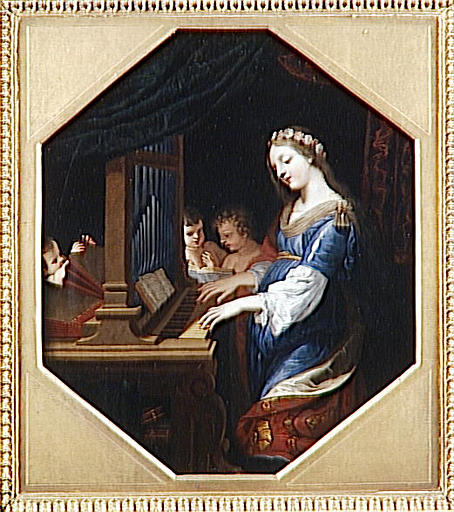
SAINTE CECILE JOUANT DE L'ORGUE


 Читать далее
Жикле / Арт-принт
Печать (жикле) или холст музейного качества с быстрыми сроками изготовления и широким выбором вариантов отделки. ( Купить картину ручной работы Перейти к цифровым изображениям)




P118B $10

P118H $10

P118W $10

P438Z $10

P508JH $12

P508YH $12

P805H $10

P805Z $10

P919BZ $10

P919G $10

P919XJ $10

P959ZH $10

P968JZ $12

W106C $8

W218G $10

W218JH $8

W218Y $10

W307PJ $10

W316G $10

W316PJ $8

W316Y $10

W398PJ $8

W4111J $10

W500HY $15

W500JH $15

W692G $12

W849H $8

W940BG $15

W953PJ $8




Выберите один из наших стандартных размеров, соответствующих оригинальным пропорциям произведения искусства.

Вы можете указать свои собственные размеры, чтобы репродукция идеально подошла под конкретную раму или пространство. Если выбранный вами размер не будет соответствовать пропорциям оригинала, мы либо обрежем произведение, либо дополним изображение зеркальным отражением краев или однотонной заливкой. Перед началом производства вам будет отправлен цифровой макет для утверждения.
Пожалуйста, обратите внимание, что предварительный просмотр на экране не отображает фактическую обрезку или расширение изображения. Только макет точно покажет финальную композицию.
Несмотря на возможность заказа индивидуальных размеров, мы рекомендуем выбирать размер из предопределенного списка, чтобы сохранить оригинальные пропорции.
Доставка по всему миру () за 2 недели вместо стандартных 4/5 недель. (10 Сентябрь)

Бесплатная экспресс-доставка по всему миру

Высококачественный льняной холст

Полное страхование доставки

Гарантия возмещения таможенных пошлин

Гарантия точного соответствия цветов

100-дневная политика возврата (только при обнаружении дефектов)

Гарантия возврата 100% средств

Предложение оптовых скидок
 Вариант со стеклом доступен только для размеров менее 110 см

SAINTE CECILE JOUANT DE L'ORGUE
Жикле / Арт-принт
Размер репродукции
-


Итоговая стоимость
$ 62
SAINTE CECILE JOUANT DE L'ORGUE: A Baroque Symphony of Faith and Light
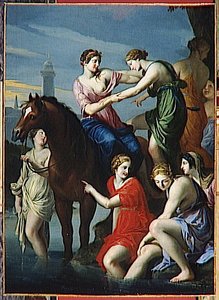
Jacques Stella’s Sainte Cécile jouant de l'orgue stands as a testament to the grandeur and spiritual fervor of the Baroque period, capturing a pivotal moment in artistic history—the intersection of Florentine classicism and Roman dynamism. Executed around 1640, this monumental oil painting on copper transcends mere depiction; it’s an immersive experience designed to evoke contemplation and reverence. The artwork resides within the Musée du Louvre, where its meticulous detail continues to inspire awe among visitors.- Composition & Framing: Stella masterfully employs a tightly framed octagonal border—a stylistic choice characteristic of the era—to draw the viewer’s gaze directly to Saint Cecilia, positioned slightly off-center yet commanding attention. Two cherubic figures flank the organ, acting as silent observers and reinforcing the painting's solemn atmosphere. The careful arrangement contributes to a sense of theatrical grandeur, mirroring the Baroque penchant for dramatic presentation.
- Color Palette & Light: Dominating the canvas is a rich tapestry of blues—deep indigoes and ceruleans—contrasted by opulent golds adorning the organ pipes and Cecilia’s crown. Accents of crimson and brown provide grounding tones, enhancing depth and creating visual harmony. Stella's masterful use of chiaroscuro – dramatic contrasts between light and shadow – illuminates Cecilia’s face and hands, casting much of the background in velvety darkness. This technique amplifies the painting’s emotional impact, conveying a profound sense of spirituality.
- Technique & Material: Painted on copper—a favored medium for artists of Stella's time—the artwork showcases exceptional craftsmanship. The meticulous layering of paint reveals an astonishing level of realism and textural detail. Stella skillfully captures the sheen of polished metal and the subtle nuances of fabric folds, demonstrating a profound understanding of artistic principles honed through years of study and practice.
- Symbolism & Context: Saint Cecilia’s depiction embodies the veneration for music as divine inspiration—a central theme within Baroque art. Playing the organ symbolizes harmony and spiritual communion, reflecting the period's preoccupation with religious contemplation. The cherubic figures represent angelic guardianship, reinforcing the painting’s moral message. Stella’s work aligns perfectly with the broader artistic currents of his time, mirroring the influence of Nicolas Poussin and celebrating the humanist ideals championed by Renaissance thinkers.
- Historical Significance: Sainte Cécile jouant de l'orgue exemplifies the Baroque style's commitment to conveying emotion and grandeur. Its meticulous execution and evocative lighting underscore the period’s fascination with theatrical illusionism—a technique perfected by Stella alongside fellow artist Simon Vouet. The painting’s enduring appeal testifies to its ability to transcend time, continuing to captivate audiences with its beauty and spiritual depth.
Похожие произведения


Биография художника
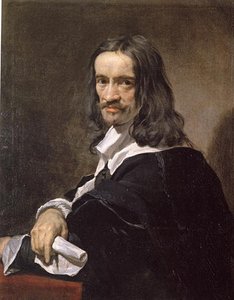
Jacques de Stella: A Classicist Bridging Florence and Paris
Jacques de Stella (1596-1657) stands as a pivotal figure in 17th-century French art, a painter whose career seamlessly blended the rigorous principles of Florentine classicism with the burgeoning dynamism of Roman influence. Born in Lyon to a family steeped in artistic tradition – his father, François Stella, was a painter and merchant of Flemish origin – Stella’s early life laid the foundation for a remarkable trajectory. Despite his father's untimely death before providing formal training, Stella’s siblings, including sculptor Madeleine and artist François the Younger, fostered an environment rich with creative discourse and artistic practice. This familial legacy, coupled with his uncle Antoine Stella’s own artistic pursuits, propelled him towards a life dedicated to visual expression.
Stella's artistic journey commenced in Lyon, where he honed his skills before embarking on a transformative period in Florence between 1616 and 1621. This sojourn within the court of Cosimo II de Medici proved profoundly influential. Working alongside Jacques Callot, Stella immersed himself in the ideals of Renaissance art, absorbing the meticulous detail, balanced compositions, and profound moral narratives characteristic of Florentine painting. The influence of Florence is undeniably evident throughout his oeuvre, particularly in his masterful use of perspective, drapery, and the depiction of religious figures with a dignified solemnity.
The Roman Years: Poussin’s Shadow and Papal Patronage
Following Cosimo II's death in 1621, Stella relocated to Rome, where he spent the next decade establishing himself as a respected artist. This period witnessed a significant shift in his artistic sensibilities, marked by an increasing engagement with classical antiquity and, crucially, the teachings of Nicolas Poussin. Poussin’s emphasis on light, color, and idealized forms resonated deeply with Stella, shaping his approach to composition and subject matter. Their friendship fostered a shared pursuit of clarity, restraint, and spiritual depth – qualities that would become hallmarks of Stella's style.
Stella’s Roman career was further distinguished by his patronage from Pope Urban VIII, who recognized the artist’s talent and commissioned numerous works, including intricate paintings on stone (onyx, lapis-lazuli, or slate) alongside more traditional panel paintings. These commissions showcased Stella's technical virtuosity and his ability to translate complex narratives into visually compelling forms. His work during this time demonstrated a masterful command of technique, evident in the precise rendering of textures, the subtle gradations of light and shadow, and the harmonious integration of figures within their environments.
Religious Themes and Royal Recognition
Stella’s artistic output was particularly focused on religious subjects, most notably his poignant depictions of the “Childhood of Christ.” Five distinct versions of this iconic scene exist, each offering a subtly different interpretation of the narrative. These paintings are not merely representations of biblical events; they are imbued with a profound sense of tenderness, vulnerability, and spiritual contemplation. The meticulous detail with which Stella portrays the infant Jesus’s interactions with his parents – Mary and Joseph – speaks to his deep understanding of human emotion and his ability to convey complex theological ideas through visual imagery.
In 1634, Stella returned to Lyon before moving to Paris in 1635. His arrival in the capital marked a significant turning point in his career. Presented to King Louis XIII by Cardinal Richelieu, he was granted the prestigious title of ‘Peintre du Roi’ (King's Painter), a position that afforded him royal patronage and a guaranteed pension of 1000 livres. This recognition solidified Stella’s status as one of France’s leading artists, allowing him to continue his artistic pursuits with relative security and freedom.
A Collector and Legacy
Beyond his prolific painting and engraving activities, Jacques Stella was an avid art collector throughout his life. He amassed a remarkable collection of works by Poussin, Raphael, and Michelangelo, alongside drawings by Leonardo da Vinci – demonstrating a deep appreciation for the artistic heritage of the past. His dedication to preserving and studying these masterpieces underscores his commitment to both artistic creation and historical scholarship.
Stella’s career spanned several decades, marked by a remarkable adaptability and a willingness to embrace diverse artistic styles. He died in Paris, leaving behind a substantial body of work that continues to be admired for its elegance, technical skill, and profound spiritual depth. His influence on subsequent generations of French painters is undeniable, cementing his place as a key figure in the transition from Mannerism to Classicism and a vital link between the artistic traditions of Florence and France.
jacques de stella
1596 - 1657
Основные сведения
- Artistic Movement Or Style: Classicism, Florentine & Roman art
- Artists Or Movements Influenced By This Artist:
- Poussin
- Raphael
- Artists Who Influenced This Artist:
- Jacques Callot
- Nicolas Poussin
- Date Of Birth: 1596
- Date Of Death: 1657
- Full Name: Jacques de Stella
- Nationality: French
- Notable Artworks:
- Jesus discovered by his parents
- La Vierge, L’Enfant Jésus et Saint Jean Baptiste
- Triomphe de Louis XIII
- Place Of Birth: Lyon, France
Похожие статьи

Барочная драма: Искусство величия в современном интерьере
Погрузитесь в мир роскоши и величия барокко! Узнайте об истории стиля, ключевых элементах интерьера и архитектуре. Вдохновляйтесь с и создайте свой неповторимый дизайн.

The Dramatic Flourish: Exploring the Baroque Movement's Enduring Legacy in Art History
Explore the dramatic world of Baroque art! Discover iconic artists like Caravaggio & Rubens, defining techniques, and its lasting impact on art history. Expert insights for collectors & enthusiasts at ArtsDot.
Harmonies on Canvas: Exploring the Visual Representation of Music in Art History
Explore the fascinating history of music's visual representation in art! From ancient symbolism to modern abstraction, discover how artists have captured sound and emotion on canvas. Expert insights & stunning examples.
Discover the Divine: Inspiring Saint Anthony Artworks to Elevate Your Home Decor
Transform your home with the profound beauty of Saint Anthony artworks. Explore exquisite Baroque reproductions by Murillo and Zurbarán, hand-painted on 100% cotton canvas to bring divine serenity and timeless elegance to your interior design.

10 Шедевров Барокко: Искусство, изменившее мир | ArtsDot.com
Погрузитесь в мир барокко! 10 шедевров Караваджо, Рембрандта и других великих художников. Узнайте историю создания культовых картин и найдите идеальную репродукцию для вашего интерьера на ArtsDot.com