

 Предпросмотр
 Поделиться
 Поделиться
 Детали произведения

 Скачать
 Похожие работы
 Рентгенография
 Слайд-шоу
 Статистика
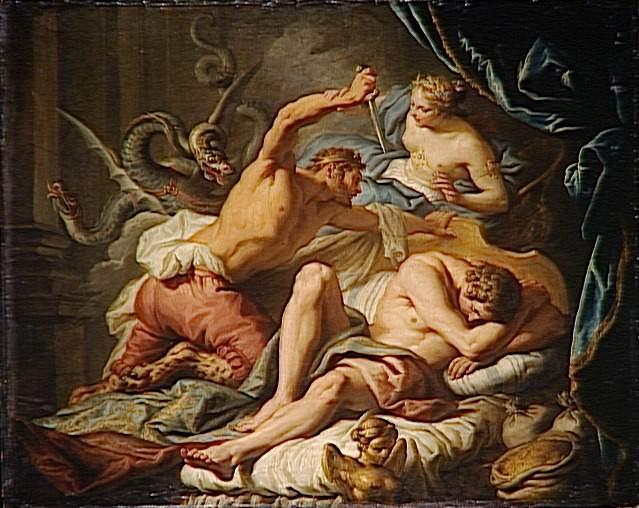
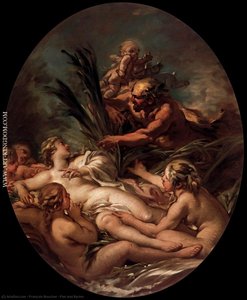
Cérès protégeant Triptolème contre le roi Lyncus


 Читать далее
Масляная репродукция ручной работы
Картина маслом на холсте в выбранном вами размере и раме, написанная на заказ нашими художниками. ( Перейти к печати Перейти к цифровым изображениям)




P118B $10

P118H $10

P118W $10

P438Z $10

P508JH $12

P508YH $12

P805H $10

P805Z $10

P919BZ $10

P919G $10

P919XJ $10

P959ZH $10

P968JZ $12

W106C $8

W218G $10

W218JH $8

W218Y $10

W307PJ $10

W316G $10

W316PJ $8

W316Y $10

W398PJ $8

W4111J $10

W500HY $15

W500JH $15

W692G $12

W849H $8

W940BG $15

W953PJ $8




Выберите один из наших стандартных размеров, соответствующих оригинальным пропорциям произведения искусства.

Вы можете указать собственные размеры, чтобы картина идеально вписалась в выбранную раму или пространство. Если выбранный вами размер не соответствует пропорциям оригинала, мы либо обрежем полотно, либо расширим его за счет дополнительных элементов, написанных вручную. Цифровой макет будет отправлен вам на утверждение перед началом производства.
Обратите внимание, что предварительный просмотр на экране не отражает фактическую обрезку или расширение. Только макет точно покажет окончательную композицию.
Хотя доступны индивидуальные размеры, мы рекомендуем выбирать вариант из предопределенного списка, чтобы сохранить исходные пропорции.
После оформления заказа команда ArtsDot.com свяжется с клиентом по электронной почте для уточнения деталей и предоставит предварительный макет
Доставка по всему миру () за 3–4 недели вместо стандартных 5 недель. (10 Сентябрь). Без компромиссов в качестве.

Бесплатная экспресс-доставка по всему миру

Высококачественный льняной холст

Полное страхование доставки

Гарантия возмещения таможенных пошлин

Гарантия точного соответствия цветов

100-дневная политика возврата (только при обнаружении дефектов)

Гарантия возврата 100% средств

Предложение оптовых скидок
 Вариант со стеклом доступен только для размеров менее 110 см

Cérès protégeant Triptolème contre le roi Lyncus
Техника репродукции
Размер репродукции
-


Итоговая стоимость
$ 313
Cérès protégeant Triptolème contre le roi Lyncus: A Baroque Allegory of Divine Protection
- Artist: Jacques Dumont dit le Romain (1704 - 1781)
- Date: Unknown, likely early to mid-18th century
- Medium: Oil on Canvas
A Dramatic Scene from Greek Mythology
This captivating oil painting depicts a dramatic scene drawn directly from Greek mythology. It portrays Cérès (Roman goddess Ceres), the powerful deity of agriculture, fertility, and motherhood, fiercely protecting Triptolème, an Athenian king credited with introducing agriculture to mankind. The narrative centers on a perilous encounter where Cérès intervenes against King Lyncus, who, in a fit of rage or madness, attempted to kill Triptolème. A serpentine figure adds another layer of threat and divine intervention to the scene.
Baroque Style and Technique
The artwork is firmly rooted within the Baroque style, characterized by its dynamic composition, intense emotion, and dramatic use of light and shadow (chiaroscuro). Dumont masterfully employs a diagonal thrust in the arrangement of figures, creating a sense of urgency and movement. The muscular depiction of Cérès, actively defending Triptolème who lies upon an ornate bed, conveys strength and courage. The presence of Triptolème, standing protectively nearby with what appears to be a staff or scepter, reinforces the theme of guardianship. Noticeable brushstrokes and layering of paint contribute to the texture and depth of the scene. The artist’s skillful use of warm tones – reds, browns, and golds – contrasted with cooler blues and greens in the drapery creates visual richness and enhances the dramatic impact.
Symbolism and Emotional Impact
Beyond its narrative depiction, the painting is rich in symbolic meaning. Cérès embodies divine power and maternal protection, while Triptolème represents the gift of agriculture to humanity. The serpent symbolizes danger, evil, or a test of faith, highlighting the perilous situation faced by Triptolème. The overall emotional tone is one of intense drama and urgency, evoking feelings of fear, courage, and ultimately, divine intervention. The muscular figure's heroic stance and protective gesture powerfully convey strength and determination in the face of adversity.
Historical Context and Jacques Dumont dit le Romain
Jacques Dumont dit "le Romain" (1704-1781) was a French history and portrait painter who enjoyed considerable celebrity during his lifetime. He trained initially in Paris, later studying in Rome – hence the moniker “le Romain.” He became a respected member of the Académie royale de peinture et de sculpture. While perhaps less known today than some of his contemporaries, Dumont’s work reflects the artistic tastes and values of the 18th century, particularly the continued popularity of mythological subjects and the emphasis on dramatic storytelling through painting. This piece exemplifies his ability to capture dynamic scenes with a keen eye for detail and a mastery of Baroque techniques.
Похожие произведения


Биография художника
Thomas Hudson: The Master of Domestic Detail
Thomas Hudson, a name synonymous with the intimate and meticulously rendered portraits of 18th-century London, was far more than just a painter; he was a chronicler of his time, capturing the essence of domestic life within the confines of elegant interiors. Born in Devon in 1701, Hudson’s journey from a rural upbringing to becoming one of the most sought-after artists in England is a fascinating tale of ambition, apprenticeship, and ultimately, unparalleled success. His career unfolded against the backdrop of a rapidly changing society, marked by the rise of portraiture as a fashionable pastime and the increasing influence of grand patrons like Reynolds and later, the Royal Family. Hudson’s early artistic training began under Jonathan Richardson the Elder, a prominent painter and art theorist in London. Richardson, however, initially discouraged Hudson's pursuit of painting, believing it an unsuitable profession for a young man of his social standing. Despite this resistance, Hudson persisted, eventually marrying Richardson’s daughter – a testament to his unwavering dedication to his craft. This early connection with Richardson proved invaluable, exposing him not only to the technical aspects of painting but also to the intellectual discourse surrounding art at the time. He spent several years studying in London and later traveled extensively throughout the Low Countries and Italy, absorbing influences from diverse artistic traditions. These journeys were crucial in shaping his style, introducing him to new techniques and broadening his understanding of composition and color. Hudson’s prolific output during the 1740s and 1750s established him as the leading portraitist of his era. He didn't simply paint likenesses; he meticulously constructed scenes that conveyed a sense of character, personality, and social standing. His subjects were invariably wealthy Londoners – merchants, lawyers, politicians, and members of the gentry – posed in their richly furnished homes. These interiors weren’t mere backdrops but active participants in the narrative, revealing details about the family's wealth, status, and tastes through carefully chosen furniture, tapestries, and domestic objects. Hudson’s skill lay not just in his ability to capture a likeness, but in his remarkable eye for detail and his talent for creating believable, immersive environments. He employed a team of assistants, notably Joseph Van Aken, a specialist drapery painter, who was responsible for the elaborate fabrics and furnishings that defined his compositions. The collaboration with Van Aken allowed Hudson to focus on the overall design and execution, while ensuring the visual richness and accuracy of the interiors. His students included Joshua Reynolds, Joseph Wright, and Peter Toms, demonstrating his significant influence on subsequent generations of artists.The Technique of Domestic Realism
Hudson’s distinctive style is characterized by a remarkable level of realism and attention to detail. He was a master of light and shadow, skillfully using chiaroscuro to create depth and drama within the interiors. His brushwork is generally smooth and understated, prioritizing accuracy over expressive brushstrokes. He paid meticulous attention to the textures of fabrics – velvet, silk, brocade – rendering them with astonishing realism. The furniture in his paintings is not merely decorative; it’s carefully chosen to reflect the subject's social status and personal taste. Hudson’s use of color is restrained but effective, creating a harmonious and balanced composition. He avoided dramatic contrasts or flamboyant displays of wealth, instead opting for a subtle elegance that conveyed a sense of understated refinement. His compositions are often symmetrical and balanced, reflecting the classical ideals of harmony and proportion.Hudson’s Legacy and Historical Significance
Despite his immense success, Hudson remained remarkably grounded in his approach to painting. He was known for his good temper and amiable disposition, earning him a devoted following among his patrons. His work offers an invaluable glimpse into the lives of 18th-century Londoners, providing insights into their social customs, material culture, and artistic tastes. His paintings are not simply portraits; they’re windows into a bygone era. Hudson's influence extended beyond his own lifetime, shaping the development of portraiture in England for decades to come. His meticulous attention to detail and his ability to capture the essence of domestic life set him apart from his contemporaries and established him as one of the most important artists of the 18th century. His paintings are now housed in major museums across the United Kingdom, including the National Portrait Gallery, the National Maritime Museum, Tate, Barnstaple Guildhall, and the Bristol City Museum and Art Gallery, ensuring that his remarkable legacy continues to be appreciated by generations of art lovers.Key Works
* *Portrait of Samuel Scott*, 1733 * *James Thomson*, 1735 * *Portrait of William III on Horseback*, 1744 * *Ascension*, 1752 (Venice) * *Portrait of Louis XIV*, 1701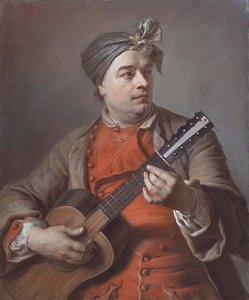
jacques dumont dit le romain
1701 - 1781 , France
Основные сведения
- Artistic Movement Or Style: Portrait painting
- Artists Or Movements Influenced By This Artist: ['Joshua Reynolds']
- Artists Who Influenced This Artist: ['Jonathan Richardson']
- Date Of Birth: 1701
- Date Of Death: 1779
- Full Name: Thomas Hudson
- Nationality: English
- Notable Artworks:
- William Hickey
- James Thomson
- Samuel Scott
- Place Of Birth: Devon, England
Похожие статьи

Топ-10 шедевров рококо: искусство, изменившее интерьеры | ArtsDot.com
Погрузитесь в мир рококо! Откройте для себя 10 шедевров искусства от Watteau, Boucher и Fragonard. Узнайте историю создания культовых картин и вдохновитесь для декора интерьера. Репродукции высокого качества на ArtsDot.com.
Decoding Baroque Grandeur: A Guide to the Drama and Emotion of 17th-Century Art
Explore the breathtaking drama of 17th-century Baroque art. Our expert guide decodes the use of chiaroscuro, emotional intensity, and historical grandeur to help you appreciate and curate timeless masterpieces for your collection.

The Dramatic Flourish: Exploring the Baroque Movement's Enduring Legacy in Art History
Explore the dramatic world of Baroque art! Discover iconic artists like Caravaggio & Rubens, defining techniques, and its lasting impact on art history. Expert insights for collectors & enthusiasts at ArtsDot.

The Rococo Aesthetic: Opulence, Rebellion & the Pursuit of Pleasure in 18th-Century Art
Explore the opulent world of Rococo art! Discover its origins, key artists like Watteau & Boucher, and lasting influence on design. Expert insights for collectors & enthusiasts.
From Grandeur to Grace: Exploring the Evolution of Baroque & Rococo Art
Explore the captivating evolution from Baroque's drama to Rococo's grace! Discover key artists, characteristics & lasting influence of these art movements with expert insights at ArtsDot.