

 Предпросмотр
 Поделиться
 Поделиться
 Детали произведения

 Скачать
 Похожие работы
 Рентгенография
 Слайд-шоу
 Статистика
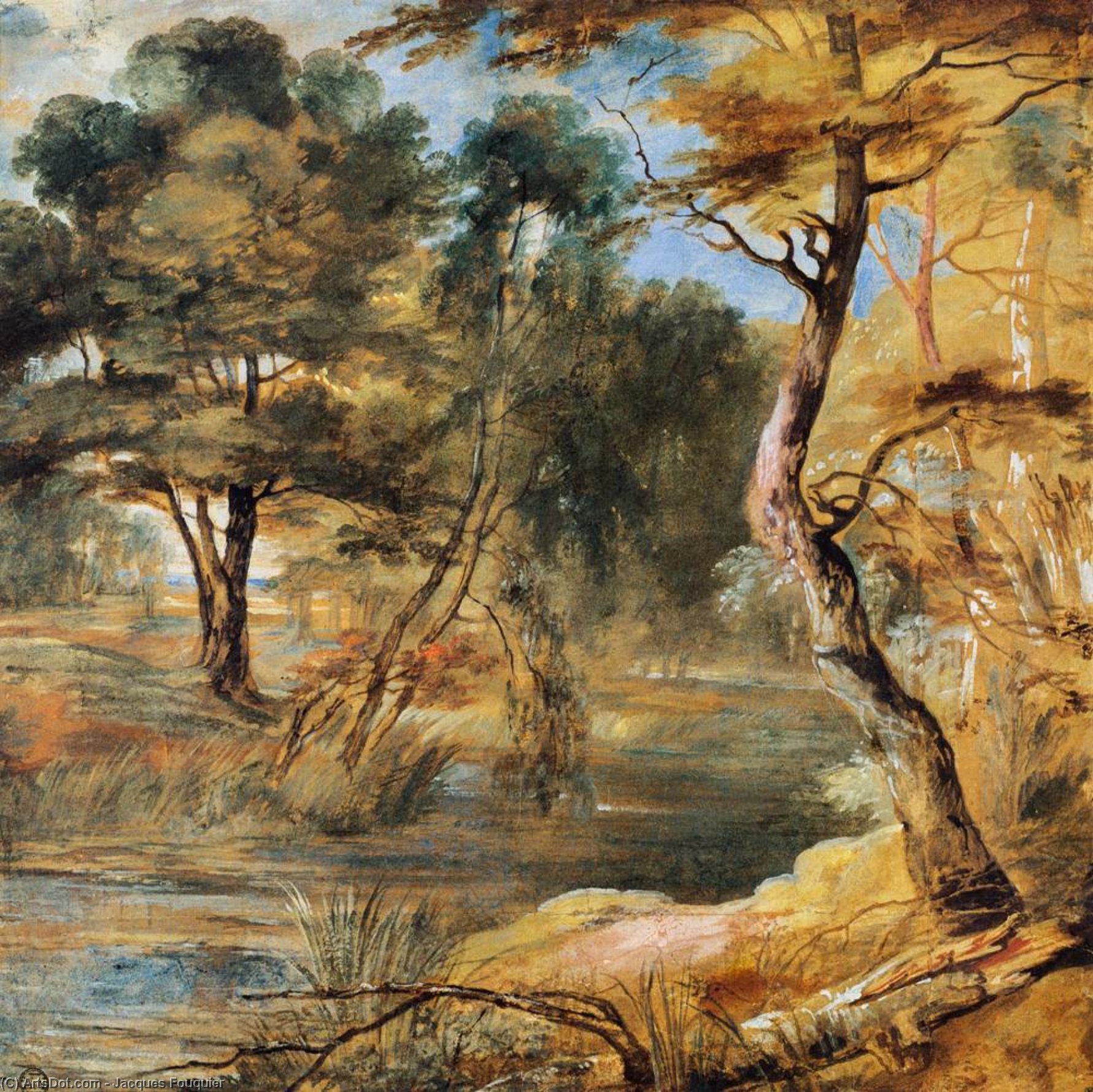
Wooded Landscape with a Stream
 Oil On Canvas
- WallArt
- Baroque
 Early Modern
 381.0 x 378.0 cm
 Лувр
Лувр
 Читать далее
Масляная репродукция ручной работы
Картина маслом на холсте в выбранном вами размере и раме, написанная на заказ нашими художниками. ( Перейти к печати Перейти к цифровым изображениям)




P118B $10

P118H $10

P118W $10

P438Z $10

P508JH $12

P508YH $12

P805H $10

P805Z $10

P919BZ $10

P919G $10

P919XJ $10

P959ZH $10

P968JZ $12

W106C $8

W218G $10

W218JH $8

W218Y $10

W307PJ $10

W316G $10

W316PJ $8

W316Y $10

W398PJ $8

W4111J $10

W500HY $15

W500JH $15

W692G $12

W849H $8

W940BG $15

W953PJ $8




Выберите один из наших стандартных размеров, соответствующих оригинальным пропорциям произведения искусства.

Вы можете указать собственные размеры, чтобы картина идеально вписалась в выбранную раму или пространство. Если выбранный вами размер не соответствует пропорциям оригинала, мы либо обрежем полотно, либо расширим его за счет дополнительных элементов, написанных вручную. Цифровой макет будет отправлен вам на утверждение перед началом производства.
Обратите внимание, что предварительный просмотр на экране не отражает фактическую обрезку или расширение. Только макет точно покажет окончательную композицию.
Хотя доступны индивидуальные размеры, мы рекомендуем выбирать вариант из предопределенного списка, чтобы сохранить исходные пропорции.
После оформления заказа команда ArtsDot.com свяжется с клиентом по электронной почте для уточнения деталей и предоставит предварительный макет
Доставка по всему миру () за 3–4 недели вместо стандартных 5 недель. (12 Сентябрь). Без компромиссов в качестве.

Бесплатная экспресс-доставка по всему миру

Высококачественный льняной холст

Полное страхование доставки

Гарантия возмещения таможенных пошлин

Гарантия точного соответствия цветов

100-дневная политика возврата (только при обнаружении дефектов)

Гарантия возврата 100% средств

Предложение оптовых скидок
 Вариант со стеклом доступен только для размеров менее 110 см

Wooded Landscape with a Stream
Техника репродукции
Размер репродукции
-


Итоговая стоимость
$ 263
A Verdant Embrace: Exploring the Tranquility of Wooded Landscape with a Stream
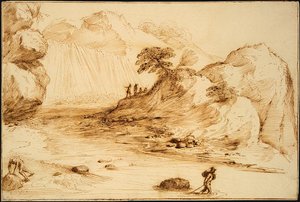
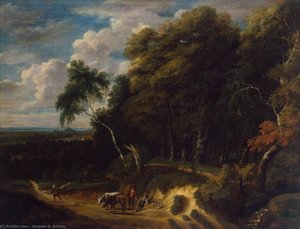
To gaze upon this magnificent depiction of a wooded landscape is to step through an unseen portal into a realm untouched by the clamor of modern life. The scene unfolds with breathtaking lushness, dominated by towering trees whose emerald canopy filters the light into dappled patterns on the forest floor. It is more than just a painting; it is an immersion into nature's most serene composition. The artist has masterfully captured the very breath of the woods—a cool, damp, and deeply peaceful atmosphere that seems to cling to every leaf and moss-covered stone.
The central artery of this pastoral vision is the gently meandering stream. Its surface whispers secrets as it carves its path through the undergrowth, drawing the eye deeper into the composition. Flanking this liquid ribbon are elements of human contemplation: two inviting benches rest within the scene, suggesting moments paused in time—invitations for the viewer to sit, breathe deeply, and simply observe the quiet rhythm of existence.
The Artistry of Light and Shadow
While the artist's signature is associated with a period bridging Mannerism and Baroque drama, the technique employed here speaks to a profound understanding of natural light. The interplay between the deep, cool shadows cast by the dense foliage and the brighter patches where sunlight manages to pierce through is nothing short of masterful. This use of chiaroscuro, though perhaps softer than the dramatic contrasts favored by some contemporaries, lends an incredible sense of three-dimensionality to the scene. One can almost feel the varied textures—the rough bark of the trees, the slick stones bordering the stream, and the velvety softness of the bushes.
The inclusion of a solitary figure near one of the trees adds a vital narrative anchor. This person, positioned as an observer, acts as a proxy for the viewer, inviting us to share in their quiet moment of reflection. It grounds the sublime beauty of the landscape with a touch of relatable human experience.
Symbolism and Emotional Resonance
In art history, the wooded landscape has always been a potent symbol. The forest itself often represents the subconscious mind or the journey of life—a place both mysterious and nurturing. The stream, universally recognized as a symbol of the passage of time, suggests continuity and cleansing renewal. To find such elements harmoniously arranged speaks to an underlying philosophy of balance. This painting does not merely depict nature; it evokes the emotional state one achieves when reconnecting with the primal rhythms of the earth.
For collectors and designers alike, this piece offers more than mere decoration; it is a curated mood. It promises an antidote to urban fatigue, transforming any space—be it a grand hall or a quiet reading nook—into a sanctuary reminiscent of a perfect afternoon spent by flowing water.
A Timeless Masterpiece for Modern Living
The scale of this work, substantial and enveloping, ensures that its tranquil majesty cannot be ignored. Reproducing such an expansive vision allows the beauty to breathe within your chosen setting. Whether you are seeking the depth of a historical masterwork or simply desire an infusion of enduring calm into your décor, this wooded landscape remains a perennial source of inspiration. It is a testament to the enduring power of nature's artistry, captured with skill and profound feeling.
Похожие произведения

Биография художника
Giovanni Francesco Barbieri, ‘Il Guercino’ (1591 – 1666): A Master of Dramatic Light and Emotion
Giovanni Francesco Barbieri, universally known as Il Guercino—a nickname derived from the “squinter” or squint referring to his distinctive eye condition—stands as a pivotal figure in the transition between Mannerism and Baroque painting. Born in Cento, near Bologna, in 1591, his life was one of relentless artistic exploration, marked by both periods of intense experimentation and ultimately, a refined mastery of classical forms. Unlike many artists of his time who benefited from established patronage networks, Guercino largely shaped his own career through self-reliance and an unwavering commitment to his unique vision. His journey, fueled by a deep engagement with the art of Caravaggio and a profound understanding of human emotion, resulted in a body of work characterized by dramatic lighting, intense psychological depth, and a captivating blend of realism and theatricality.
Guercino’s early artistic development was profoundly influenced by the prevailing styles of his time. He began his career as a mural painter in Rome and Bologna, absorbing the lessons of artists like Domenichino and Guido Reni – masters known for their elegant compositions and refined techniques. However, it was his exposure to Caravaggio's revolutionary use of *chiaroscuro*—the dramatic contrast between light and dark—that fundamentally altered his approach. Unlike the subtle gradations favored by earlier painters, Caravaggio employed stark contrasts to heighten emotional impact and create a sense of immediacy. Guercino quickly embraced this technique, incorporating it into his own work with remarkable skill, though he never fully replicated Caravaggio’s raw intensity. This early influence is evident in works like *St William Receiving the Monastic Habit* (1620), where the figures are rendered with meticulous detail and bathed in a dramatic light that emphasizes their spiritual significance.
- Early Influences: Domenichino, Guido Reni, Caravaggio
- Key Techniques: *Chiaroscuro*, Dramatic Lighting, Tonal Contrast
The Roman Years and the Rise of a Distinct Style
Guercino’s time in Rome (1621-1642) proved to be a crucial period of stylistic development. Invited by Pope Gregory XV to decorate the Villa Ludovisi, he was exposed to a wider range of artistic influences and began to forge his own distinctive style. The monumental ceiling fresco, *Aurora*, showcased his ability to create illusionistic spaces and manipulate light and color with unprecedented skill. However, it also marked a shift towards a more theatrical and emotionally charged approach, reflecting the influence of Caravaggio and the prevailing Baroque aesthetic. During this period, he experimented with various techniques, including *sfumato*—a subtle blurring of outlines—and explored different compositional arrangements.
Despite his success in Rome, Guercino’s career was not without its challenges. He faced competition from established artists and struggled to secure consistent patronage. His unconventional style, characterized by a willingness to break with traditional conventions, often met with resistance from conservative critics. Nevertheless, he persevered, developing a unique artistic language that combined elements of Mannerism, Caravaggism, and classical restraint.
Bolognese Maturity: A Synthesis of Styles
Guercino’s return to Bologna in 1642 marked the beginning of his most productive and arguably most mature period. Here, he established himself as the leading painter of the city, inheriting the mantle of Guido Reni—a master who had died just a year earlier. He skillfully synthesized the lessons learned during his Roman years with the traditions of Bolognese painting, creating works that were both technically accomplished and emotionally resonant. This period is characterized by a greater emphasis on psychological depth, nuanced color palettes, and a refined sense of composition.
Notable examples from this era include *The Mystic Marriage of Saint Catherine* (1620) and *Incredulity of Saint Thomas* (1621), both housed in the National Gallery, London. These paintings demonstrate Guercino’s ability to convey a wide range of emotions—from spiritual ecstasy to profound doubt—through subtle gestures, expressive faces, and masterful use of light and shadow. His later works, produced after 1630, reflect a further simplification of his palette and a move towards a more restrained style, influenced by the changing tastes of his patrons.
Legacy and Historical Significance
Despite facing periods of obscurity following his death in 1666, Guercino’s reputation gradually recovered during the mid-19th century thanks to the pioneering research of Denis Mahon. Mahon meticulously studied Guercino's life, career, and artistic development, uncovering a wealth of information about the artist's stylistic evolution and patronage network. His work provided crucial insights into the complexities of Guercino’s biography and helped to rehabilitate his standing among art historians.
Today, Guercino is recognized as one of the most important figures in Bolognese Baroque painting. His dramatic lighting, intense psychological depth, and masterful use of composition continue to captivate viewers centuries after his death. His influence can be seen in the work of later artists, including Francesco Bartolozzi, an English engraver who meticulously copied Guercino’s drawings. Guercino's legacy lies not only in his stunning paintings but also in his innovative approach to art—a testament to the power of self-taught artistry and a profound exploration of the human condition.
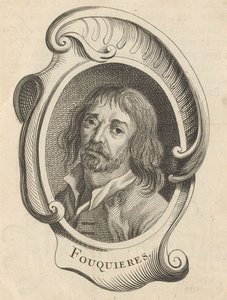
jacques fouquier
1591 - 1659 , Belgium
Основные сведения
- Artistic Movement Or Style: Baroque”
- Date Of Birth: February 8, 1591
- Date Of Death: December 22, 1666
- Full Name: Giovanni Francesco Barbieri”
- Nationality: Italian
- Notable Artworks:
- Jacob blessing the sons of Joseph”, “Mystic Marriage of Saint Catherine”, “Incredulity of Saint Thomas”, “King David”, “Cumaean Sibyl” ], "Artists who influenced this artist": [
- Caravaggio”, “Ludovico Carracci”, “Guido Reni” ], "Artists or movements influenced by this artist": [
- Francesco Bartolozzi”
- Place Of Birth: Cento, Italy
Похожие статьи

Джон Констебль: 25 шедевров английского пейзажа для вашего интерьера
Погрузитесь в мир английского пейзажа с Джоном Констеблом! 25 шедевров романтизма, история создания картин и вдохновение для вашего интерьера. Репродукции высокого качества на ArtsDot.com – искусство для ценителей.
Nature’s Sanctuary: Curating Enchanting Forest Artworks to Transform Your Home into a Serene Woodland Retreat
Transform your home into a serene woodland retreat with enchanting forest artworks. Discover museum-quality oil reproductions and custom landscape commissions designed to bring the peaceful beauty of nature indoors.
Evocations of Place: A Historical Journey Through Landscape Art
Explore the rich history of landscape art with ArtsDot. Discover renowned artists, movements like Impressionism & tonalism, and expert guidance for collecting timeless pieces. Find your perfect serene escape today!

Романтический пейзаж: 10 шедевров, изменивших искусство | ArtsDot.com
Погрузитесь в мир романтического пейзажа! 10 шедевров Фридриха, Тёрнера и других гениев. Узнайте историю создания культовых картин и вдохновитесь для декора интерьера. Репродукции высокого качества на ArtsDot.com.

Evocations of Place: A Historical Journey Through Landscape Art
Explore the rich history of landscape art with ArtsDot. Discover renowned artists, movements like Impressionism & Romanticism, and expert guidance for collecting timeless pieces. Find your perfect serene escape today!