

 Предпросмотр
 Поделиться
 Поделиться
 Детали произведения

 Скачать
 Похожие работы
 Рентгенография
 Слайд-шоу
 Статистика
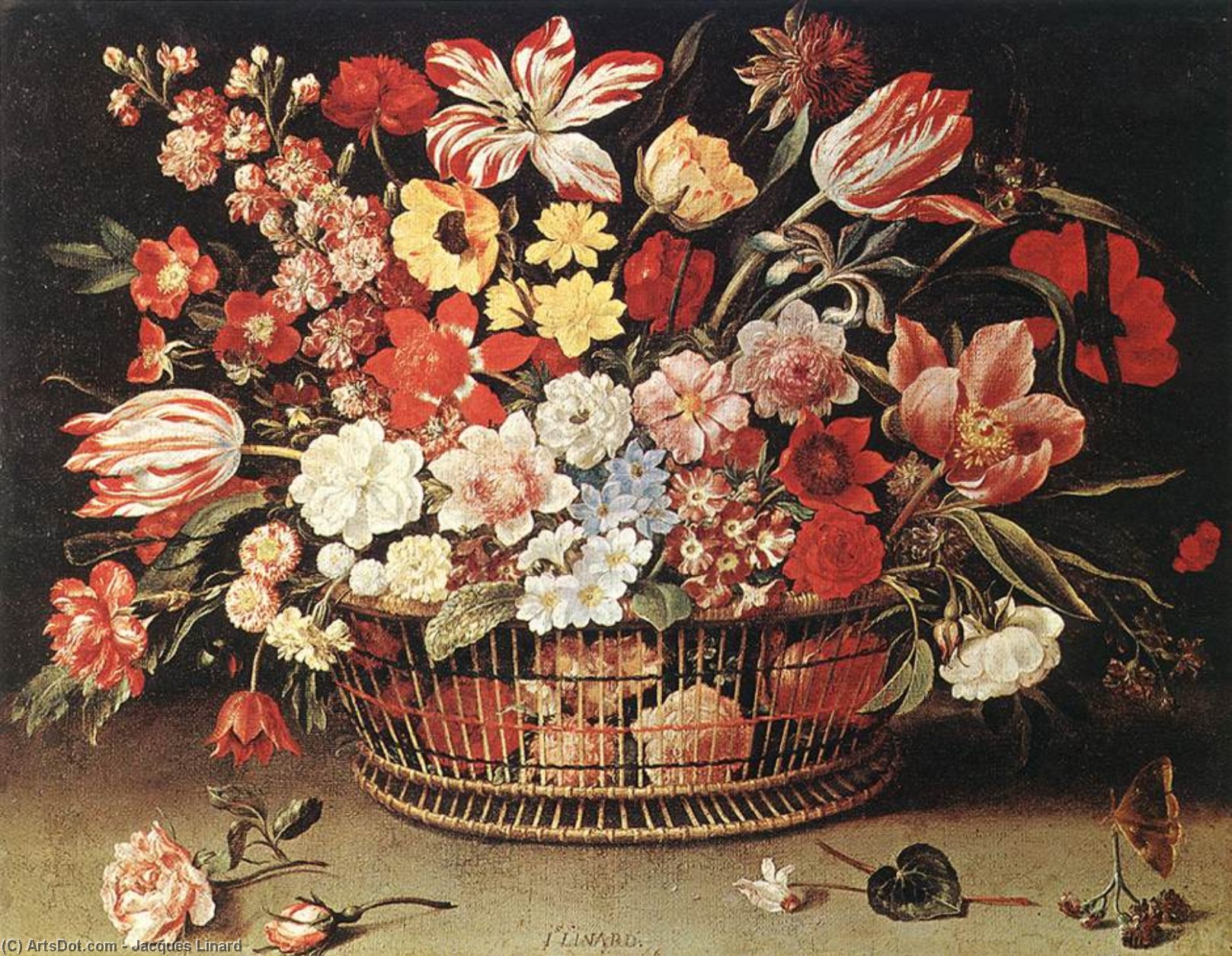
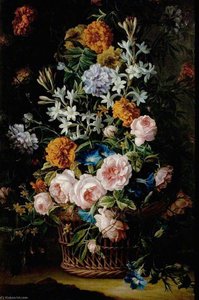
Basket of Flowers
 Oil On Canvas
- WallArt
- 17th Century Still Life
 48.0 x 60.0 cm
 Лувр
Лувр
 Читать далее
Приобретите цифровое изображение высокого разрешения в улучшенном качестве, которое значительно превосходит онлайн-превью.
Каждый файл тщательно подготавливается нашими специалистами с использованием передовых инструментов и экспертной ручной ретуши. Мы гарантируем исключительную четкость, точную цветопередачу и детальную проработку каждого изображения.
Финальный файл доставляется по электронной почте в течение 72 часов и оптимизирован для немедленного использования в профессиональной среде, при верстке и печати. Это тот же уровень качества, которому доверяют ведущие дизайнерские студии, издательства и галереи.
Цифровое изображение
Скачайте файл высокого разрешения для личного использования, печати и творческих проектов. ( Перейти к печати Купить картину ручной работы)
Включено в каждый заказ цифровых изображений
Гарантия экспертной цифровой доставки
Выбирая ArtsDot.com, вы получаете не просто изображение — вы приобретаете профессионально обработанное цифровое произведение искусства, созданное с безупречной точностью и под защитой гарантии качества. Вот всё, что автоматически входит в ваш заказ:

Мгновенная доставка по e-mail
Ваш цифровой файл в высоком разрешении будет отправлен вам по электронной почте в течение 72 часов после оформления заказа — и сразу станет доступен для использования.

Цифровой файл с ИИ-улучшением
Ваше произведение искусства проходит профессиональную оптимизацию с использованием передовых инструментов ИИ и ручной обработки, что гарантирует максимальную детализацию, четкость и точность цветопередачи.

Бессрочная бесплатная повторная доставка
Случайно удалили или потеряли файл? Не беспокойтесь — мы отправим его вам повторно в любое время и совершенно бесплатно.

Без импортных пошлин — навсегда
Наслаждайтесь вашим произведением искусства мгновенно без таможенных пошлин, сборов или затрат на доставку — цифровые загрузки всегда не облагаются налогом.

Гарантия точности цветопередачи
Мы гарантируем, что ваше цифровое изображение максимально точно передает оригинальные цвета благодаря использованию профессиональных инструментов и систем управления цветом.

Гарантия удовлетворенности 100 дней
Если вы не будете удовлетворены своим цифровым изображением, мы внесем правки или вернем 100% стоимости в течение 100 дней — без лишних вопросов.

100% Гарантия возврата средств
Не удовлетворены покупкой? Получите полный возврат средств в течение 100 дней после получения цифрового файла — без лишних вопросов.

Скидки на оптовые заказы
Купите 3 изображения, сэкономьте 10% — Купите 5, сэкономьте 15% — Купите 10+, сэкономьте 20%. Отличное решение для творческих проектов, галерей и агентств.
A Moment Preserved in Silk and Shadow: Exploring Jacques Linard’s Basket of Flowers
The Musée du Louvre holds within its hallowed halls a deceptively simple yet profoundly resonant painting: Jacques Linard's “Basket of Flowers.” More than just a still life, it’s a carefully constructed tableau brimming with the quiet beauty of the 17th century, a testament to the artist’s mastery of light, color, and the subtle language of arrangement. Measuring a modest 48 x 60 cm on canvas, painted in oil, this work transcends its physical dimensions to offer a glimpse into a world where nature's bounty is celebrated with exquisite detail and an almost palpable sense of serenity.
Linard’s style, deeply rooted in the Flemish tradition of still life painting – a movement that flourished during his time – reveals itself through a masterful use of warm, earthy tones. The dominant palette leans towards rich reds, vibrant pinks, sunny yellows, and delicate blues, all harmoniously blended to create an atmosphere of warmth and intimacy. His brushstrokes are remarkably subtle, almost hesitant, lending the scene a sense of delicacy and immediacy. This isn’t a dramatic display of floral exuberance; rather, it's a considered composition where each bloom seems carefully placed, inviting the viewer into a private moment of appreciation.
The Flemish Influence: Echoes of Masters Past
Linard’s work is undeniably influenced by the esteemed still life painters of the Flemish school. Artists like Jan van Eyck and Ambrosius Bosschaert the Elder had established a tradition of meticulously rendering everyday objects, imbuing them with an almost spiritual quality. Linard skillfully inherits this legacy, employing similar techniques of precise observation and detailed execution. However, unlike some of his contemporaries who favored overtly opulent displays, Linard’s approach is restrained and elegant. The dark background – a deep, velvety black – serves not as a mere void but rather to intensify the brilliance of the flowers themselves, drawing the eye directly to their intricate details.
The inclusion of green foliage adds depth and texture to the composition, grounding the vibrant blooms within a believable natural setting. Notice how Linard doesn’t simply list the flowers; he orchestrates them into a cohesive whole, creating a sense of balance and harmony. The arrangement feels both spontaneous and deliberate, as if captured in a fleeting moment of contemplation.
Symbolism and the Language of Flowers
Still life paintings of this era were often laden with symbolic meaning. While Linard’s intentions remain partially open to interpretation, it's reasonable to assume that the choice of flowers held significance. Red roses frequently symbolize love and passion, while pink blossoms evoke gentleness and grace. The presence of white lilies might suggest purity or innocence, and the yellow blooms could represent friendship and joy. The careful selection and juxtaposition of these floral elements invite viewers to engage in a silent dialogue with the painting, deciphering its hidden messages.
Furthermore, the basket itself – woven from a dark material, possibly wicker or wood – acts as a focal point, anchoring the composition and providing a sense of enclosure. It’s a humble container for an abundance of beauty, suggesting that true value lies not in ostentation but in appreciating the simple pleasures of life.
A Legacy of Delicate Beauty
“Basket of Flowers” stands as a poignant example of 17th-century still life painting. It’s a work that rewards careful observation, inviting viewers to linger and appreciate the artist's skill in capturing the ephemeral beauty of nature. Alongside works by Louise Moillon and Johannes Bosschaert, it represents a pivotal moment in the development of this genre, demonstrating Linard’s ability to seamlessly blend technical mastery with an evocative sense of atmosphere. Today, reproductions of this captivating painting continue to inspire and delight, offering a timeless reminder of the enduring power of art to transport us to another time and place.
Похожие произведения

Биография художника
A Pioneer of French Still Life: The World of Jacques Linard
Jacques Linard, a name perhaps less instantly recognizable than some of his Baroque contemporaries, occupies a pivotal position in the development of still life painting in 17th-century France. Born in Troyes in 1597 and passing away in Paris in 1645, Linard wasn’t merely documenting objects; he was crafting poetic meditations on beauty, transience, and the burgeoning scientific curiosity of his age. His early life remains somewhat shrouded in mystery, though we know his father, Jehan Linard, was also a painter active in Troyes, suggesting an initial artistic grounding within the family workshop. Records place him in Paris by the 1620s, quickly establishing himself as a skilled artist and becoming part of the vibrant artistic community clustered around the Île de la Cité and later Saint-Nicolas-des-Champs. His marriage in 1626 to Marguerite Tréhoire, daughter of Parisian master painter Romain Tréhoire, further solidified his connections within the art world. By 1631, he had achieved the prestigious title of *Peintre et Valet de Chambre du Roi* under Louis XIII, a position that afforded him both recognition and financial stability.From Flemish Roots to French Elegance
Linard’s artistic development was deeply influenced by the Northern Realist tradition, particularly the exquisite still lifes of Jan Brueghel the Elder. The meticulous detail, vibrant colors, and careful arrangement of objects characteristic of Brueghel are clearly visible in Linard's early works. However, he wasn’t simply a copyist. He infused his paintings with a distinctly French sensibility—a refined elegance and clarity that set him apart from his Flemish predecessors. While the Dutch masters were simultaneously revolutionizing still life with their hyperrealism and symbolic depth, Linard carved out a unique niche by blending meticulous observation with a poetic grace. His compositions often feature a harmonious balance of light and shadow, creating an atmosphere of quiet contemplation. He was among the first in France to explore thematic arrangements centered around the “Five Senses” and the “Four Elements,” transforming commonplace objects into allegorical representations of human experience.The Language of Objects: Symbolism and Meaning
Linard’s still lifes are far from mere depictions of fruit, flowers, or shells. They are imbued with a rich layer of symbolism that reflects the intellectual currents of his time. Exotic fruits like peaches and grapes weren't just visually appealing; they represented abundance, prosperity, and even sensual pleasure. Shells, prized as *mirabilia*—rare and fascinating objects collected by connoisseurs—evoked luxury, travel, and the wonders of the natural world. Coral, with its resemblance to blood vessels, carried religious connotations, symbolizing Christ’s sacrifice and protection against evil. The inclusion of musical instruments or playing cards hinted at the fleeting nature of earthly delights. His paintings invite viewers not just to admire their beauty but also to contemplate deeper themes of mortality, spirituality, and the passage of time. This subtle yet profound symbolism distinguishes his work from purely decorative still lifes.A Lasting Legacy: Inspiring a Generation
Though only around fifty works are definitively attributed to Linard today, his influence on French painting was considerable. He is credited with pioneering the thematic still life in France and inspiring artists like Louise Moillon, who would become the most celebrated female still-life painter of her era. Linard’s ability to combine meticulous realism with poetic elegance established a new standard for the genre. His compositions often featured delicate brushwork and vibrant colors, creating an atmosphere of quiet contemplation that resonated with contemporary audiences. Works like “Basket of Flowers,” now housed in the Louvre, demonstrate his mastery of technique and his keen eye for detail. The poem inscribed on a cup within one painting—a verse by the famous Chinese poet Su Shi—reveals a broader cultural awareness and intellectual curiosity. His paintings weren’t simply about what they depicted; they were about how those depictions connected to a wider world of knowledge, beauty, and meaning. Linard's legacy lies not just in his beautiful creations but also in his role as a catalyst for the flourishing of still life painting in 17th-century France.
jacques linard
1597 - 1645