

 Предпросмотр
 Поделиться
 Поделиться
 Детали произведения

 Скачать
 Похожие работы
 Рентгенография
 Слайд-шоу
 Статистика
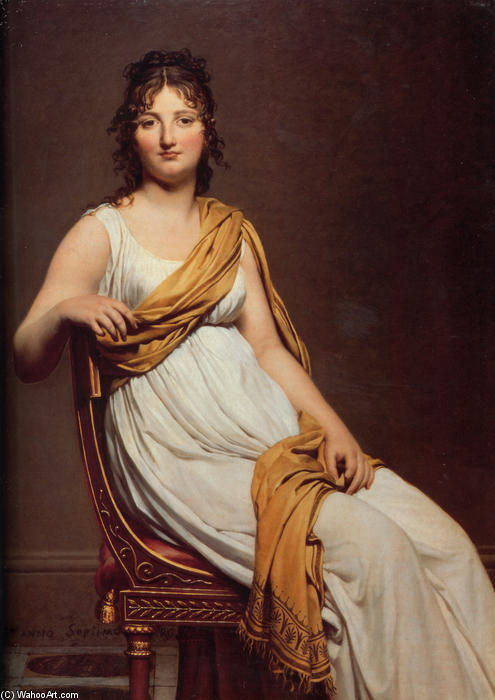
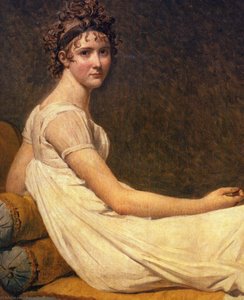
Portrait of Madame Raymond de Verninac
 Oil On Canvas
- WallArt
- Neo-Classicism
 1799
1799- Early Medieval
 145.0 x 112.0 cm
 Читать далее
Приобретите цифровое изображение высокого разрешения в улучшенном качестве, которое значительно превосходит онлайн-превью.
Каждый файл тщательно подготавливается нашими специалистами с использованием передовых инструментов и экспертной ручной ретуши. Мы гарантируем исключительную четкость, точную цветопередачу и детальную проработку каждого изображения.
Финальный файл доставляется по электронной почте в течение 72 часов и оптимизирован для немедленного использования в профессиональной среде, при верстке и печати. Это тот же уровень качества, которому доверяют ведущие дизайнерские студии, издательства и галереи.
Цифровое изображение
Скачайте файл высокого разрешения для личного использования, печати и творческих проектов. ( Перейти к печати Купить картину ручной работы)
Включено в каждый заказ цифровых изображений
Гарантия экспертной цифровой доставки
Выбирая ArtsDot.com, вы получаете не просто изображение — вы приобретаете профессионально обработанное цифровое произведение искусства, созданное с безупречной точностью и под защитой гарантии качества. Вот всё, что автоматически входит в ваш заказ:

Мгновенная доставка по e-mail
Ваш цифровой файл в высоком разрешении будет отправлен вам по электронной почте в течение 72 часов после оформления заказа — и сразу станет доступен для использования.

Цифровой файл с ИИ-улучшением
Ваше произведение искусства проходит профессиональную оптимизацию с использованием передовых инструментов ИИ и ручной обработки, что гарантирует максимальную детализацию, четкость и точность цветопередачи.

Бессрочная бесплатная повторная доставка
Случайно удалили или потеряли файл? Не беспокойтесь — мы отправим его вам повторно в любое время и совершенно бесплатно.

Без импортных пошлин — навсегда
Наслаждайтесь вашим произведением искусства мгновенно без таможенных пошлин, сборов или затрат на доставку — цифровые загрузки всегда не облагаются налогом.

Гарантия точности цветопередачи
Мы гарантируем, что ваше цифровое изображение максимально точно передает оригинальные цвета благодаря использованию профессиональных инструментов и систем управления цветом.

Гарантия удовлетворенности 100 дней
Если вы не будете удовлетворены своим цифровым изображением, мы внесем правки или вернем 100% стоимости в течение 100 дней — без лишних вопросов.

100% Гарантия возврата средств
Не удовлетворены покупкой? Получите полный возврат средств в течение 100 дней после получения цифрового файла — без лишних вопросов.

Скидки на оптовые заказы
Купите 3 изображения, сэкономьте 10% — Купите 5, сэкономьте 15% — Купите 10+, сэкономьте 20%. Отличное решение для творческих проектов, галерей и агентств.
A Portrait of Grace and Order: Jacques-Louis David’s Madame Raymond de Verninac
Jacques-Louis David's "Portrait of Madame Raymond de Verninac," painted in 1799, is more than a simple likeness; it’s a meticulously crafted embodiment of the Neoclassical ideals that defined a pivotal moment in French history. This captivating oil on canvas offers a glimpse into the refined world of Parisian society during the Directory, revealing a woman of quiet dignity and understated elegance within the framework of ancient Roman virtue. The painting immediately draws the eye to Madame de Verninac’s serene composure, her gaze direct and engaging, inviting the viewer into an intimate dialogue across time.
David, a leading figure in the Neoclassical movement, masterfully employs the principles championed by artists like Poussin and Ingres. The composition adheres rigorously to classical proportions – the chair’s placement, Madame de Verninac's posture, and even the arrangement of her garments all contribute to a sense of balanced harmony. The color palette is restrained yet luminous; soft whites and golds dominate, accented by subtle hints of rose and ochre that enhance the subject’s complexion and create an atmosphere of refined luxury. Notice how David utilizes *chiaroscuro*, carefully sculpting light and shadow to emphasize Madame de Verninac's features and the textures of her clothing – a testament to his technical skill and understanding of visual depth.
The Language of Neoclassicism
Neoclassicism, emerging from the ashes of Rococo extravagance, sought to revive the artistic standards of ancient Greece and Rome. David’s work perfectly encapsulates this movement's core tenets: clarity, order, restraint, and a profound respect for moral virtue. The subject’s attire—a flowing white gown adorned with delicate gold accents – directly references classical dress, evoking images of Roman goddesses and idealized female figures. The simplicity of the design, devoid of excessive ornamentation, reinforces the movement's emphasis on essential beauty and intellectual rigor. It is a deliberate rejection of the frivolous excesses of the preceding era.
Beyond mere aesthetics, the portrait carries significant historical weight. Painted during the Directory—a period of relative stability following the French Revolution—it reflects the aspirations for order and civic virtue that characterized this era. Madame de Verninac’s dignified bearing embodies the ideals of republicanism – a woman of grace and composure representing the strength and stability of the new regime. The painting subtly suggests a connection to the classical world, implying that the virtues of ancient Rome are essential for the success of modern France.
Symbolism and Emotional Resonance
The seemingly simple gesture of Madame de Verninac’s hand resting on the chair arm is laden with symbolic meaning. It conveys both composure and a quiet strength—a subtle assertion of her presence and authority within the room. Her direct gaze, unwavering and intelligent, invites contemplation and establishes a connection between the viewer and the subject. The overall effect is one of profound serenity and understated elegance – a testament to David’s ability to capture not just a likeness but also the very essence of his sitter's character.
Reproductions of “Portrait of Madame Raymond de Verninac” offer an exceptional opportunity to bring this masterpiece into your home or office. ArtsDot’s hand-painted reproductions faithfully recreate David’s meticulous brushwork and nuanced color palette, ensuring that you experience the full beauty and historical significance of this iconic work. Whether displayed in a formal study or a contemporary living space, this portrait will undoubtedly serve as a captivating focal point, evoking the spirit of Neoclassicism and reminding us of the enduring power of art to inspire and uplift.
Похожие произведения


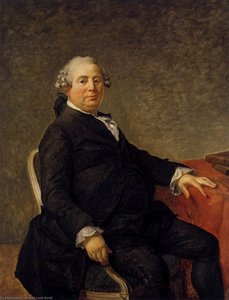
Биография художника
A Brushstroke Across Revolution: The Life and Art of Jacques-Louis David
Jacques-Louis David, born in Paris in 1748, was more than just a painter; he was a visual chronicler of an era defined by upheaval, idealism, and the relentless pursuit of new orders. His life mirrored the dramatic shifts unfolding across France – from the waning opulence of the Rococo to the austere clarity of Neoclassicism, and ultimately, through the tumultuous years of revolution and Napoleonic glory. A childhood marked by the early loss of his father and a facial impediment that initially hindered his speech seemed only to sharpen his observational skills and fuel an unwavering dedication to artistic mastery. Though initially apprenticed to François Boucher, David quickly found himself drawn to the more morally resonant work of Joseph-Marie Vien, whose emphasis on history painting and classical subjects resonated with a burgeoning sense of purpose within the young artist. His early attempts to win the prestigious Prix de Rome were fraught with frustration, yet these repeated setbacks only intensified his resolve, forging a relentless perfectionism that would characterize his entire career.The Birth of Neoclassical Drama
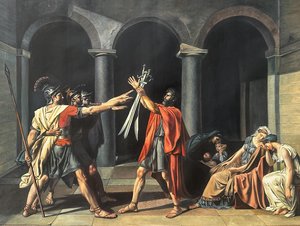
David’s artistic evolution wasn't merely a stylistic shift; it was a philosophical statement. He rejected the frivolous ornamentation and playful themes of the Rococo, embracing instead the clarity, order, and moral seriousness inherent in classical antiquity. This commitment was profoundly influenced by archaeological discoveries at Pompeii and Herculaneum, which unveiled a world of Roman art and architecture previously lost to time. These ruins ignited within him a passion for recreating the grandeur and heroic ideals of the ancient world. His breakthrough came with “Oath of the Horatii” (1784), a painting that transcended mere artistic skill to become an emblem of civic virtue and patriotic sacrifice. The stark composition, dramatic lighting – carefully calculated to heighten emotion – and precise draftsmanship were revolutionary, signaling a decisive break from the past. It wasn’t simply *what* he painted but *how* – a deliberate construction designed to evoke powerful emotional responses and inspire contemplation on themes of duty, honor, and self-sacrifice. The figures are rendered with an almost sculptural quality, embodying Roman ideals of strength and virtue. This work didn't just announce a new style; it foreshadowed the ideological currents that would soon sweep across France.Revolution and Remembrance: Art as Political Weapon
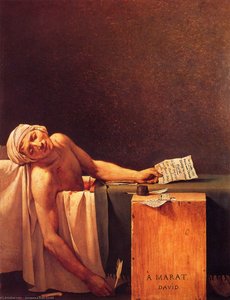
As the French Revolution erupted in 1789, David was not merely an observer but an active participant. A fervent supporter of the revolutionary cause and a close associate of Maximilien Robespierre, he saw art as a powerful tool for shaping public opinion and immortalizing the ideals of the new republic. His paintings during this period became potent symbols of revolutionary martyrdom and republican fervor. Perhaps his most iconic work from this era is “The Death of Marat” (1793), a hauntingly realistic depiction of the assassinated journalist, transformed into a secular saint. The pale body, the makeshift desk, the poignant letter clutched in Marat's hand – all contribute to an image of profound sorrow and sacrifice for the cause of liberty. David’s deliberate use of chiaroscuro (strong contrasts between light and dark) intensifies the drama and draws the viewer’s eye directly to the central figure. He served on the Committee of Public Safety during the Reign of Terror, even signing Robespierre’s death warrant, demonstrating his deep entanglement with the political machinations of the time – a controversial act that reflects the complexities of his commitment to revolutionary ideals.From Revolution to Empire: Serving Napoleon
The fall of Robespierre marked another turning point in David's career. With remarkable adaptability, he navigated the shifting political landscape and aligned himself with Napoleon Bonaparte, becoming the First Consul’s official court painter. This new patronage ushered in a period of grand-scale commissions designed to glorify Napoleon’s victories and achievements. “Napoleon Crossing the Alps” (1801-1805) is perhaps the most famous example – a masterful piece of propaganda that presents Napoleon as a heroic, almost mythical figure conquering both nature and adversity. The dramatic lighting, the dynamic composition, and the carefully chosen details all contribute to an image of unparalleled power and authority. “The Coronation of Napoleon” (1807), an immense canvas capturing the opulence and grandeur of the imperial ceremony, further cemented David’s position as the preeminent artist of the Napoleonic era. During this time, his palette subtly shifted, incorporating warmer Venetian colors while maintaining the precision and clarity that defined his style – a reflection of Napoleon's ambition to emulate the splendor of the Roman emperors.Exile, Legacy, and Enduring Influence
The Bourbon Restoration in 1814 brought renewed peril for David, whose association with the fallen Napoleon made him a target of persecution. He chose exile in Brussels in 1816, where he continued to paint and teach until his death on December 29, 1825. Even in exile, his influence remained profound. He trained numerous pupils, including Jean-Auguste-Dominique Ingres, who would become one of the most important neoclassical painters of the 19th century. David’s emphasis on draftsmanship, composition, and historical accuracy left an indelible mark on French art. *His legacy extends beyond mere imitation*; his expressive distortions of form and space even foreshadowed the innovations of later artists like Henri Matisse and Pablo Picasso. Jacques-Louis David was not simply a painter of his time; he *defined* it, capturing its spirit of revolution, ambition, and enduring ideals on canvas for generations to come.- Major Achievements: Established Neoclassicism as the dominant style in French painting.
- Historical Significance: Created iconic images that captured the spirit of the French Revolution and the Napoleonic era.
- Influence: Trained a generation of influential artists who carried on his legacy.
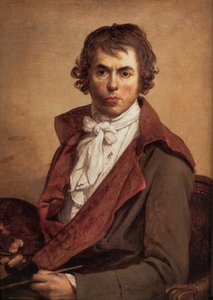
Давид
1748 - 1800 , Франция
Основные сведения
- Artistic Movement Or Style: Неоклассицизм
- Artists Or Movements Influenced By This Artist:
- Жан-Луи Тоссайн д’Анжубер
- Романтизм
- Artists Who Influenced This Artist:
- Жан-Август-Доминик Дюран
- Жозеф-Мари Виен
- Date Of Birth: 30 августа 1748 г.
- Date Of Death: 29 декабря 1825 г.
- Full Name: Jacques-Louis David
- Nationality: Француз
- Notable Artworks:
- Клятва Горатиев
- Смерть Марата
- Наполеон переходит Альпы
- Place Of Birth: Париж, Франция